Catching a fish from a kayak involves a unique blend of angling skills and boat control. This method requires specialized equipment and techniques, often targeting species in shallow or hard-to-reach waters. For example, a lightweight rod and reel paired with specific lures or bait are frequently employed. Maneuvering the kayak effectively to maintain position and fight the fish simultaneously adds another layer of complexity.
This approach offers significant advantages. Anglers gain access to secluded fishing spots often inaccessible by larger boats, potentially leading to encounters with diverse fish populations. The low profile of a kayak allows for a stealthy approach, minimizing disturbance to the aquatic environment and increasing the chances of a successful catch. Historically, kayaks have been used for fishing for centuries by indigenous cultures, highlighting the enduring practicality and effectiveness of this method. The recent surge in popularity reflects renewed appreciation for the intimate connection with nature and the sporting challenge it presents.
The following sections will explore essential equipment choices, effective techniques for various species, and important safety considerations for this rewarding pursuit.
Tips for Kayak Fishing Success
Successful kayak angling requires careful planning and execution. The following tips offer guidance for a safe and productive experience.
Tip 1: Prioritize Stability: Select a kayak designed for stability, especially in challenging conditions or when battling larger fish. Wider hulls and outriggers enhance stability. Consider weight capacity and distribution to maintain balance.
Tip 2: Master Paddle Control: Efficient paddling techniques are essential for navigating to desired fishing spots and maintaining position while fishing. Practice different strokes for maneuvering in various currents and wind conditions.
Tip 3: Choose Appropriate Tackle: Opt for shorter, lighter rods and reels suited for kayak fishing. Select lures and bait appropriate for target species and fishing location. Organize tackle effectively for easy access in the limited space of a kayak.
Tip 4: Plan and Execute a Drift: Utilize natural drifts to cover water efficiently and locate fish. Anchor effectively to maintain position in desired areas. Consider wind and current patterns when planning drift routes.
Tip 5: Employ Effective Fish Landing Techniques: Utilize a net or lip grip for safe and efficient fish landing within the confines of the kayak. Practice proper fish handling techniques to minimize stress on the fish and ensure successful release or storage.
Tip 6: Prioritize Safety: Wear a personal flotation device (PFD) at all times. Carry essential safety equipment including a whistle, signaling device, and first-aid kit. Inform someone of your fishing plans and estimated return time.
Tip 7: Respect the Environment: Practice catch-and-release principles whenever possible. Minimize disturbance to the natural habitat. Properly dispose of fishing line and other waste materials.
By adhering to these guidelines, anglers can enhance their success and enjoyment while promoting safe and responsible kayak fishing practices.
In conclusion, successful kayak angling combines skill, preparation, and respect for the environment. The insights provided here serve as a foundation for rewarding experiences on the water.
1. Stable Kayak Platform
A stable kayak platform is fundamental to successful kayak angling. It provides the secure foundation necessary for effective casting, hooksets, and fighting fish. Compromised stability reduces angling efficiency and can jeopardize safety. This section explores the critical facets of kayak stability as it relates to landing a fish.
- Hull Design and Stability
Kayak hull design directly impacts stability. Wider hulls offer greater initial stability, beneficial for casting and general fishing activities. Longer kayaks tend to track straighter, while shorter kayaks offer greater maneuverability. Specialized hull designs, such as pontoon hulls or those with built-in outriggers, maximize stability, particularly advantageous when battling larger fish or fishing in rough conditions. A stable platform minimizes the risk of capsizing, especially during critical moments like setting the hook.
- Weight Capacity and Distribution
Weight capacity and distribution significantly influence kayak stability. Exceeding the manufacturer’s recommended weight capacity compromises both stability and performance. Proper weight distribution is crucial. Centering heavier items low in the kayak enhances stability. Uneven weight distribution can lead to instability, making casting and fighting fish challenging and potentially hazardous. Careful consideration of weight capacity and distribution is paramount for a secure and efficient fishing platform.
- Environmental Factors and Stability
Wind, current, and waves impact kayak stability. Strong winds can push a kayak off course and create instability. Currents can create challenging paddling conditions and affect boat control. Waves, particularly in larger bodies of water, can compromise stability. Understanding these environmental factors and adjusting fishing strategies accordingly is crucial. Seeking sheltered areas or postponing trips in adverse conditions can prioritize safety and enhance the fishing experience.
- Angler Movement and Balance
Angler movements within the kayak, such as casting, reeling, and landing fish, can affect stability. Sudden movements or leaning too far can destabilize the kayak. Maintaining a low center of gravity and smooth, deliberate movements are essential for preserving balance. Practicing casting and other fishing maneuvers in calm conditions can improve balance and control, ultimately contributing to a safer and more successful fishing outing.
By considering these facets of kayak stability, anglers can create a secure and efficient platform for maximizing their chances of success. A stable kayak enhances not only fishing performance but also overall safety, contributing to a positive and rewarding experience on the water.
2. Precise Boat Control
Precise boat control is paramount for successful kayak angling. It directly influences the ability to present lures effectively, maintain optimal fishing positions, and successfully fight and land fish. This skill distinguishes proficient kayak anglers, enabling them to navigate diverse water conditions and maximize their chances of hooking a fish. The following facets highlight the critical components of precise boat control in the context of kayak fishing.
- Paddle Mastery and Maneuvering
Proficient paddling technique is fundamental to precise boat control. Understanding various paddle strokes, such as forward strokes, reverse strokes, sweep strokes, and draw strokes, allows anglers to navigate efficiently and maintain desired positions. Effective maneuvering enables anglers to approach fishing spots stealthily, hold position against currents or wind, and adjust position during a fight with a fish. Mastering these techniques enhances angling effectiveness and safety.
- Anchor Deployment and Positioning
Strategic anchor deployment is crucial for maintaining position in target fishing areas. Understanding anchor types, anchoring techniques, and bottom composition allows anglers to secure their kayak effectively. Proper anchoring prevents drifting and allows anglers to focus on fishing, rather than constantly adjusting position. This is particularly important in areas with current or wind, or when fishing specific structures or cover.
- Current and Wind Management
Understanding and effectively managing the impact of current and wind on kayak positioning is essential. Recognizing current patterns and wind direction allows anglers to anticipate drift and adjust paddling or anchoring strategies accordingly. Effectively utilizing current and wind can enhance fishing presentations, allowing lures to drift naturally through target areas. Conversely, failing to account for these factors can lead to inefficient drifts and missed opportunities.
- Stealth and Approach
A stealthy approach is often crucial for success in kayak fishing. Minimizing noise and disturbance allows anglers to approach fish without spooking them. Quiet paddling techniques, careful boat positioning, and avoiding sudden movements contribute to a stealthy approach. This is particularly important in shallow water or when targeting wary species. A controlled and quiet presence on the water maximizes the chances of a successful hookup.
Precise boat control empowers anglers to effectively target fish from a kayak. By mastering paddling techniques, anchoring strategies, and understanding environmental influences, anglers significantly improve their ability to present lures, maintain optimal fishing positions, fight fish effectively, and ultimately increase their success on the water. This skill set is essential for a rewarding and productive kayak fishing experience.
3. Appropriate Tackle Selection
Appropriate tackle selection is a critical factor in successful kayak angling. The right gear enhances casting accuracy, presentation of lures, hookset effectiveness, and the ability to manage fish effectively from a kayak’s confined space. Choosing appropriate tackle directly influences the likelihood of hooking and landing a fish. This section explores key facets of tackle selection relevant to kayak fishing.
- Rod and Reel Selection
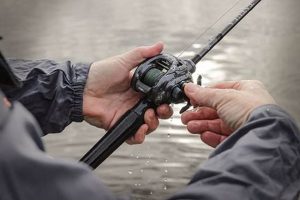
Shorter rods, typically between 6 and 7.5 feet, are ideal for kayak fishing, offering maneuverability within the limited space of a kayak. Lighter power and action ratings facilitate casting lighter lures and handling fish effectively. Spinning reels are generally preferred for their ease of use and versatility in presenting various lure types. Baitcasting reels, while offering increased line capacity and control, can be more challenging to manage in a kayak environment. Matching rod and reel combinations to target species and fishing techniques enhances angling effectiveness.
- Line and Leader Choice
Line selection depends on target species and fishing conditions. Braided lines offer high strength and sensitivity, beneficial for detecting subtle bites and handling fish in cover. Fluorocarbon lines provide low visibility and abrasion resistance, advantageous in clear water or around structure. Monofilament lines are a versatile and cost-effective option. Leader selection depends on fishing conditions and target species. Fluorocarbon leaders are often preferred for their abrasion resistance and low visibility, particularly when fishing around structure or targeting wary fish.
- Lure and Bait Considerations
Lure selection should align with target species and fishing location. Topwater lures, crankbaits, spinnerbaits, jigs, and soft plastics are effective choices for various species and fishing styles. Live bait, such as minnows, worms, or crickets, can be highly effective, especially in certain situations or for specific species. Matching lure or bait presentation to the target species’ feeding habits and habitat preferences increases the likelihood of enticing a strike.
- Tackle Organization and Accessibility
Efficient tackle organization is essential in a kayak’s limited space. Tackle boxes or bags designed for kayak fishing provide organized storage and easy access to lures, hooks, weights, and other essential gear. Keeping frequently used items readily accessible minimizes time spent searching for equipment, allowing anglers to focus on fishing. Proper organization streamlines the fishing process and maximizes efficiency on the water.
Appropriate tackle selection significantly contributes to a positive and productive kayak fishing experience. By carefully choosing rods, reels, lines, lures, and organizing tackle effectively, anglers enhance their ability to present lures effectively, detect strikes, set hooks securely, and land fish efficiently. These factors directly influence the likelihood of “hooking one” from a kayak, making thoughtful tackle selection an essential component of successful kayak angling.
4. Strategic Drift Management

Strategic drift management is a crucial skill in kayak fishing, directly influencing the ability to effectively cover water, present lures naturally, and ultimately increase the chances of a successful hookup. A well-managed drift allows anglers to systematically target fish-holding areas, maximizing fishing efficiency and enhancing the overall angling experience. Understanding and implementing effective drift strategies is essential for consistent success in kayak fishing.
- Current and Wind Influence
Current and wind are primary drivers of kayak drift. Understanding their interplay is crucial for predicting and controlling drift patterns. Wind direction and speed, coupled with current direction and strength, dictate the kayak’s movement. Anglers must consider these factors to effectively position the kayak for optimal lure presentation and coverage of target areas. For example, drifting with the current allows for natural bait presentation, while drifting against the wind can slow the kayak, providing more time to work a specific area. Effectively utilizing these natural forces maximizes fishing efficiency.
- Anchor Utilization and Deployment
Anchoring plays a vital role in drift management, allowing anglers to control drift speed and maintain position in desired locations. Deploying an anchor upstream or upwind allows for a controlled drift through a target area. Different anchor types, such as claw, mushroom, or stake anchors, suit different bottom compositions and fishing conditions. Proper anchor deployment and retrieval are crucial for avoiding snags and maintaining control of the kayak. For instance, a claw anchor is effective in rocky or weedy areas, while a mushroom anchor suits sandy or muddy bottoms. Proper anchoring allows for precise and controlled drifts, increasing the odds of a successful hookup.
- Drift Route Planning and Execution
Planning drift routes based on anticipated fish-holding locations is crucial. Identifying areas with structure, cover, or changes in depth allows anglers to focus their efforts where fish are most likely to be found. Executing the planned drift requires continuous adjustments based on wind and current conditions. Using landmarks and navigational aids helps maintain the desired drift path. For example, drifting along a weed line or near a drop-off allows anglers to target specific habitats where fish congregate. Careful planning and execution maximize the effectiveness of each drift.
- Paddle Adjustments and Corrections
Paddle adjustments are essential for maintaining the desired drift path and controlling the kayak’s speed. Sweep strokes and corrective strokes help maintain the kayak’s angle and direction in relation to the current or wind. Adjusting paddling cadence allows anglers to slow down or speed up the drift, optimizing lure presentation and coverage. For example, a slow drift is often beneficial when fishing finesse presentations, while a faster drift might be suitable for covering larger areas quickly. Precise paddle control is vital for maximizing the effectiveness of each drift.
By mastering these facets of drift management, kayak anglers significantly enhance their ability to systematically cover water, present lures naturally, and locate fish. Strategic drift control is a defining skill that distinguishes proficient kayak anglers, increasing their chances of hooking a fish and maximizing their overall fishing success.
5. Efficient Fish Landing

Efficient fish landing is integral to successful kayak angling, representing the culmination of the “hook one” process. A secure and efficient landing technique ensures the successful retrieval of hooked fish, minimizes stress on the fish, and maintains the angler’s stability within the kayak’s confined space. Landing a fish effectively from a kayak requires specialized techniques distinct from shore or boat fishing. The connection between efficient fish landing and hooking a fish from a kayak is direct; a failed landing negates the effort expended in hooking the fish, highlighting the importance of this final stage. Consider a hooked fish near the kayak; a clumsy landing attempt might result in the fish breaking free, line tangling, or even capsizing, demonstrating the direct impact of landing technique on success.
Several factors influence efficient fish landing from a kayak. Net choice is crucial; a net with a wide hoop and a long handle facilitates scooping fish quickly and efficiently. Lip grips offer an alternative for certain species, providing a secure hold while minimizing handling. Maintaining kayak stability during the landing process is paramount. Shifting weight carefully and using the paddle for bracing enhances balance and control. For example, landing a large, active fish requires precise net handling and weight shifting to avoid capsizing. Furthermore, proper fish handling techniques minimize stress on the fish, promoting healthy releases and contributing to sustainable fishing practices. Releasing a fish quickly and gently after unhooking minimizes its exposure to air and handling stress, increasing its chances of survival.
Mastering efficient fish landing techniques is essential for converting hookups into landed fish. This skill requires practice and adaptation to different species and fishing conditions. Challenges include managing the kayak’s movement in wind or current, maintaining balance while handling the fish, and effectively using landing tools in the confined space. Proficient fish landing not only maximizes catch retention but also prioritizes fish welfare and angler safety, contributing significantly to a positive and successful kayak fishing experience. The connection between effectively landing a fish and the entire “hook one kayak fishing” process is undeniable; a successful landing completes the cycle, validating the angler’s skill and effort.
6. Emphasis on Safety Procedures

Safety is paramount in kayak fishing, inextricably linked to the ability to successfully “hook one” and enjoy the experience. Overlooking safety protocols significantly increases the risk of accidents, potentially jeopardizing not only the fishing trip but also the angler’s well-being. A safe approach allows anglers to focus on the fishing itself, contributing to a more relaxed and productive outing. Prioritizing safety procedures ensures the angler remains capable of effectively managing the challenges inherent in hooking, fighting, and landing a fish from a kayak.
- Personal Flotation Devices (PFDs)
Wearing a PFD is non-negotiable in kayak fishing. PFDs provide essential buoyancy in the event of capsizing or accidental immersion, significantly increasing the chances of survival. Choosing a comfortable, well-fitting PFD designed for kayaking ensures freedom of movement while providing crucial flotation. Even in calm conditions or for strong swimmers, unexpected situations can occur, emphasizing the constant need for PFD use. A PFD allows anglers to react effectively to unexpected events, such as a sudden strike from a large fish or an unexpected wave, maintaining control and preventing a potentially dangerous situation.
- Communication and Emergency Planning
Informing someone of fishing plans, including location and estimated return time, is a crucial safety precaution. This allows for timely assistance in case of an emergency or unexpected delay. Carrying a waterproof communication device, such as a VHF radio or a charged mobile phone in a waterproof case, enables contact in case of emergencies. Establishing pre-arranged communication protocols, like regular check-in times, further enhances safety. For solo anglers, a personal locator beacon (PLB) can be a lifesaver in remote locations, providing a rapid means of alerting emergency services in case of distress. These communication strategies ensure that assistance is readily available if needed, even in isolated areas, contributing significantly to angler safety.
- Weather Awareness and Monitoring
Checking weather forecasts before heading out and continuously monitoring weather conditions during the fishing trip are essential safety practices. Sudden changes in weather, such as strong winds, storms, or fog, can create hazardous conditions for kayakers. Postponing trips or seeking shelter when weather deteriorates prioritizes safety. Understanding local weather patterns and potential hazards, such as rapidly changing tides or strong currents, enhances preparedness. For example, being aware of approaching storms allows anglers to seek shelter promptly, preventing potentially dangerous exposure to lightning or rough water.
- Essential Safety Equipment
Carrying essential safety equipment beyond a PFD further enhances preparedness. A whistle allows for signaling in case of distress or if separated from the kayak. A first-aid kit provides basic medical supplies for minor injuries. A bilge pump or bailer helps remove water from the kayak in case of swamping. Navigation lights and reflective gear enhance visibility in low-light conditions or fog. A knife or multi-tool can be invaluable in various situations, from cutting entangled fishing line to performing basic repairs. Carrying these items and knowing how to use them effectively increases preparedness for unforeseen circumstances, contributing to a safer fishing experience.
Prioritizing safety procedures is integral to a successful and enjoyable kayak fishing experience. A safe approach allows anglers to focus on the nuances of “hooking one,” from selecting appropriate tackle to managing the fight and landing the fish, without compromising personal well-being. By adhering to safety protocols, anglers mitigate risks, enhance preparedness, and ultimately create a more positive and rewarding fishing outing.
7. Respectful Environmental Practices
Respectful environmental practices are integral to the sustainability of kayak fishing and directly influence the ability to “hook one” in the long term. Maintaining healthy aquatic ecosystems ensures the continued presence of fish populations and preserves the natural environment that supports them. These practices are not merely ethical considerations but essential components of responsible angling, directly impacting the future of the sport. Disregarding environmental stewardship jeopardizes the very resource upon which kayak fishing depends, ultimately diminishing the potential for successful catches in the future. For example, improper disposal of fishing line can entangle wildlife, including fish and birds, impacting their ability to thrive and potentially leading to their demise, thus affecting future fishing opportunities.
Practical applications of respectful environmental practices include catch-and-release fishing, minimizing habitat disturbance, and proper waste disposal. Catch-and-release, when practiced correctly, allows fish to reproduce and contribute to healthy populations, increasing the likelihood of future catches for all anglers. Minimizing disturbances to aquatic vegetation and bottom structures preserves essential fish habitats. Proper disposal of fishing line, hooks, and other waste prevents pollution and protects wildlife. Consider a scenario where an angler consistently practices catch-and-release, carefully handling fish and minimizing their time out of water; this approach contributes to a healthy fish population, increasing the chances of hooking a fish on future outings. Conversely, consistently damaging habitats through careless anchoring or discarding fishing line negatively impacts fish populations, reducing the likelihood of successful fishing over time. This cause-and-effect relationship emphasizes the direct link between environmental practices and fishing success.
The integration of respectful environmental practices within the “hook one kayak fishing” framework is essential for long-term success and sustainability. These practices are not separate from the pursuit of catching fish but rather fundamental components that ensure its continued viability. Challenges include promoting awareness and encouraging responsible behavior among all anglers. Addressing these challenges through education and community engagement strengthens the connection between anglers and the environment they utilize, ultimately benefiting both the sport and the ecosystems it relies upon. This understanding underscores the crucial role of environmental stewardship in ensuring the future of kayak fishing and the ability to “hook one” for generations to come.
Frequently Asked Questions
This section addresses common inquiries regarding angling from a kayak, providing concise and informative responses to clarify potential uncertainties and enhance understanding of this specialized fishing method.
Question 1: What are the primary advantages of fishing from a kayak?
Kayak fishing offers access to shallow, secluded waters often inaccessible to larger boats, increasing opportunities to encounter diverse fish species. The kayak’s low profile provides a stealthy approach, minimizing disturbance to fish and enhancing angling success.
Question 2: What type of kayak is best suited for fishing?
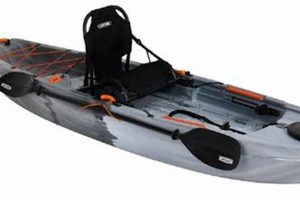
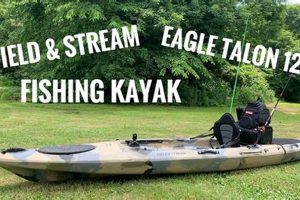
Kayaks designed specifically for fishing offer features like rod holders, tackle storage, and enhanced stability. Sit-on-top kayaks are generally preferred for their self-bailing capabilities and ease of entry and exit. Hull design considerations depend on the intended fishing environment and target species.
Question 3: What essential safety equipment should one carry while kayak fishing?
A personal flotation device (PFD) is paramount. Additional safety essentials include a whistle, signaling device, first-aid kit, and communication device. Informing someone of fishing plans and estimated return time is also crucial.
Question 4: How does one manage wind and current effectively while kayak fishing?
Understanding wind and current patterns is essential. Effective paddling techniques, anchor deployment, and drift management strategies allow anglers to maintain desired positions and present lures effectively despite these environmental influences.
Question 5: What are the key considerations for selecting appropriate fishing tackle for a kayak?
Shorter, lighter rods and reels are generally preferred for maneuverability within the kayak’s confined space. Line, leader, and lure choices depend on target species and fishing conditions. Effective tackle organization is crucial for easy access to gear.
Question 6: How does one land a fish safely and efficiently from a kayak?
Using a net or lip grip facilitates safe fish handling and minimizes stress on the fish. Maintaining kayak stability during the landing process is crucial. Practicing proper fish handling techniques ensures successful release or storage.
Careful consideration of these frequently asked questions enhances preparedness and promotes safe and successful kayak angling experiences.
The next section will provide a comprehensive guide to essential kayak fishing gear and equipment selection.
Hook One Kayak Fishing
Successfully landing a fish from a kayakhooking onerepresents a culmination of skill, preparation, and respect for the aquatic environment. This pursuit necessitates a nuanced understanding of specialized equipment, refined techniques, and an unwavering commitment to safety. From the selection of a stable platform and precise boat control to the strategic deployment of tackle and mastery of drift management, each element contributes to the angler’s potential for success. Effective fish landing and adherence to stringent safety protocols further solidify the responsible kayak angler’s approach. Furthermore, embracing environmentally sound practices ensures the preservation of aquatic ecosystems, safeguarding the future of this rewarding pursuit.
The information presented serves as a comprehensive foundation for navigating the intricacies of kayak angling. Continued learning, practical experience, and an unwavering dedication to responsible angling practices will undoubtedly contribute to increased success and a deeper appreciation for the unique challenges and rewards inherent in hooking one from a kayak. The future of this dynamic fishing discipline relies on the collective commitment to ethical angling and the preservation of aquatic resources, ensuring its enduring appeal for generations to come.