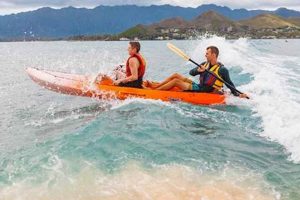
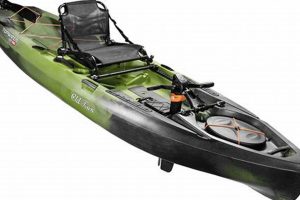
Coastal kayak angling is poised for evolution. Imagine lightweight, adaptable kayaks equipped with advanced fish-finding technology and propelled by electric motors, allowing anglers to explore farther offshore with minimal physical exertion. Picture drones assisting in locating schools of fish and delivering bait, while smart fishing rods provide real-time data on water conditions and fish behavior. These advancements, combined with sustainable fishing practices, offer a glimpse into the potential of the sport.
This evolution offers numerous advantages, including increased accessibility for individuals with physical limitations, enhanced fishing efficiency, and a deeper understanding of marine ecosystems. Historically, coastal kayak fishing has been limited by human physical capacity and basic equipment. Technological advancements are poised to break down these barriers, creating new opportunities for both recreational and competitive anglers, while promoting conservation efforts through data collection and responsible fishing practices.
The following sections will explore specific technological innovations, discuss the environmental impact of these changes, and analyze the potential societal implications of this evolving sport, including its impact on local economies and coastal communities.
Tips for Enhanced Coastal Kayak Angling
Preparation and awareness are critical for successful and safe kayak fishing excursions. The following tips provide guidance for maximizing angling opportunities while prioritizing safety and environmental responsibility.
Tip 1: Research and Plan: Thoroughly investigate potential fishing locations, considering tides, currents, weather forecasts, and local regulations. Consult nautical charts and online resources for information on access points, potential hazards, and species-specific fishing seasons.
Tip 2: Prioritize Safety Equipment: Always wear a personal flotation device (PFD) and carry essential safety gear, including a whistle, flares, a first-aid kit, and a communication device. Ensure the kayak is equipped with proper lighting and reflective elements for increased visibility.
Tip 3: Utilize Technology Strategically: Leverage fish-finding technology, GPS navigation, and weather apps to enhance fishing success and ensure safe navigation. Research and understand the capabilities of available technology before embarking on a fishing trip.
Tip 4: Practice Sustainable Fishing: Adhere to local fishing regulations, including size and catch limits. Employ catch-and-release practices whenever possible and handle fish with care to minimize stress and injury. Dispose of fishing line and other waste responsibly.
Tip 5: Master Kayak Handling: Develop proficient paddling skills and practice maneuvering the kayak in various water conditions. Consider taking a kayak fishing course to learn essential techniques and safety procedures.
Tip 6: Understand Local Ecosystems: Familiarize oneself with the local marine environment, including common fish species, their habitats, and preferred bait. This knowledge enhances fishing effectiveness and promotes responsible angling practices.
Tip 7: Pack Appropriately: Bring sufficient food and water for the duration of the trip, along with appropriate clothing for changing weather conditions. Pack gear in waterproof bags and secure it within the kayak to prevent loss or damage.
By adhering to these guidelines, anglers can enhance their fishing experience while prioritizing safety and environmental stewardship, ensuring the long-term health and enjoyment of coastal kayak angling.
These preparatory steps lay the foundation for a successful and rewarding kayak fishing adventure. The concluding section will offer insights into future trends and the evolving landscape of this exciting sport.
1. Advanced Kayak Designs

Advanced kayak designs represent a pivotal aspect of the future of beach kayak fishing, directly impacting angler capabilities and the overall experience. These advancements focus on enhanced performance, improved stability, increased comfort, and integration with evolving technologies. Exploration of these facets reveals the transformative potential of kayak design in shaping the future of the sport.
- Lightweight and Durable Materials
The utilization of advanced materials like carbon fiber and specialized polymers offers significant weight reduction without compromising structural integrity. This translates to improved maneuverability, easier transportation, and reduced physical strain on the angler. Lighter kayaks also enable faster paddling speeds and greater responsiveness in varying water conditions, crucial for navigating challenging coastal environments. This shift toward lighter, more robust materials is revolutionizing kayak construction and performance.
- Ergonomic Design and Customization
Ergonomically designed seating systems, adjustable footrests, and customizable layouts enhance angler comfort and reduce fatigue during extended fishing trips. Features like integrated rod holders, tackle storage compartments, and electronic mounts improve organization and streamline fishing operations. These design considerations prioritize angler comfort and efficiency, enabling longer, more productive fishing excursions.
- Enhanced Stability and Hull Designs
Innovative hull designs, including multi-chine configurations and specialized outriggers, offer improved stability, especially in challenging conditions like surf zones and choppy waters. Increased stability is crucial for anglers casting lines, reeling in fish, and maneuvering in dynamic coastal environments. These advancements minimize the risk of capsizing and provide a more secure and stable platform for fishing activities.
- Propulsion Systems Integration
Integrating pedal-powered systems and electric motors into kayak designs expands the angler’s range and reduces physical exertion, especially beneficial for longer trips or when battling currents and winds. Electric motors allow for precise positioning and trolling capabilities, while pedal drives offer a hands-free fishing experience. These advancements are enhancing the versatility and efficiency of kayak fishing in diverse coastal environments.
These advancements in kayak design collectively contribute to a more efficient, comfortable, and accessible beach kayak fishing experience. The integration of these features with emerging technologies further enhances angling capabilities and promotes responsible engagement with the marine environment, ultimately shaping the future of this evolving sport.
2. Integrated Technology

Technological integration stands as a transformative force in beach kayak fishing, fundamentally altering how anglers interact with the marine environment and pursue their quarry. This integration encompasses several key areas, including fish-finding technology, communication and navigation systems, and data analysis tools. These advancements enhance angling effectiveness, improve safety, and contribute to a more informed and responsible fishing experience.
Advanced sonar systems integrated into kayaks provide real-time underwater mapping, fish location data, and bottom structure analysis. GPS technology facilitates precise navigation, waypoint marking, and tracking of fishing routes. Smart fishing rods equipped with sensors relay information on fish behavior, line tension, and water temperature directly to connected devices. These technological advancements offer unprecedented insights into the underwater world, empowering anglers with data-driven decision-making capabilities. For example, real-time water temperature data informs lure selection and fishing depth, while sonar imaging aids in identifying promising fishing locations. This data-driven approach enhances efficiency and reduces reliance on traditional, less precise methods.
The seamless integration of technology into beach kayak fishing necessitates careful consideration of user interfaces, power management, and data security. Intuitive displays and controls minimize distractions, allowing anglers to focus on the fishing experience while maximizing the benefits of integrated technology. Efficient power management solutions, such as solar charging and optimized battery systems, are crucial for extended trips. Data security measures protect sensitive fishing location data and contribute to responsible resource management. By addressing these challenges, technology integration enhances the overall fishing experience while promoting sustainable angling practices and ensuring the long-term health of marine ecosystems.
3. Sustainable Practices

The future of beach kayak fishing is inextricably linked to the adoption and implementation of sustainable practices. Preserving the health of marine ecosystems is not just an ethical imperative but a practical necessity for the long-term viability of the sport. Sustainable practices ensure the continued abundance of fish populations, protect fragile coastal habitats, and minimize the environmental impact of angling activities. The following facets illuminate key components of a sustainable approach to beach kayak fishing.
- Catch-and-Release Fishing
Prioritizing catch-and-release fishing minimizes the impact on fish populations and contributes to the preservation of healthy ecosystems. Proper handling techniques, including the use of barbless hooks and wet hands, reduce stress and injury to fish, maximizing their chances of survival upon release. Educating anglers on best practices for catch-and-release fishing is crucial for fostering a culture of responsible angling and ensuring the long-term sustainability of the sport.
- Responsible Waste Management
Minimizing waste and adhering to Leave No Trace principles are essential for protecting coastal environments. Proper disposal of fishing line, hooks, and other gear prevents entanglement of marine life and reduces pollution. Utilizing reusable containers and avoiding single-use plastics minimizes the accumulation of debris in waterways and on shorelines. Promoting responsible waste management practices among anglers contributes significantly to the preservation of pristine coastal ecosystems.
- Respect for Wildlife and Habitats
Respectful interaction with wildlife and their habitats is paramount for maintaining healthy coastal ecosystems. Avoiding disturbance of nesting birds, marine mammals, and other wildlife is crucial for their survival and reproductive success. Minimizing contact with sensitive habitats like seagrass beds and coral reefs prevents damage and preserves their ecological integrity. Educating anglers on the importance of respectful wildlife interaction fosters a deeper appreciation for the natural environment and contributes to its long-term preservation.
- Advocacy and Stewardship
Active participation in conservation efforts and advocacy for responsible fishing regulations are essential for ensuring the future of beach kayak fishing. Supporting organizations dedicated to marine conservation and habitat restoration amplifies the impact of individual actions. Engaging in citizen science initiatives, such as data collection on fish populations and water quality, provides valuable information for resource management and conservation efforts. By actively participating in stewardship activities, anglers contribute to the long-term health and sustainability of the sport they enjoy.
These sustainable practices represent a fundamental shift in the ethos of beach kayak fishing, moving beyond mere recreation towards active environmental stewardship. By embracing these principles, anglers contribute not only to the preservation of marine ecosystems but also to the long-term viability and enjoyment of the sport for future generations. This commitment to sustainability ensures that the thrill of the catch remains intertwined with the responsibility of preserving the natural world that makes it possible.
4. Enhanced Safety Measures
Enhanced safety measures are integral to the future of beach kayak fishing, ensuring the continued enjoyment and accessibility of the sport while mitigating inherent risks associated with the marine environment. The evolution of safety protocols and technologies directly impacts angler preparedness, emergency response effectiveness, and overall risk reduction. This connection between safety and the future of the sport necessitates a comprehensive approach encompassing personal responsibility, technological advancements, and community collaboration.
Technological advancements offer significant potential for enhancing safety in beach kayak fishing. Personal Locator Beacons (PLBs) enable rapid communication with emergency services in distress situations, providing crucial location data for timely rescue operations. Automatic inflatable PFDs offer enhanced protection in the event of capsizing, even for unconscious anglers. Integrated VHF radios facilitate communication with other boaters and coastal authorities, enhancing situational awareness and enabling coordinated responses to emergencies. Furthermore, advancements in weather forecasting and real-time marine condition monitoring provide anglers with critical information for informed decision-making regarding trip planning and risk assessment. For instance, access to real-time wave height and current data allows for more accurate predictions of potential hazards and informed decisions about launch locations and fishing areas. These technological advancements represent a proactive approach to safety, minimizing risks and enhancing preparedness in dynamic coastal environments.
The future of beach kayak fishing relies on a multifaceted approach to safety, combining personal responsibility with technological advancements and community support. Educating anglers on safe paddling techniques, navigation skills, and emergency procedures empowers them to make informed decisions and react effectively in challenging situations. Promoting the use of safety equipment and adherence to established protocols builds a culture of safety within the angling community. Collaboration with coastal authorities, search and rescue organizations, and local communities enhances emergency response capabilities and strengthens the overall safety network. This integrated approach to safety ensures that beach kayak fishing remains an enjoyable and accessible pursuit while mitigating the inherent risks associated with the marine environment. The prioritization of safety fosters confidence among anglers, promotes responsible participation, and contributes to the long-term sustainability and growth of the sport.
5. Accessibility Improvements

Accessibility improvements represent a crucial aspect of the future of beach kayak fishing, broadening participation and ensuring inclusivity within the sport. Historically, physical limitations have posed barriers to entry for individuals with disabilities or mobility challenges. Advancements in kayak design, adaptive equipment, and supportive infrastructure are dismantling these barriers, creating opportunities for a wider range of individuals to experience the joys of kayak fishing. The evolution of accessible kayak fishing fosters a more inclusive and diverse angling community, enriching the sport for all participants.
Adaptive kayak designs, incorporating features like specialized seating systems, outriggers for enhanced stability, and accessible launch and retrieval systems, are transforming the possibilities for anglers with disabilities. Lightweight, easily transportable kayaks reduce the physical demands of handling and launching, expanding access for individuals with limited strength or mobility. Electric motors and pedal-powered propulsion systems further enhance accessibility, allowing anglers to cover greater distances and navigate challenging waters with reduced physical exertion. For instance, individuals with limited upper body strength can utilize pedal drives to propel their kayaks, while those with mobility impairments benefit from specialized seating and transfer systems. The development and implementation of accessible infrastructure, including ramps, docks, and adaptive fishing platforms, further enhance inclusivity and create welcoming environments for anglers of all abilities. These advancements collectively break down physical barriers and create pathways for greater participation in the sport, fostering a more diverse and inclusive angling community.
The increasing accessibility of beach kayak fishing offers numerous benefits, extending beyond individual empowerment to encompass broader societal impacts. Increased participation fosters a sense of community and shared experience among anglers of diverse backgrounds and abilities. Accessible fishing programs and adaptive sports organizations create opportunities for social interaction, skill development, and therapeutic recreation. The economic benefits of increased participation extend to local communities, supporting tourism, equipment sales, and related services. Furthermore, the emphasis on accessibility promotes a more inclusive and equitable approach to outdoor recreation, fostering greater appreciation for the natural environment and promoting responsible stewardship. The continued development and implementation of accessibility improvements are essential for ensuring the long-term growth and sustainability of beach kayak fishing, enriching the sport for all who seek to experience its unique rewards.
6. Data-Driven Angling

Data-driven angling represents a paradigm shift in beach kayak fishing, transitioning from traditional, experience-based approaches to informed decision-making powered by real-time data analysis. This integration of technology and data analytics empowers anglers with unprecedented insights into marine environments, fish behavior, and environmental factors, ultimately enhancing fishing success and promoting sustainable practices. The increasing reliance on data is reshaping the landscape of beach kayak fishing, offering new possibilities for optimizing angling strategies and contributing to a deeper understanding of marine ecosystems.
- Real-time Environmental Monitoring
Real-time data on water temperature, salinity, current speed, and wave height provide anglers with a comprehensive understanding of prevailing conditions, enabling them to make informed decisions about location selection, bait choice, and fishing techniques. Access to this data through integrated kayak displays or connected mobile devices allows for dynamic adjustments to fishing strategies based on evolving environmental factors. For example, real-time current data informs drift fishing techniques, optimizing bait presentation and targeting specific areas with higher probability of fish activity. This data-driven approach minimizes reliance on guesswork and maximizes the efficiency of fishing efforts.
- Species-Specific Behavior Analysis
Data analysis tools coupled with fish-finding technologies provide insights into species-specific behavior patterns, including feeding times, preferred habitats, and movement corridors. Understanding these patterns enables anglers to target specific species more effectively, optimizing bait presentation and fishing location based on known behavioral preferences. For instance, data analysis of historical fishing logs correlated with environmental factors can reveal optimal fishing times and locations for targeted species. This targeted approach enhances fishing success while minimizing bycatch and reducing the overall impact on fish populations.
- Predictive Modeling for Optimal Fishing Conditions
Predictive modeling algorithms analyze historical fishing data, environmental variables, and species-specific behavior patterns to forecast optimal fishing conditions. These models provide anglers with probabilistic predictions of successful fishing outcomes based on a combination of factors, enhancing pre-trip planning and maximizing the likelihood of a productive fishing experience. For example, a predictive model might suggest optimal fishing times and locations based on projected water temperature, tidal currents, and historical catch data for a specific species. This predictive capability empowers anglers to make informed decisions about when and where to fish, increasing their chances of success.
- Conservation and Resource Management
Data collected through angler activity, including catch logs, species observations, and environmental data, contribute valuable information for conservation efforts and resource management. Aggregating and analyzing this data provides insights into fish population dynamics, the impact of environmental changes on marine ecosystems, and the effectiveness of conservation strategies. This collaborative data-driven approach empowers fisheries managers and conservation organizations with valuable real-world data, informing decision-making and promoting sustainable resource management practices. For example, angler-reported catch data can reveal trends in fish populations, alerting researchers to potential declines or shifts in species distribution. This information contributes to adaptive management strategies and ensures the long-term health of marine ecosystems.
Data-driven angling is transforming beach kayak fishing, empowering anglers with unprecedented insights and enhancing the overall experience. This shift towards data-informed decision-making not only improves fishing success but also contributes to sustainable fishing practices and a deeper understanding of marine ecosystems. The integration of technology and data analytics positions beach kayak fishing for continued evolution, fostering a more informed, efficient, and responsible approach to enjoying the sport while preserving the natural environment for future generations.
7. Eco-Tourism Integration

Eco-tourism integration represents a significant opportunity for the future of beach kayak fishing, aligning the sport with sustainable tourism principles and contributing to the economic viability of coastal communities while minimizing environmental impact. This integration focuses on responsible angling practices, educational opportunities, and community partnerships, fostering a mutually beneficial relationship between tourism and environmental conservation. The connection between eco-tourism and beach kayak fishing hinges on promoting responsible engagement with the natural environment, generating economic benefits for local communities, and raising awareness about the importance of marine ecosystem preservation.
Guided kayak fishing tours led by certified eco-tour operators offer anglers unique experiences while promoting sustainable fishing practices. These tours emphasize catch-and-release fishing, proper handling techniques, and respect for wildlife and habitats. Educational components integrated into these tours provide insights into local ecosystems, fish species identification, and the importance of conservation efforts. For example, a guided tour might include a presentation on local mangrove ecosystems and their role in supporting fish populations. Furthermore, partnerships between kayak fishing operators, local businesses, and conservation organizations create synergistic opportunities for economic development and environmental stewardship. A portion of tour proceeds can be directed towards local conservation initiatives, supporting habitat restoration projects or educational programs. This collaborative approach ensures that tourism revenue directly contributes to the preservation of the natural resources that underpin the industry. In Costa Rica, for example, community-based kayak fishing tours provide sustainable livelihoods for local residents while supporting mangrove conservation and sea turtle protection initiatives. This model demonstrates the potential for eco-tourism to generate positive social and environmental outcomes.
Successful eco-tourism integration hinges on responsible planning, community engagement, and ongoing monitoring. Developing carrying capacity guidelines for beach kayak fishing areas prevents overcrowding and minimizes disturbance to wildlife. Engaging local communities in the planning and implementation of eco-tourism initiatives ensures that tourism activities align with community values and contribute to local economic development. Implementing monitoring programs to assess the environmental impact of kayak fishing activities and track the effectiveness of conservation measures provides valuable data for adaptive management strategies. Addressing potential challenges, such as balancing economic development with environmental protection and ensuring equitable distribution of tourism benefits, is crucial for maximizing the positive impacts of eco-tourism integration. By embracing a holistic and sustainable approach, eco-tourism can play a vital role in shaping the future of beach kayak fishing, fostering responsible angling practices, supporting local communities, and preserving the natural beauty and ecological integrity of coastal environments for generations to come.
Frequently Asked Questions
This section addresses common inquiries regarding the evolution of coastal kayak angling, providing concise and informative responses.
Question 1: How will technological advancements impact the affordability of kayak fishing?
While some advanced technologies may initially be expensive, increased production and market competition are anticipated to drive down costs over time, increasing accessibility for a wider range of anglers. Furthermore, anglers can choose to adopt technologies incrementally, allowing for gradual integration based on individual budgets and fishing priorities.
Question 2: What are the potential environmental concerns associated with increased kayak fishing activity?
Increased participation necessitates a heightened focus on responsible angling practices. Promoting catch-and-release fishing, responsible waste management, and respect for wildlife and habitats are crucial for minimizing the environmental impact of increased kayak fishing activity. Educational initiatives and community partnerships play a vital role in fostering environmental stewardship among anglers.
Question 3: How can individuals contribute to the sustainable development of kayak fishing?
Individuals can contribute by adhering to local fishing regulations, practicing catch-and-release fishing whenever possible, minimizing waste, and respecting wildlife and their habitats. Supporting conservation organizations dedicated to protecting marine ecosystems and participating in citizen science initiatives further amplify individual contributions.
Question 4: Will technological advancements diminish the skill and challenge associated with kayak fishing?
While technology can enhance efficiency, the core skills of kayak handling, fish identification, and bait presentation remain essential for successful angling. Technology serves as a tool to augment these skills, not replace them, allowing anglers to refine their techniques and deepen their understanding of the marine environment.
Question 5: How will the increasing popularity of kayak fishing affect access to fishing locations?
Increased participation may necessitate the implementation of access management strategies to prevent overcrowding and minimize environmental impact at popular fishing locations. Collaborative efforts between anglers, land managers, and local communities are crucial for developing sustainable access solutions that balance recreational opportunities with resource protection.
Question 6: What role does education play in the future of kayak fishing?
Education is paramount for promoting responsible angling practices, fostering environmental stewardship, and ensuring the long-term sustainability of the sport. Educational initiatives targeting anglers, community members, and policymakers contribute to informed decision-making, responsible resource management, and the preservation of healthy marine ecosystems.
Addressing these concerns proactively through responsible development and community engagement ensures the continued enjoyment and sustainability of coastal kayak angling for future generations.
The subsequent section will delve into specific case studies and real-world examples of sustainable kayak fishing initiatives, illustrating the practical application of these principles.
Coastal Kayak Angling
Coastal kayak angling stands poised for a transformative evolution, driven by technological advancements, a growing emphasis on sustainability, and increasing accessibility. The integration of advanced kayak designs, sophisticated electronics, and data-driven strategies promises to enhance angling experiences while demanding a heightened commitment to responsible environmental stewardship. Expanding accessibility initiatives are broadening participation, fostering a more inclusive and diverse angling community. The convergence of these factors presents both opportunities and challenges, requiring proactive measures to ensure the long-term health and sustainability of the sport.
The future of coastal kayak angling hinges on a collective commitment to responsible practices, innovative solutions, and collaborative stewardship. Embracing sustainable fishing techniques, minimizing environmental impact, and actively participating in conservation efforts are crucial for preserving the delicate balance of marine ecosystems. By navigating these evolving waters with foresight and responsibility, the legacy of coastal kayak angling can be secured for generations to come, ensuring that the thrill of the catch remains harmoniously intertwined with the preservation of our natural world.