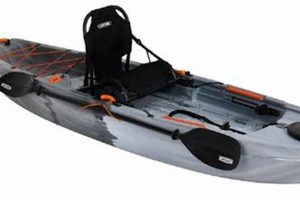
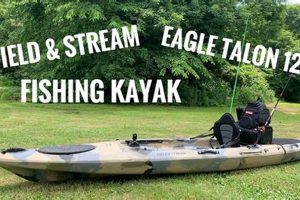
A small, human-powered vessel designed for angling in the waters around New York City’s Brooklyn borough offers a unique way to experience urban fishing. These vessels are typically compact and maneuverable, allowing anglers to access shallower areas and navigate tighter spaces within the boroughs diverse waterways, from Jamaica Bay to the East River.
This mode of fishing provides several advantages. Its compact size and portability facilitate easy transport and launch, eliminating the need for boat ramps or trailers often required for larger vessels. This accessibility opens up angling opportunities within the city’s limits, allowing residents and visitors to connect with nature and enjoy the recreational benefits of fishing. Historically, small boats have been essential for fishing in and around New York, and these modern, specialized craft continue that tradition. Their increasing popularity reflects a growing interest in urban outdoor activities and sustainable recreational practices.
Further exploration of this topic will cover specific features and types of appropriate watercraft, recommended fishing locations within the borough, relevant regulations, safety considerations, and the environmental impact of this increasingly popular activity.
Tips for Kayak Fishing in Brooklyn
Safe and successful kayak angling in Brooklyn requires careful planning and preparation. These tips offer guidance for a rewarding experience.
Tip 1: Choose the Right Kayak: Select a kayak designed for stability and fishing, typically a sit-on-top model. Consider features like rod holders, storage compartments, and anchor trolleys.
Tip 2: Research Regulations: Familiarize oneself with local fishing regulations, including licensing requirements, size and catch limits, and permitted fishing areas.
Tip 3: Prioritize Safety: Always wear a personal flotation device (PFD). Carry a whistle, signaling device, and first-aid kit. Inform someone of planned fishing locations and estimated return time.
Tip 4: Check Weather Conditions: Avoid fishing in adverse weather conditions, including strong winds, lightning storms, and rough waters. Monitor forecasts before heading out and be prepared to return to shore quickly if necessary.
Tip 5: Plan Your Route: Research potential fishing spots and plan a route that considers tides, currents, and potential hazards like boat traffic. Utilize navigational tools like charts and GPS devices.
Tip 6: Respect the Environment: Practice catch-and-release whenever possible. Dispose of fishing line and other waste responsibly. Avoid disturbing wildlife and sensitive habitats.
Tip 7: Pack Essential Gear: Bring appropriate fishing tackle, including rods, reels, lines, lures, and bait suitable for target species. Pack sunscreen, a hat, sunglasses, and water for hydration.
Careful planning and responsible practices enhance both safety and the overall fishing experience. These guidelines help ensure enjoyable and productive outings on Brooklyn’s waterways.
By adhering to these tips, anglers can contribute to a culture of safe and sustainable fishing in Brooklyn, preserving the natural beauty of its aquatic environments for future generations.
1. Kayak Selection

Kayak selection is paramount for a successful Brooklyn fishing experience. The chosen vessel directly impacts stability, maneuverability, and accessibility to fishing grounds. Brooklyn’s diverse waterways, ranging from calm inlets to open stretches of the East River, present varied conditions. A stable, purpose-built fishing kayak offers a secure platform for casting and reeling, especially in currents or choppy water. Maneuverability is crucial for navigating tight spaces, shallow areas, and areas with heavy boat traffic, all common in Brooklyn’s waters. Consider, for example, the difference between navigating Jamaica Bay’s shallows in a short, wide kayak versus a longer, narrower touring model. The former’s design provides superior stability and maneuverability in tight, shallow areas, while the latter might prove cumbersome. Similarly, a kayak’s weight and portability affect access. A lighter kayak simplifies transport and launch in areas with limited access points, a frequent scenario in an urban environment like Brooklyn.
Specific features further enhance a kayak’s suitability for fishing. Rod holders, integrated tackle storage, and anchor trolleys streamline the fishing process. Sit-on-top kayaks offer superior stability and ease of re-entry after an accidental capsize, a valuable safety consideration in open water. Built-in features like fish finders and GPS systems, while not essential, can significantly improve the fishing experience by aiding in locating fish and navigating safely. The choice between a pedal-powered kayak and a paddle kayak depends on individual preference and fishing style. Pedal kayaks offer hands-free fishing and increased speed, while paddle kayaks provide a quieter, more traditional experience, less likely to spook fish in shallow water.
Appropriate kayak selection significantly impacts safety and fishing success in Brooklyn. Choosing a kayak suited to the specific conditions and target fishing areas ensures a stable and efficient fishing platform. Careful consideration of features, portability, and the angler’s individual needs optimizes the overall experience, contributing to both enjoyment and safety on the water.
2. Fishing Gear

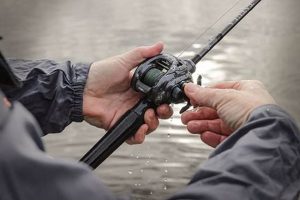
Fishing gear selection directly impacts success and enjoyment when kayak fishing in Brooklyn. The confined space and specialized nature of kayak fishing necessitate careful consideration of tackle and equipment choices. Rods, reels, lines, lures, and other accessories must be appropriate for target species and the specific fishing environment. For example, light tackle spinning gear proves effective for targeting striped bass in the East River, while heavier gear might be necessary for pursuing larger species in deeper sections of Jamaica Bay. Compactness and ease of use are critical factors. Shorter rods facilitate casting within a kayak’s limited space, while easily accessible tackle storage minimizes disruptions during fishing. Specialized kayak fishing gear, like rod holders and anchor trolleys, streamlines the angling process and maximizes efficiency.
Choosing appropriate fishing gear extends beyond simply matching tackle to target species. Consideration must also be given to the practicalities of kayak fishing. Saltwater environments necessitate corrosion-resistant equipment to withstand the harsh conditions. Tackle storage solutions tailored for kayaks ensure gear remains organized and readily available within the limited space. Examples include waterproof tackle boxes and specialized kayak crates designed to fit securely within the vessel. Furthermore, safety considerations influence gear choices. A sharp knife readily accessible for cutting fishing line becomes crucial for handling entangled lines or dealing with hooked fish. Similarly, pliers facilitate hook removal and contribute to safe fish handling. These seemingly small details significantly impact both safety and fishing success.
Effective kayak fishing in Brooklyn relies on carefully selected fishing gear tailored to the specific environment and target species. Compactness, ease of use, and corrosion resistance are crucial factors influencing gear choices. Specialized equipment, like rod holders and kayak-specific storage solutions, enhances efficiency and enjoyment. Prioritizing safety considerations through readily accessible tools like knives and pliers contributes to a responsible and productive fishing experience. Ultimately, the thoughtful selection of appropriate fishing gear transforms a potentially challenging experience into a rewarding and successful pursuit.
3. Safety Equipment

Safety equipment plays a crucial role in mitigating risks inherent in the Brooklyn kayak fishing environment. The borough’s waterways present specific hazards, including fluctuating tides, currents, and varying degrees of boat traffic. These dynamic conditions necessitate a proactive approach to safety. A personal flotation device (PFD), for example, constitutes essential protection in the event of capsizing, a possibility increased by unpredictable currents or wakes from passing vessels. A whistle or other signaling device enables communication in emergencies, particularly crucial in areas with limited cellular service. A waterproof first-aid kit addresses potential injuries ranging from minor cuts and abrasions to more serious issues requiring immediate attention. The combination of these elements forms a fundamental safety net against unforeseen circumstances. Consider a scenario where a kayak angler encounters strong, unexpected currents near the Verrazano-Narrows Bridge. A PFD ensures flotation and visibility, while a signaling device alerts nearby vessels to the angler’s situation, preventing potential collision or further difficulties.
Beyond the basic necessities, supplementary safety equipment enhances preparedness. A VHF radio facilitates communication with the Coast Guard and other boaters, crucial for relaying distress calls or receiving navigation updates. Navigation lights, especially during low-light conditions or nighttime fishing, increase visibility and prevent collisions. A bilge pump or bailing device quickly removes accumulated water in the kayak, maintaining stability and preventing potential swamping. Carrying a spare paddle addresses potential equipment failure, ensuring continued maneuverability. These additional measures transform a potentially hazardous situation into a manageable one. For instance, if a kayak takes on water due to unexpected waves in Jamaica Bay, a bilge pump quickly removes the water, maintaining stability and preventing a more serious incident. The inclusion of these supplementary items significantly increases preparedness and resilience in unforeseen circumstances.
Comprehensive safety planning significantly reduces risks associated with kayak fishing in Brooklyn. The combination of essential safety gear, coupled with supplementary equipment tailored to the specific environment, maximizes preparedness for unpredictable circumstances. Regular equipment checks and familiarity with emergency procedures contribute to effective response strategies. Understanding the interplay between safety equipment and the local environment equips anglers to navigate potential hazards effectively and promotes a culture of responsible and safe fishing practices within the borough. This comprehensive approach to safety transforms potential risks into manageable challenges, fostering a safer and more enjoyable experience on the water.
4. Location Scouting

Effective location scouting is paramount for successful kayak fishing in Brooklyn. The borough’s diverse waterways offer a range of fishing environments, each with unique characteristics influencing species presence, accessibility, and potential hazards. Thorough pre-fishing reconnaissance maximizes fishing success and ensures angler safety.
- Species Targeting
Different locations within Brooklyn attract various fish species. Researching target species’ preferred habitats and seasonal movements informs location choices. For example, striped bass frequent the faster currents around the Brooklyn Bridge, while flounder prefer the calmer, shallower flats of Jamaica Bay. Understanding these nuances allows anglers to select locations optimized for target species.
- Accessibility Considerations
Brooklyn’s shoreline varies significantly in accessibility. Some areas offer convenient launch points, while others require longer portages or present challenging terrain. Evaluating launch site accessibility, parking availability, and potential obstacles like bulkheads or private property ensures smooth entry and exit. For instance, launching from a designated kayak launch in Brooklyn Bridge Park provides easy access, while launching from a less developed shoreline area might require carrying the kayak over rocks or navigating steep banks.
- Hazard Identification
Identifying potential hazards is critical for safe kayak fishing. Brooklyn’s waterways contain varying degrees of boat traffic, ranging from recreational vessels to commercial ships. Strong currents, particularly around bridges and inlets, present additional challenges. Scouting locations beforehand allows anglers to identify areas with heavy boat traffic, swift currents, or submerged obstacles, enabling informed route planning and hazard avoidance. For example, understanding the tidal currents around the Verrazano-Narrows Bridge is crucial for navigating safely and avoiding dangerous situations.
- Regulations and Restrictions
Certain areas within Brooklyn’s waterways may have fishing restrictions or closures due to environmental protection, navigational safety, or other factors. Researching local regulations, including permitted fishing areas, licensing requirements, and catch limits, ensures compliance and avoids potential penalties. Consulting resources like the New York State Department of Environmental Conservation website provides up-to-date information on fishing regulations specific to Brooklyn’s waterways.
Careful location scouting maximizes both safety and fishing success in Brooklyn. Understanding the interplay between species distribution, accessibility, potential hazards, and local regulations informs location choices and enhances the overall kayak fishing experience. Thorough pre-fishing planning transforms potential challenges into manageable factors, contributing to productive and enjoyable outings on the water.
5. Regulations Awareness
Regulations awareness forms a critical component of responsible kayak fishing within Brooklyn. Local, state, and federal regulations govern fishing activities to ensure sustainable resource management and protect the aquatic environment. These regulations encompass licensing requirements, catch limits for specific species, permitted fishing seasons, and designated areas where fishing is restricted or prohibited. Ignoring these regulations carries potential legal consequences, including fines and suspension of fishing privileges. Moreover, a lack of awareness can inadvertently contribute to environmental damage through overfishing or disruption of sensitive habitats. For instance, fishing for striped bass during closed seasons disrupts their spawning cycles and negatively impacts population sustainability. Similarly, exceeding catch limits depletes fish stocks and undermines the long-term health of the ecosystem. Understanding and adhering to regulations demonstrates respect for the environment and contributes to the preservation of Brooklyn’s aquatic resources for future generations.
Practical applications of regulations awareness include obtaining the necessary fishing licenses and permits before venturing out on the water. Resources like the New York State Department of Environmental Conservation website provide comprehensive information on licensing procedures, catch limits, and seasonal regulations. Familiarizing oneself with specific regulations relevant to target species and intended fishing locations ensures compliance. Carrying a printed copy of these regulations while fishing serves as a readily accessible reference. Furthermore, staying informed about any temporary closures or emergency regulations, often communicated through local fishing organizations or government announcements, prevents unintentional violations. This proactive approach to regulations awareness demonstrates responsible angling practices and contributes to a culture of compliance within the Brooklyn fishing community.
Regulations awareness safeguards both the environment and the future of kayak fishing in Brooklyn. Understanding and adhering to these guidelines ensures sustainable resource management, protects sensitive habitats, and fosters a culture of responsible angling. This proactive approach benefits not only the aquatic ecosystem but also the long-term enjoyment of recreational fishing opportunities within the borough. By prioritizing regulations awareness, kayak anglers actively contribute to the preservation of Brooklyn’s unique aquatic environment and ensure the sustainability of this cherished recreational activity.
6. Environmental Impact
Kayak fishing, while a low-impact activity compared to motorized boating, presents potential environmental consequences within the Brooklyn ecosystem. Understanding these impacts and adopting responsible practices ensures the long-term health of the waterways and preserves the recreational value of the area.
- Disturbance of Wildlife
Kayaks, due to their quiet operation and ability to access shallow areas, can inadvertently disturb wildlife. Birds nesting in shoreline vegetation, for example, may be flushed from their nests by approaching kayaks. Similarly, fish in shallow spawning areas can be stressed by close proximity to human activity. Minimizing speed and maintaining a respectful distance from wildlife minimizes disturbance and preserves natural behaviors. Quiet paddling and avoiding sudden movements contribute significantly to reducing disturbances in sensitive habitats.
- Pollution from Fishing Tackle
Discarded fishing line poses a significant threat to marine life. Birds and fish can become entangled in discarded line, leading to injury or death. Lost or discarded hooks and sinkers contribute to heavy metal contamination in the water. Retrieving broken lines and properly disposing of used tackle minimizes these risks. Carrying a small container for discarded line and using biodegradable fishing weights further reduce environmental impact. Promoting “leave no trace” principles within the kayak fishing community fosters a culture of environmental stewardship.
- Habitat Degradation
Improper anchoring techniques can damage sensitive habitats like seagrass beds and coral reefs, which serve as vital nurseries and feeding grounds for many aquatic species. Using appropriate anchoring methods, such as sand anchors or drift socks, minimizes physical damage to the seabed. Avoiding anchoring in ecologically sensitive areas altogether further protects these vulnerable habitats. Educating kayak anglers about proper anchoring practices promotes responsible interaction with the aquatic environment.
- Introduction of Invasive Species
Kayaks can inadvertently transport invasive species, such as aquatic plants or small invertebrates, between different bodies of water. Thoroughly cleaning kayaks and fishing gear after each outing removes attached organisms and prevents their spread to new locations. Inspecting and rinsing kayaks and equipment, particularly in areas known to harbor invasive species, safeguards the ecological integrity of Brooklyn’s waterways.
Minimizing the environmental footprint of kayak fishing in Brooklyn necessitates a proactive approach. Responsible angling practices, informed by an understanding of potential ecological impacts, contribute to the long-term health and sustainability of the borough’s valuable aquatic resources. By prioritizing environmental stewardship, kayak anglers can ensure the preservation of these unique ecosystems for future generations while continuing to enjoy the recreational benefits of fishing. This mindful approach fosters a harmonious relationship between recreational activity and environmental preservation.
7. Trip Planning
Thorough trip planning is essential for a safe and successful Brooklyn kayak fishing excursion. The urban environment presents unique logistical challenges and potential hazards, necessitating careful consideration of factors ranging from launch site accessibility to emergency preparedness. Effective planning transforms potential difficulties into manageable elements, enhancing both safety and enjoyment on the water.
- Launch Site Selection & Logistics
Brooklyn’s shoreline varies considerably in accessibility. Some locations offer convenient kayak launches with ample parking, while others require navigating public transportation or carrying kayaks considerable distances. Planning involves identifying suitable launch sites based on target fishing areas, evaluating parking availability, and considering transportation logistics. For example, launching from a designated kayak launch in Brooklyn Bridge Park offers easy access and parking, while launching from a less developed shoreline area might require a longer walk or alternative transportation arrangements.
- Tide and Current Predictions
Brooklyn’s waterways are influenced by significant tidal fluctuations and currents, impacting both navigation and fishing success. Consulting tide charts and current predictions before embarking is crucial for planning routes, avoiding hazardous areas with strong currents, and optimizing fishing strategies. For example, fishing around the Verrazano-Narrows Bridge requires careful consideration of tidal currents, as strong flows can create challenging paddling conditions. Planning around slack tide, the period of minimal current, enhances safety and maneuverability.
- Weather Forecasting & Contingency Plans
Weather conditions can change rapidly in Brooklyn, impacting both safety and comfort. Checking marine weather forecasts before heading out is crucial, and developing contingency plans for unexpected changes in weather ensures preparedness. For instance, if strong winds or thunderstorms are predicted, postponing the trip or identifying alternative, sheltered fishing locations becomes essential. Carrying appropriate rain gear and staying informed about changing weather conditions during the trip contribute to safe and comfortable fishing.
- Emergency Preparedness & Communication
Brooklyn’s urban environment presents unique safety considerations. While proximity to emergency services offers advantages, factors like heavy boat traffic and limited cell service in certain areas necessitate specific preparations. Informing someone of the planned fishing route and estimated return time establishes a communication baseline. Carrying a VHF radio, signaling devices, and a fully charged mobile phone with a waterproof case enhances emergency communication capabilities. Familiarity with local emergency contact information further ensures preparedness for unforeseen circumstances.
These trip planning facets contribute significantly to successful and safe kayak fishing in Brooklyn. Transforming potential challenges into manageable elements through careful planning enhances the overall fishing experience, fostering both enjoyment and responsibility on the water. The urban environment necessitates a proactive approach to safety and logistics, and meticulous trip planning ensures anglers can fully appreciate Brooklyn’s unique fishing opportunities.
Frequently Asked Questions
This section addresses common inquiries regarding kayak fishing in Brooklyn, providing concise and informative responses to facilitate informed decision-making and enhance safety and enjoyment on the water.
Question 1: What are the licensing requirements for fishing from a kayak in Brooklyn?
A valid New York State fishing license is required for individuals 16 years of age and older. Specific regulations regarding license types and requirements can be found on the New York State Department of Environmental Conservation website.
Question 2: Are there specific launch sites designated for kayaks in Brooklyn?
Several designated kayak launch sites exist throughout Brooklyn, including locations within Brooklyn Bridge Park and along Jamaica Bay. Additional access points may be available; however, confirming accessibility and legality prior to launching is essential. Local resources and online maps often provide information on designated launch areas.
Question 3: What safety precautions are recommended for kayak fishing in Brooklyn?
Wearing a personal flotation device (PFD) is paramount. Carrying a whistle, signaling device, first-aid kit, and communication device (VHF radio or mobile phone in a waterproof case) is strongly recommended. Informing someone of planned fishing locations and estimated return time is essential. Checking weather forecasts before departure and avoiding adverse weather conditions is crucial for safety.
Question 4: What types of fish can one expect to catch while kayak fishing in Brooklyn?
Brooklyn’s waters offer a diverse range of fish species, including striped bass, bluefish, flounder, fluke, and blackfish. Specific species prevalence varies depending on location, season, and prevailing environmental conditions. Researching target species and their preferred habitats enhances fishing success.
Question 5: Are there any restrictions on fishing locations or catch limits in Brooklyn?
Specific regulations govern fishing locations and catch limits within Brooklyn’s waters. Some areas may be designated as no-fishing zones or have specific restrictions during certain periods. Consulting official resources like the New York State Department of Environmental Conservation website provides up-to-date information on regulations and ensures compliance.
Question 6: What environmental considerations should kayak anglers keep in mind in Brooklyn?
Minimizing environmental impact is crucial. Responsible angling practices include proper disposal of fishing line and other waste, avoiding disturbance of wildlife and sensitive habitats, and adhering to catch-and-release guidelines when appropriate. Thoroughly cleaning kayaks and gear after each outing prevents the spread of invasive species.
Careful consideration of these frequently asked questions enhances preparedness, promotes responsible angling practices, and contributes to a safe and enjoyable kayak fishing experience in Brooklyn. Prioritizing safety, environmental awareness, and regulatory compliance ensures the preservation of this unique urban fishery.
Further exploration of specific aspects of kayak fishing in Brooklyn can provide a deeper understanding of this rewarding recreational pursuit. Specific topics may include detailed guides to fishing locations, species-specific fishing techniques, and advanced safety procedures for navigating the diverse waterways of this urban environment.
Conclusion
Exploration of kayak fishing within Brooklyn reveals a unique blend of urban recreation and environmental engagement. Careful equipment selection, adherence to safety protocols, and respect for existing regulations are critical for a rewarding and responsible experience. Understanding tidal influences, navigating diverse waterways, and minimizing environmental impact contribute to successful outings. The combination of these factors ensures both angler safety and the preservation of this valuable urban fishery.
Sustainable practices and informed decision-making are essential for the continued enjoyment of kayak fishing in Brooklyn. Promoting responsible angling within the community safeguards the delicate balance of this unique urban ecosystem. Continued exploration and education contribute to the preservation of these natural resources and the long-term viability of this distinctive recreational activity.