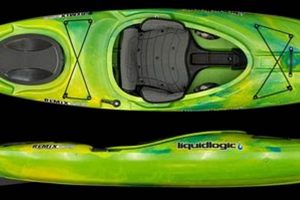
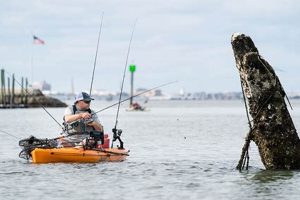
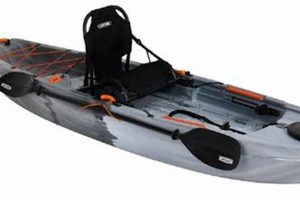
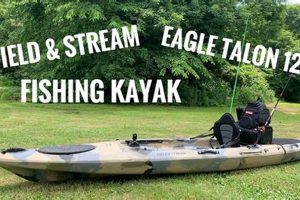
A compact, portable watercraft designed for anglers, this type of vessel combines the utility of a kayak with the convenience of portability. Imagine a boat capable of traversing lakes and rivers yet easily stored in a car trunk or closet. This innovative design offers a unique approach to fishing and recreational paddling.
The portability of these vessels opens up new possibilities for anglers and outdoor enthusiasts. They eliminate the need for roof racks or trailers, making transport significantly easier. This convenience also broadens access to remote fishing spots previously inaccessible with traditional, rigid kayaks. Moreover, advancements in materials and design have resulted in durable, high-performance options that rival the stability and maneuverability of their rigid counterparts. This emerging segment of the kayaking market caters to both seasoned fishermen and recreational paddlers seeking adventure without the logistical challenges of transporting a large, unwieldy boat.
This article will delve further into the specific features, advantages, and disadvantages of this innovative watercraft design, exploring various models, materials, and considerations for prospective buyers. It will also address essential topics such as assembly, maintenance, and safety precautions to ensure an enjoyable and safe experience on the water.
Tips for Selecting and Using a Collapsible Fishing Kayak
Careful consideration of several factors contributes to a successful and enjoyable experience with portable, foldable kayaks designed for fishing. The following tips offer guidance for both selection and usage.
Tip 1: Prioritize Hull Design and Material: The hull design significantly influences stability and tracking in the water. Consider a flat-bottomed hull for maximum stability in calm waters, while a V-shaped hull offers better tracking and performance in choppy conditions. Durable, puncture-resistant materials such as high-grade PVC or reinforced fabrics are crucial for longevity and safety.
Tip 2: Assess Weight Capacity and Portability: Ensure the kayak’s weight capacity accommodates the combined weight of the paddler, fishing gear, and potential catch. Evaluate the packed size and weight of the folded kayak for ease of transport and storage.
Tip 3: Consider Storage and Organization: Ample storage space for tackle boxes, rods, and other fishing essentials is paramount. Look for models with integrated storage compartments, rod holders, and accessory mounts.
Tip 4: Practice Assembly and Disassembly: Familiarize oneself with the assembly process before heading out on the water. Practice several times to ensure a smooth and efficient setup upon arrival at the fishing destination.
Tip 5: Choose Appropriate Paddles and Personal Flotation Device (PFD): Select paddles designed for kayak fishing, offering the correct length and blade shape for optimal performance. Always wear a properly fitted PFD for safety.
Tip 6: Check Local Regulations and Water Conditions: Be aware of any specific regulations regarding watercraft usage and fishing permits in the intended area. Always check weather forecasts and water conditions before embarking on a fishing trip.
Tip 7: Maintain and Clean the Kayak Properly: Rinse the kayak thoroughly with fresh water after each use, particularly if used in saltwater. Properly dry and store the kayak according to the manufacturer’s instructions to ensure longevity.
By adhering to these guidelines, anglers can maximize their fishing experience with these convenient and versatile vessels, enjoying improved access to fishing locations and enhanced portability without compromising stability or performance.
This advice provides a foundation for making informed decisions regarding the selection, usage, and maintenance of a collapsible fishing kayak. The subsequent conclusion will summarize the key benefits and considerations discussed throughout this article.
1. Portability

Portability represents a defining characteristic of the folding fishing kayak, fundamentally altering the accessibility and practicality of kayak fishing. Traditional rigid kayaks necessitate cumbersome transportation, often requiring roof racks or trailers, limiting access to certain waterways and posing storage challenges. The folding design addresses these limitations, enabling transport in the trunk of a car, on public transport, or even on foot. This significantly expands the range of fishable locations, from remote mountain lakes to urban waterways. Consider an angler living in an apartment with limited storage. A folding kayak allows them to enjoy their passion without the constraints of storing and transporting a bulky rigid hull.
This enhanced portability translates to broader fishing opportunities. Imagine accessing a secluded cove previously unreachable by conventional kayak. The compact, foldable design enables exploration of diverse aquatic environments with minimal logistical burden. Furthermore, this portability facilitates multi-modal transportation. An angler could cycle to a train station, board with the folded kayak, and then hike to a remote lake, showcasing the unique flexibility this design offers. This seamless integration of transport and recreation significantly enhances the overall fishing experience.
In summary, the portability of the folding fishing kayak is a revolutionary feature that democratizes access to angling opportunities. It allows individuals to bypass traditional logistical barriers, expanding the scope of fishing experiences and enabling seamless integration with various modes of transportation. This key advantage underpins the growing popularity of folding kayaks among diverse angling communities, highlighting the practical significance of this innovative design.
2. Durability
Durability is a critical factor influencing the long-term viability and overall value of a folding fishing kayak. These vessels endure considerable stress from repeated folding, unfolding, transport, and exposure to various environmental conditions. A durable design ensures reliable performance over extended periods, minimizing the risk of failure in challenging environments. Materials such as heavy-duty PVC or reinforced fabrics, along with robust frame construction, contribute significantly to overall resilience. Consider a scenario where an angler navigates through shallow, rocky waters. A durable hull material resists punctures and abrasions, safeguarding against leaks and ensuring a safe return. The ability to withstand such rigors directly impacts the kayak’s lifespan and the user’s confidence in its performance.
Furthermore, durable construction minimizes maintenance requirements and associated costs. High-quality materials resist UV degradation, reducing the likelihood of material weakening and color fading. Robust seams and connections maintain their integrity, minimizing the need for repairs. For instance, reinforced stitching at stress points prevents tearing and extends the kayak’s usable life. This long-term durability represents a significant advantage, particularly for frequent users who rely on their equipment’s consistent performance. Investing in a durable folding fishing kayak translates to reduced maintenance time and expense, allowing more time on the water and less time on repairs.
In conclusion, durability directly correlates with the overall performance, lifespan, and value of a folding fishing kayak. Selecting a model constructed with robust materials and reinforced design elements is essential for ensuring a reliable and long-lasting investment. This contributes not only to enhanced safety and performance but also to reduced maintenance and increased longevity, maximizing the enjoyment and utility of the kayak over time. The long-term benefits of a durable design outweigh any potential initial cost differences, making it a paramount consideration for discerning buyers.
3. Stability
Stability is a paramount performance attribute in folding fishing kayaks, directly influencing safety and fishing efficacy. A stable platform enables anglers to cast, reel, and land fish without compromising balance, a crucial factor, especially in challenging conditions. Consider the scenario of hooking a large fish. A stable kayak allows the angler to focus on the fight, minimizing the risk of capsizing and maximizing control. Conversely, instability can lead to difficulties in casting accuracy, retrieving lures, and ultimately, a less successful and potentially dangerous fishing experience. The kayak’s design, including hull shape, width, and center of gravity, significantly impacts its stability. Wider hulls generally provide greater initial stability, while a lower center of gravity enhances secondary stability, crucial for recovering from disturbances.
Various design elements contribute to stability in folding fishing kayaks. Inflatable chambers, strategically positioned along the hull, provide inherent buoyancy and contribute to a stable platform. Rigid floor inserts further enhance stability, offering a solid base for standing or shifting weight. Outriggers, while less common, provide exceptional stability, particularly valuable for sight fishing or fly fishing. Understanding the relationship between design features and stability allows informed selection. For instance, an angler frequently fishing in choppy conditions might prioritize a wider hull and a lower center of gravity over a narrower, faster design. Similarly, an angler focused on stand-up fishing would benefit from a kayak with a rigid floor insert or optional outriggers.
In conclusion, stability is a non-negotiable element of a successful folding fishing kayak. It directly impacts not only fishing effectiveness but also user safety. A thorough understanding of the factors influencing stability, coupled with careful consideration of individual fishing styles and conditions, allows anglers to choose a kayak that maximizes both performance and safety on the water. Prioritizing stability ensures a comfortable and confident fishing experience, enabling anglers to focus on their technique and enjoy their time on the water without compromising safety.
4. Storage Capacity
Storage capacity is a critical consideration in folding fishing kayaks, directly impacting the practicality and enjoyment of fishing trips. Sufficient storage allows anglers to carry essential gear, including tackle boxes, rods, safety equipment, and personal items, enhancing both convenience and safety on the water. Limited storage can restrict the types of fishing possible, the duration of trips, and the overall preparedness for various on-the-water scenarios. This section explores the multifaceted aspects of storage capacity in folding fishing kayaks.
- Dedicated Storage Compartments:
Purpose-built compartments offer organized storage for specific items. A dedicated tackle box compartment keeps lures and tools readily accessible, while a dry storage hatch protects sensitive electronics and personal items from water damage. Consider an angler needing specific lures quickly; a well-organized tackle compartment streamlines the process, maximizing fishing time. Similarly, a dry storage area ensures essential items remain functional, even in wet conditions, enhancing safety and convenience.
- Deck Bungee Systems:
Deck rigging provides versatile storage for larger items such as paddles, rods, and dry bags. Securely fastened bungee cords keep gear in place, even in rough conditions. Imagine navigating through choppy water; a secure deck rigging system prevents essential equipment from being lost or damaged, ensuring both safety and continued fishing capability. This added security allows anglers to focus on fishing, knowing their gear is safely stowed.
- Weight Capacity and Distribution:
Storage capacity is intrinsically linked to a kayak’s weight capacity. Exceeding the maximum weight limit compromises stability and performance. Careful weight distribution within the kayak is also essential for maintaining balance and maneuverability. Consider an angler overloading the rear of the kayak; this can lead to instability, making paddling difficult and increasing the risk of capsizing. Understanding weight distribution principles maximizes stability and safety, even with a fully loaded kayak.
- Accessibility and Ergonomics:
Easy access to stored items enhances efficiency and minimizes disruption during fishing. Ergonomically designed storage compartments allow anglers to retrieve items without awkward reaching or shifting positions, maintaining balance and focus. Consider an angler needing to access a first-aid kit quickly; a well-placed and easily accessible storage compartment facilitates a rapid response, crucial in emergency situations. Thoughtful design maximizes on-the-water efficiency and safety.
In conclusion, storage capacity significantly impacts the functionality and enjoyment of a folding fishing kayak. Careful consideration of storage features, weight capacity, and ergonomic design allows anglers to select a kayak that meets their specific needs and fishing style. Ample and well-organized storage enhances efficiency, safety, and overall enjoyment on the water, allowing anglers to focus on the pursuit of fish rather than the logistics of gear management. A well-equipped kayak transforms a simple fishing trip into a streamlined and successful experience.
5. Assembly Ease

Assembly ease represents a critical factor influencing the overall user experience with a folding fishing kayak. The speed and simplicity of the setup process directly affect the time spent on the water versus the time spent on preparation. A complicated or time-consuming assembly process can detract significantly from the enjoyment of a fishing trip, particularly when time is limited or conditions are less than ideal. Consider an angler arriving at a remote fishing spot just as the fish begin to rise. A quick and easy assembly process allows them to capitalize on this prime fishing window, whereas a complex setup might cause them to miss the opportunity entirely. The efficiency of assembly, therefore, directly impacts fishing success and overall enjoyment.
Several design elements contribute to simplified assembly. Intuitive frame designs, often featuring snap-button connections or color-coded components, minimize confusion and expedite the setup process. Pre-attached components, such as seats and footrests, further reduce assembly time. Furthermore, clear and concise instructions, ideally supplemented with online video tutorials, can significantly aid users, particularly those new to folding kayaks. For instance, a kayak with a clearly labeled and color-coded frame system allows for rapid assembly, even in low-light conditions, enabling anglers to get on the water quickly and efficiently. This ease of use contributes significantly to the overall positive perception of the folding kayak experience.
In summary, ease of assembly is a key differentiator among folding fishing kayaks. A straightforward and efficient setup process maximizes time on the water, minimizes frustration, and enhances the overall fishing experience. Prioritizing assembly ease during the selection process, by considering design features and reviewing instructional materials, ensures a seamless transition from transport to fishing. This efficiency translates to more time spent enjoying the sport and less time wrestling with complex assembly procedures, ultimately contributing to a more rewarding and relaxing fishing experience.
6. Fishing Features

Specialized features designed for angling differentiate folding fishing kayaks from recreational models. These features enhance fishing efficacy, convenience, and overall enjoyment on the water. Understanding their purpose and functionality is crucial for selecting a kayak optimized for specific fishing styles and target species. The following facets highlight key fishing-specific attributes.
- Rod Holders
Integrated rod holders secure fishing rods, freeing hands for paddling, landing fish, or managing tackle. Multiple rod holders, strategically positioned for easy access, allow anglers to troll multiple lines or quickly switch between different rod and reel setups. Consider a fly fisherman wading in a river; a secure rod holder keeps the rod safe and readily accessible, allowing for seamless transitions between casting and maneuvering the kayak. Various rod holder types exist, including flush-mount, adjustable, and rotating models, each catering to specific fishing techniques.
- Tackle Storage and Organization
Dedicated tackle storage compartments, often integrated into the kayak’s design, keep lures, tools, and other essential gear organized and readily accessible. Specialized compartments for tackle boxes, leader lines, and other small items minimize clutter and maximize efficiency on the water. Imagine needing a specific lure quickly in changing light conditions; an organized tackle system allows for rapid retrieval without disrupting fishing flow. This efficient organization enhances fishing success by minimizing time spent searching for gear.
- Anchor Systems
Anchor trolleys or integrated anchor mounts allow anglers to position the kayak precisely in a current or over a specific fishing spot. Maintaining position is crucial for techniques like bottom fishing or drift fishing. Consider an angler targeting a specific underwater structure; an anchor system allows them to hold the kayak in the ideal location, maximizing fishing effectiveness. Various anchor types and deployment systems exist, each suited to specific water conditions and fishing styles.
- Accessory Mounts and Rigging
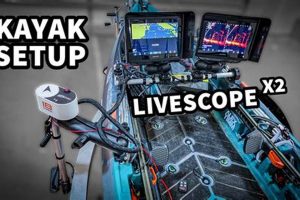
Accessory mounts provide attachment points for fish finders, GPS units, cameras, and other electronic devices, enhancing fishing capability and situational awareness. Integrated rigging systems, such as D-rings and bungee cords, offer further customization options for attaching gear and accessories. Imagine needing to track fish movement in murky water; a fish finder mounted on an accessory rail provides crucial information, increasing the likelihood of a successful catch. These customizable features enhance fishing versatility and adapt the kayak to individual preferences.
In conclusion, dedicated fishing features significantly enhance the functionality and effectiveness of folding fishing kayaks. These features cater to specific angling needs, from rod management and tackle organization to precise positioning and electronic integration. Careful consideration of these features during the selection process allows anglers to choose a kayak optimized for their preferred fishing styles and target species. These specialized features transform a basic folding kayak into a dedicated fishing platform, maximizing success and enjoyment on the water.
Frequently Asked Questions about Folding Fishing Kayaks
This section addresses common inquiries regarding folding fishing kayaks, providing concise and informative responses to assist prospective buyers and current owners.
Question 1: How durable are folding fishing kayaks compared to traditional rigid kayaks?
Modern folding kayaks utilize durable materials like reinforced PVC and robust frame designs, offering comparable durability to rigid kayaks in most conditions. While not impervious to damage, they withstand typical wear and tear associated with fishing activities.
Question 2: How much time is typically required to assemble and disassemble a folding fishing kayak?
Assembly time varies depending on the model and user familiarity, generally ranging from 10 to 20 minutes. Practice significantly reduces setup time. Disassembly typically requires slightly less time.
Question 3: What are the typical weight and portability characteristics of these kayaks?
Folded kayaks typically weigh between 30 and 50 pounds and pack down to a size manageable for transport in a car trunk or on public transportation. Specific dimensions vary by model.
Question 4: Are folding fishing kayaks suitable for use in both freshwater and saltwater environments?
Most folding fishing kayaks are designed for use in both freshwater and saltwater. Thorough rinsing with fresh water after saltwater use is crucial for preventing corrosion and extending the kayak’s lifespan.
Question 5: How stable are folding fishing kayaks compared to traditional rigid kayaks?
While initial stability might differ slightly, modern folding kayaks offer comparable stability to rigid kayaks, particularly models with wider hulls and lower centers of gravity. They perform admirably in various water conditions, enabling anglers to cast, reel, and land fish effectively.
Question 6: What is the typical price range for folding fishing kayaks?
Prices vary significantly depending on features, materials, and brand reputation, typically ranging from $500 to $2000. Consider individual needs and budget constraints when selecting a model.
Addressing these common queries provides valuable insights into the characteristics and capabilities of folding fishing kayaks, enabling informed decision-making.
The subsequent section will delve into specific model recommendations and comparative analyses, further assisting prospective buyers in navigating the diverse landscape of folding fishing kayaks.
Folding Fishing Kayaks
This exploration of folding fishing kayaks has highlighted their transformative impact on angling accessibility and versatility. From portability and durability to stability and specialized fishing features, these innovative vessels offer distinct advantages for anglers seeking convenient access to diverse waterways. The examination of key features, including storage capacity, assembly ease, and fishing-specific design elements, underscores the thoughtful engineering behind these increasingly popular watercraft. Addressing common queries regarding durability, assembly time, and suitability for various water conditions provides a comprehensive understanding of their capabilities and limitations.
The folding fishing kayak represents a significant advancement in angling technology, empowering individuals to explore new fishing grounds and embrace a more convenient and adaptable approach to the sport. As design and material innovations continue to evolve, the future of folding kayaks promises further enhancements in performance, portability, and overall fishing utility. The informed selection of a folding fishing kayak, based on individual needs and preferences, unlocks new possibilities for angling adventures, fostering a deeper connection with the aquatic environment and the pursuit of fish.