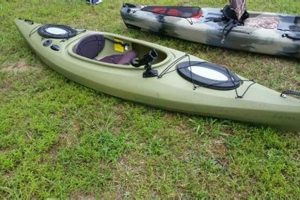
Paddling down a waterway in a small, human-powered vessel offers a unique angling experience. This method allows for quiet access to shallow waters and otherwise difficult-to-reach areas teeming with fish, presenting opportunities unavailable to those fishing from larger boats or from the shore. The Flint River, with its varied currents and diverse aquatic life, lends itself well to this specific style of fishing.
This close-to-nature approach provides anglers with a more intimate connection to the river environment and its inhabitants. The low impact of these small vessels minimizes disturbance to the ecosystem, promoting sustainable fishing practices. Historically, smaller boats have played a vital role in fishing traditions worldwide, reflecting a deep-rooted connection between humans and waterways. The modern iteration maintains this link while incorporating contemporary equipment and techniques.
The following sections will explore suitable species to target in this environment, recommended equipment and techniques, relevant regulations and licensing information, safety precautions for navigating the river, and resources for planning a successful outing on the water.
Tips for Kayak Fishing on the Flint River
Successful angling excursions require careful planning and preparation. The following tips provide valuable insights for optimizing one’s experience on the water.
Tip 1: Research River Conditions: Check the river’s flow rate and water level before embarking. High or rapidly changing water levels can create hazardous conditions. Websites and local outfitters often provide current river data.
Tip 2: Choose Appropriate Gear: Select a kayak designed for stability and fishing, equipped with rod holders and storage compartments. Pack essential fishing tackle tailored to target species, along with safety equipment such as a personal flotation device (PFD), a whistle, and a first-aid kit.
Tip 3: Plan for Varying Weather: River conditions can change rapidly. Dress in layers to adapt to fluctuating temperatures and potential precipitation. Sun protection, including sunscreen, a hat, and polarized sunglasses, is essential.
Tip 4: Respect Wildlife and the Environment: Practice catch-and-release whenever possible to conserve fish populations. Pack out all trash and avoid disturbing natural habitats along the riverbanks.
Tip 5: Navigate with Caution: Be mindful of river currents, obstacles, and other boat traffic. Avoid anchoring in heavily trafficked areas or near rapids. Carry a map or GPS device for navigation and be aware of access points and take-out locations.
Tip 6: Learn Basic Kayak Handling Skills: Practice entering and exiting the kayak, paddling effectively, and maneuvering in different currents before venturing onto the river. Consider taking a kayaking lesson for enhanced proficiency and safety.
Tip 7: Obtain Necessary Licenses and Permits: Ensure compliance with local fishing regulations and obtain required licenses and permits before fishing. Information regarding regulations can be found on state wildlife agency websites.
Proper planning and adherence to these guidelines will enhance safety and increase the likelihood of a productive and enjoyable fishing trip.
By considering these factors and implementing the suggested strategies, individuals can maximize their chances of success and contribute to the preservation of the Flint River’s natural resources.
1. River Access Points

Strategic selection of river access points is paramount for a successful Flint River kayak fishing excursion. Appropriate access points facilitate efficient navigation, optimize fishing time, and contribute significantly to overall safety. Understanding the nuances of various access locations allows anglers to tailor their approach based on target species, water conditions, and desired fishing experience.
- Public Boat Ramps:
Public boat ramps provide convenient launching and retrieval points for kayaks. These locations often offer amenities such as parking, restrooms, and designated fishing areas. However, they can experience higher traffic volume, potentially impacting fishing tranquility. Several public boat ramps exist along the Flint River, each offering unique characteristics and varying degrees of accessibility.
- Designated Kayak Launches:
Some sections of the Flint River feature designated kayak launches specifically designed for smaller watercraft. These launches typically offer easier entry and exit points compared to larger boat ramps, reducing the risk of damage to kayaks and improving angler safety. Designated kayak launches may provide a more secluded fishing experience.
- Private River Access:
Anglers with private river access enjoy enhanced flexibility and solitude. However, responsible stewardship is crucial. Respecting private property boundaries, minimizing environmental impact, and adhering to all applicable regulations are essential when utilizing private access points.
- Bridge Crossings and Low-Impact Entry Points:
Experienced kayakers may utilize bridge crossings or other low-impact entry points for accessing specific river sections. These locations often require careful scouting and assessment of potential hazards. Caution should be exercised to avoid trespassing, disturbing sensitive habitats, and ensuring safe entry and exit procedures.
Careful consideration of these access options allows anglers to tailor their Flint River kayak fishing experience to their specific needs and preferences. Prior research, including online resources, local maps, and consultation with experienced anglers or outfitters, provides valuable insights for selecting optimal access points. This informed decision-making process contributes to a more enjoyable, efficient, and ultimately successful outing.
2. Kayak Selection
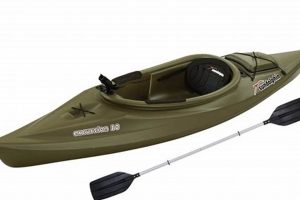
Appropriate kayak selection significantly impacts the success and enjoyment of fishing excursions on the Flint River. The river’s characteristics, including varying water flow, potential obstacles, and the presence of diverse fish species, necessitate careful consideration of kayak features. A well-chosen vessel enhances stability, maneuverability, and overall fishing efficacy.
- Hull Design:
Hull design plays a crucial role in kayak performance. Flat-bottomed hulls offer excellent stability, particularly in calmer waters, ideal for stationary fishing. However, they may be less maneuverable in currents or windy conditions. V-shaped hulls track more efficiently in moving water but provide less primary stability. Pontoon-style hulls provide exceptional stability, making them suitable for standing and casting, but can be cumbersome to maneuver. The Flint River’s diverse environments necessitate a hull design suited to specific fishing locations and anticipated conditions.
- Length and Width:
Kayak dimensions directly influence stability and maneuverability. Shorter kayaks are generally more agile, allowing for quick turns and navigation through tight spaces. Longer kayaks track better in currents and offer increased storage capacity. Wider kayaks enhance stability but may sacrifice speed and maneuverability. Choosing the right length and width depends on individual paddling style, anticipated river conditions, and the need for storage space.
- Sit-on-Top vs. Sit-Inside:
Sit-on-top kayaks offer superior stability and ease of entry and exit, making them suitable for anglers who value mobility and prefer fishing in warmer conditions. Sit-inside kayaks offer better protection from the elements and provide a drier ride, but can be more challenging to re-enter after a capsize. The choice between these designs depends on personal preference, anticipated weather conditions, and water temperature.
- Features and Accessories:
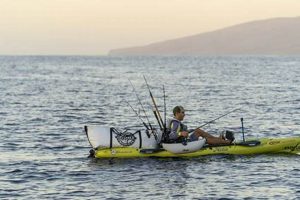
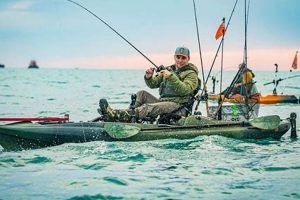
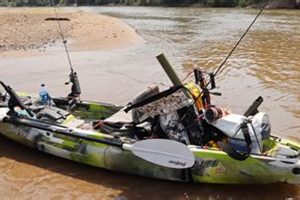
Features such as rod holders, paddle clips, anchor trolleys, and storage compartments significantly enhance fishing functionality. Rod holders provide secure storage and easy access to fishing rods. Paddle clips keep paddles out of the way while fishing. Anchor trolleys allow for controlled anchoring and positioning in currents. Ample storage space accommodates tackle boxes, coolers, and other essential gear. Selecting a kayak with appropriate features contributes to a more organized and efficient fishing experience.
Careful consideration of these factors ensures optimal kayak selection for the Flint River. Matching kayak characteristics to individual needs, target fishing locations, and anticipated river conditions promotes a safe, comfortable, and productive experience on the water. Consulting with experienced kayak anglers or local outfitters can provide valuable insights for making informed decisions.
3. Fishing Techniques

Effective fishing techniques are essential for successful angling from a kayak on the Flint River. The river’s unique characteristics, including varied currents, diverse depths, and specific fish habitats, necessitate adapting techniques for optimal results. Understanding the interplay between these factors and selecting appropriate methods significantly influences catch rates.
Drift fishing is a productive technique for targeting species such as catfish and panfish. By allowing the kayak to drift naturally with the current, anglers can cover a wider area and present bait to a larger number of fish. Weighting the line appropriately ensures the bait remains at the desired depth. Alternatively, anchoring in strategic locations near structure or deeper pools allows for targeted fishing. This approach is particularly effective for species like bass or bream that often hold near cover. Using lighter lures and employing finesse techniques maximizes presentation in these environments.
Trolling from a kayak can be effective for covering water and locating active fish. Slow trolling allows for precise bait presentation and can be particularly effective for species like crappie. Utilizing a fish finder enhances this technique by identifying areas of higher fish concentration and pinpointing ideal trolling depths. Casting lures along the riverbanks and around submerged structures targets species that ambush prey, such as largemouth bass and pickerel. Selecting lures that mimic the local forage, such as crankbaits, spinnerbaits, or soft plastic worms, increases the likelihood of attracting strikes. Retrieving lures with varying speeds and actions triggers aggressive responses from predatory fish.
Matching fishing techniques to the specific conditions and target species on the Flint River significantly improves angling success. Factors such as water temperature, clarity, and flow rate influence fish behavior and dictate the most productive approaches. Adaptability and a willingness to experiment with different methods are key to maximizing catch rates and enjoying a rewarding kayak fishing experience. Continuous observation of the environment and adjustments to technique are crucial for success.
4. Target Species

Understanding the target species inhabiting the Flint River is crucial for successful kayak fishing. Different species exhibit varying behaviors, habitat preferences, and feeding patterns. This knowledge informs appropriate tackle selection, lure choice, and fishing techniques, directly impacting angling success. Furthermore, awareness of species-specific regulations, such as size limits and catch restrictions, ensures responsible and sustainable fishing practices.
The Flint River supports a diverse fish population, offering opportunities to target various species. Largemouth bass, a popular game fish, thrives in the river’s vegetated areas and around submerged structures. Anglers often target them using lures that mimic baitfish or crayfish. Smallmouth bass, preferring clearer, faster-flowing sections of the river, respond well to smaller lures and finesse presentations. Channel catfish, abundant throughout the river, can be caught using a variety of bait, including live worms, cut bait, and stinkbait. Panfish, such as bluegill and redear sunfish, inhabit slower-moving backwaters and are readily caught using small jigs or live crickets. Targeting these species requires specific tackle and techniques, maximizing catch rates and angling enjoyment.
Effective targeting of specific species requires matching tackle and techniques to their habits. Knowledge of preferred habitats and feeding patterns guides anglers towards productive fishing locations. Understanding seasonal variations in fish behavior further refines angling strategies. By combining this knowledge with appropriate fishing methods, anglers enhance their chances of success while contributing to the conservation of the Flint River’s diverse fishery.
5. Safety Precautions
Safety precautions are paramount for kayak fishing on the Flint River. The river’s dynamic environment, characterized by fluctuating water levels, currents, and potential obstacles, presents inherent risks. Neglecting safety protocols can lead to serious consequences, ranging from equipment damage and minor injuries to life-threatening situations. A comprehensive understanding of potential hazards and the implementation of appropriate safety measures are crucial for mitigating these risks and ensuring a safe and enjoyable fishing experience. For example, rapidly rising water levels after rainfall can create strong currents and submerge obstacles, significantly increasing the risk of capsizing. Paddling in such conditions without proper safety gear, such as a personal flotation device (PFD), dramatically increases the risk of drowning. Similarly, navigating the river in low-light conditions without proper lighting increases the risk of collisions with other vessels or submerged objects. These real-world scenarios underscore the critical importance of prioritizing safety.
Essential safety precautions include wearing a properly fitted PFD at all times, carrying a whistle for signaling in emergencies, informing someone of planned fishing locations and expected return times, and checking weather forecasts before embarking. Carrying a first-aid kit and a communication device, such as a waterproof cell phone or VHF radio, further enhances preparedness. Understanding basic kayak handling skills, including self-rescue techniques, is vital for navigating challenging situations. Regularly inspecting kayak equipment for wear and tear and ensuring its proper functioning minimizes the risk of equipment failure during an outing. Avoiding alcohol consumption while operating a kayak is crucial for maintaining clear judgment and reaction time. Awareness of local regulations and adherence to established boating guidelines further contribute to overall safety. For instance, understanding designated boating lanes and right-of-way rules helps prevent collisions with other watercraft. Knowledge of restricted areas or sections with hazardous conditions allows anglers to avoid potentially dangerous situations.
Prioritizing safety precautions while kayak fishing on the Flint River safeguards against potential hazards and fosters a responsible approach to enjoying the river’s natural resources. A proactive approach to safety planning, coupled with continuous awareness of environmental conditions and adherence to established guidelines, significantly reduces risks. This mindful approach promotes a positive and safe experience for all river users, ensuring the long-term preservation of this valuable ecosystem.
6. Local Regulations
Adherence to local regulations is essential for responsible and sustainable kayak fishing on the Flint River. These regulations, established to protect the river’s ecosystem and ensure the long-term health of fish populations, govern various aspects of fishing activity. Compliance ensures the preservation of the river’s resources for future generations and fosters a respectful environment for all river users. Ignoring these regulations can lead to fines, legal penalties, and damage to the delicate balance of the river’s ecosystem. Understanding and respecting these rules contributes significantly to the overall health and sustainability of the Flint River.
- Fishing Licenses and Permits:
Valid fishing licenses and any required permits are mandatory for all anglers on the Flint River. These licenses contribute to conservation efforts through funding generated from their purchase. Specific license requirements vary based on residency, age, and the duration of the fishing trip. Anglers should consult the relevant state wildlife agency website for detailed information regarding license types, fees, and purchasing options. Failure to possess a valid license can result in penalties, including fines and potential suspension of fishing privileges.
- Size and Creel Limits:
Size and creel limits are established for various fish species to protect vulnerable populations and ensure sustainable harvest. These regulations stipulate the minimum and maximum sizes of fish that can be legally kept, as well as the daily limit on the number of fish an angler can retain. Adhering to these limits helps maintain healthy fish populations and prevents overfishing. Specific size and creel limits for the Flint River can vary depending on the species and time of year. Consulting the state wildlife agency’s regulations ensures compliance and responsible fishing practices.
- Closed Seasons and Restricted Areas:
Closed seasons protect specific fish species during vulnerable periods, such as spawning seasons, allowing populations to reproduce and maintain healthy numbers. Restricted areas, such as designated spawning grounds or sensitive habitats, may be closed to fishing to minimize disturbance and protect critical ecosystems. Understanding and respecting these closures is crucial for preserving the river’s biodiversity and ensuring the long-term health of its fish populations. Information on closed seasons and restricted areas is typically available on state wildlife agency websites or through local fishing regulations publications.
- Allowed Fishing Methods and Gear Restrictions:
Regulations may dictate permissible fishing methods and gear types on the Flint River. For example, restrictions may apply to the use of certain types of nets, traps, or fishing lines. These regulations aim to minimize the impact of fishing on the river’s ecosystem and promote fair and ethical fishing practices. Understanding and adhering to these gear restrictions ensures compliance and supports responsible angling. Specific regulations regarding allowed fishing methods and gear can be found in local fishing guides or on state wildlife agency websites.
By understanding and adhering to these local regulations, kayak anglers on the Flint River contribute to the long-term health and sustainability of the river’s ecosystem. Responsible fishing practices ensure the preservation of this valuable natural resource for future generations and foster a respectful environment for all river users. Compliance with regulations demonstrates a commitment to ethical angling and fosters a culture of conservation among the fishing community. Staying informed about current regulations and adhering to them diligently allows anglers to enjoy the Flint River responsibly while actively participating in its preservation.
7. Environmental Impact

Kayak fishing, while generally considered a low-impact activity, possesses the potential to affect the Flint River’s environment. Understanding this impact and adopting mindful practices are crucial for preserving the river’s ecological integrity. The primary concerns relate to habitat disturbance, pollution, and the spread of invasive species. Kayaks, due to their maneuverability, grant access to shallow waters and tributaries often inaccessible to larger motorized boats. This access, while beneficial for anglers, can lead to disturbance of sensitive habitats like spawning beds and submerged vegetation if not navigated carefully. Repeated disruption of these areas can negatively impact fish populations and overall ecosystem health. For instance, repeated grounding of kayaks in shallow spawning areas can damage fish eggs and disrupt breeding cycles. Similarly, disturbing sediment in these sensitive zones can reduce water clarity and affect aquatic plant growth.
Pollution from discarded fishing line, tackle, and other debris poses a significant threat to the river’s ecosystem. Discarded fishing line can entangle wildlife, including birds, turtles, and fish, leading to injury or death. Plastic lures and tackle contribute to microplastic pollution, which can accumulate in the food chain and negatively impact aquatic organisms. Fuel or oil leaks, though less common with kayaks than motorized boats, can still occur with some models and contribute to water contamination. Even seemingly benign actions, like discarding food scraps, can alter the river’s nutrient balance and contribute to algal blooms, further disrupting the ecosystem. For example, discarded monofilament fishing line can persist in the environment for hundreds of years, posing a long-term entanglement risk to wildlife. Similarly, discarded lead sinkers can leach toxins into the water, affecting water quality and potentially harming aquatic life.
The spread of invasive aquatic species presents another challenge. Kayaks can inadvertently transport invasive plants or animals on their hulls, paddles, or fishing gear from one body of water to another. These invasive species can outcompete native organisms, disrupt food webs, and alter habitat structure, significantly impacting the river’s biodiversity. The introduction of hydrilla, an invasive aquatic plant, to a waterway can rapidly choke out native vegetation, reducing oxygen levels and negatively impacting fish populations. Similarly, the transport of zebra mussels, an invasive mollusk, can clog water intake pipes and damage infrastructure, in addition to disrupting the native ecosystem. Minimizing environmental impact requires a conscious effort by kayak anglers. Practicing “Leave No Trace” principles, such as packing out all trash, properly disposing of fishing line, and avoiding disturbing sensitive habitats, is essential. Regularly cleaning kayaks and gear to remove any attached plants or organisms helps prevent the spread of invasive species. Educating oneself about local regulations and best practices for minimizing environmental impact further strengthens conservation efforts. By understanding the potential impacts and adopting responsible fishing practices, kayak anglers can enjoy the Flint River while contributing to its long-term preservation.
Frequently Asked Questions
This section addresses common inquiries regarding kayak fishing on the Flint River, providing concise and informative responses to facilitate informed decision-making and enhance angler preparedness.
Question 1: What are the most productive areas for kayak fishing on the Flint River?
Productive areas vary depending on target species and time of year. However, generally, areas with submerged structure, such as fallen trees, rock formations, and deeper pools, tend to hold higher concentrations of fish. Confluences where tributaries meet the main river channel also offer promising fishing opportunities. Consulting local fishing reports and guides can provide additional insights into productive locations.
Question 2: Are there specific kayak launch sites recommended for accessing the Flint River?
Several public boat ramps and designated kayak launches provide access to the Flint River. Selection depends on the specific section of the river one wishes to fish. Consulting online resources, local maps, or contacting local outfitters can provide detailed information regarding access points and their suitability for kayaks.
Question 3: What types of fish can one expect to catch while kayak fishing on the Flint River?
The Flint River supports a diverse fish population, including largemouth bass, smallmouth bass, channel catfish, various panfish species, and several other species. The specific species encountered can vary depending on location and time of year. Researching prevalent species in the target area informs appropriate tackle and technique selection.
Question 4: What safety gear is essential for kayak fishing on the Flint River?
A properly fitted personal flotation device (PFD) is paramount. Additional essential safety gear includes a whistle, a first-aid kit, a communication device (such as a waterproof cell phone or VHF radio), and navigation tools (map, compass, or GPS). Informing someone of planned fishing locations and estimated return times further enhances safety.
Question 5: Are there any specific regulations regarding fishing from a kayak on the Flint River?
Standard fishing regulations, including licensing requirements, size and creel limits, and closed seasons, apply to kayak fishing. Checking with the relevant state wildlife agency for current regulations ensures compliance and promotes responsible fishing practices.
Question 6: What environmental considerations should kayak anglers keep in mind on the Flint River?
Minimizing environmental impact involves adhering to “Leave No Trace” principles. Packing out all trash, properly disposing of fishing line, avoiding disturbing sensitive habitats, and cleaning kayaks and gear to prevent the spread of invasive species are crucial practices.
Careful consideration of these frequently asked questions enhances preparedness, promotes safety, and fosters responsible angling practices on the Flint River. Further research and consultation with local resources provide additional valuable insights for a successful and enjoyable fishing experience.
For further information regarding specific fishing locations, techniques, and recommended gear, please consult the following resources…
Conclusion
Navigating the Flint River by kayak presents a unique opportunity to engage with the natural environment while pursuing a rewarding angling experience. Careful consideration of access points, kayak selection, and appropriate fishing techniques maximizes the potential for success. Awareness of target species, adherence to safety precautions, and respect for local regulations contribute to a responsible and sustainable approach. Minimizing environmental impact through mindful practices ensures the preservation of the river’s ecosystem for future generations.
The Flint River offers an enriching experience for those willing to invest in preparation and understanding. Continued exploration of this unique waterway promises rewarding discoveries for anglers and serves as a reminder of the importance of preserving its natural beauty and ecological integrity.