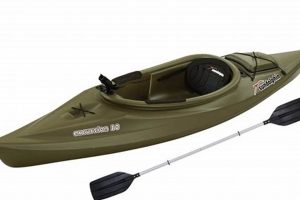
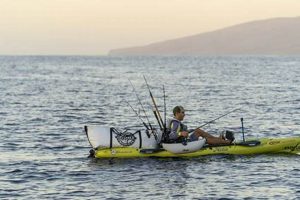
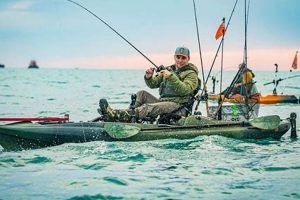
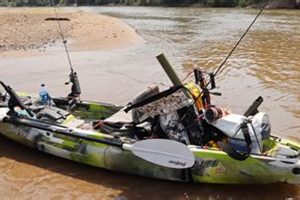
A specialized accommodation caters specifically to anglers who prefer the maneuverability and access of kayaks. Such establishments often provide amenities like kayak rentals or launches, guided fishing tours, on-site tackle shops, and convenient storage for personal equipment. They might also offer specialized features such as fish cleaning stations and freezer facilities. An example would be a waterfront property offering lodging, kayak rentals, and guided excursions on a lake renowned for bass fishing.
These facilities offer several advantages. They provide a central hub for anglers to access prime fishing locations, often with expert local guidance. This focused approach can lead to enhanced fishing success and a more immersive experience. Historically, fishing lodges have existed for centuries, catering to anglers seeking remote locations and specialized services. The increasing popularity of kayak fishing has led to a niche market for establishments tailored to this specific pursuit, combining the traditional lodge concept with the unique needs of kayak anglers.
Further exploration of this subject will cover topics such as selecting the right establishment based on individual needs, the economic impact of this specialized tourism sector, and the role such businesses play in promoting sustainable fishing practices.
Tips for a Successful Kayak Fishing Trip
Careful planning and preparation are crucial for maximizing enjoyment and ensuring safety on any kayak fishing excursion. The following tips provide valuable insights for anglers of all skill levels.
Tip 1: Research and choose the right location. Water conditions, fish species, and access points should all be considered when selecting a fishing spot. Consulting local resources, such as fishing reports and maps, is highly recommended.
Tip 2: Pack essential gear. Appropriate clothing, safety equipment (including a personal flotation device), navigation tools, and fishing tackle tailored to the target species are all vital. A dry bag is essential for protecting electronics and other sensitive items.
Tip 3: Prioritize safety. Check weather forecasts before heading out and be aware of changing conditions. Inform someone of your fishing plans, including your intended location and expected return time.
Tip 4: Master basic kayak maneuvering techniques. Practice paddling, turning, and maintaining balance before venturing into open water, especially in challenging conditions.
Tip 5: Employ appropriate fishing strategies. Techniques should be adapted to the target species and the specific environment. Consider factors such as water depth, current, and structure when choosing lures and presentations.
Tip 6: Respect the environment. Practice catch-and-release whenever possible and adhere to local fishing regulations. Pack out all trash and avoid disturbing wildlife.
Tip 7: Consider hiring a guide. Local guides offer invaluable expertise on fishing hotspots, effective techniques, and navigating unfamiliar waters. Their knowledge can significantly enhance the fishing experience, particularly for those new to an area.
By following these guidelines, anglers can enhance their chances of a successful and enjoyable outing while prioritizing safety and environmental responsibility.
These preparations contribute to a more rewarding and safe experience, allowing anglers to focus on the thrill of the catch.
1. Specialized lodging
Specialized lodging forms a cornerstone of the kayak fishing lodge experience, differentiating it from standard accommodations. This specialization manifests in various forms, directly impacting angler convenience and overall satisfaction. Cause and effect are intertwined; the demand for convenient and efficient kayak fishing drives the need for specialized lodging, while the availability of such lodging, in turn, enhances the fishing experience. For instance, lodges might offer rooms with dedicated storage for kayaks and fishing gear, eliminating the hassle of transporting equipment long distances. Alternatively, waterfront cabins with private docks provide immediate access to the water, maximizing fishing time. These features are not merely conveniences but integral components of the specialized service a kayak fishing lodge offers.
Consider a lodge situated on a remote riverbank. Standard hotel rooms would prove inadequate for anglers needing to store and access their kayaks readily. Specialized lodging, such as cabins with attached boat slips or dedicated storage racks, becomes essential. This allows anglers to launch quickly and efficiently, maximizing their time on the water. Another example is a lodge offering guided fishing packages. Integrating lodging with guide services streamlines the experience, ensuring seamless transitions from accommodation to on-water excursions. The practical significance of this understanding lies in recognizing the added value specialized lodging brings to kayak fishing trips. It contributes to a more focused, efficient, and ultimately more rewarding experience.
In summary, specialized lodging is not a peripheral aspect but a defining feature of the kayak fishing lodge. It directly addresses the unique needs of kayak anglers, contributing significantly to a positive and productive fishing experience. The integration of practical storage solutions, convenient access to the water, and streamlined connections to guiding services demonstrates the importance of this specialized accommodation. Addressing the challenge of meeting these specialized needs ultimately enhances the growth and appeal of kayak fishing tourism.
2. Kayak Access

Convenient kayak access represents a critical component of the kayak fishing lodge experience. Its importance stems from the fundamental need for anglers to efficiently and safely deploy their kayaks onto the water. Examining various facets of kayak access reveals its direct impact on angler satisfaction and the overall success of a fishing trip.
- Launch Facilities
Well-maintained launch facilities, such as ramps, docks, or dedicated entry points, are essential. A gently sloping ramp allows for easy kayak launching and retrieval, while a stable dock facilitates loading gear and embarking. Lodges situated on challenging terrain might offer specialized launch systems, such as kayak carts or hoists. The absence of adequate launch facilities can create significant obstacles, particularly for anglers with physical limitations or those navigating larger kayaks.
- Proximity to Fishing Grounds
The proximity of the launch site to prime fishing areas is a key factor influencing angler experience. Lodges situated directly on the water or within a short paddle of desirable fishing spots offer a significant advantage. Minimizing transit time allows anglers to maximize their time fishing, contributing to a more productive and enjoyable experience. For example, a lodge located on a riverbank with immediate access to deep pools or riffles holds greater appeal than one requiring a lengthy paddle to reach suitable fishing grounds.
- Storage and Security
Secure kayak storage is a practical necessity, safeguarding valuable equipment and offering peace of mind. Lodges often provide designated storage areas, ranging from simple racks to locked sheds or individual garages. This feature allows anglers to leave their kayaks safely and conveniently, eliminating the need for transport to and from their accommodations. The presence of secure storage contributes significantly to the overall convenience and appeal of a kayak fishing lodge, particularly for those traveling with high-end equipment.
- Accessibility Information
Clear and readily available information regarding kayak access is essential for anglers planning their trips. Lodges should provide detailed descriptions of launch facilities, including water depth, surface type, and any potential hazards. This information empowers anglers to make informed decisions about their trip logistics and select accommodations that best suit their needs. Transparent communication regarding accessibility builds trust and helps anglers avoid potential frustrations upon arrival.
These facets of kayak access are integral to the overall appeal and functionality of a kayak fishing lodge. The seamless integration of convenient launch facilities, proximity to fishing grounds, secure storage, and readily available information contributes significantly to a positive angler experience. A lodge that prioritizes these elements demonstrates a commitment to serving the specific needs of kayak anglers, ultimately enhancing the enjoyment and success of their fishing trips.
3. Guided Excursions
Guided excursions represent a significant component of the kayak fishing lodge experience, offering specialized knowledge and enhancing angler success. These excursions provide a structured framework for exploring local waters, targeting specific species, and learning effective fishing techniques. The following facets highlight the key aspects of guided excursions within the context of kayak fishing lodges.
- Local Expertise
Guides possess intimate knowledge of local waterways, including prime fishing locations, optimal times for specific species, and effective fishing techniques. This localized expertise offers a significant advantage over independent exploration, particularly for anglers unfamiliar with the area. For example, a guide might know the precise location of a submerged reef frequented by trophy-sized fish or understand the subtle nuances of local currents that influence fish behavior. This knowledge translates directly into increased fishing success and a deeper understanding of the local ecosystem.
- Targeted Species Focus
Guided excursions often specialize in targeting particular fish species, tailoring the experience to angler preferences and maximizing the chances of a successful catch. A lodge specializing in trout fishing might offer guided trips to pristine mountain streams, employing techniques specific to that species. Conversely, a lodge located in a coastal region might focus on saltwater species, providing excursions tailored to inshore or offshore fishing. This specialized approach allows anglers to refine their skills and pursue their desired catch with expert guidance.
- Skill Development
Guided excursions offer opportunities for anglers to enhance their fishing skills and learn new techniques. Guides provide hands-on instruction in areas such as casting, lure selection, and fish handling. They can also offer insights into reading water conditions, identifying fish habitats, and interpreting weather patterns. This educational component adds significant value to the guided experience, equipping anglers with knowledge and skills they can apply to future fishing endeavors.
- Safety and Logistics
Guided excursions enhance safety by providing experienced leadership and ensuring anglers adhere to safe practices on the water. Guides are trained in navigation, emergency procedures, and water safety protocols. They also handle logistical aspects such as providing necessary equipment, arranging transportation, and monitoring weather conditions. This comprehensive approach allows anglers to focus solely on the fishing experience, reducing potential risks and streamlining the overall trip.
These interconnected facets demonstrate the integral role guided excursions play within the kayak fishing lodge context. By providing local expertise, targeting specific species, fostering skill development, and ensuring safety, guided excursions enhance angler success, foster a deeper connection with the environment, and contribute significantly to a rewarding and memorable fishing experience. The value of these excursions extends beyond simply catching fish, enriching the overall lodge experience with educational and logistical benefits.
4. Fishing Amenities

Fishing amenities represent a crucial component differentiating kayak fishing lodges from standard accommodations. These specialized features directly impact angler convenience, efficiency, and overall satisfaction, contributing significantly to the appeal and success of a fishing trip. The presence and quality of these amenities often influence lodge selection, demonstrating a direct cause-and-effect relationship between angler needs and the services provided. Essentially, the demand for specialized fishing support drives the provision of tailored amenities, which, in turn, enhances the overall fishing experience.
Consider a lodge offering on-site tackle shops stocked with lures and equipment specifically chosen for local species. This eliminates the need for anglers to travel elsewhere for supplies, streamlining their preparation and maximizing fishing time. Similarly, fish cleaning stations equipped with running water, cutting boards, and proper disposal systems facilitate efficient fish processing, enhancing hygiene and convenience. Freezer facilities allow for safe storage of catches, particularly during extended trips. These seemingly simple amenities play a vital role in the overall experience, demonstrating a practical understanding of angler needs. For example, a remote lodge specializing in fly fishing might offer a fly-tying station, catering to a specific angler demographic and enhancing the overall appeal of the lodge. The absence of such amenities might necessitate anglers transporting bulky equipment or foregoing certain activities altogether, highlighting the practical significance of these specialized provisions.
In summary, fishing amenities are not merely supplementary additions but integral components of the kayak fishing lodge experience. They directly address the practical needs of anglers, contributing to a more focused, efficient, and ultimately more rewarding trip. The availability of on-site tackle shops, fish cleaning stations, freezer facilities, and other specialized services streamlines the fishing process and enhances convenience. Addressing these specific needs strengthens the appeal of kayak fishing lodges and contributes to the growth of this specialized tourism sector. The challenge lies in balancing the provision of comprehensive amenities with maintaining a focus on the core experiencekayak fishing itself.
5. Target Species Focus

Target species focus represents a critical element shaping the identity and offerings of a kayak fishing lodge. This specialization influences various aspects of the lodge’s operation, from location and equipment to guiding services and marketing strategies. A clear focus on specific target species establishes a niche market, attracting anglers seeking particular fishing experiences. This specialization creates a cause-and-effect relationship: angler demand for targeted fishing opportunities drives the development of lodges specializing in particular species, while the availability of such specialized lodges, in turn, enhances angler satisfaction and success.
For example, a lodge specializing in bonefish might be located in a tropical region with shallow flats accessible by kayak. Its guides would possess expertise in bonefish behavior, preferred habitats, and effective fishing techniques. The lodge might also offer specialized equipment, such as lightweight fly rods and saltwater-resistant reels. Conversely, a lodge targeting muskie might be situated on a northern lake known for its muskie population. Its guides would specialize in trolling or casting large lures, and the lodge might provide heavier kayaks equipped with rod holders and fish finders. These examples illustrate how target species focus shapes the entire lodge experience, from location and equipment to guiding services and overall ambiance. The practical significance of this understanding lies in recognizing the value of specialization within the kayak fishing lodge industry. It allows anglers to select accommodations tailored to their specific fishing preferences, maximizing their chances of success and overall enjoyment.
In summary, target species focus serves as a defining characteristic of many kayak fishing lodges. It influences operational decisions, attracts specific angler demographics, and enhances the overall fishing experience. By understanding the impact of target species focus, lodge owners can effectively cater to niche markets, while anglers can make informed choices about accommodations best suited to their fishing goals. The challenge lies in balancing specialization with adaptability, ensuring the lodge can cater to evolving angler preferences and environmental conditions. This understanding contributes to the growth and sustainability of the kayak fishing lodge sector, promoting responsible fishing practices and enhancing the overall angler experience.
Frequently Asked Questions
This section addresses common inquiries regarding kayak fishing lodges, providing clarity and facilitating informed decision-making for prospective guests.
Question 1: What distinguishes a kayak fishing lodge from a traditional fishing lodge?
Kayak fishing lodges cater specifically to anglers using kayaks, offering amenities like specialized launch facilities, kayak storage, and guided excursions tailored to kayak fishing. Traditional fishing lodges may offer broader services, accommodating various fishing styles and often focusing on larger boats.
Question 2: What level of fishing experience is required to stay at a kayak fishing lodge?
Kayak fishing lodges accommodate anglers of all skill levels, from beginners to experienced professionals. Many offer guided excursions designed for various experience levels, ensuring a suitable experience for everyone.
Question 3: What type of equipment should one expect a kayak fishing lodge to provide?
Amenities vary, but many lodges offer kayak rentals, fishing gear, safety equipment, and on-site tackle shops. Some may also provide specialized equipment like fish finders or GPS units. Confirming provided amenities with the lodge prior to booking is recommended.
Question 4: Are meals typically included in the cost of a stay at a kayak fishing lodge?
Meal plans vary significantly. Some lodges offer all-inclusive packages, while others provide self-catering facilities or nearby dining options. Verifying meal arrangements with the lodge beforehand is advised.
Question 5: What factors should one consider when selecting a kayak fishing lodge?
Key factors include target species, location, desired level of service, budget, and accessibility. Researching local fishing regulations and water conditions is also crucial.
Question 6: What safety measures are typically in place at kayak fishing lodges?
Lodges often provide safety briefings, require personal flotation devices, monitor weather conditions, and offer guided excursions with experienced professionals trained in water safety procedures. Inquiring about specific safety protocols with the lodge prior to arrival is recommended.
Understanding these key aspects facilitates informed decisions and enhances the overall experience for those seeking a specialized kayak fishing adventure.
The next section explores specific examples of successful kayak fishing lodges around the world, showcasing their unique offerings and highlighting best practices within the industry.
Conclusion
Kayak fishing lodges represent a specialized sector within the broader fishing tourism industry, catering specifically to the needs and desires of kayak anglers. This exploration has highlighted key aspects of these establishments, including specialized lodging, convenient kayak access, the value of guided excursions, the importance of fishing amenities, and the impact of target species focus. Each of these elements contributes to a unique and tailored experience, enhancing angler success, promoting responsible fishing practices, and fostering a deeper connection with the aquatic environment.
The continued growth and evolution of kayak fishing lodges underscore the increasing popularity of this specialized pursuit. As angler demand for unique and immersive experiences grows, these establishments play a vital role in providing access to prime fishing locations, promoting sustainable tourism practices, and fostering a community of passionate anglers. Further exploration and development within this sector promise enhanced opportunities for both anglers and the communities that support this specialized form of outdoor recreation.