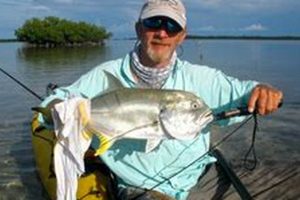
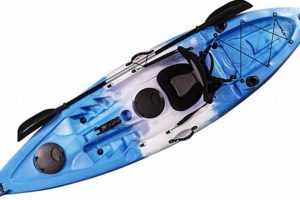
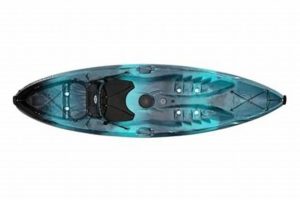
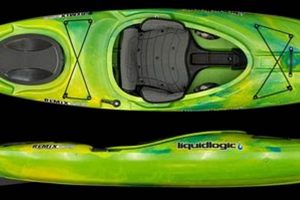
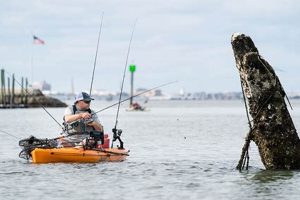
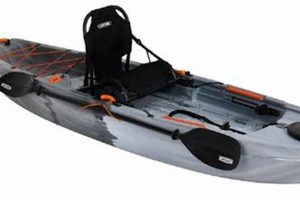
Kayaks designed specifically for angling often incorporate features like rod holders, tackle storage, and comfortable seating optimized for long hours on the water. These specialized vessels prioritize stability and maneuverability, crucial for navigating various fishing environments, from calm lakes to flowing rivers. An example would be a sit-on-top kayak with recessed rod holders and a built-in livewell.
The specialized design of angler-focused watercraft enhances the fishing experience by providing a stable, mobile, and efficient platform. This allows anglers to access secluded fishing spots, present lures naturally, and fight fish effectively. Historically, kayaks have been used for fishing for centuries by various cultures. Modern advancements in materials and design have further refined these vessels into highly effective fishing platforms, increasing accessibility and popularity.
Further exploration will cover topics such as choosing the right kayak for specific fishing styles, essential gear and accessories, and responsible kayaking practices for anglers.
Tips for Angling Kayak Selection and Use
Careful consideration of kayak features and fishing practices enhances on-the-water success and safety. The following tips offer guidance for selecting and utilizing angling kayaks effectively.
Tip 1: Stability is Paramount: Prioritize kayak stability, especially for beginners. Wider kayaks generally offer greater stability than narrower designs. Consider the intended fishing environment; calmer waters allow for less stable kayaks while rougher conditions necessitate enhanced stability.
Tip 2: Maneuverability Matters: A kayak’s ability to turn and track efficiently impacts fishing success. Shorter kayaks are generally more maneuverable, advantageous in tight spaces like creeks and mangroves. Longer kayaks track better in open water, providing efficiency over distance.
Tip 3: Storage Solutions: Ample storage for tackle, rods, and safety gear is crucial. Evaluate storage compartments, rod holders, and other storage features to ensure sufficient capacity and convenient access to equipment.
Tip 4: Seating Comfort: Long hours on the water require comfortable seating. Consider adjustable seating, back support, and padding for extended fishing trips. The ability to stand comfortably in certain kayak designs can offer improved casting and visibility.
Tip 5: Propulsion Options: Paddle kayaks offer excellent exercise and maneuverability. Pedal-powered kayaks provide hands-free fishing and greater speed over longer distances. Motorized kayaks offer increased range and reduced physical exertion. Select the propulsion system best suited for individual needs and the target fishing environment.
Tip 6: Safety First: Always wear a personal flotation device (PFD). Carry essential safety equipment, including a whistle, signaling device, and first-aid kit. Inform someone of the fishing plan, including location and expected return time.
Tip 7: Respect the Environment: Practice catch-and-release whenever possible. Properly dispose of fishing line and other waste. Adhere to local fishing regulations and respect wildlife.
Selecting the right kayak and employing proper techniques significantly enhances angling success and overall enjoyment. Careful planning and consideration of these tips contribute to a safer and more productive fishing experience.
This information provides foundational knowledge for anglers interested in kayak fishing. The following sections delve into specific kayak types and specialized fishing techniques.
1. Stability

Stability forms a cornerstone of effective kayak fishing. A stable platform permits anglers to focus on fishing techniques rather than maintaining balance. This is particularly crucial during activities like casting, reeling, and landing fish, where sudden shifts in weight distribution can compromise stability. A stable kayak also allows for comfortable stand-up fishing, expanding casting range and visibility. For example, a wider, flatter-bottomed hull design inherently offers greater stability than a narrower, V-shaped hull, proving advantageous in calm waters. Conversely, a kayak designed for rougher conditions may sacrifice some initial stability for enhanced secondary stabilitythe ability to resist capsizing when leanedthrough features like a rounded hull or strategically placed chines.
The degree of stability required depends on the fishing environment and angler experience. Calm lakes and ponds allow for kayaks with less initial stability, while rivers and open water necessitate greater stability to handle currents and waves. Experienced anglers may comfortably handle less stable kayaks, leveraging their balance and paddling skills. Beginners, however, generally benefit from highly stable platforms that provide a secure foundation for developing paddling and fishing techniques. Consider, for instance, an angler sight-fishing in shallow water. A stable kayak allows for standing and casting with confidence, while an unstable platform might require constant adjustments, potentially spooking fish. This underscores the practical significance of stability in maximizing fishing success and enjoyment.
Prioritizing stability in kayak selection directly influences angling effectiveness and safety. Understanding the nuances of initial and secondary stability, and how hull design interacts with the intended fishing environment, empowers anglers to choose the appropriate vessel. This foundational element allows for confident and efficient fishing, fostering a positive on-the-water experience regardless of skill level.
2. Maneuverability

Maneuverability in a fishing kayak directly impacts angling effectiveness. Precise boat control enables anglers to navigate complex waterways, position themselves strategically for optimal casting, and follow fish movements efficiently. This attribute proves particularly crucial in environments like shallow creeks, mangrove forests, and rocky coastlines, where obstacles and changing currents necessitate precise navigation. A highly maneuverable kayak allows anglers to access secluded fishing spots often unreachable by larger vessels, expanding fishing opportunities. For example, navigating tight bends in a river to reach a promising eddy requires a kayak capable of responsive turning and precise tracking.
Several factors influence kayak maneuverability, including hull design, length, and width. Shorter kayaks generally turn more quickly, while longer kayaks tend to track straighter. Wider kayaks can feel less responsive, while narrower kayaks often offer enhanced agility. Hull shape also plays a significant role; a kayak with a pronounced keel will track better in a straight line, while a flatter-bottomed hull will turn more easily. Consider, for instance, an angler pursuing bonefish in shallow flats. A highly maneuverable kayak allows for quick adjustments in position to present the fly accurately to moving fish, maximizing chances of a successful hookup. Conversely, a less maneuverable kayak might hinder the angler’s ability to react quickly, resulting in missed opportunities.
Understanding the relationship between kayak maneuverability and fishing success is essential for informed equipment selection. Evaluating the intended fishing environment and target species helps determine the optimal level of maneuverability required. Prioritizing this attribute, alongside stability and other essential features, ensures anglers possess a vessel capable of navigating diverse waterways efficiently and maximizing angling potential. This, in turn, contributes to a more productive and satisfying fishing experience.
3. Storage

Ample and well-designed storage is crucial in fishing kayaks, directly impacting organization, efficiency, and overall angling success. Efficient storage solutions allow anglers to carry essential gear, maintain a clutter-free deck, and access equipment quickly. This contributes to a more streamlined and productive fishing experience, minimizing wasted time and maximizing time on the water.
- Tackle Organization
Dedicated tackle storage compartments keep lures, hooks, weights, and other small items organized and readily accessible. Examples include waterproof boxes, trays with dividers, and specialized compartments for leader lines and tools. Effective tackle organization reduces time spent searching for specific items, allowing anglers to focus on fishing. This also minimizes the risk of losing or damaging essential gear.
- Rod Storage
Secure rod holders, flush-mounted or adjustable, safeguard rods while keeping them within easy reach. Recessed rod holders minimize line tangling and interference with paddling. Multiple rod holders allow anglers to carry different rod and reel setups for various fishing techniques. This adaptability enhances versatility and responsiveness to changing fishing conditions.
- Dry Storage
Waterproof compartments protect sensitive items like electronics, phones, and wallets from water damage. These compartments also provide secure storage for extra clothing, food, and other essentials. Maintaining dry storage is crucial for safety and comfort, especially during longer trips or in inclement weather.
- Gear Accessibility
Efficient storage layouts prioritize easy access to frequently used items. Strategically placed compartments and readily accessible storage areas minimize disruption to fishing activities. This streamlined approach contributes to a more efficient and enjoyable angling experience, allowing for quick adjustments and minimizing wasted time.
The strategic implementation of these storage features significantly enhances the functionality and overall effectiveness of a fishing kayak. A well-organized and readily accessible storage system contributes to a more streamlined and productive angling experience, enabling anglers to focus on the task at hand: catching fish. The thoughtful incorporation of these elements ultimately elevates the fishing vibe and contributes to a more satisfying time on the water.
4. Comfort
Comfort plays a pivotal role in the overall fishing kayak experience, directly influencing angling effectiveness and enjoyment. Extended periods on the water, often in varying weather conditions, necessitate a comfortable and supportive seating system. Discomfort can lead to fatigue, reduced focus, and a diminished ability to react quickly to fishing opportunities. A comfortable angler remains alert, focused, and able to fully enjoy the experience, maximizing both time on the water and overall fishing success. Consider, for example, an angler battling a strong fish. A comfortable seating position allows for sustained effort and effective leverage, increasing the likelihood of landing the catch. Conversely, an uncomfortable seat might lead to premature fatigue and a decreased chance of success.
Several factors contribute to kayak fishing comfort. Seat design, adjustability, and materials play crucial roles. A well-designed seat provides adequate back support, cushioning, and breathability. Adjustability allows anglers to customize the seating position for optimal comfort and support, accommodating individual body types and preferences. Materials such as breathable mesh fabric and high-density foam enhance comfort, especially during long hours on the water. Furthermore, features like adjustable footrests and thigh braces contribute to overall stability and comfort, reducing strain and fatigue. For instance, an angler paddling and fishing in choppy water benefits from a secure and comfortable seating position, allowing for efficient paddling and quick reactions to fish strikes. The ability to adjust the seat height and angle further optimizes comfort and control.
Prioritizing comfort in kayak selection enhances angling effectiveness and enjoyment. Understanding the interplay between seat design, materials, and adjustability empowers anglers to choose a kayak suited to their individual needs and preferences. This focus on comfort contributes to increased endurance, improved focus, and a more positive overall fishing experience. Ultimately, a comfortable angler is a more effective and engaged angler, better equipped to enjoy the nuances of the sport and maximize time on the water.
5. Accessories

Accessories enhance the functionality and effectiveness of fishing kayaks, transforming them into specialized angling platforms. Strategic accessory selection improves comfort, organization, and fishing success. The following facets highlight essential accessories that contribute significantly to a productive and enjoyable kayak fishing experience.
- Rod Holders
Rod holders secure fishing rods, freeing hands for paddling, landing fish, and other tasks. Various types exist, including flush-mounted, adjustable, and rotating rod holders. Flush-mounted rod holders offer a streamlined profile, minimizing interference with paddling. Adjustable rod holders allow for customized positioning, accommodating different fishing techniques. Rotating rod holders enable anglers to track fish movements easily. Selecting the appropriate rod holders enhances fishing efficiency and reduces the risk of rod loss or damage. For example, trolling requires rod holders positioned to keep lines clear of the kayak, while sight casting benefits from easily accessible rod holders that allow for quick reactions.
- Fish Finders
Fish finders utilize sonar technology to locate fish and map underwater structures. These devices provide valuable information about water depth, bottom composition, and fish location, enabling anglers to target specific areas and species more effectively. Portable fish finders designed for kayaks offer convenient mounting options and power sources. Integrating a fish finder significantly enhances angling success by providing real-time data about the underwater environment. For instance, locating a drop-off or submerged structure holding fish allows anglers to concentrate their efforts in productive areas, increasing the likelihood of a successful catch.
- Anchors and Drift Chutes
Anchors maintain kayak position in specific locations, particularly useful in areas with current or wind. Drift chutes control kayak drift speed, allowing anglers to present baits or lures naturally in flowing water. Various anchor types exist, including folding grapnel anchors and stake-out poles, suited to different bottom types. Drift chutes, deployed from the stern, slow the kayak’s drift, keeping the angler in the desired fishing zone. These accessories enhance fishing effectiveness by providing control over kayak position and movement, crucial for presenting baits or lures effectively and maximizing time in productive areas.
- Paddles and Personal Flotation Devices (PFDs)
A high-quality paddle designed for kayak fishing improves paddling efficiency and reduces fatigue. Look for lightweight, durable paddles with comfortable grips. PFDs are essential safety equipment, providing buoyancy and increasing visibility in the water. Selecting a comfortable and well-fitting PFD ensures safety without restricting movement. While technically not accessories, these items are crucial components of the kayak fishing experience, impacting both safety and performance. A comfortable and efficient paddle enhances maneuverability and reduces fatigue, while a properly fitted PFD provides essential safety and peace of mind.
Strategic accessory selection significantly enhances the fishing kayak experience. By carefully considering individual needs and the target fishing environment, anglers can customize their kayaks for optimal performance and enjoyment. These accessories contribute to increased efficiency, improved safety, and ultimately, greater success on the water. They transform a standard kayak into a dedicated fishing platform, enhancing the overall “fishing vibe” and maximizing angling potential. The integration of these accessories, combined with a suitable kayak and effective fishing techniques, contributes to a more productive and satisfying angling experience.
6. Fishing Features

Specialized features distinguish fishing kayaks from recreational models, enhancing angling effectiveness and overall experience. These features cater specifically to the needs of anglers, contributing significantly to a productive and enjoyable time on the water. Understanding these features and their impact on kayak performance is crucial for informed decision-making and maximizing angling potential.
- Rod Holders
Integrated rod holders secure fishing rods, freeing hands for paddling, landing fish, and other essential tasks. Various rod holder types exist, including flush-mounted, adjustable, and rotating models, each offering specific advantages. Flush-mounted rod holders offer a streamlined profile, minimizing interference with paddling strokes. Adjustable rod holders allow anglers to customize rod angles, accommodating diverse fishing techniques. Rotating rod holders facilitate tracking fish movements, particularly beneficial in active fishing scenarios. The strategic placement and type of rod holders directly impact fishing efficiency and overall success.
- Livewells
Livewells provide onboard storage for live bait and caught fish, maintaining their viability throughout the fishing trip. These integrated tanks typically feature aeration systems to ensure adequate oxygen supply. Livewells prove particularly valuable in tournaments or when targeting species requiring live bait presentation. Maintaining healthy, active bait enhances fishing success, while keeping caught fish alive allows for selective harvest and responsible angling practices.
- Tackle Storage
Dedicated tackle storage compartments organize and protect essential fishing gear. These compartments often feature specialized trays, dividers, and waterproof seals, safeguarding tackle from water damage and facilitating efficient retrieval. Organized tackle storage minimizes time spent searching for specific items, maximizing fishing time and enhancing overall angling efficiency. readily accessible tackle contributes to a more streamlined and productive fishing experience.
- Paddle/Pedal Propulsion
Fishing kayaks offer various propulsion options, each impacting maneuverability and fishing style. Paddle kayaks provide excellent control and maneuverability in tight spaces, requiring physical exertion. Pedal kayaks offer hands-free fishing, enhancing casting and line management, but may be less maneuverable in confined areas. Motorized kayaks extend fishing range and minimize physical effort, but may require additional maintenance and adherence to specific regulations. Selecting the appropriate propulsion system depends on individual preferences, fishing style, and the target environment.
These specialized fishing features contribute significantly to the overall “fishing vibe” by optimizing kayak functionality and enhancing angling effectiveness. Understanding the purpose and benefits of these features empowers anglers to make informed decisions, selecting a kayak tailored to their specific needs and maximizing their potential for success on the water. The integration of these features transforms a standard kayak into a dedicated fishing platform, enhancing comfort, efficiency, and ultimately, the overall angling experience. These features, combined with skillful angling techniques and a respect for the aquatic environment, contribute to a more productive and rewarding time on the water.
Frequently Asked Questions
Addressing common inquiries regarding kayaks designed for angling provides clarity and facilitates informed decision-making. The following questions and answers offer valuable insights for prospective kayak anglers.
Question 1: What differentiates a fishing kayak from a recreational kayak?
Fishing kayaks incorporate specialized features like rod holders, tackle storage, and often elevated seating positions, designed to enhance angling effectiveness. Recreational kayaks prioritize stability and ease of paddling, generally lacking these specialized features.
Question 2: How stable are fishing kayaks?
Stability varies depending on hull design. Wider, flatter hulls offer greater initial stability, while narrower hulls or those with defined chines provide enhanced secondary stability (resistance to tipping). Anglers should select a kayak with stability characteristics suited to the intended fishing environment and individual experience level.
Question 3: What propulsion methods are available for fishing kayaks?
Fishing kayaks utilize paddle, pedal, or motor propulsion. Paddle kayaks offer maneuverability and affordability. Pedal kayaks provide hands-free fishing, while motorized kayaks cover greater distances with less physical exertion. Selection depends on individual needs and fishing style.
Question 4: What safety precautions should one take when kayak fishing?
Always wear a personal flotation device (PFD). Carry essential safety equipment, including a whistle, signaling device, first-aid kit, and communication device. Inform someone of the fishing plan, including location and expected return time. Check weather conditions before embarking and be aware of potential hazards such as currents, tides, and boat traffic.
Question 5: What essential accessories enhance the kayak fishing experience?
Essential accessories include rod holders, a fish finder, an anchor, and appropriate safety gear. Additional accessories like dry bags, paddle leashes, and specialized fishing gear further enhance functionality and enjoyment. Selection depends on individual fishing style and target species.
Question 6: How does one choose the right fishing kayak?
Consider factors like stability, maneuverability, storage capacity, propulsion method, and intended fishing environment. Research different kayak models and features. If possible, test paddle different kayaks to determine the best fit for individual needs and preferences.
Careful consideration of these frequently asked questions provides a solid foundation for informed decision-making when selecting a fishing kayak. Understanding individual needs and the nuances of kayak design contributes to a safer, more productive, and ultimately, more enjoyable angling experience.
This FAQ section addresses common concerns. The following section explores specific kayak models and their respective features.
Conclusion
Specialized kayaks designed for angling enhance fishing experiences through features optimized for stability, maneuverability, and storage. Careful consideration of hull design, propulsion systems, and integrated features like rod holders and livewells contributes significantly to angling effectiveness. Prioritizing comfort and safety through appropriate seating, personal flotation devices, and adherence to safety guidelines ensures a positive and productive time on the water. Understanding the nuances of kayak selection, combined with appropriate accessories and responsible angling practices, empowers anglers to maximize their potential and enjoy the unique experience offered by these specialized vessels.
The evolution of kayak design continues to refine the angling experience, offering increased access and specialized functionality. As technology advances and angling techniques evolve, purpose-built kayaks will continue to play a crucial role in connecting anglers with the aquatic environment, fostering a deeper appreciation for the sport and the natural world. Thoughtful selection and responsible use of these vessels ensure the sustainability of this rewarding pursuit for future generations.