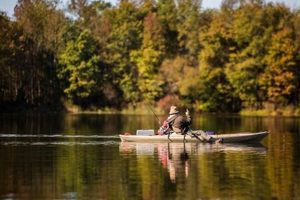
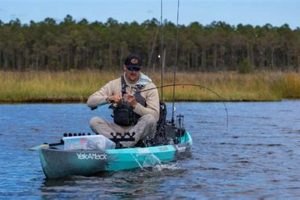
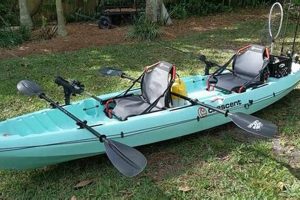
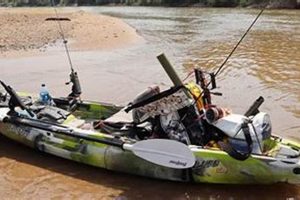
The pursuit of aquatic life from a small, portable, air-filled vessel offers a unique blend of mobility and affordability. Anglers can access shallow waters, navigate narrow streams, and transport their craft with relative ease, often reaching locations inaccessible to larger, traditional boats. This method allows for a close-to-nature experience, enhancing the enjoyment of the sport.
This approach has grown in popularity due to advancements in inflatable kayak design and technology. Durable materials, improved stability features, and specialized fishing accessories have transformed these once simple rafts into capable fishing platforms. The reduced cost compared to traditional boats and the ease of storage and transport have broadened the accessibility of the sport, attracting a new generation of anglers. This form of angling has a rich history, evolving from basic floatation devices to the sophisticated vessels available today.
This article will explore various aspects of this specialized angling technique, including choosing the right equipment, essential safety precautions, effective fishing strategies, and popular destinations. It will also delve into the environmental considerations and responsible practices associated with this increasingly popular activity.
Tips for Kayak Fishing
Preparation and careful consideration are essential for a successful and enjoyable kayak fishing experience. The following tips offer valuable insights for anglers of all skill levels.
Tip 1: Choose the Right Kayak: Kayak selection should be based on individual needs and fishing style. Consider factors such as stability, length, weight capacity, and available storage space for gear.
Tip 2: Prioritize Safety: Always wear a personal flotation device (PFD) and carry essential safety equipment, including a whistle, signaling device, and first-aid kit. Check weather conditions before embarking and inform someone of the intended fishing location and return time.
Tip 3: Distribute Weight Evenly: Proper weight distribution is crucial for kayak stability. Gear should be balanced throughout the vessel, avoiding overloading in any one area. Low center of gravity enhances stability.
Tip 4: Practice Paddling and Maneuvering: Become familiar with paddling techniques and maneuvering the kayak before venturing into fishing areas. Practice in calm water to develop confidence and control.
Tip 5: Use Appropriate Fishing Gear: Opt for shorter rods and reels designed for kayak fishing. Select tackle and lures suitable for the target species and fishing environment.
Tip 6: Employ Anchoring or Drifting Techniques: Effectively anchoring or drifting allows anglers to target specific areas and maintain position in the current. Learn appropriate anchoring techniques for various water conditions.
Tip 7: Respect the Environment: Practice Leave No Trace principles. Pack out all trash and avoid disturbing natural habitats. Adhere to fishing regulations and handle fish with care.
By adhering to these guidelines, anglers can enhance their safety, improve their fishing success, and contribute to the preservation of the natural environment.
These tips provide a solid foundation for a rewarding experience on the water. Further sections of this article will delve into specific techniques and strategies for various fishing environments and target species.
1. Kayak Selection

Appropriate kayak selection is paramount for a successful inflatable kayak fishing excursion. The vessel serves as the angler’s primary platform and significantly influences stability, mobility, and overall fishing effectiveness. Choosing the correct kayak involves careful consideration of several key factors.
- Length and Width:
Longer kayaks generally track straighter and offer more storage space, while shorter kayaks provide enhanced maneuverability in tight spaces. Wider kayaks offer increased stability, a crucial factor when casting and reeling in fish, whereas narrower kayaks are faster and more efficient for paddling longer distances. A balance between stability and maneuverability is often desired for fishing.
- Weight Capacity:
The kayak’s weight capacity must accommodate the angler’s weight, fishing gear, and any potential catch. Exceeding the weight capacity compromises stability and can lead to capsizing. Careful consideration of anticipated loads is essential for safety and performance.
- Material and Construction:
Inflatable kayaks are typically constructed from durable PVC or Hypalon. Heavier-duty materials offer increased resistance to punctures and abrasion but may increase overall weight. Reinforced seams and multiple air chambers enhance durability and safety. The choice of material impacts the kayak’s longevity and performance in various water conditions.
- Features and Accessories:
Specific features, such as rod holders, anchor mounts, and storage compartments, can significantly enhance the fishing experience. Adjustable seating positions contribute to comfort during long hours on the water. Integrated features streamline the angling process and improve overall efficiency.
Careful evaluation of these factors ensures the chosen kayak aligns with the angler’s individual needs and fishing style. A properly selected kayak contributes significantly to a safe, comfortable, and productive fishing experience from an inflatable platform.
2. Safety Precautions

Safety precautions are paramount when fishing from an inflatable kayak. The inherent characteristics of these vessels, while offering advantages in portability and accessibility, necessitate heightened awareness of potential risks. Neglecting safety protocols can lead to serious consequences, including capsizing, injury, or even fatality. The interplay between environmental factors, such as changing weather conditions and water currents, and the lightweight nature of inflatable kayaks underscores the importance of meticulous safety practices.
Consider the scenario of an angler venturing onto a large body of water without a personal flotation device (PFD). An unexpected gust of wind or a passing boat’s wake could easily destabilize the kayak, leading to capsize. Without a PFD, the angler’s ability to self-rescue or remain afloat until help arrives is severely compromised. Similarly, failing to check weather forecasts before embarking on a fishing trip could expose the angler to sudden storms or rapidly changing conditions, increasing the risk of capsize or hypothermia. A practical understanding of self-rescue techniques, such as re-entering a capsized kayak, is essential. Regular practice in calm water conditions allows anglers to develop the necessary skills and confidence to react effectively in an emergency.
In conclusion, a comprehensive understanding of safety precautions is not merely a recommended practice but a fundamental requirement for responsible inflatable kayak fishing. Prioritizing safety through consistent adherence to established protocols, including wearing a PFD, checking weather conditions, carrying essential safety equipment, and understanding self-rescue techniques, significantly mitigates risks and ensures a more enjoyable and secure angling experience. These precautions empower anglers to focus on the sport while minimizing the potential for preventable accidents.
3. Fishing Techniques
Effective fishing techniques from an inflatable kayak necessitate adaptation to the unique challenges and opportunities presented by this platform. The inherent instability of an inflatable kayak compared to traditional boats requires modified casting techniques and a heightened awareness of balance. Anglers must consider the impact of wind and currents on kayak positioning and adjust their approach accordingly. For example, drift fishing techniques, where the kayak moves naturally with the current, can be highly effective for covering larger areas and targeting specific structures. Conversely, anchoring techniques, essential for maintaining position in windy conditions or faster currents, require careful consideration of anchor placement and retrieval to avoid capsizing.
The limited space available on an inflatable kayak demands streamlined tackle organization and efficient gear management. Rod holders, strategically placed within easy reach, are crucial for preventing tangles and maximizing fishing time. Using shorter rods designed specifically for kayak fishing enhances maneuverability and control. Furthermore, the choice of lures and bait must be tailored to the target species and the specific fishing environment. For instance, lighter lures might be more suitable for shallow waters accessible by inflatable kayaks, while heavier lures might be necessary in deeper waters or stronger currents. Understanding the impact of these factors on fishing success directly translates to a more productive and enjoyable experience.
Adapting fishing techniques to the specific characteristics of an inflatable kayak is essential for maximizing success and safety on the water. The inherent limitations of space and stability require careful consideration of tackle organization, casting methods, and kayak positioning strategies. By acknowledging these constraints and employing appropriate techniques, anglers can effectively leverage the advantages of inflatable kayaks, such as their portability and accessibility to shallow waters, to enhance their fishing experience. This adaptability underscores the practical significance of understanding the interplay between fishing techniques and the inflatable kayak platform.
4. Location Scouting

Location scouting plays a crucial role in successful inflatable kayak fishing. Unlike larger motorized boats, inflatable kayaks offer unique access to shallow waters, narrow creeks, and areas inaccessible to traditional vessels. Effectively identifying these advantageous locations requires careful consideration of factors such as water depth, current flow, vegetation, and the presence of target species. For example, a shallow, slow-moving creek choked with fallen trees might prove ideal for targeting bass or panfish, while a wider, deeper river channel could be more suitable for catfish or carp. Utilizing online mapping tools, local fishing reports, and knowledge of aquatic ecosystems enhances scouting effectiveness. Physical inspection of potential locations, considering factors like accessibility for launching and landing the kayak, further refines the selection process. This pre-fishing preparation significantly contributes to optimizing fishing time and maximizing the chances of success.
The portability and ease of transport of inflatable kayaks expand the range of potential fishing locations. Anglers are no longer limited to areas with boat ramps or established access points. This advantage, however, necessitates a more comprehensive approach to location scouting. Consider an angler seeking to target trout in a remote mountain stream. Successfully accessing this location might involve hiking a considerable distance with the deflated kayak, requiring careful assessment of terrain, potential obstacles, and the physical demands involved. Understanding local regulations regarding access and permitted fishing areas is also crucial during the scouting process. Ignoring these factors can lead to wasted time, potential legal issues, or safety risks. Therefore, thorough location scouting becomes an integral part of the inflatable kayak fishing experience, impacting not only fishing success but also safety and responsible resource management.
In summary, effective location scouting is inextricably linked to successful inflatable kayak fishing. The ability to access diverse and often remote locations necessitates a comprehensive understanding of target species habitat, water conditions, accessibility, and relevant regulations. This proactive approach maximizes the advantages offered by inflatable kayaks, enabling anglers to explore new waters and enhance their fishing experiences while promoting responsible and sustainable angling practices.
5. Environmental Awareness

Environmental awareness is an integral aspect of responsible inflatable kayak fishing. The very nature of this activity, which often takes anglers into close proximity with fragile ecosystems, necessitates a heightened understanding of potential impacts and the adoption of sustainable practices. Minimizing the environmental footprint associated with inflatable kayak fishing ensures the preservation of these natural resources for future generations of anglers and contributes to the overall health of aquatic ecosystems.
- Leave No Trace Principles
Adhering to Leave No Trace principles is fundamental to environmentally responsible kayak fishing. This involves packing out all trash, including fishing line and discarded tackle, minimizing disturbance to vegetation and wildlife, and respecting other recreational users of the waterway. Practical examples include carrying a dedicated trash bag, properly disposing of fish entrails away from the water’s edge, and avoiding landing the kayak in sensitive riparian zones. These actions prevent pollution, habitat degradation, and disturbance to wildlife, preserving the natural integrity of the fishing environment.
- Respect for Aquatic Life
Respect for aquatic life extends beyond adhering to catch limits and size regulations. Handling fish with care, minimizing air exposure, and using appropriate catch-and-release techniques minimize stress and increase survival rates. For example, using barbless hooks reduces injury to fish during release. Wetting hands before handling fish prevents the removal of their protective slime coat. These practices demonstrate a commitment to conservation and the long-term health of fish populations.
- Invasive Species Awareness
Preventing the spread of invasive species is crucial for maintaining healthy aquatic ecosystems. Thoroughly cleaning kayaks, paddles, and fishing gear after each outing removes any attached plant fragments or aquatic organisms that could be transported to new water bodies. Draining bilge water and live wells before leaving a fishing location further reduces the risk of introducing invasive species. This awareness and proactive approach safeguards native ecosystems from the detrimental impacts of non-native species.
- Water Quality Protection
Protecting water quality is essential for maintaining healthy aquatic environments. Avoiding the use of harmful chemicals, such as non-biodegradable soaps and insect repellents, prevents contamination of waterways. Properly disposing of human waste and minimizing fuel spills also contribute to water quality preservation. These actions safeguard the delicate balance of aquatic ecosystems, ensuring the long-term health and sustainability of fish populations and other aquatic organisms.
By integrating these principles of environmental awareness into inflatable kayak fishing practices, anglers contribute to the long-term health and sustainability of aquatic ecosystems. This responsible approach ensures the continued enjoyment of the sport while preserving the natural beauty and biodiversity of these valuable resources. The interconnectedness of environmental stewardship and the inflatable kayak fishing experience underscores the importance of adopting sustainable practices for the benefit of both the environment and future generations of anglers.
Frequently Asked Questions
This section addresses common inquiries regarding inflatable kayak fishing, providing concise and informative responses to enhance understanding and promote safe and effective angling practices.
Question 1: Are inflatable kayaks stable enough for fishing?
Modern inflatable kayaks designed for fishing offer remarkable stability due to wide beam designs, multiple air chambers, and advanced construction materials. However, stability can be affected by factors such as weight distribution and water conditions. Proper weight balancing and adherence to manufacturer recommendations are essential for maximizing stability.
Question 2: What are the advantages of fishing from an inflatable kayak?
Inflatable kayaks offer several advantages, including portability, affordability, and accessibility to shallow waters and difficult-to-reach fishing spots. Their lightweight nature facilitates transport and storage, while the relatively low cost compared to traditional boats makes them an attractive option for anglers on a budget.
Question 3: What safety precautions are essential for inflatable kayak fishing?
Wearing a personal flotation device (PFD) is paramount. Checking weather forecasts before embarking on a fishing trip and informing someone of the intended location and return time are crucial safety measures. Carrying essential safety equipment, including a whistle, signaling device, and first-aid kit, is also highly recommended.
Question 4: What type of fishing gear is best suited for inflatable kayaks?
Shorter fishing rods and reels designed specifically for kayak fishing enhance maneuverability and control within the confined space of the kayak. Selecting tackle and lures appropriate for the target species and fishing environment is essential for optimizing fishing effectiveness.
Question 5: How durable are inflatable kayaks for fishing?
Modern inflatable kayaks constructed from durable materials such as PVC or Hypalon offer excellent resistance to punctures and abrasion. Reinforced seams and multiple air chambers enhance durability and safety. Proper care and maintenance, including thorough cleaning and drying after each use, contribute to the kayak’s longevity.
Question 6: Are inflatable kayaks suitable for all types of water?
While inflatable kayaks excel in calm waters and slow-moving rivers, certain models designed for whitewater conditions can handle more challenging environments. However, it is essential to choose a kayak appropriate for the intended water conditions and to adhere to manufacturer recommendations regarding usage limitations.
Understanding these commonly addressed concerns contributes to a safer and more rewarding inflatable kayak fishing experience. Careful consideration of individual needs and fishing style, combined with adherence to safety precautions and responsible angling practices, ensures the enjoyment of this increasingly popular sport.
This concludes the frequently asked questions section. The following sections will delve into advanced techniques and specialized strategies for maximizing fishing success from an inflatable kayak.
Conclusion
This exploration of fishing from inflatable kayaks has highlighted the unique blend of accessibility, affordability, and adventure inherent in this rapidly growing angling discipline. From selecting the appropriate vessel and prioritizing essential safety measures to mastering specialized fishing techniques and embracing environmental stewardship, the multifaceted nature of this pursuit necessitates careful consideration and informed decision-making. The advantages of inflatable kayaks, such as their portability and ability to access shallow, secluded waters, expand angling opportunities while requiring careful planning and adaptation of traditional fishing methods. The emphasis on safety precautions, including the consistent use of personal flotation devices and adherence to established protocols, underscores the importance of responsible angling practices.
The future of fishing from inflatable kayaks appears promising, driven by continuous advancements in kayak design and technology. As awareness of the environmental benefits and unique angling experiences offered by this approach grows, responsible adoption and sustainable practices will be crucial for preserving the natural resources that underpin this rewarding pursuit. The potential for exploration and connection with nature, combined with the challenge of mastering specialized techniques, positions inflatable kayak fishing as a dynamic and evolving segment of the angling community. Ultimately, the success and sustainability of this activity rely on the collective commitment of anglers to prioritize safety, respect aquatic ecosystems, and embrace the principles of responsible resource management.