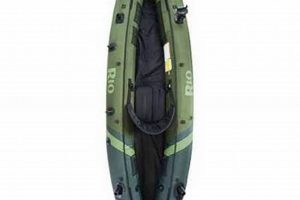
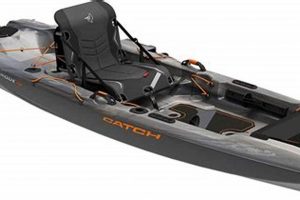
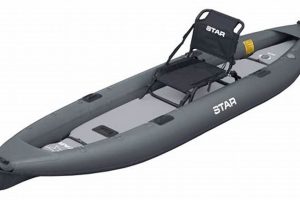
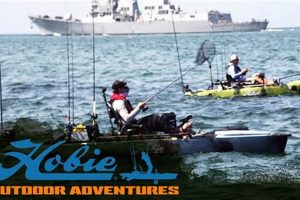
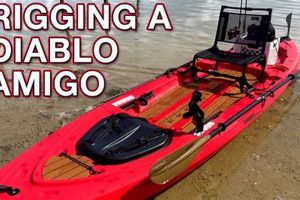
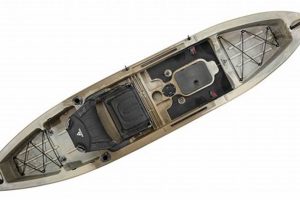
Modifying a kayak specifically designed for angling with specialized equipment or accessories enhances its functionality and the angler’s experience. Examples include installing rod holders, fish finders, anchor trolleys, or improved seating systems. These modifications can range from simple additions to more complex integrations, all aimed at improving comfort, efficiency, and overall fishing success.
Enhanced angling capabilities are the primary driver behind these modifications. A well-equipped kayak provides a stable, mobile platform for accessing fishing spots often unreachable by larger boats. Customizations allow anglers to carry more gear, locate fish more effectively, and manage lines and equipment with greater ease, ultimately leading to a more productive and enjoyable fishing experience. Over time, advancements in kayak design and fishing technology have led to a wider array of readily available customization options, making sophisticated enhancements more accessible to the average angler.
The following sections will explore specific categories of enhancements, offering detailed insights into their selection, installation, and benefits. Topics covered will include improving stability and comfort, optimizing storage and organization, integrating electronics and navigation tools, and selecting specialized fishing accessories. Each section will provide practical advice to help anglers choose the most appropriate modifications for their individual needs and fishing styles.
Enhancements for Fishing Kayaks
Careful consideration of modifications can significantly improve on-the-water experiences. The following recommendations offer guidance for maximizing kayak functionality and fishing success.
Tip 1: Prioritize Stability. Outriggers or wider hulls offer increased stability, crucial for anglers standing to cast or reeling in larger fish. Stability enhancements minimize the risk of capsizing, especially in challenging conditions.
Tip 2: Optimize Storage. Storage solutions, such as crates, tackle boxes, and rod holders, keep essential gear organized and accessible. Efficient organization maximizes deck space and minimizes clutter, promoting a more productive fishing environment.
Tip 3: Integrate Electronics Strategically. Fish finders and GPS units provide valuable information about water depth, fish location, and navigation. Careful placement and secure mounting ensure these tools remain functional and accessible without hindering paddling or casting.
Tip 4: Choose Appropriate Seating. Comfortable and supportive seating allows for extended fishing trips without discomfort. Adjustable seating positions accommodate different paddling and fishing styles. Consider materials that offer breathability and durability in wet conditions.
Tip 5: Anchor Effectively. Anchor trolleys or stake-out poles offer precise boat control in currents or windy conditions, keeping anglers positioned over promising fishing spots. Select an anchoring system suitable for the target fishing environment.
Tip 6: Enhance Visibility. High-visibility flags and lights improve safety, especially in low-light conditions or crowded waterways. These enhancements make kayaks more visible to other boaters, reducing the risk of collisions.
Tip 7: Protect Your Investment. Regular cleaning and maintenance of kayak modifications ensure longevity and optimal performance. Proper storage and protection from the elements prevent premature wear and tear.
Implementing these enhancements allows anglers to tailor their kayaks to specific needs and fishing styles, leading to improved efficiency, comfort, and ultimately, greater success on the water.
By considering these points, anglers can confidently select modifications that best suit their individual requirements and enhance overall fishing experiences.
1. Comfort

Comfort plays a crucial role in the effectiveness of fishing kayak upgrades. Extended periods on the water require ergonomic design and adaptable features to minimize fatigue and maximize focus on fishing. An uncomfortable angler is a distracted angler, less likely to react quickly to a catch or remain vigilant about changing water conditions. Discomfort can curtail fishing trips prematurely, limiting overall enjoyment and potentially impacting the success of the outing.
Several upgrades directly address comfort. Adjustable seating systems with lumbar support and breathable fabrics alleviate pressure points and promote proper posture. Customizable footrests accommodate varying leg lengths, contributing to stability and balance. Ergonomically designed paddles reduce strain on wrists and shoulders, allowing for longer paddling sessions without fatigue. Even seemingly minor upgrades, such as padded seat cushions or backrests, can significantly enhance overall comfort and endurance, particularly during long fishing trips. For example, switching to a higher-backed seat with improved lumbar support can drastically improve comfort for anglers with back issues, allowing them to spend more time on the water.
Prioritizing comfort in fishing kayak upgrades directly translates to improved fishing performance and enjoyment. A comfortable angler can maintain focus and react efficiently, increasing the likelihood of a successful catch. Furthermore, enhanced comfort extends the duration of fishing trips, allowing anglers to explore more water and maximize their time on the water. Selecting comfort-focused upgrades requires careful consideration of individual physical needs and fishing style. Addressing these factors contributes significantly to a more positive and productive fishing experience overall.
2. Stability
Stability is a paramount consideration in fishing kayak upgrades. A stable platform is essential for casting effectively, reeling in fish, and remaining safe in varying water conditions. Upgrades that enhance stability directly contribute to angler confidence and overall fishing success. Compromised stability can lead to difficulties in casting accuracy, challenges in landing fish, and potentially dangerous situations, especially in rough waters or when handling larger catches.
- Hull Design
Hull design significantly influences kayak stability. Wider hulls and those with a flatter bottom offer greater initial stability, making them less prone to tipping. However, these designs often sacrifice maneuverability. Longer, narrower hulls provide better tracking and speed but can feel less stable, particularly for anglers new to kayaking. Upgrading to a wider, more stable hull, or adding outriggers, can dramatically improve stability for anglers prioritizing a secure platform, especially when standing to cast or fight fish. For example, a pontoon-style hull or add-on outriggers create a wider base, enhancing stability for activities like sight casting or fly fishing.
- Weight Distribution
Proper weight distribution plays a critical role in maintaining kayak stability. Evenly distributing gear and equipment throughout the kayak minimizes rocking and improves balance. Upgrades such as strategically placed storage compartments and anchor trolleys contribute to optimal weight management. Positioning heavier items lower in the kayak and closer to the center improves stability. For instance, storing tackle boxes and batteries near the center of gravity reduces the likelihood of tipping, especially when maneuvering in currents or wind. Conversely, uneven weight distribution, such as concentrating weight at one end, can significantly compromise stability and increase the risk of capsizing.
- Environmental Factors
Environmental conditions like wind, waves, and currents directly impact kayak stability. Strong winds and choppy waters can easily destabilize a kayak, particularly those with narrower hulls. Upgrades designed to improve tracking and reduce wind resistance, such as skegs or rudders, enhance stability in challenging conditions. Understanding the anticipated fishing environment and selecting appropriate stability enhancements is crucial for safety and successful fishing. For example, adding a rudder improves directional control in windy conditions, reducing the likelihood of the kayak being pushed off course or becoming unstable due to wind pressure.
- Angler Movement
Angler movement within the kayak, such as standing to cast or leaning over to retrieve a dropped item, significantly affects stability. Upgrades like wider decks, non-slip surfaces, and strategically placed grab handles enhance stability during these movements. Practicing movements within the kayak and understanding its balance points improve angler confidence and reduce the risk of accidental capsizing. For example, adding a standing platform provides a more secure and stable footing when casting or landing fish, minimizing the risk of losing balance.
Addressing stability through targeted upgrades enhances fishing kayak performance and safety. Considering hull design, weight distribution, environmental factors, and angler movement allows informed decisions that optimize stability for specific fishing styles and conditions. A stable kayak improves casting accuracy, facilitates fish handling, and promotes a safer, more enjoyable fishing experience overall. Ultimately, prioritizing stability in fishing kayak upgrades ensures a more confident and successful outing on the water.
3. Storage

Effective storage solutions are integral to successful fishing kayak upgrades. Organized storage directly impacts efficiency and safety on the water. A cluttered kayak impedes movement, hinders access to essential gear, and presents safety hazards. Well-designed storage systems maximize available space, allowing anglers to carry necessary equipment while maintaining a clear and functional fishing platform.
- Tackle Organization
Efficient tackle organization is paramount. Specialized tackle boxes, trays, and bags designed for kayak fishing keep lures, hooks, and other small items readily accessible. Modular systems allow for customization based on individual fishing styles and target species. Securing tackle storage prevents shifting and spills, maintaining order even in rough conditions. For example, a waterproof tackle box with adjustable compartments keeps lures organized and protected from the elements, ensuring quick access to the right lure at the right time.
- Rod Storage and Management
Secure and accessible rod storage is crucial. Flush-mounted rod holders keep rods out of the way while paddling and protect them from damage. Adjustable rod holders accommodate different rod lengths and fishing techniques. Rod leashes prevent loss in the event of a capsize. Well-placed rod holders contribute to a clutter-free deck, minimizing the risk of entanglement and facilitating efficient lure changes. For instance, angled rod holders positioned behind the angler provide easy access without interfering with paddling strokes.
- Gear Storage and Accessibility
Dry storage compartments protect essential gear from water damage. Waterproof bags and hatches keep electronics, clothing, and other valuables dry. Accessibility is key frequently used items should be within easy reach. Strategic placement of storage compartments maximizes space utilization and minimizes disruption to the angler’s movement. For example, a waterproof hatch located within easy reach of the seating area provides convenient access to essential items like sunscreen, snacks, or a first-aid kit.
- Space Optimization and Customization
Maximizing limited kayak space requires careful planning and customization. Utilizing vertical space with storage racks and overhead compartments increases capacity. Customizable storage solutions cater to specific gear requirements and fishing styles. Modular systems allow for adaptation to changing needs and evolving fishing techniques. For instance, adding a milk crate system with customizable inserts allows anglers to tailor storage to their specific needs, accommodating everything from tackle boxes to fish finders.
Optimized storage solutions contribute significantly to a more efficient and enjoyable fishing kayak experience. Effective organization enhances safety by reducing clutter and improving access to essential gear. Strategic storage upgrades allow anglers to carry more equipment comfortably and maintain a clean, functional fishing platform, ultimately maximizing time on the water and increasing the chances of a successful catch.
4. Fishing Features

Specialized fishing features represent a core component of fishing kayak upgrades. These features directly enhance angling capability and differentiate a fishing kayak from a recreational model. They contribute significantly to on-the-water efficiency, enabling anglers to focus on the activity of fishing rather than managing equipment or navigating challenges. The integration of purpose-built fishing features transforms a standard kayak into a specialized angling platform, optimizing both comfort and effectiveness.
Several key fishing features illustrate this connection. Integrated rod holders provide secure storage and quick access to fishing rods, eliminating the need to balance them precariously or lay them across the deck. Anchor trolleys allow for precise boat positioning in current or wind, keeping the angler over target fishing areas without constant adjustments. Fish finders, GPS units, and mounting systems for electronics offer crucial information about water depth, fish location, and navigation, improving fishing success. Livewells or specialized coolers maintain the freshness of caught fish, extending fishing trips and preserving catches for later consumption. These features, while not universally necessary, contribute significantly to a more productive and enjoyable fishing experience. For example, incorporating a transducer mount for a fish finder allows anglers to locate fish more effectively, while the addition of a rudder improves maneuverability in challenging conditions, increasing overall fishing success.
Understanding the interplay between fishing features and kayak upgrades enables informed decision-making. Anglers can tailor their kayaks to specific fishing styles and target species. Coastal anglers might prioritize rod holders suited for saltwater fishing rods and robust anchor systems for dealing with currents. Freshwater anglers, particularly those targeting bass, might focus on fish finder integration and livewells. The careful selection and integration of fishing features enhance efficiency and enjoyment, transforming a basic kayak into a customized angling platform. Recognizing the role of these features in enhancing the overall fishing experience empowers anglers to create personalized and effective fishing kayak setups.
5. Safety
Safety is a paramount concern in fishing kayak upgrades. Modifications should not only enhance fishing capabilities but also prioritize angler well-being. Overlooking safety aspects can negate the benefits of other upgrades, potentially leading to hazardous situations. A comprehensive approach to safety ensures that modifications contribute to a secure and enjoyable fishing experience.
- Visibility
Enhanced visibility is crucial, especially in low-light conditions or crowded waterways. Brightly colored kayaks, high-visibility flags, and reflective tape make the kayak more conspicuous to other boaters. Navigation lights are essential for nighttime fishing. Increased visibility reduces the risk of collisions, a significant safety concern, especially in areas with heavy boat traffic. For example, adding reflective tape to the hull and a high-visibility flag to the stern significantly improves visibility from all angles, especially in low light or foggy conditions. This increased visibility enhances safety by alerting other boaters to the kayak’s presence, reducing the risk of collisions.
- Flotation and Self-Rescue
Adequate flotation is critical in the event of a capsize. Built-in flotation or supplemental flotation bags ensure the kayak remains buoyant, aiding self-rescue and preventing complete submersion. Carrying a bilge pump or bailing device allows for quick removal of water from the kayak’s cockpit after a capsize or in the event of waves splashing over the deck. Practicing self-rescue techniques and understanding how to re-enter the kayak after a capsize are vital skills for all kayakers. For example, incorporating float bags in the bow and stern compartments enhances buoyancy, assisting with self-rescue and preventing the kayak from sinking if it capsizes. Regular practice of self-rescue techniques further improves the chances of a safe recovery after an unexpected capsize.
- Communication and Emergency Preparedness
Reliable communication is essential for summoning assistance in emergencies. Carrying a waterproof VHF radio, a personal locator beacon (PLB), or a charged mobile phone in a waterproof case allows for communication with emergency services or other boaters. A whistle attached to a personal flotation device (PFD) provides a means of signaling for help in close proximity. Informing someone of the planned fishing location and estimated return time is a crucial safety precaution. For instance, a waterproof VHF radio enables direct communication with the Coast Guard and other vessels in the area, ensuring a quick response in case of an emergency. Carrying a fully charged mobile phone in a waterproof case offers an additional communication method, particularly in areas with cellular coverage.
- Personal Flotation Devices (PFDs)
Wearing a properly fitted and U.S. Coast Guard-approved PFD is non-negotiable. A PFD provides essential buoyancy in the event of a capsize, increasing the chances of survival. Modern PFDs are designed for comfort and minimal interference with paddling and fishing activities. Ensuring the PFD is in good condition and readily accessible is crucial. Regularly inspecting the PFD for wear and tear and understanding its proper use are essential safety practices. For example, choosing a PFD specifically designed for kayaking provides comfort and freedom of movement while paddling and fishing, while ensuring adequate flotation in case of an emergency.
Integrating these safety considerations into fishing kayak upgrades ensures a more secure and enjoyable experience. Prioritizing safety not only protects the angler but also allows for greater peace of mind, enabling a more focused and productive fishing outing. While enhanced fishing capabilities are desirable, they should never come at the expense of safety. A comprehensive approach to safety complements other upgrades, ensuring that modifications contribute to a responsible and successful experience on the water. By considering and implementing these safety upgrades, anglers can enhance their fishing experience without compromising their well-being.
Frequently Asked Questions about Fishing Kayak Upgrades
This section addresses common inquiries regarding fishing kayak modifications, offering concise and informative responses to assist anglers in making informed decisions.
Question 1: What are the most beneficial upgrades for a beginner kayak angler?
Prioritizing stability and comfort is recommended for beginners. A stable kayak builds confidence, while a comfortable seat and adjustable footrests allow for longer fishing trips. Essential fishing features include a basic rod holder and a simple anchor system.
Question 2: How does one determine kayak stability limitations before adding upgrades?
Consulting the kayak manufacturer’s specifications provides initial stability information. Practical on-water testing with anticipated gear and under expected conditions helps assess real-world stability limitations. Gradual experimentation with weight distribution and movement helps determine stability boundaries.
Question 3: Can excessive upgrades negatively impact kayak performance?
Excessive modifications can add weight, reducing maneuverability and impacting paddling efficiency. Overcrowding the deck with accessories hinders movement and creates entanglement hazards. A balanced approach, prioritizing essential upgrades, is crucial for optimal performance.
Question 4: Are professional installation services recommended for certain upgrades?
Complex electrical installations, such as fish finders and trolling motors, often benefit from professional expertise. Incorrect wiring can damage equipment or create safety hazards. Professional installation ensures proper functionality and adherence to safety standards.
Question 5: How does one choose between a new fishing kayak and upgrading an existing one?
Budget, existing kayak condition, and desired features influence this decision. Upgrading an existing kayak is often more cost-effective, while purchasing a new model offers a blank slate for customization and may incorporate newer hull designs or technologies. A thorough assessment of needs and available options informs the optimal choice.
Question 6: How does regular maintenance contribute to the longevity of kayak upgrades?
Regular cleaning prevents corrosion and material degradation, particularly for hardware and electronic components exposed to saltwater. Proper storage protects the kayak and its upgrades from UV damage and weathering. Routine maintenance ensures the continued functionality and extends the lifespan of modifications.
Careful consideration of these frequently asked questions empowers anglers to make well-informed decisions regarding fishing kayak upgrades. A thoughtful approach to modifications ensures a safer, more enjoyable, and productive experience on the water.
For further information on specific upgrade options, please consult the detailed sections below.
Fishing Kayak Upgrades
Strategic fishing kayak upgrades offer significant advantages, transforming a standard platform into a personalized and highly effective fishing machine. From enhanced stability and comfort to specialized fishing features and crucial safety considerations, modifications cater to individual angler needs and diverse fishing styles. Careful consideration of hull design, storage solutions, electronics integration, and safety enhancements empowers anglers to create optimized setups for specific fishing environments and target species.
Ultimately, successful fishing kayak upgrades represent an investment in improved angling experiences. Informed decision-making and meticulous implementation maximize on-the-water efficiency, comfort, and safety, enabling anglers to fully focus on the pursuit of their passion. The continuous evolution of kayak technology and fishing equipment promises further advancements, offering even greater potential for customization and enhanced angling experiences in the future.