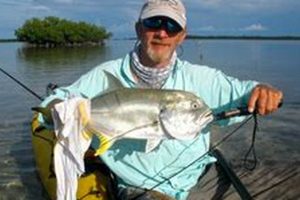
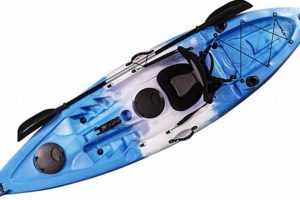
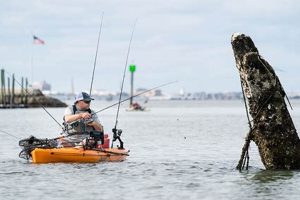
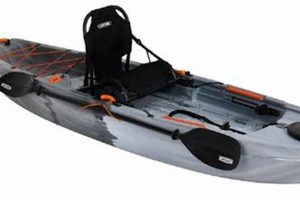
Customizations made to kayaks specifically for angling are commonly referred to as fishing kayak enhancements. These alterations range from simple additions, such as rod holders and anchor trolleys, to more complex integrations like fish finders, live wells, and electric motors. A typical example might involve mounting a GPS unit and transducer to a kayak for improved navigation and fish location.
Enhanced angling experiences are the primary objective of these kayak modifications. They provide anglers with improved functionality, comfort, and efficiency on the water. Historically, kayak fishing relied on simpler, often homemade adaptations. The modern market now offers a vast array of specialized equipment, reflecting the growing popularity and sophistication of this fishing style. These enhancements allow for greater precision in fishing techniques, longer trips with increased comfort, and ultimately, higher chances of success.
This discussion will further explore various categories of kayak fishing enhancements, including electronics, storage solutions, propulsion systems, and comfort upgrades. The information provided aims to guide anglers in selecting the most appropriate modifications based on individual needs, fishing styles, and budgetary considerations.
Tips for Kayak Fishing Enhancements
Careful planning and execution are crucial for successful kayak fishing modifications. The following tips offer guidance for maximizing effectiveness and ensuring safety.
Tip 1: Prioritize Stability: Begin with modifications that enhance stability. A stable platform is paramount for safe and effective fishing. Consider outriggers or wider hulls before adding features that raise the center of gravity.
Tip 2: Plan for Weight Distribution: Distribute weight evenly throughout the kayak. Consider the placement of gear, batteries, and other accessories to maintain balance and prevent tipping. Use waterproof storage bags and compartments to secure equipment and protect it from water damage.
Tip 3: Choose Marine-Grade Materials: Opt for corrosion-resistant, marine-grade materials for all modifications. Saltwater environments can quickly degrade inferior materials. Stainless steel hardware and UV-resistant plastics are recommended for longevity and durability.
Tip 4: Research Compatibility: Ensure compatibility between the kayak and chosen modifications. Check manufacturer specifications and user reviews before purchasing or installing any new equipment. Consider factors such as weight capacity, hull design, and available mounting points.
Tip 5: Test in Controlled Environments: Test all modifications in calm, controlled environments before venturing into open water. This allows for adjustments and familiarization with new equipment, promoting safety and preventing mishaps during actual fishing trips.
Tip 6: Consider Comfort and Ergonomics: Incorporate ergonomic considerations into modifications. Adjustable seating, footrests, and rod holders enhance comfort during long fishing trips, reducing fatigue and promoting enjoyment.
Tip 7: Minimize Clutter: Keep modifications streamlined and organized. Avoid excessive additions that can create clutter and interfere with fishing activities. Prioritize essential features for a clean and efficient setup.
By following these tips, anglers can create a customized kayak fishing platform optimized for safety, efficiency, and enjoyment. Proper planning and execution ensure that modifications enhance the fishing experience rather than detract from it.
The following section will delve into specific examples of popular kayak fishing enhancements and offer further guidance on their selection and installation.
1. Rod Holders

Rod holders represent an essential component within the broader context of fishing kayak modifications. They provide secure storage and convenient access to fishing rods, directly impacting angling efficiency and safety. Without dedicated rod holders, anglers face the challenges of juggling rods while paddling, maneuvering, and landing fish, increasing the risk of tangling lines, losing rods overboard, or even capsizing. Dedicated rod holders alleviate these issues, allowing anglers to focus on fishing techniques and fish handling. For example, trolling multiple lines becomes significantly more manageable with strategically positioned rod holders, maximizing fishing coverage. Similarly, having rods readily available in holders enables swift reactions to strikes, improving hook-set ratios.
Various rod holder designs cater to specific fishing styles and kayak configurations. Flush-mounted rod holders offer a streamlined profile, minimizing interference with paddling. Adjustable rod holders allow for customized angles, optimizing presentation for different fishing techniques. Rotating rod holders facilitate maneuverability when fighting larger fish. The selection of appropriate rod holders depends on factors such as target species, fishing environment, and personal preference. A kayak configured for offshore trolling might prioritize multiple adjustable rod holders, while a kayak intended for inshore fishing might benefit from a combination of flush-mounted and rotating rod holders.
Effective integration of rod holders into the overall kayak setup is paramount. Placement considerations must account for balance, accessibility, and interference with other equipment. Poorly positioned rod holders can compromise stability, impede paddling strokes, or create entanglement hazards. Careful planning and installation ensure that rod holders enhance, rather than detract from, the fishing experience. This understanding of the crucial role and practical application of rod holders within the realm of fishing kayak modifications ultimately contributes to improved angling success and safety on the water.
2. Fish Finders
Fish finders represent a significant advancement in kayak fishing technology, transforming how anglers locate and target fish. Integrating a fish finder into a kayak setup dramatically increases angling efficiency by providing real-time underwater insights. This technology allows anglers to identify fish-holding structures, determine water depth and temperature, and even observe individual fish movements, all crucial factors for successful angling. Understanding the capabilities and effective utilization of fish finders is essential for maximizing their potential within the context of kayak fishing modifications.
- Transducer Selection and Placement
Choosing the correct transducer and mounting location is fundamental to accurate fish finder readings. Different transducer types, such as transom-mount, through-hull, and in-hull, offer varying performance characteristics. Transom-mount transducers are common choices for kayaks due to their ease of installation. However, careful placement is crucial to avoid interference from the kayak’s hull or other equipment. Correct transducer placement ensures optimal sonar cone coverage and minimizes signal distortion, providing clear and accurate underwater images.
- Display Interpretation and Utilization
Effectively interpreting the information displayed on the fish finder screen is critical for successful angling. Anglers must learn to distinguish between fish, vegetation, and bottom structure based on sonar returns. Understanding how water depth, temperature, and bottom contours influence fish behavior is essential for targeted fishing strategies. Utilizing fish finder features such as zoom, gain adjustment, and fish ID symbols allows anglers to fine-tune their search and focus on promising areas. For instance, identifying a thermocline on the fish finder can lead anglers to prime fishing zones where different water temperatures converge.
- Power Management and Battery Considerations
Fish finders consume power, making battery management crucial, especially on extended kayak fishing trips. Anglers must choose appropriate battery types and capacities to ensure sufficient power for both the fish finder and other onboard electronics. Calculating estimated power consumption and utilizing power-saving features on the fish finder can extend battery life. Carrying a spare battery or incorporating a solar charging system provides backup power and extends fishing time. Understanding power management ensures uninterrupted operation of the fish finder and other essential electronics throughout the fishing trip.
- Integration with other Kayak Modifications
Integrating the fish finder seamlessly with other kayak modifications enhances overall fishing effectiveness. Positioning the fish finder display within easy reach and view from the paddling position minimizes disruption during fishing. Connecting the fish finder to a GPS unit allows for marking waypoints of productive fishing spots and navigating back to them later. Combining fish finder data with information from other onboard electronics, such as chartplotters or depth sounders, provides a comprehensive understanding of the underwater environment and enhances decision-making during fishing.
By understanding these facets of fish finder integration, anglers can transform their kayaks into highly effective fishing platforms. The combination of real-time underwater intelligence, strategic positioning, and efficient power management significantly improves the odds of angling success. The strategic implementation of fish finders within a broader framework of kayak fishing modifications empowers anglers to make informed decisions, target fish more efficiently, and ultimately, enjoy a more productive and rewarding fishing experience.
3. Anchor Systems

Anchor systems represent a crucial aspect of fishing kayak modifications, directly influencing angling effectiveness and safety. A well-chosen and properly deployed anchor system allows anglers to maintain position in desired fishing locations, counteracting the effects of wind, current, and drift. This positional stability is paramount for various fishing techniques, including bottom fishing, jigging, and casting to specific structures. Without an effective anchor system, kayaks become susceptible to undesirable movements, compromising fishing precision and potentially leading to hazardous situations, particularly in challenging conditions. For example, in strong currents or windy conditions, an unanchored kayak can quickly drift away from target fishing zones, requiring constant paddling adjustments, reducing fishing time, and increasing angler fatigue. A secure anchor system eliminates these issues, allowing anglers to focus on fishing rather than battling environmental forces. Consider a scenario where an angler identifies a promising fishing spot using a fish finder a submerged reef or drop-off. Without an anchor, the kayak might drift past the target zone before the angler can effectively present their bait or lure. An anchor system ensures that the kayak remains stationary over the chosen spot, maximizing fishing opportunities.
Several anchor system types cater to different kayak fishing needs and environments. Folding grapnel anchors are popular choices for their compact size and strong holding power in various bottom types. Drift chute anchors offer controlled drifting in current-prone areas, allowing anglers to cover water methodically. Stake-out poles provide secure anchoring in shallow water environments with suitable bottoms. The selection of an appropriate anchor system depends on factors such as water depth, bottom composition, current strength, and anticipated fishing techniques. A kayak angler fishing in shallow, weedy areas might opt for a stake-out pole, while an angler targeting deeper, rocky areas would likely choose a grapnel anchor. Beyond anchor type, the anchor trolley system, a series of pulleys and lines, plays a crucial role in controlling anchor deployment and positioning from the seated position. This system allows anglers to adjust the anchor’s angle and hold, optimizing positioning for specific fishing scenarios. For instance, adjusting the anchor trolley allows an angler to face the kayak into the current or wind, maintaining stability and presenting bait or lures effectively.
Effective anchor system deployment and retrieval are fundamental to safe and efficient kayak fishing. Understanding proper techniques for setting the anchor, adjusting the anchor line, and retrieving the anchor minimizes risks and prevents entanglement hazards. Furthermore, regular maintenance of anchor components, including rope inspection and anchor cleaning, ensures reliable performance and prolongs the lifespan of the system. Proper anchor system management contributes significantly to an enhanced and safer kayak fishing experience, allowing anglers to focus on the pursuit of their target species without the constant concern of unwanted drift or precarious positioning. This understanding of the critical role and practical application of anchor systems in kayak fishing modifications highlights its importance as a component of a well-equipped and effectively configured fishing kayak.
4. Storage Solutions

Effective storage solutions are integral to successful fishing kayak modifications. A well-organized kayak directly impacts angling efficiency and safety. Limited space necessitates strategic storage planning to accommodate tackle, safety gear, and personal items. Without dedicated storage, essential equipment becomes cluttered, hindering access and potentially creating hazardous situations. Imagine needing a specific lure or tool quickly during a critical moment a disorganized kayak creates frustrating delays and potentially missed opportunities. Conversely, a well-designed storage system ensures that everything is readily accessible, allowing anglers to focus on fishing rather than searching for misplaced items.
Several storage solutions cater specifically to kayak fishing needs. Waterproof bags and containers protect sensitive electronics and gear from water damage. Tackle boxes with customizable compartments organize lures, hooks, and other small items. Milk crates and storage trays offer versatile platforms for larger gear. Rod holders, while primarily for rod management, also contribute to storage efficiency by securing rods and freeing up deck space. Consider a kayak angler targeting multiple species a well-organized tackle system with designated compartments for different lures and terminal tackle allows for quick transitions between fishing techniques without disrupting the flow of the fishing experience. Similarly, dry bags protect essential items like phones, wallets, and first-aid kits from unexpected splashes or submersion.
Integrating storage solutions effectively requires careful planning and consideration of individual fishing styles and kayak layouts. Weight distribution plays a crucial role in maintaining kayak stability. Heavier items should be positioned lower and centrally, while lighter items can be stored in higher compartments or towards the ends of the kayak. Accessibility is paramount frequently used items should be within easy reach from the seated position, minimizing the need to constantly shift or reach for gear. Securely fastening all storage containers prevents items from shifting or becoming dislodged during paddling or maneuvering. A poorly planned storage setup can create an unstable platform, hindering paddling efficiency and increasing the risk of capsizing. Conversely, a well-organized kayak promotes balance, efficiency, and safety, ultimately enhancing the overall fishing experience. Understanding the essential role of storage solutions in kayak fishing modifications underscores the importance of a well-planned and executed storage strategy for a safe, efficient, and productive fishing excursion.
5. Comfort Enhancements
Comfort enhancements represent a crucial aspect of fishing kayak modifications, directly impacting angler endurance and overall fishing experience. Extended periods on the water, often in challenging conditions, can lead to fatigue and discomfort, hindering performance and diminishing enjoyment. Strategic comfort modifications mitigate these issues, allowing anglers to focus on fishing rather than physical strain. Consider a scenario involving a full day of kayak fishing without adequate back support, an angler might experience significant lower back pain, reducing concentration and potentially cutting the trip short. Conversely, a comfortable and supportive seating system allows the angler to fish for extended periods without discomfort, maximizing time on the water and increasing the chances of success.
Several comfort-focused modifications cater specifically to kayak fishing needs. Adjustable seats with lumbar support alleviate back strain and promote proper posture. Footrests provide leg support and bracing points for improved paddling efficiency and stability. Ergonomically designed paddles reduce wrist and forearm fatigue during long paddling sessions. Consider the impact of weather conditions in cold environments, insulated seat pads and backrest supports retain body heat, enhancing comfort and preventing cold-related ailments. Similarly, in hot climates, breathable seat cushions and sun shades minimize overheating and sun exposure, promoting comfort and preventing heat exhaustion. These modifications are not merely about convenience; they directly impact an angler’s ability to fish effectively and safely for extended durations.
Integrating comfort enhancements effectively requires careful consideration of individual physical needs and kayak compatibility. Adjustable seating systems allow for customization based on body size and posture preferences. Footrests should be positioned to provide comfortable leg extension and leverage for paddling. Paddle length and blade shape should match the angler’s paddling style and physical build. Failure to address these factors can lead to discomfort, reduced performance, and potential injuries. A properly configured kayak, prioritizing comfort, transforms the fishing experience, allowing anglers to remain focused, energized, and engaged throughout their time on the water. This understanding of the crucial role comfort enhancements play within the broader context of fishing kayak modifications underscores their significance in maximizing both enjoyment and effectiveness on the water. By prioritizing comfort, anglers invest not just in immediate well-being but also in long-term fishing sustainability and the ability to fully appreciate the sport.
6. Propulsion Options

Propulsion systems represent a significant category within fishing kayak modifications, directly impacting range, speed, and fishing efficiency. Traditional paddle-powered kayaks, while offering excellent exercise and maneuverability, can limit fishing range and create fatigue during long trips, especially against wind or current. Integrating alternative propulsion systems expands fishing possibilities, allowing anglers to cover more water, conserve energy, and focus on fishing rather than paddling. Understanding the various propulsion options and their implications is crucial for selecting the most suitable system for specific fishing needs and kayak configurations.
- Pedal Drives
Pedal-powered kayaks utilize leg muscles, generally stronger than arm muscles, for propulsion. This offers several advantages, including increased speed and endurance, freeing up hands for fishing, and enabling more precise boat control. Modern pedal drives come in two main configurations: propeller-based and fin-based systems. Propeller systems offer higher speeds and better performance in open water, while fin systems excel in shallow water and environments with submerged obstacles, minimizing the risk of entanglement or damage. A kayak angler fishing in a large lake or bay might prioritize the speed and range of a propeller-based pedal drive, while an angler fishing in shallow, weedy flats might prefer the maneuverability and snag resistance of a fin-based system. The choice depends on the specific fishing environment and target species.
- Motorized Kayaks
Electric trolling motors provide an efficient and convenient method for powering fishing kayaks. These motors offer variable speed control, allowing anglers to adjust speed based on fishing conditions and desired stealth levels. Transom-mounted trolling motors are common choices for kayaks, providing good maneuverability and thrust. Battery capacity and motor power directly influence range and speed. An angler targeting largemouth bass in a sprawling reservoir might opt for a higher-thrust motor with a larger battery capacity to cover greater distances and navigate against prevailing winds. Conversely, an angler fishing in smaller, protected waters might prefer a lower-thrust motor with a smaller battery to conserve weight and minimize impact on the kayak’s maneuverability.
- Paddle Enhancements
Even within traditional paddle-powered configurations, modifications can enhance propulsion efficiency. High-angle paddles with shorter, wider blades generate more power per stroke, reducing fatigue during long paddling sessions. Lightweight paddle materials, such as carbon fiber or fiberglass, minimize swing weight and further reduce strain on arms and shoulders. Ergonomic paddle grips and adjustable ferrules allow for customized fit and improved paddling comfort. These enhancements, while not replacing alternative propulsion systems, can significantly improve the paddling experience and extend fishing range, particularly for anglers who prefer the simplicity and affordability of paddle-powered kayaks. An angler paddling long distances between fishing spots might prioritize a lightweight, high-angle paddle with an ergonomic grip to minimize fatigue and maximize efficiency.
- Choosing the Right Propulsion
Selecting the appropriate propulsion system depends on several factors, including fishing style, target species, water conditions, and budget. Anglers fishing in open water or covering long distances might prioritize the speed and range offered by motorized kayaks or pedal drives. Anglers fishing in shallow, vegetated areas might prefer the maneuverability and snag resistance of a fin-based pedal drive or a traditional paddle setup. Budget considerations also influence decision-making, as motorized kayaks and pedal drives represent a more significant investment than paddle enhancements. Ultimately, the chosen propulsion system should align with individual fishing needs and enhance overall fishing effectiveness. Careful evaluation of these factors ensures that the selected propulsion method aligns with the angler’s fishing style and contributes to a more productive and enjoyable experience on the water.
Integrating the appropriate propulsion system into a fishing kayak significantly expands angling possibilities. Whether utilizing pedal power, electric motors, or optimized paddles, each propulsion choice offers distinct advantages, enhancing range, speed, and overall fishing efficiency. The selection and effective utilization of propulsion systems, within the larger context of kayak fishing modifications, contribute significantly to a more versatile and productive angling platform, allowing anglers to explore new waters, conserve energy, and focus on the pursuit of their target species.
7. Safety Equipment

Safety equipment represents a non-negotiable aspect of fishing kayak modifications. While enhancements focused on fishing features often take precedence, neglecting safety equipment compromises angler well-being and can lead to dire consequences. The inherent risks associated with on-the-water activities necessitate a proactive approach to safety, integrating essential safety gear seamlessly into the overall kayak setup. A focus on fishing-specific modifications without adequate consideration for safety creates a precarious scenario, potentially transforming a leisurely fishing trip into a life-threatening situation. Consider a kayak angler venturing offshore without a personal flotation device (PFD) a sudden capsize could result in tragedy. Conversely, a readily accessible PFD, coupled with other safety essentials, significantly increases the chances of survival in such emergencies. This underscores the critical link between safety equipment and responsible kayak fishing modifications.
Several categories of safety equipment are essential components of a well-equipped fishing kayak. Personal flotation devices (PFDs) are paramount, providing buoyancy and increasing survival chances in the event of capsizing. Visual signaling devices, such as flares, whistles, and mirrors, enable communication and attract attention in emergencies. Navigation lights, especially crucial during low-light conditions, enhance visibility and prevent collisions with other vessels. Bilge pumps and bailing devices address water accumulation in the kayak, preventing swamping and maintaining stability. Communication devices, such as VHF radios or satellite messengers, enable contact with emergency services or other boaters when needed. First-aid kits address minor injuries and provide essential supplies in case of more serious incidents. Consider a kayak angler encountering unexpected rough weather conditions a VHF radio becomes a lifeline for contacting the Coast Guard or nearby vessels for assistance. Similarly, a well-stocked first-aid kit can address injuries resulting from hooks, knives, or other fishing-related hazards. These examples illustrate the practical significance of integrating comprehensive safety equipment into fishing kayak modifications.
Effective integration of safety equipment involves more than simply having the necessary items on board. Accessibility is paramount safety gear must be readily available in emergencies, not stowed away in inaccessible compartments. Regular inspection and maintenance of safety equipment ensure proper functionality when needed. PFDs should be properly fitted and worn consistently, not left on the deck as an afterthought. Flares and other signaling devices should be checked for expiration dates and stored in waterproof containers. Practicing emergency procedures, such as deploying flares or using a VHF radio, ensures familiarity and effective response in critical situations. A well-maintained and readily accessible safety kit transforms from a passive collection of items into an active system that significantly enhances angler safety and preparedness. This proactive approach to safety, integrated seamlessly with fishing-specific modifications, distinguishes a responsibly equipped fishing kayak, fostering a culture of safety consciousness and significantly mitigating potential risks on the water. The inseparable link between safety equipment and responsible kayak fishing modifications ultimately promotes a safer and more enjoyable experience, allowing anglers to pursue their passion with confidence and peace of mind.
Frequently Asked Questions about Kayak Fishing Enhancements
Addressing common queries regarding kayak fishing modifications clarifies potential uncertainties and promotes informed decision-making. The following frequently asked questions offer insights into various aspects of customizing fishing kayaks.
Question 1: Does modifying a kayak void its warranty?
Modifications might void manufacturer warranties, particularly structural alterations. Consulting the manufacturer’s warranty policy before undertaking modifications is recommended. Some manufacturers allow specific modifications while prohibiting others. Retaining original parts can facilitate warranty reinstatement if necessary.
Question 2: How much weight can a modified fishing kayak safely carry?
Weight capacity remains crucial even with modifications. Exceeding the manufacturer’s specified weight limit compromises stability and increases the risk of capsizing. Modifications themselves add weight, reducing the available capacity for gear and anglers. Accurate weight calculations, including the kayak’s weight, modifications, gear, and angler weight, are essential for safe operation.
Question 3: Are specific modifications required for different types of fishing?
Fishing styles influence modification choices. Trolling requires rod holders and potentially downriggers. Stand-up fishing necessitates enhanced stability features. Fly fishing benefits from specialized storage and anchoring systems. Aligning modifications with intended fishing techniques maximizes effectiveness.
Question 4: How does one choose between a pedal drive and a motor drive for a kayak?
Pedal drives offer exercise and stealth, advantageous in shallow or vegetated areas. Motors provide greater speed and range, beneficial in open water or against strong currents. Environmental factors, fishing style preferences, and budgetary considerations influence this decision. The fishing environment and target species often dictate the most suitable propulsion method.
Question 5: What safety precautions are essential when modifying a fishing kayak?
Maintaining stability and structural integrity is paramount. Distributing weight evenly, using appropriate mounting hardware, and reinforcing attachment points prevent instability or structural failure. Prioritizing safety modifications, such as navigation lights and bilge pumps, ensures angler well-being.
Question 6: How does one maintain and care for kayak fishing modifications?
Regular cleaning and maintenance prolong the lifespan of modifications. Rinsing equipment with freshwater after saltwater exposure prevents corrosion. Inspecting hardware for wear and tear and lubricating moving parts ensures optimal functionality. Proper storage and protection from the elements minimize degradation.
Understanding these aspects of kayak fishing enhancements facilitates informed decisions, promoting safety and maximizing angling effectiveness. Careful planning, execution, and maintenance optimize the benefits of modifications.
The subsequent sections will delve into specific product recommendations and installation guides for various kayak fishing modifications.
Fishing Kayak Mods
Customizing kayaks for fishing through strategic modifications significantly enhances angling experiences. From basic additions like rod holders and storage solutions to more advanced integrations such as fish finders and propulsion systems, these modifications transform a standard kayak into a specialized fishing platform. Careful consideration of factors like stability, weight distribution, material selection, and compatibility ensures effective and safe modifications. Prioritizing comfort and ergonomics through adjustable seating, footrests, and appropriate paddle choices maximizes on-the-water endurance and enjoyment. Safety remains paramount, with essential equipment like PFDs, signaling devices, and navigation lights forming a non-negotiable foundation for responsible kayak fishing. Understanding the nuances of each modification category, from anchor systems and propulsion options to storage solutions and comfort enhancements, empowers anglers to tailor their kayaks to specific fishing styles and target species.
Effective kayak fishing modifications represent an ongoing evolution, driven by innovation and angler ingenuity. As technology advances and fishing techniques evolve, the potential for customization expands, offering continuous opportunities for improvement and refinement. Embracing a thoughtful and informed approach to kayak modifications unlocks the full potential of this versatile fishing platform, leading to greater efficiency, enhanced safety, and ultimately, a deeper connection with the sport of angling.