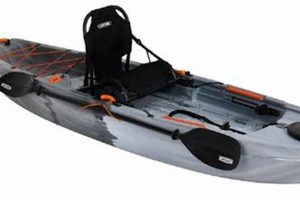
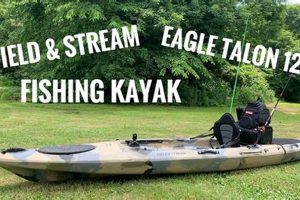
Specialized small watercraft designed for angling provide a unique blend of stability, portability, and access to diverse fishing environments. These vessels often feature specialized storage for tackle and rods, along with comfortable seating arrangements suited for extended periods on the water. A typical example might include built-in rod holders, livewells, and adjustable footrests.
The rising popularity of this activity stems from the enhanced connection with nature it offers, along with the physical and mental health benefits associated with outdoor pursuits. Anglers can explore secluded coves, rivers, and lakes, often inaccessible by larger boats. This approach, with its relatively low environmental impact and affordability compared to motorized options, has gained traction as a sustainable and enjoyable recreational activity.
Further exploration will cover key topics such as selecting the appropriate vessel type, essential gear and safety considerations, popular fishing locations, and responsible angling practices. These insights will equip enthusiasts with the knowledge and resources needed for a successful and rewarding experience.
Tips for Kayak Fishing
Careful planning and preparation contribute significantly to a safe and productive fishing experience from a kayak. The following tips offer guidance for both novice and experienced anglers.
Tip 1: Choose the Right Vessel: Kayak selection should consider factors such as fishing style, water conditions, and storage capacity. Longer kayaks offer better tracking for open water, while shorter, wider models provide superior stability in calmer environments.
Tip 2: Prioritize Safety Equipment: A personal flotation device (PFD) is essential, along with a whistle, signaling device, and first-aid kit. A leash connecting essential gear to the kayak prevents loss in case of capsizing.
Tip 3: Plan and Share Your Trip: Inform someone of your intended fishing location and estimated return time. Check weather forecasts before departure and be prepared to adjust plans accordingly.
Tip 4: Organize Tackle and Gear: Efficient storage solutions keep essential equipment within easy reach and prevent clutter. Waterproof containers protect electronics and other sensitive items.
Tip 5: Practice Paddling and Maneuvering: Familiarize oneself with basic paddling strokes and maneuvering techniques before venturing into open water. This enhances control and reduces the risk of accidents.
Tip 6: Respect the Environment: Practice catch-and-release whenever possible and adhere to local fishing regulations. Properly dispose of fishing line and other waste to minimize environmental impact.
Tip 7: Dress Appropriately: Consider weather conditions and dress in layers. Protection from sun, wind, and rain contributes significantly to comfort and safety.
Adherence to these guidelines enhances safety, improves fishing success, and fosters a greater appreciation for the natural environment.
By integrating these preparatory steps, anglers can focus on enjoying the unique experience afforded by this specialized form of fishing.
1. Stability

Stability represents a critical performance characteristic in recreational fishing kayaks, directly influencing angling success and overall safety. A stable platform allows anglers to cast, reel, and land fish effectively, minimizing the risk of capsizing, especially when handling active catches or navigating challenging water conditions. Compromised stability reduces casting accuracy, hinders fish-fighting capabilities, and presents a safety hazard, particularly in moving water or adverse weather. For instance, an unstable kayak can easily overturn when an angler leans to one side to retrieve a lure or net a fish. Conversely, a stable kayak enables anglers to confidently shift weight and maintain balance, enhancing their fishing experience.
Kayak stability derives from factors like hull design, width, and length. Wider kayaks generally offer greater initial stability, providing a secure feeling for beginners. Longer, narrower kayaks, while potentially less stable initially, offer superior tracking and glide, crucial for covering longer distances. Specialized hull designs, such as pontoon hulls or flat bottoms, enhance stability further. Understanding the relationship between these design elements and stability allows anglers to select a kayak appropriate for their skill level and intended fishing environment. For example, a wider, shorter kayak might be ideal for fishing calm ponds or slow-moving rivers, while a longer, narrower kayak with a moderate degree of stability would be better suited for open lakes or coastal areas.
Selecting a kayak with appropriate stability is paramount for a safe and enjoyable fishing experience. Evaluating stability requirements should consider factors such as intended fishing locations, target species, and angler experience. Prioritizing stability maximizes fishing performance, promotes safety, and enhances overall enjoyment on the water. Neglecting this critical aspect can lead to frustrating and potentially dangerous situations. Appropriate stability allows anglers to fully focus on the fishing experience rather than constantly battling to maintain balance.
2. Maneuverability
Maneuverability represents a crucial performance attribute in fishing kayaks designed for recreational use, directly influencing an angler’s ability to navigate diverse water environments and access prime fishing spots. Effective maneuvering enables precise boat control in tight spaces, swift currents, and challenging conditions, maximizing fishing opportunities and enhancing overall efficiency on the water. Restricted maneuverability, conversely, limits access to desirable fishing areas, complicates navigation in complex waterways, and potentially compromises safety in dynamic water conditions.
- Tracking and Turning Performance
Tracking, the kayak’s ability to maintain a straight course, and turning performance, its responsiveness to paddle input, are fundamental components of maneuverability. Efficient tracking minimizes wasted effort while paddling longer distances, while responsive turning allows for quick adjustments in position and direction. A kayak that tracks poorly requires constant correction, increasing fatigue and reducing efficiency. Similarly, a kayak that turns sluggishly hinders navigation in confined areas or swift currents, limiting access to promising fishing spots and potentially creating hazardous situations. For instance, navigating a narrow, winding creek requires a kayak with nimble turning capabilities, while traversing a large, open lake benefits from a kayak that tracks well.
- Influence of Hull Design
Hull design significantly influences kayak maneuverability. Shorter kayaks generally turn more quickly, making them well-suited for navigating tight spaces like mangrove tunnels or small streams. Longer kayaks, while offering better tracking, tend to turn more slowly. Specialized hull designs, such as those with pronounced rocker (upward curve at the bow and stern) or a shallow V-shape, enhance maneuverability in specific conditions. Rocker improves turning performance in rough water, while a shallow V-hull provides agile handling in calm conditions. Understanding the impact of hull design allows anglers to select a kayak optimized for their preferred fishing environments.
- Impact of Water Conditions
Maneuverability is also affected by prevailing water conditions. Currents, wind, and waves can significantly impact a kayak’s ability to track and turn. A kayak that performs well in calm water might become difficult to control in strong winds or fast-moving currents. Consideration of anticipated water conditions is essential when evaluating a kayak’s suitability for a specific fishing environment. For example, a kayak designed for open ocean fishing will typically have different maneuverability characteristics than one designed for protected bays or rivers.
- Role of Paddling Technique
While kayak design plays a major role in maneuverability, paddling technique also contributes significantly. Proper paddling technique maximizes efficiency and control, enabling precise movements and adjustments in position. Learning and practicing fundamental paddling strokes, such as forward strokes, sweep strokes, and draws, enhances maneuverability and reduces fatigue. Even a highly maneuverable kayak can be difficult to control without proficient paddling skills.
Optimal maneuverability in a recreational fishing kayak significantly enhances angling effectiveness and safety. By carefully considering factors like hull design, anticipated water conditions, and paddling technique, anglers can select a kayak that provides the precise control and responsiveness needed to navigate diverse waterways and access productive fishing locations, ultimately maximizing their enjoyment on the water. The interplay of these elements directly influences an angler’s ability to explore various fishing grounds, efficiently navigate challenging conditions, and maintain safe boat control, contributing to a successful and rewarding fishing experience.
3. Storage Capacity

Adequate storage capacity represents a critical factor influencing the functionality and enjoyment of recreational fishing kayaks. Effective storage solutions enable anglers to transport essential gear, including tackle boxes, rods, safety equipment, and personal items, contributing to a well-organized and efficient fishing experience. Insufficient storage, conversely, limits the amount of equipment that can be carried, potentially hindering fishing effectiveness and overall comfort on the water.
- Types of Storage Compartments
Fishing kayaks offer various storage options, including hatches, tank wells, and bungee cord systems. Hatches provide secure, waterproof storage for sensitive items like electronics and wallets. Tank wells, open storage areas often located behind the seat, accommodate larger items such as tackle crates or coolers. Bungee cord systems secure items on the deck, providing quick access to frequently used gear. The selection and configuration of these storage options depend on individual angler preferences and the type of fishing pursued.
- Storage Capacity and Kayak Size
Kayak size significantly impacts storage capacity. Longer kayaks generally offer more storage space than shorter models. However, larger kayaks can be more challenging to transport and maneuver. Balancing storage needs with kayak size and portability considerations is essential for selecting a suitable vessel. For instance, anglers planning extended trips or targeting larger fish species may prioritize maximum storage capacity, while those fishing smaller bodies of water or prioritizing portability might opt for a smaller kayak with less storage.
- Weight Capacity and Storage Considerations
Kayak weight capacity limits the combined weight of the angler, gear, and any catch. Exceeding weight capacity compromises stability and performance. Careful consideration of storage needs in relation to weight capacity ensures safe and efficient operation. Distributing weight evenly within the kayak also enhances stability and tracking. Overloading a kayak can lead to instability and increase the risk of capsizing, particularly in challenging conditions.
- Organization and Accessibility
Effective organization of gear within the kayak’s storage compartments maximizes efficiency and minimizes clutter. Utilizing waterproof bags and containers protects sensitive items and facilitates easy retrieval. Strategic placement of frequently used items within easy reach enhances angling efficiency and reduces distractions. A well-organized kayak allows anglers to focus on fishing rather than searching for misplaced gear.
Optimizing storage capacity in a recreational fishing kayak contributes significantly to a successful and enjoyable angling experience. Careful consideration of storage needs, kayak size, weight capacity, and organizational strategies allows anglers to carry essential gear efficiently, maximizing fishing effectiveness and comfort on the water. Proper storage management contributes to a more organized, efficient, and ultimately more rewarding fishing experience.
4. Comfort and Ergonomics

Comfort and ergonomics represent critical factors influencing the overall enjoyment and success of recreational fishing kayak excursions. Extended periods on the water necessitate a comfortable and supportive seating system that minimizes fatigue and allows anglers to maintain focus and effectiveness. Poor ergonomics can lead to discomfort, back pain, and reduced fishing performance, potentially curtailing trips and diminishing the overall recreational experience. A well-designed kayak seat, adjustable footrests, and appropriate back support contribute significantly to angler comfort and endurance, enabling longer, more productive fishing sessions. For example, an angler experiencing back pain due to an uncomfortable seat will be less likely to enjoy a full day of fishing. Conversely, a comfortable and ergonomic setup allows anglers to fully immerse themselves in the experience, maximizing enjoyment and fishing success.
The interplay between comfort and ergonomics extends beyond mere physical well-being, impacting fishing performance directly. A comfortable angler can maintain better focus, react more quickly to strikes, and effectively fight fish without being hindered by discomfort or fatigue. Properly positioned footrests and adjustable seating allow for efficient paddling and casting, maximizing reach and leverage. Furthermore, a comfortable and supportive environment reduces stress and strain on the body, allowing anglers to concentrate on the nuances of fishing technique and strategy. An uncomfortable seating position can restrict movement, hindering casting accuracy and fish-fighting capability. In contrast, a well-designed ergonomic setup allows for fluid, efficient movements, enhancing overall fishing proficiency.
Understanding the importance of comfort and ergonomics in recreational fishing kayaks is crucial for maximizing enjoyment and achieving angling success. Prioritizing these elements during kayak selection contributes significantly to long-term comfort, performance, and overall satisfaction on the water. Investing in a well-designed, ergonomic kayak promotes physical well-being, enhances fishing effectiveness, and ultimately elevates the recreational fishing experience. Neglecting these aspects can lead to discomfort, reduced performance, and a diminished appreciation for the sport.
5. Durability and Materials
Durability and material selection represent critical considerations in recreational fishing kayaks, directly impacting vessel lifespan, performance, and overall cost-effectiveness. Kayaks face exposure to various environmental stressors, including UV radiation, saltwater corrosion, and impacts from rocks, submerged debris, and accidental grounding. Robust construction and appropriate material selection ensure long-term performance and minimize the risk of damage, contributing to a safe and rewarding fishing experience. Compromised durability leads to premature wear and tear, potentially requiring costly repairs or replacements, ultimately diminishing the enjoyment and value of the kayak.
- Hull Materials
Common hull materials include polyethylene, fiberglass, and composites. Polyethylene kayaks offer excellent impact resistance and affordability but can be heavier and less efficient to paddle than other materials. Fiberglass kayaks provide a balance of durability, performance, and weight, while composite kayaks, often incorporating carbon fiber or Kevlar, offer superior strength-to-weight ratios but come at a premium cost. Choosing the appropriate hull material involves balancing performance, durability, and budget considerations. For example, an angler frequently fishing rocky rivers might prioritize the impact resistance of polyethylene, while someone paddling long distances on open water might prefer the lighter weight and efficiency of a composite kayak.
- UV Resistance and Degradation
Prolonged exposure to sunlight can degrade kayak materials, causing fading, cracking, and reduced structural integrity. UV-resistant coatings and additives protect against sun damage, extending the lifespan of the kayak. Storing the kayak out of direct sunlight when not in use further mitigates UV degradation. Ignoring UV protection can lead to premature material failure and costly repairs. For example, a brightly colored kayak left exposed to direct sunlight for extended periods might fade and become brittle over time, compromising its structural integrity.
- Impact Resistance and Damage Prevention
Impacts from rocks, logs, or other obstacles can damage the kayak hull. Kayaks designed for recreational fishing often feature reinforced hulls in high-impact areas, enhancing durability and preventing punctures. Careful handling during transport and launching, along with avoiding shallow, rocky areas, minimizes the risk of impact damage. For example, dragging a kayak across rough terrain can scratch or damage the hull, while colliding with submerged rocks can cause cracks or punctures.
- Hardware and Fittings
Hardware components, such as handles, latches, and rod holders, contribute to overall kayak functionality and durability. Corrosion-resistant materials, like stainless steel or marine-grade aluminum, ensure long-term performance in saltwater environments. Regular inspection and maintenance of hardware components, including tightening loose screws and lubricating moving parts, prevent premature wear and tear. For example, using non-corrosion-resistant hardware in saltwater environments can lead to rust and eventual failure of critical components.
Durability and material selection directly impact the longevity, performance, and overall value of recreational fishing kayaks. Selecting a kayak constructed from appropriate materials and designed for the intended fishing environment ensures long-term reliability and minimizes the risk of damage, enhancing the overall fishing experience. Understanding the properties of various kayak materials and implementing preventative maintenance measures contributes significantly to a safe, enjoyable, and cost-effective ownership experience.
6. Fishing-Specific Features
Specialized features distinguish recreational fishing kayaks from other watercraft, optimizing them for angling activities. These features enhance functionality, efficiency, and overall fishing success. Understanding these adaptations is crucial for selecting a kayak that aligns with individual angling needs and preferences.
- Rod Holders
Integrated rod holders secure fishing rods, allowing anglers to manage multiple lines or prepare tackle without constantly holding rods. Various rod holder types exist, including flush-mounted, adjustable, and rotating designs. Their placement and configuration significantly impact fishing efficiency and accessibility. For example, strategically positioned rod holders enable trolling while paddling, while adjustable holders accommodate different rod lengths and fishing styles. The number and type of rod holders should align with the angler’s typical fishing approach.
- Tackle Storage
Dedicated tackle storage compartments keep essential fishing gear organized and within easy reach. These compartments vary in size, configuration, and accessibility. Some kayaks feature removable tackle trays, while others offer integrated storage compartments within the hull. Waterproof storage protects sensitive items from moisture damage. Efficient tackle organization maximizes fishing time and minimizes distractions. For example, a well-organized tackle system allows for quick lure changes and efficient access to essential tools and accessories.
- Livewells
Livewells, integrated tanks designed to hold live bait or caught fish, are crucial for anglers practicing catch-and-release or targeting species requiring live bait. Livewell size and aeration systems vary depending on kayak design and intended use. Proper livewell management ensures bait viability and fish health. For example, a livewell with a robust aeration system is essential for keeping baitfish alive and active during extended fishing trips. Livewell capacity should align with the target species and fishing regulations.
- Anchor Systems
Anchor systems allow anglers to maintain position in specific locations, crucial for targeting structure or fishing in current. Various anchor types exist, including stake-out poles, drift anchors, and traditional anchor systems. Anchor trolley systems facilitate controlled anchoring and positioning. Choosing the appropriate anchor system depends on the fishing environment and kayak design. For instance, a stake-out pole is effective in shallow water, while a drift anchor controls drift in moving water. The anchor system should be easy to deploy and retrieve while maintaining kayak stability.
These fishing-specific features significantly enhance the functionality and effectiveness of recreational fishing kayaks. Careful consideration of these features during kayak selection ensures a vessel optimized for individual angling preferences and target species. Selecting a kayak equipped with the appropriate features maximizes fishing success, enhances comfort and efficiency, and elevates the overall recreational fishing experience.
7. Transportation and Storage

Transportation and storage represent practical considerations significantly impacting the accessibility and overall enjoyment of recreational fishing kayaks. Efficient transport and secure storage solutions facilitate convenient access to diverse fishing locations and protect the kayak from damage, preserving its value and performance. Neglecting these logistical aspects can create barriers to entry, limit fishing opportunities, and potentially compromise the kayak’s lifespan.
- Vehicle Transportation
Transporting fishing kayaks requires appropriate vehicle accommodations. Roof racks, trailers, and truck beds offer common transport solutions. Securing the kayak properly during transport prevents damage and ensures road safety. Factors such as vehicle type, kayak size, and travel distance influence the choice of transport method. For example, a compact car might necessitate a roof rack system, while a larger truck could accommodate a kayak in the bed. Proper tie-down straps and padding protect the kayak during transit and prevent shifting or displacement.
- Storage Solutions
Appropriate storage safeguards the kayak from environmental damage and preserves its condition. Options include garage storage, specialized kayak racks, and outdoor storage with protective covers. Factors such as available space, climate, and security considerations influence storage choices. For instance, storing a kayak outdoors in a harsh climate requires a durable, UV-resistant cover to protect it from the elements. Secure storage prevents theft and damage, preserving the kayak’s value and functionality.
- Portability and Handling
Kayak weight and dimensions affect portability and ease of handling. Lighter kayaks are easier to transport and maneuver, particularly for individuals without assistance. Features like integrated handles and carrying straps aid in transport. Consideration of portability factors is essential, especially for anglers accessing remote fishing locations or those with limited physical strength. For example, a lightweight kayak might be preferable for anglers who need to carry their kayak over longer distances or launch from challenging shorelines.
- Storage Security
Kayak security measures prevent theft and vandalism. Locking mechanisms, security cables, and storage location security contribute to theft deterrence. Insurance policies provide financial protection against loss or damage. Evaluating security risks and implementing appropriate measures safeguard the investment and ensure continued access to recreational fishing opportunities. For example, storing a kayak in a locked garage or using a security cable and lock when storing it outdoors deters theft and protects the investment.
Efficient transportation and secure storage solutions are integral components of recreational kayak fishing, influencing accessibility, convenience, and long-term enjoyment. Addressing these logistical aspects proactively ensures hassle-free transport, protects the kayak from damage, and allows anglers to focus on the fishing experience. Careful consideration of transportation and storage needs contributes significantly to a positive and rewarding ownership experience.
Frequently Asked Questions
Addressing common inquiries regarding recreational fishing kayaks provides clarity for prospective buyers and enhances understanding of key considerations.
Question 1: How does one choose the right size fishing kayak?
Kayak size selection depends on individual angler size, intended fishing environment, and storage capacity needs. Larger kayaks offer greater stability and storage but can be less maneuverable. Smaller kayaks are easier to transport and maneuver but offer less stability and storage. Consider individual needs and preferences when selecting kayak length and width.
Question 2: What essential safety equipment is recommended for kayak fishing?
Essential safety gear includes a personal flotation device (PFD), a whistle, a visual signaling device (such as a mirror or flare), and a first-aid kit. A leash connecting essential gear to the kayak is also recommended to prevent loss in case of capsizing. Navigation lights are essential for low-light conditions.
Question 3: How does one maintain and care for a fishing kayak?
Regular rinsing with fresh water after each use, especially in saltwater environments, prevents corrosion and material degradation. Storing the kayak out of direct sunlight and utilizing UV-resistant covers protects against sun damage. Periodic inspection and maintenance of hardware, including tightening loose screws and lubricating moving parts, ensures optimal performance and longevity.
Question 4: What are the advantages of fishing from a kayak compared to other boat types?
Kayaks offer access to shallow waters and restricted areas often inaccessible to larger boats. Their quiet operation minimizes disturbance to fish. Kayak fishing provides a closer connection to nature and a more physically engaging experience compared to motorized boating. Lower acquisition and maintenance costs contribute to affordability.
Question 5: What are the different types of fishing kayaks available?
Various fishing kayak types exist, including sit-on-top, sit-inside, and pedal-driven kayaks. Sit-on-top kayaks offer enhanced stability and ease of entry and exit. Sit-inside kayaks provide greater protection from the elements and offer a drier ride. Pedal-driven kayaks allow for hands-free fishing and increased speed and range.
Question 6: What are the essential considerations for choosing a fishing kayak paddle?
Paddle selection depends on factors such as angler height, kayak width, and paddling style. Longer paddles are generally suitable for wider kayaks, while shorter paddles are better suited for narrower kayaks. Paddle blade shape and material influence paddling efficiency and performance. Consider individual needs and preferences when selecting paddle length, blade shape, and material.
Careful consideration of these frequently asked questions equips prospective kayak anglers with essential knowledge for informed decision-making, enhancing safety and overall enjoyment on the water.
Exploring specific kayak models and accessories further refines selection and optimizes the fishing experience.
Fishing Kayak for Recreation
Exploration of specialized fishing kayaks for recreational purposes reveals key considerations encompassing stability, maneuverability, storage capacity, comfort, durability, specialized features, and logistical aspects like transportation and storage. Understanding these interconnected elements empowers informed decision-making, optimizing kayak selection for individual angling preferences, target species, and fishing environments. Prioritizing safety, functionality, and ergonomic design enhances the overall fishing experience, promoting long-term enjoyment and success on the water.
The evolving landscape of recreational fishing increasingly embraces the versatility and unique advantages offered by specialized kayaks. Continued exploration of innovative design, materials, and fishing-specific features promises further enhancement of angling experiences. Embracing sustainable and responsible fishing practices ensures the preservation of aquatic ecosystems for future generations of kayak anglers.