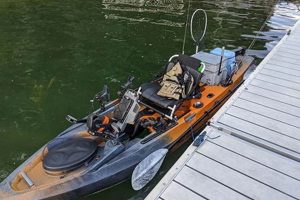
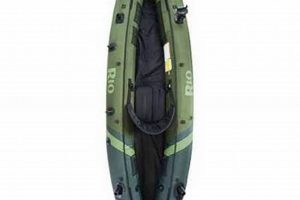
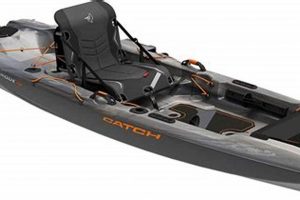
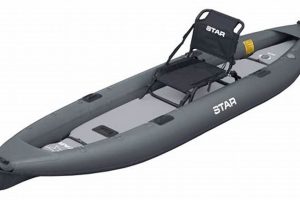
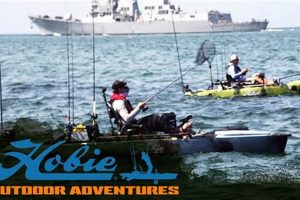
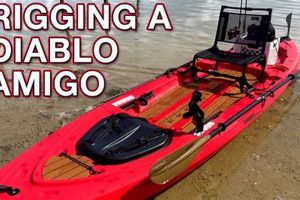
A tandem or larger kayak designed for recreational angling offers stability and space for multiple passengers, often including children. These vessels typically feature rod holders, storage compartments for tackle and gear, and comfortable seating arrangements suitable for extended periods on the water. An example would be a sit-on-top model with ample deck space and designated areas for coolers and other necessities.
These watercraft provide opportunities for shared outdoor experiences, fostering bonding and the development of skills in a natural setting. They offer a low-impact way to access fishing grounds unavailable from shore, promoting physical activity and appreciation for aquatic environments. Historically, shared fishing experiences have been central to many cultures, and modern adaptations like specialized kayaks continue this tradition in a safe and accessible manner. The increasing popularity reflects a growing demand for family-oriented outdoor recreation options.
This exploration delves into key factors for selecting a suitable watercraft for angling with multiple passengers, encompassing size, features, safety considerations, and recommended accessories. It will also cover responsible fishing practices and techniques tailored to the specific challenges and rewards of this activity.
Tips for Kayak Fishing with Family
Successful outings require careful planning and consideration of specific needs and potential challenges. The following tips offer guidance for enhancing safety and enjoyment on the water.
Tip 1: Prioritize Stability: Opt for wider, flatter-hulled designs offering greater stability, especially with younger or less experienced passengers. Consider a dedicated fishing kayak platform known for stability
Tip 2: Distribute Weight Evenly: Proper weight distribution is crucial for balance and maneuverability. Gear and passengers should be positioned to maintain an even keel.
Tip 3: Invest in Quality Paddles: Lightweight, appropriately sized paddles reduce fatigue and improve paddling efficiency, contributing to a more enjoyable experience for all.
Tip 4: Pack Essential Safety Gear: Life vests are mandatory, and additional safety equipment like a first-aid kit, whistle, and signaling devices should always be on board.
Tip 5: Plan Shorter Trips Initially: Start with shorter excursions to gauge comfort levels and build experience before embarking on longer adventures.
Tip 6: Choose Calm Waters: Protected bays, lakes, and slow-moving rivers are ideal for family outings. Avoid strong currents, open ocean, or areas with significant boat traffic.
Tip 7: Incorporate Educational Elements: Engage children with age-appropriate lessons about aquatic life, responsible fishing practices, and environmental awareness.
Tip 8: Pack Snacks and Hydration: Maintain energy and prevent dehydration by packing plenty of water and snacks suitable for the environment.
Careful preparation and adherence to safety guidelines contribute significantly to positive and memorable family fishing experiences.
By following these tips, individuals and families can confidently embark on rewarding kayak fishing adventures, creating lasting memories and fostering appreciation for the outdoors.
1. Stability

Stability is paramount in a family fishing kayak, directly impacting safety and enjoyment. A stable platform minimizes the risk of capsizing, especially with children or inexperienced paddlers aboard. This stability is influenced by hull design, width, and length. Wider, flatter hulls generally offer greater initial stability, resisting tipping, while longer kayaks tend to track straighter, enhancing secondary stability (resistance to tipping once leaning). A kayak designed for fishing often incorporates a wider beam and flatter bottom than a touring kayak to prioritize stability over speed. For example, a shorter, wider sit-on-top model provides a more secure platform for casting and reeling, particularly in choppy water or when landing a fish.
The impact of stability extends beyond safety. A stable kayak allows for more comfortable movement onboard, enabling passengers to shift positions, cast lines, and retrieve fish without fear of tipping. This freedom of movement enhances the overall fishing experience, allowing anglers to focus on the activity rather than maintaining balance. Furthermore, a stable platform facilitates activities like photography or wildlife observation, enriching the family outing. Consider a scenario where children are actively engaged in reeling in their catches. A stable kayak allows them to enjoy the thrill without compromising safety.
Understanding the significance of stability in a family fishing kayak is crucial for informed decision-making. Prioritizing stability over speed or maneuverability ensures a safer and more enjoyable experience for all participants. This focus allows families to confidently explore waterways, fostering a shared appreciation for the outdoors and creating lasting memories. Recognizing the connection between stability, safety, and enjoyment underscores the importance of selecting a vessel specifically designed for the demands of family fishing.
2. Capacity
Capacity, referring to the number of people and the combined weight they and their gear represent, is a critical factor influencing the selection of a family fishing kayak. Appropriate capacity ensures safety, comfort, and efficient performance on the water. Insufficient capacity can lead to instability, reduced maneuverability, and a compromised fishing experience. Conversely, excessive capacity results in unnecessary bulk and weight, hindering transport and performance.
- Passenger Capacity:
This refers to the designated number of seats in the kayak. Family fishing kayaks typically offer tandem (two-person) or larger configurations. Selecting a kayak with sufficient passenger capacity accommodates all family members comfortably, ensuring everyone can participate in the outing. For example, a family of four requires a kayak with at least four designated seating positions. Attempting to overcrowd a smaller vessel compromises safety and negatively impacts the overall experience.
- Weight Capacity:
This specifies the maximum combined weight of passengers and gear the kayak can safely support. Exceeding this limit compromises stability and increases the risk of capsizing. Calculating the total weight of passengers, fishing gear, coolers, and other equipment is essential before selecting a kayak. For instance, a kayak with a 500-pound weight capacity might be suitable for two adults and two children with their gear, but insufficient for three adults and their equipment. Accurate weight assessment is crucial for safe and enjoyable outings.
- Storage Capacity:
Storage space within the kayak determines the amount of gear that can be carried comfortably. Adequate storage accommodates fishing rods, tackle boxes, coolers, dry bags, and other necessities. Sufficient storage keeps essential items organized and accessible, contributing to a more efficient and enjoyable fishing experience. A kayak with dedicated rod holders, sealed compartments, and ample deck space facilitates organized gear storage. Conversely, limited storage can lead to clutter and difficulty accessing essential items, negatively impacting the fishing trip.
- Impact on Performance:
Capacity directly influences the kayak’s performance on the water. A kayak loaded near its maximum capacity will sit lower in the water, increasing drag and reducing maneuverability. This can make paddling more challenging and impact the overall fishing experience, particularly in windy conditions or currents. Conversely, a kayak with ample capacity, even when fully loaded, maintains efficient performance and maneuverability. This allows for easier paddling, more precise boat control, and ultimately, a more successful and enjoyable fishing trip.
Careful consideration of passenger count, combined weight, and storage needs are crucial when selecting a family fishing kayak. Matching the kayak’s capacity to the specific requirements of the outing ensures safety, comfort, and optimal performance on the water. Understanding these aspects enables informed decisions that contribute to positive and memorable family fishing experiences.
3. Storage

Storage solutions in a family fishing kayak directly impact the practicality and enjoyment of fishing trips. Adequate and well-designed storage facilitates organized gear transport, efficient access to equipment, and an overall enhanced on-the-water experience. Conversely, insufficient or poorly planned storage can lead to frustration, wasted time, and compromised safety.
- Types of Storage
Fishing kayaks offer various storage options, including hatches, tank wells, bungee cords, and dedicated rod holders. Hatches provide waterproof compartments for sensitive items like electronics and wallets. Tank wells, often located behind the seats, offer open storage for larger items like coolers or tackle boxes, secured with bungee cords. Rod holders, integrated into the kayak’s hull or gunwales, keep fishing rods organized and readily accessible. The specific combination of storage types influences the kayak’s suitability for different fishing styles and family needs. For example, a kayak intended for offshore fishing might prioritize larger hatches and rod holders, while one designed for freshwater angling might emphasize open tank wells and smaller compartments.
- Accessibility
Ease of access to stored gear is crucial during a fishing trip. Well-placed hatches and compartments allow anglers to quickly retrieve lures, tackle, and other essentials without disrupting the fishing process. Easy access minimizes time spent searching for gear, maximizing fishing time and enhancing the overall experience. For instance, readily accessible storage for sunscreen, snacks, and water bottles ensures comfort and hydration throughout the day without requiring extensive rummaging. Conversely, difficult-to-reach storage compartments can lead to frustration and disrupt the flow of the fishing trip.
- Capacity and Organization
Storage capacity directly influences the amount of gear that can be carried comfortably and safely. Sufficient capacity accommodates all essential equipment, personal items, and safety gear without overcrowding the kayak. Organized storage solutions, such as dividers within compartments and strategically placed bungee cords, contribute to efficient packing and prevent gear from shifting during transit or while on the water. For example, dedicated compartments for tackle boxes, dry bags for clothing, and individual rod holders maintain order and maximize usable space within the kayak. Proper organization minimizes clutter, enhances safety, and contributes to a more enjoyable fishing experience.
- Impact on Stability and Performance
The distribution of weight within storage compartments impacts the kayak’s stability and performance. Evenly distributing gear throughout the kayak maintains a balanced center of gravity, preventing tipping and enhancing maneuverability. Concentrating heavy items in one area can compromise stability and make the kayak difficult to control. For instance, placing a heavy cooler in the stern of the kayak can cause the bow to rise, increasing wind resistance and reducing paddling efficiency. Careful consideration of weight distribution within storage compartments optimizes the kayak’s performance and contributes to a safer and more enjoyable fishing trip.
The storage solutions offered by a family fishing kayak play a significant role in the overall success and enjoyment of fishing outings. Adequate capacity, well-designed compartments, and easy accessibility contribute to a more organized, efficient, and ultimately, more rewarding experience on the water. Selecting a kayak with storage features tailored to the specific needs of the family and the intended fishing style enhances safety, comfort, and the overall quality of the fishing trip.
4. Comfort

Comfort in a family fishing kayak directly influences the enjoyment and duration of outings, particularly when children are involved. Discomfort can lead to restlessness, decreased focus on fishing, and a shortened trip. Several factors contribute to overall comfort, including seating design, backrest support, legroom, and deck space. Ergonomically designed seating with adjustable backrests accommodates varying body types and reduces strain during extended periods on the water. Ample legroom allows passengers to shift positions and maintain comfortable postures, preventing cramping and stiffness. Sufficient deck space facilitates movement and prevents a cramped feeling, especially with multiple passengers and gear onboard. For example, adjustable footrests accommodate different leg lengths, enhancing comfort and stability while paddling. Well-padded seating and backrests provide cushioning and support, reducing fatigue and promoting enjoyment throughout the fishing trip.
The impact of comfort extends beyond physical well-being. A comfortable environment promotes relaxation and enjoyment, allowing families to fully appreciate the surrounding nature and the shared fishing experience. Children are more likely to remain engaged and enthusiastic when comfortable, fostering positive associations with outdoor activities. Furthermore, comfort can enhance focus and concentration, contributing to a more successful fishing outing. Consider a scenario where a child is uncomfortable due to a poorly designed seat. Their discomfort can distract others and diminish the overall enjoyment of the trip. Conversely, a comfortable and supportive seating arrangement allows everyone to relax, focus on fishing, and create lasting positive memories.
Prioritizing comfort in a family fishing kayak enhances the overall experience, fostering positive attitudes toward outdoor recreation and strengthening family bonds. Understanding the factors that contribute to comfort, such as seating design, legroom, and deck space, empowers informed decision-making, leading to more enjoyable and successful family fishing adventures. This emphasis on comfort underscores the importance of selecting a kayak specifically designed for the unique needs and dynamics of family outings.
5. Safety Features
Safety features in a family fishing kayak are paramount, impacting the well-being of all passengers, especially children. These features mitigate risks inherent in the aquatic environment and contribute to a secure and enjoyable experience. Understanding these features enables informed decisions, promoting responsible enjoyment of the sport.
- High Visibility Hulls
Brightly colored kayaks enhance visibility in open water, reducing the risk of collisions with other vessels. Colors like orange, yellow, or lime green stand out against the water, making the kayak more easily discernible by motorized boats and other watercraft. This is crucial in busy waterways or areas with limited visibility. For example, a brightly colored kayak is more readily spotted in foggy conditions or during low-light periods, significantly reducing the risk of accidents. Enhanced visibility contributes to a safer environment for all on the water.
- Multiple Grab Handles
Strategically placed grab handles, typically located at the bow, stern, and sides of the kayak, offer secure points for re-entering the vessel after a capsize or for assisting others back onboard. These handles are crucial in emergency situations and facilitate safe and efficient recovery. Durable, easily gripped handles are essential for quick and effective responses in unexpected situations. For instance, multiple grab handles allow for easier re-entry from various angles, especially in challenging conditions like rough water. These handles can also assist in rescuing a child who has fallen overboard.
- Stable Hull Design
A stable hull design, characterized by a wider base and flatter bottom, minimizes the risk of capsizing, particularly in choppy water or when maneuvering around obstacles. This stability is crucial for families with young children or less experienced paddlers. A stable platform allows passengers to move within the kayak without compromising balance, enhancing safety and comfort. For example, a wider hull provides greater initial stability, resisting tipping even with sudden movements or shifts in weight. This inherent stability promotes confidence and reduces anxiety, particularly for those new to kayaking. A stable platform also allows for activities like casting and reeling without jeopardizing balance.
- Secure Storage Compartments
Secure storage compartments, including hatches and bungee systems, prevent essential gear from being lost or damaged in the event of a capsize. These compartments keep items like safety equipment, communication devices, and personal belongings dry and readily accessible. Waterproof hatches protect sensitive items from water damage, while bungee systems secure larger items on the deck. For example, a waterproof hatch can safeguard a first-aid kit and a cell phone, ensuring they remain functional even if the kayak capsizes. Secure storage also prevents loose items from becoming hazards in the event of an unexpected incident, contributing to overall safety.
These safety features collectively contribute to a secure and enjoyable family kayaking experience. Selecting a kayak equipped with these features demonstrates a commitment to responsible recreation and enhances the overall well-being of all participants. Prioritizing safety allows families to confidently explore waterways, fostering a shared love for the outdoors and creating lasting memories. Investing in a kayak with comprehensive safety features demonstrates a proactive approach to risk management and underscores the importance of safety in family-oriented watersports.
Frequently Asked Questions
This section addresses common inquiries regarding kayaks designed for family fishing, offering concise and informative responses.
Question 1: What differentiates a family fishing kayak from a recreational kayak?
Key distinctions include enhanced stability, specialized storage for fishing gear (rod holders, tackle compartments), and often a higher weight capacity to accommodate multiple passengers and equipment. These features cater specifically to the demands of angling.
Question 2: Are sit-on-top or sit-inside kayaks better suited for family fishing?
Sit-on-top kayaks generally offer greater stability and easier entry/exit, making them preferable for families with children or less experienced paddlers. Sit-inside models provide better protection from the elements but can feel more confining.
Question 3: How crucial is stability in a family fishing kayak?
Stability is paramount. It directly impacts safety, especially with children onboard. A wider, flatter hull design provides enhanced stability, reducing the risk of capsizing, particularly during casting, reeling, or unexpected movements.
Question 4: What safety equipment is essential for family kayak fishing trips?
Essential safety gear includes appropriately sized personal flotation devices (PFDs) for each passenger, a whistle, a first-aid kit, signaling devices (mirror or flare), and a bilge pump or bailer. A communication device, such as a VHF radio or waterproofed cell phone, is also recommended.
Question 5: What factors should be considered when determining the appropriate kayak size for a family?
Consider the number of passengers, their combined weight, and the anticipated gear load. The kayak’s weight capacity must accommodate the total weight of passengers and all equipment. Additionally, consider the physical size and comfort of passengers, especially children, to ensure adequate seating and legroom.
Question 6: Where can one acquire further information regarding safe kayaking practices and local regulations?
Local paddling clubs, outfitters, and government agencies (such as Parks and Recreation departments or Coast Guard offices) offer valuable resources regarding safe kayaking practices, local regulations, and recommended fishing locations.
Careful consideration of these frequently asked questions enhances preparedness and contributes to informed decision-making, promoting safe and enjoyable family fishing experiences.
The subsequent section delves into recommended accessories for family fishing kayaks, enhancing comfort, convenience, and overall enjoyment on the water.
Conclusion
Specialized kayaks designed for family angling represent a significant advancement in recreational fishing, offering a platform for shared outdoor experiences that foster connection and skill development. Careful consideration of vessel stability, capacity, storage solutions, comfort features, and essential safety components ensures enjoyable and secure outings. Understanding these elements empowers informed decisions, leading to rewarding adventures on the water.
Investing in a suitable watercraft, coupled with adherence to responsible boating practices, opens pathways for families to create lasting memories, build deeper bonds, and cultivate an appreciation for aquatic environments. The continued evolution of kayak design promises further enhancements to comfort, safety, and accessibility, expanding opportunities for shared exploration and enjoyment of the natural world.