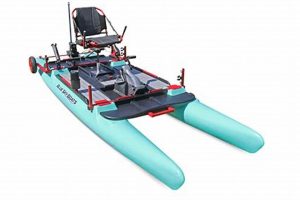
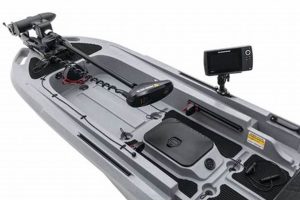
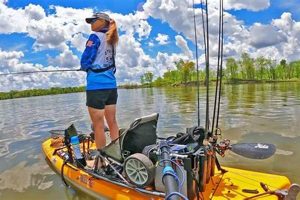
High-end kayaks designed for angling often incorporate premium materials like carbon fiber for lighter weight and increased durability. These vessels may also feature advanced seating systems, ample storage for tackle and gear, and specialized features like rod holders, fish finders, and live wells. A hypothetical example might include a pedal-driven kayak with a GPS-integrated fish finder and a built-in cooler.
Investing in a top-tier fishing kayak can significantly enhance the angling experience. Superior stability, maneuverability, and comfort contribute to longer, more productive fishing trips. Historically, fishing kayaks were simpler, less specialized craft. The evolution to today’s sophisticated models reflects advancements in materials science and a growing understanding of angler needs. This progress has led to improvements in tracking, speed, and overall on-the-water performance, allowing anglers to access more remote fishing grounds and stay on the water longer.
The subsequent sections will delve into the key features that distinguish premium fishing kayaks, offer guidance on selecting the right model for specific needs, and explore the long-term value proposition of such an investment. Further topics will cover maintenance, accessories, and safety considerations for maximizing the enjoyment and lifespan of these specialized vessels.
Tips for Selecting a Premium Fishing Kayak
Choosing a high-end fishing kayak requires careful consideration of various factors to ensure the vessel aligns with individual angling styles and needs. The following tips offer guidance for making an informed decision.
Tip 1: Prioritize Stability and Hull Design: Consider the intended fishing environment. Wider, flatter hulls offer superior stability for calm waters and stand-up fishing, while longer, narrower hulls excel in tracking and speed for open water or river fishing.
Tip 2: Evaluate Propulsion Systems: Pedal-powered kayaks offer hands-free fishing and increased speed, while paddle kayaks provide a traditional, quiet experience. Motorized kayaks expand range and minimize physical exertion.
Tip 3: Assess Storage Capacity and Layout: Ample, well-organized storage is crucial for tackle, gear, and catches. Consider dedicated compartments for specific items and the ease of access while on the water.
Tip 4: Examine Seating Comfort and Adjustability: A comfortable, supportive seat is essential for long hours on the water. Look for adjustable features that cater to individual preferences and body types.
Tip 5: Factor in Material and Weight: Lighter materials like carbon fiber enhance portability and maneuverability, but come at a higher cost. Consider the balance between weight, durability, and budget.
Tip 6: Research Integrated Features and Technology: High-end kayaks often come equipped with fish finders, GPS systems, and live wells. Evaluate the usefulness of these features for specific fishing styles.
Tip 7: Consider Transportation and Storage Logistics: Factor in the kayak’s size and weight when planning transportation and storage. Roof racks, trailers, or dedicated storage solutions might be necessary.
By carefully evaluating these factors, anglers can select a premium fishing kayak that optimizes performance, comfort, and overall fishing experience. The right vessel will enhance angling success and provide years of enjoyment on the water.
These tips provide a foundational understanding of the selection process. The concluding section will offer final thoughts and emphasize the importance of investing in a high-quality fishing kayak tailored to individual needs and aspirations.
1. Material Quality

Material quality significantly influences the performance, durability, and overall value of high-end fishing kayaks. Superior materials contribute to lighter weight, improved impact resistance, and enhanced longevity. Kayaks constructed from rotomolded polyethylene offer excellent durability and affordability, while higher-end models often incorporate thermoformed ABS or composite materials like fiberglass and carbon fiber for increased stiffness, reduced weight, and enhanced responsiveness on the water. For example, a carbon fiber kayak, while more expensive, offers a significant weight advantage over a comparable polyethylene model, making transport and on-water maneuverability considerably easier. This translates to less fatigue and greater efficiency during long fishing trips.
The selection of materials also impacts a kayak’s resistance to UV degradation, abrasion, and impact damage. While polyethylene is inherently UV resistant, prolonged exposure can still lead to fading and weakening. Thermoformed ABS and composite materials offer enhanced UV protection, preserving the kayak’s appearance and structural integrity over time. The resilience of these materials to scratches and impacts ensures that the kayak can withstand the rigors of navigating shallow waters, rocky shorelines, and unexpected collisions. Investing in higher-quality materials translates to a longer lifespan, reduced maintenance costs, and a higher resale value.
Ultimately, the choice of materials in a fishing kayak represents a crucial factor in determining its overall performance and value. While less expensive materials might offer initial cost savings, the long-term benefits of premium materials, such as increased durability, reduced weight, and enhanced performance, often justify the higher initial investment. Discerning anglers understand that material quality directly impacts their on-the-water experience and represents a key consideration when selecting high-end fishing kayaks.
2. Enhanced Features

Enhanced features represent a defining characteristic of high-end fishing kayaks, directly contributing to their elevated price point. These features extend beyond basic functionality, focusing on improved performance, comfort, and specialized angling capabilities. A cause-and-effect relationship exists: the demand for superior on-the-water experiences drives the inclusion of these advanced features, consequently increasing manufacturing complexity and cost. For instance, integrated rudder systems offer precise maneuverability, especially in challenging currents or windy conditions, but add complexity to the design and manufacturing process. Similarly, specialized storage compartments designed for tackle boxes, fishing rods, and other gear improve organization and efficiency on the water, but necessitate more intricate hull designs and higher-grade materials.
The importance of enhanced features as a component of expensive fishing kayaks lies in their ability to significantly elevate the angling experience. Adjustable seating systems with lumbar support and breathable fabrics enhance comfort during long hours on the water, reducing fatigue and promoting focus on fishing. Built-in fish finders with GPS and sonar technology provide real-time information about water depth, fish location, and bottom structure, increasing the likelihood of a successful catch. Furthermore, features like live wells, rod holders, and paddle parks optimize fishing efficiency by keeping catches fresh, rods secure, and paddles within easy reach. These enhancements translate to a more productive and enjoyable fishing experience, justifying the higher cost for serious anglers.
Understanding the practical significance of these features empowers informed purchasing decisions. Evaluating the specific needs and fishing style of the angler becomes crucial. A kayak designed for offshore fishing will prioritize features like enhanced stability and tracking, while a kayak intended for river fishing might emphasize maneuverability and shallow-water access. Recognizing the interplay between enhanced features, cost, and intended use allows anglers to select the most appropriate vessel for their individual requirements. The long-term value of these features, reflected in improved fishing success, enhanced comfort, and increased on-the-water efficiency, solidifies their importance in the context of expensive fishing kayaks.
3. Superior Performance

Superior performance constitutes a cornerstone of the value proposition for high-end fishing kayaks. This enhanced performance stems from a combination of factors, including advanced hull designs, lighter and more durable materials, and optimized features. A cause-and-effect relationship exists: the pursuit of superior performance drives innovation and necessitates the use of premium materials and construction techniques, ultimately contributing to the higher cost of these specialized vessels. For example, a kayak designed for speed and efficiency might incorporate a longer, narrower hull with a pronounced keel, requiring more sophisticated manufacturing processes and potentially more expensive materials than a wider, more stable recreational kayak. Similarly, the integration of a pedal-drive system, while enhancing speed and providing hands-free fishing, adds complexity and cost compared to a traditional paddle kayak.
The importance of superior performance as a component of expensive fishing kayaks lies in its direct impact on the angler’s experience and success. Enhanced tracking allows anglers to cover greater distances with less effort, expanding their reach and access to prime fishing spots. Improved stability, particularly in challenging conditions, provides a secure platform for casting, reeling, and landing fish. Increased maneuverability enables anglers to navigate tight spaces, shallow waters, and swift currents with greater precision and control. These performance advantages translate to a more efficient, productive, and ultimately more enjoyable fishing experience. Consider a scenario where an angler needs to navigate strong currents or windy conditions to reach a specific fishing location. A high-performance kayak with enhanced tracking and stability will enable the angler to reach the desired spot more quickly and safely, maximizing fishing time and minimizing fatigue.
Understanding the practical significance of superior performance empowers informed purchasing decisions. The intended fishing environment, target species, and individual angling style should all influence the selection process. An angler targeting large, powerful fish in open water will prioritize stability and tracking, while an angler fishing in shallow rivers or creeks will prioritize maneuverability and shallow-water access. Recognizing the connection between superior performance and the associated cost allows anglers to select a kayak that aligns with their specific needs and budget. The long-term value of superior performance, measured in terms of increased fishing success, enhanced on-water efficiency, and a more rewarding overall experience, justifies the higher investment for dedicated anglers seeking the best possible on-the-water performance.
4. Durability & Longevity

Durability and longevity represent critical factors influencing the value proposition of high-end fishing kayaks. The ability to withstand harsh conditions, resist wear and tear, and maintain performance over extended periods contributes significantly to the overall cost and long-term return on investment. An understanding of the materials, construction techniques, and maintenance requirements associated with these vessels is essential for informed decision-making.
- Material Selection
Material selection plays a pivotal role in determining a kayak’s durability. High-end kayaks often utilize premium materials such as rotomolded polyethylene with enhanced UV resistance, thermoformed ABS, or composite constructions involving fiberglass or carbon fiber. These materials offer superior impact resistance, abrasion resistance, and structural integrity compared to less expensive alternatives. For example, a carbon fiber kayak exhibits greater resilience to impacts and scratches than a standard polyethylene kayak, contributing to a longer lifespan and higher resale value. The inherent properties of these materials translate to enhanced durability, making them suitable for demanding fishing environments.
- Construction Techniques
Construction techniques employed in manufacturing significantly influence a kayak’s structural integrity and longevity. High-end manufacturers often employ advanced construction methods, such as multi-layer lamination, reinforced seams, and airtight bulkheads, to enhance the kayak’s resistance to stress, water intrusion, and UV degradation. These techniques contribute to a more robust and durable vessel capable of withstanding years of use in challenging conditions. A well-constructed kayak with reinforced seams and airtight compartments is less likely to suffer from leaks or structural damage compared to a kayak with simpler construction.
- Maintenance Requirements
Maintenance requirements directly impact a kayak’s long-term performance and lifespan. While high-end kayaks generally require less frequent maintenance due to their robust construction and premium materials, proper care, including regular cleaning, UV protection, and appropriate storage, remains essential for preserving their integrity and functionality. Neglecting routine maintenance can lead to premature wear and tear, reducing the kayak’s lifespan and diminishing its value. Regular cleaning and proper storage, for instance, can prevent the buildup of grime, mildew, and UV damage, contributing to the kayak’s longevity.
- Long-Term Value
Long-term value represents a key consideration in the context of expensive fishing kayaks. While the initial investment may be higher, the enhanced durability and longevity of these vessels often translate to a lower cost of ownership over time. Reduced maintenance costs, higher resale value, and extended lifespan contribute to a greater return on investment compared to less expensive alternatives. An angler who invests in a durable, high-quality kayak may incur lower maintenance and repair costs over the long term compared to an angler who opts for a less expensive, less durable option. Furthermore, the higher resale value of premium kayaks can offset a portion of the initial investment.
The interplay of material selection, construction techniques, maintenance requirements, and long-term value underscores the importance of durability and longevity in the context of expensive fishing kayaks. Investing in a durable and well-constructed kayak represents a commitment to long-term performance, reduced maintenance, and a higher return on investment, ultimately enhancing the overall angling experience and justifying the premium price point.
5. Specialized Design

Specialized design distinguishes high-end fishing kayaks from recreational models, justifying the premium price point through features tailored to enhance angling performance and efficiency. The design process considers factors like target species, fishing environment, and angler preferences, resulting in specialized hulls, integrated features, and optimized layouts that cater to specific angling needs. This intricate design process and the resulting specialized components contribute significantly to the elevated cost of these kayaks.
- Hull Design and Stability
Hull design directly impacts stability, maneuverability, and tracking, crucial factors for diverse fishing environments. Pontoon hulls offer exceptional stability for calm waters and stand-up fishing, while longer, narrower hulls excel in tracking and speed for open water or river fishing. A kayak designed for offshore fishing might feature a tri-hull design for enhanced stability in rough conditions, while a kayak designed for river fishing might employ a shallow-draft, flat-bottomed hull for navigating shallow waters and rapids. These specialized hull designs optimize performance in specific environments, justifying the higher cost associated with their development and implementation.
- Integrated Features for Angling
Integrated features, like rod holders, tackle storage, and fish finder mounts, distinguish fishing kayaks from recreational models. These purpose-built features enhance angling efficiency and convenience, streamlining the fishing experience. Recessed rod holders keep lines clear of obstacles, while strategically placed tackle storage ensures quick access to essential gear. Integrated fish finder mounts facilitate the use of electronic fish-finding technology. These specialized features are often custom-designed and integrated seamlessly into the kayak’s structure, adding to the manufacturing complexity and cost. Consider a kayak with a built-in live well for keeping catches fresh; this specialized feature adds value for anglers targeting species requiring live bait or immediate preservation of the catch but increases the cost of design and manufacturing.
- Ergonomics and Comfort
Ergonomics and comfort play a crucial role in long fishing trips. High-end kayaks often incorporate adjustable seating systems, footrests, and thigh braces to enhance comfort and reduce fatigue. These features cater to individual body types and preferences, promoting a more enjoyable and productive fishing experience. A kayak with a high-back, adjustable seat with lumbar support can significantly reduce strain during extended fishing trips, justifying the added cost for anglers who prioritize comfort. Similarly, adjustable footrests and thigh braces contribute to better paddling efficiency and control, enhancing the overall on-water experience.
- Customization and Modularity
Customization and modularity allow anglers to tailor their kayaks to specific needs and preferences. Track systems, mounting points, and interchangeable components offer flexibility in configuring the kayak for different fishing styles and techniques. Anglers can add or remove accessories, adjust seating positions, and customize the layout to optimize their fishing setup. This modularity enhances versatility and long-term value, although the inclusion of these customizable features typically adds to the initial cost of the kayak. For example, a kayak with a modular track system might allow anglers to easily add or remove rod holders, fish finders, and other accessories, adapting the kayak to different fishing scenarios and evolving needs.
These specialized design elements contribute significantly to the overall performance, efficiency, and enjoyment of fishing kayaks. The integration of these features, driven by a focus on optimizing the angling experience, results in a more effective and comfortable fishing platform, justifying the investment for serious anglers. By understanding the connection between specialized design, enhanced performance, and the associated costs, anglers can make informed decisions when selecting a high-end fishing kayak tailored to their specific needs and preferences. The value derived from increased fishing success, reduced fatigue, and a more customized on-the-water experience ultimately justifies the premium price point for discerning anglers.
6. Advanced Technology
Advanced technology integration significantly differentiates high-end fishing kayaks from their less expensive counterparts. This integration directly influences the kayak’s functionality, performance, and overall angling experience, contributing to the elevated price point. Sophisticated electronics, innovative propulsion systems, and advanced materials represent key areas where technology enhances the capabilities of these specialized vessels. Understanding the role of advanced technology in fishing kayaks allows for a comprehensive assessment of their value proposition.
- GPS and Fish Finding Technology
Integrated GPS and fish finding technology provide anglers with real-time information about location, water depth, bottom structure, and fish activity. Chartplotters with sonar and GPS capabilities offer detailed maps, waypoints, and fish-finding data, enhancing navigation and increasing the likelihood of locating fish. These systems can range from basic depth finders to sophisticated units with side-scan sonar and 3D imaging capabilities. For example, a high-end kayak might integrate a fish finder that displays water temperature, depth, and fish location directly on a screen mounted within the kayak’s console. This real-time data empowers anglers to make informed decisions about where to fish and how to adjust their techniques, increasing their chances of success.
- Pedal-Drive Propulsion Systems
Pedal-drive systems offer a hands-free approach to kayak propulsion, allowing anglers to focus on fishing while maintaining control of their movement. These systems utilize either propeller or fin designs to propel the kayak, offering increased speed and efficiency compared to traditional paddling. High-end pedal-drive systems incorporate advanced gearing mechanisms, lightweight materials, and ergonomic designs for optimal performance and comfort. For example, a fin-driven pedal system might allow for shallow-water navigation and weedless operation, ideal for fishing in vegetated areas. This technological advancement provides a distinct advantage in certain fishing environments, justifying the higher cost associated with these systems.
- Construction Materials and Manufacturing Processes
Advanced materials and manufacturing processes contribute to lighter, stronger, and more durable kayaks. Rotational molding, thermoforming, and vacuum infusion techniques utilizing materials like carbon fiber and Kevlar create high-performance hulls with superior strength-to-weight ratios. These advancements translate to enhanced speed, maneuverability, and durability, extending the kayak’s lifespan and improving the overall on-water experience. For example, a carbon fiber kayak manufactured using vacuum infusion technology might be significantly lighter and stronger than a comparable rotomolded polyethylene kayak, allowing for easier transport and enhanced performance in challenging conditions. This technological advancement in materials science directly impacts the kayak’s performance and longevity.
- Wireless Connectivity and Integration
Wireless connectivity and integration allow for seamless communication and data transfer between the kayak and other devices. Integrated Bluetooth and Wi-Fi capabilities enable anglers to connect with smartphones, tablets, and other electronic devices, accessing real-time weather information, navigational charts, and social media platforms. This connectivity enhances safety, communication, and overall convenience on the water. For example, an angler might use a smartphone app to control a motorized kayak’s trolling motor remotely, adjust the settings on a fish finder, or share real-time location data with others. This seamless integration of technology enhances the angler’s control, safety, and connectivity while on the water.
The integration of these advanced technologies enhances the capabilities of high-end fishing kayaks, justifying the premium price for serious anglers. These technologies contribute to improved fishing efficiency, enhanced safety, increased comfort, and a more connected on-the-water experience. The strategic implementation of advanced technology represents a defining characteristic of expensive fishing kayaks, differentiating them from basic recreational models and solidifying their value proposition for discerning anglers.
7. Resale Value
Resale value represents a crucial aspect of the long-term cost-benefit analysis associated with high-end fishing kayaks. While the initial investment is substantial, premium kayaks often retain a significant portion of their value, mitigating the overall cost of ownership over time. Several factors contribute to the strong resale value typically associated with these specialized vessels. Understanding these factors allows for a more informed purchasing decision and emphasizes the potential for long-term financial benefits.
- Brand Recognition and Reputation
Brand recognition plays a significant role in resale value. Established brands with a reputation for quality, performance, and innovation often command higher resale prices. Kayaks from reputable manufacturers are typically perceived as more reliable and desirable, contributing to increased demand and higher resale value in the secondary market. A kayak from a well-respected brand known for its durable construction and innovative designs will likely retain its value better than a kayak from a lesser-known brand.
- Material Quality and Durability
Material quality and durability directly impact resale value. Kayaks constructed from premium materials like carbon fiber or high-grade polyethylene tend to hold their value better than those made from less durable materials. The ability to withstand wear and tear, resist UV degradation, and maintain structural integrity over time contributes to a higher perceived value in the used kayak market. A well-maintained kayak constructed from durable materials will be more appealing to potential buyers and command a higher price than a kayak showing signs of wear or damage.
- Features and Technology
The presence of advanced features and technology can significantly influence resale value. Kayaks equipped with integrated fish finders, GPS systems, pedal-drive propulsion, and other desirable features are often in higher demand on the secondary market. These features enhance the kayak’s functionality and appeal to a wider range of anglers, increasing its resale potential. A kayak with a built-in fish finder and a pedal-drive system will likely have a higher resale value than a comparable model without these features.
- Condition and Maintenance
The overall condition and maintenance history of a kayak directly affect its resale value. Well-maintained kayaks with minimal wear and tear, proper storage, and documented service records are more attractive to potential buyers and command higher prices. Regular cleaning, UV protection, and prompt repairs contribute to preserving the kayak’s condition and maximizing its resale value. A kayak that has been meticulously maintained and stored properly will retain its value better than a kayak showing signs of neglect or damage.
These factors collectively contribute to the higher resale value typically associated with expensive fishing kayaks. While the initial investment represents a significant outlay, the potential for strong resale value mitigates the long-term cost of ownership. Discerning anglers recognize the importance of considering resale value as part of their purchasing decision, understanding that investing in a high-quality, well-maintained kayak from a reputable brand can provide significant financial benefits in the long run. This potential for recouping a substantial portion of the initial investment through resale further reinforces the value proposition of expensive fishing kayaks for serious anglers.
Frequently Asked Questions
This section addresses common inquiries regarding high-value fishing kayaks, providing concise and informative responses to facilitate informed purchasing decisions and clarify potential misconceptions.
Question 1: What justifies the higher cost of premium fishing kayaks compared to standard recreational models?
Premium fishing kayaks incorporate advanced materials, specialized designs, and integrated features tailored for angling. These enhancements contribute to superior performance, durability, comfort, and overall fishing efficiency, justifying the elevated price point for serious anglers.
Question 2: How do hull designs impact performance in different fishing environments?
Hull design directly influences stability, maneuverability, and tracking. Wider, flatter hulls offer superior stability for calm waters, while longer, narrower hulls excel in tracking and speed for open water or rivers. Specialized hull designs cater to specific fishing environments, optimizing performance for various conditions.
Question 3: What are the advantages of pedal-drive systems over traditional paddle kayaks for fishing?
Pedal-drive systems provide hands-free propulsion, allowing anglers to focus on fishing while maintaining precise control over movement and speed. This enhanced maneuverability and the ability to fish without paddling offer significant advantages in various fishing scenarios.
Question 4: How does integrated technology enhance the fishing experience?
Integrated technologies such as fish finders, GPS systems, and wireless connectivity provide real-time data about fish location, water depth, navigation, and weather conditions. This information enhances fishing efficiency, safety, and overall awareness on the water.
Question 5: What maintenance practices contribute to maximizing the lifespan of a high-end fishing kayak?
Regular cleaning, UV protection, proper storage, and prompt repairs contribute significantly to a kayak’s longevity. Following manufacturer recommendations for maintenance and care ensures optimal performance and extends the lifespan of the vessel.
Question 6: Does the higher initial investment in a premium fishing kayak translate to better long-term value?
High-end kayaks typically retain their value better than less expensive models due to superior materials, construction, and features. The combination of increased durability, enhanced performance, and stronger resale value often translates to a better long-term return on investment.
Careful consideration of these frequently asked questions empowers informed decision-making and clarifies the value proposition of investing in a high-quality fishing kayak. Understanding the interplay of features, performance, and long-term value enables anglers to select the best vessel for individual needs and aspirations.
The subsequent section will offer concluding thoughts and summarize the key benefits of investing in a premium fishing kayak.
Conclusion
High-end fishing kayaks represent a significant investment, offering a confluence of performance, durability, and specialized features designed to elevate the angling experience. This exploration has highlighted the key attributes that distinguish these premium vessels, from advanced materials and construction techniques to integrated technology and specialized design elements. The analysis has emphasized the cause-and-effect relationship between these features and the resultant benefits, including enhanced stability, maneuverability, comfort, and overall fishing efficiency. Furthermore, the discussion of long-term value, encompassing durability, longevity, and resale potential, underscores the financial prudence of investing in a high-quality fishing kayak.
The decision to invest in a premium fishing kayak represents a commitment to optimizing on-the-water performance and maximizing angling potential. The enhanced capabilities offered by these specialized vessels translate to a more rewarding and productive fishing experience, justifying the investment for dedicated anglers. Careful consideration of individual needs, fishing style, and target species empowers informed purchasing decisions, ensuring alignment between angler aspirations and vessel capabilities. Ultimately, a high-end fishing kayak serves as an invaluable tool for serious anglers seeking to elevate their pursuit and experience the pinnacle of on-the-water performance.