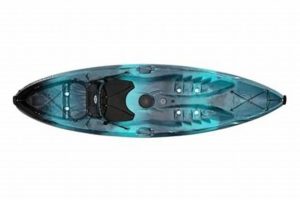
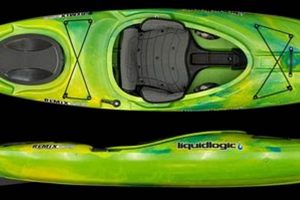
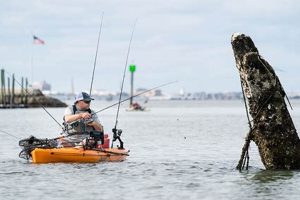
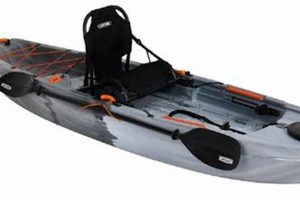
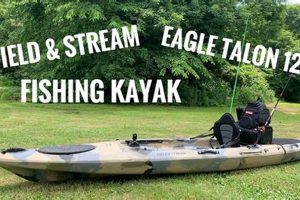
This specific model of recreational watercraft is designed for angling activities. It combines a stable platform with features tailored to enhance the fishing experience. Typically, such vessels include rod holders, storage compartments for tackle, and potentially other specialized adaptations like anchor trolleys or transducer mounts.
A well-designed fishing kayak offers stability and maneuverability, allowing anglers to access shallow waters and hard-to-reach fishing spots often inaccessible to larger boats. This type of watercraft provides a quiet, non-motorized approach, minimizing disturbance to fish and enhancing the overall angling experience. The evolution of kayak design has led to specialized fishing models that prioritize stability and functionality, making them increasingly popular among recreational fishers.
Further exploration of this topic will cover essential features, selection criteria, maintenance recommendations, and popular fishing techniques suited to this type of watercraft.
Tips for Kayak Fishing
Effective angling from a kayak requires preparation and technique. The following tips enhance safety and improve fishing success.
Tip 1: Prioritize Safety Equipment: Always wear a personal flotation device (PFD). Carry a whistle, signaling device, and a waterproof communication device. Inform someone of the planned fishing location and expected return time.
Tip 2: Balance and Stability: Practice entering and exiting the kayak in shallow water. Distribute weight evenly within the vessel. Avoid sudden movements that could compromise stability.
Tip 3: Paddle Selection and Technique: Choose a paddle appropriate for body size and kayak width. Employ efficient paddling techniques to conserve energy and maximize maneuverability.
Tip 4: Anchor Effectively: Learn appropriate anchoring techniques for various water conditions. A well-placed anchor maintains position and prevents drifting from the desired fishing spot.
Tip 5: Organized Tackle Management: Utilize tackle boxes and storage solutions designed for kayaks. Keep essential gear readily accessible while maintaining a clutter-free environment within the cockpit.
Tip 6: Respect Wildlife and the Environment: Adhere to catch and release guidelines when appropriate. Dispose of fishing line and other waste responsibly. Minimize disturbance to natural habitats.
Tip 7: Weather Awareness: Check weather forecasts before embarking on a fishing trip. Avoid paddling in strong winds, lightning storms, or other hazardous conditions.
Adherence to these guidelines promotes a safe and enjoyable fishing experience, maximizing the potential for success on the water.
This information provides practical guidance for enhancing kayak fishing experiences. The subsequent conclusion will summarize key takeaways and reiterate the importance of responsible angling practices.
1. Stability

Stability is a paramount consideration for any fishing kayak, directly influencing angler safety, casting effectiveness, and overall on-the-water confidence. For the Empire 120 fishing kayak, stability is a crucial design element affecting its suitability for various fishing environments and angler experience levels.
- Hull Design and Stability:
The Empire 120 typically features a flat-bottom hull design. This wider, flatter hull profile inherently provides greater primary stabilityresistance to initial tippingcompared to kayaks with more rounded or V-shaped hulls. This design element makes the Empire 120 a stable platform, especially for beginners or anglers fishing in calm waters. However, this stability often comes at the expense of maneuverability in currents or tighter waterways.
- Center of Gravity and Weight Distribution:
Maintaining a low center of gravity is critical for kayak stability. The Empire 120’s design and seating position contribute to a lower center of gravity. Proper weight distribution within the kayak further enhances stability. Storing heavier items lower and distributing gear evenly minimizes the risk of capsizing, particularly during casting or landing fish.
- Stability in Various Water Conditions:
While inherently stable, the Empire 120’s performance can vary based on water conditions. Calm lakes and slow-moving rivers provide optimal stability. However, choppy waters, strong currents, or ocean swells can present challenges. Anglers should exercise caution and consider factors like wind, waves, and currents when assessing stability in different environments.
- Stability and Angling Activities:
The Empire 120s stability directly affects angling activities. The stable platform facilitates standing for casting, sight fishing, or fighting larger fish. This enhanced stability allows anglers to focus on fishing techniques rather than constantly managing balance. However, sudden movements or leaning too far can still compromise stability, requiring constant awareness.
Ultimately, the Empire 120’s stability profile caters to a range of anglers, particularly those prioritizing a secure and predictable platform. Understanding the factors influencing stability, such as hull design, weight distribution, and water conditions, allows for informed decision-making and safer, more effective fishing experiences. While stability contributes to user-friendliness, especially for beginners, anglers should always prioritize safety precautions and operate within the kayak’s designed limitations.
2. Maneuverability

Maneuverability, the ability to efficiently navigate and control a vessel’s direction, plays a crucial role in the overall performance of a fishing kayak. For the Empire 120 fishing kayak, maneuverability influences access to fishing locations, responsiveness in changing water conditions, and the ease of navigating tight waterways or areas with obstacles. Understanding the factors that influence maneuverability contributes to informed decisions about appropriate usage and fishing environments.
- Hull Design and Length:
The Empire 120’s hull design and length directly impact maneuverability. Its moderate length offers a balance between tracking (maintaining a straight course) and turning responsiveness. Shorter kayaks generally turn more quickly but may sacrifice tracking performance, while longer kayaks excel at tracking but require more effort to turn. The Empire 120’s hull design often prioritizes stability, which can slightly reduce its maneuverability compared to kayaks with a more streamlined or pointed hull.
- Water Conditions and Maneuverability:
Water conditions significantly influence kayak maneuverability. Calm, flat water allows for predictable and responsive handling. However, currents, wind, and waves can impact directional control. The Empire 120’s stability, while beneficial in rougher waters, can sometimes make it feel less nimble in currents compared to shorter, more agile kayaks.
- Paddle Length and Technique:
Selecting an appropriately sized paddle and employing efficient paddling techniques contribute to maneuverability. A paddle that’s too long or too short can hinder control and efficiency. Proper paddling strokes enhance turning responsiveness and directional control. Practicing various paddle strokes, like sweep strokes and draws, improves the angler’s ability to maneuver the Empire 120 effectively.
- Weight Capacity and Load Distribution:
The weight carried in the kayak and its distribution affect maneuverability. A heavily loaded kayak, or one with uneven weight distribution, will respond more sluggishly to paddle input. Staying within the Empire 120’s recommended weight capacity and distributing weight evenly enhances responsiveness and control.
The Empire 120’s maneuverability represents a compromise between stability and agility. While not as nimble as shorter kayaks designed for whitewater or tight maneuvers, it offers sufficient control for most fishing environments. Understanding the interplay between hull design, water conditions, paddling technique, and weight management enables anglers to maximize the Empire 120’s performance and navigate diverse waterways effectively.
3. Storage Capacity

Adequate storage capacity is essential for fishing kayaks, enabling anglers to carry necessary gear, tackle, and safety equipment. The Empire 120 fishing kayak’s storage solutions directly impact organization, accessibility, and overall fishing experience. Understanding these storage options and their effective utilization contributes to a more efficient and enjoyable time on the water.
- Rear Tankwell Storage:
The Empire 120 typically features a rear tankwell, an open storage area at the stern. This space accommodates larger items like tackle crates, coolers, or dry bags. Bungee cords secure gear, preventing shifting or loss during transport. The tankwell’s accessibility allows for quick retrieval of frequently used items. However, items stored here are exposed to the elements, requiring waterproof storage solutions for sensitive gear.
- Front Hatch Storage:
Many Empire 120 models include a front hatch, providing enclosed storage within the kayak’s hull. This compartment protects gear from water and offers secure storage for valuables or sensitive electronics. However, access may require reaching forward, potentially affecting balance, and storage space may be limited compared to the tankwell.
- Side Storage and Rod Holders:
Side storage compartments or pockets offer convenient access to smaller items like tools, lures, or personal belongings. Dedicated rod holders, often flush-mounted or adjustable, secure fishing rods while paddling or when not in use. These features enhance organization and keep essential gear within easy reach.
- Storage Capacity and Weight Management:
While ample storage is beneficial, managing weight distribution is crucial for kayak performance and stability. Overloading the kayak, particularly in the stern, can negatively impact tracking and increase the risk of capsizing. Distributing weight evenly and securing items properly ensures optimal balance and maneuverability. Careful consideration of storage needs and packing strategies enhances the overall fishing experience.
The Empire 120’s storage features provide a practical solution for carrying essential fishing gear. Utilizing these storage options strategically, balancing weight distribution, and considering environmental factors, such as potential water exposure, optimizes organization and contributes to a more productive and enjoyable fishing experience. Choosing appropriate storage solutions, like waterproof bags and tackle boxes, further enhances gear protection and accessibility on the water.
4. Fishing Features
Dedicated fishing features distinguish specialized fishing kayaks from recreational models. These features enhance angling effectiveness and overall on-the-water experience. For the Empire 120 fishing kayak, these integrated elements contribute significantly to its utility and appeal among anglers.
- Rod Holders:
Rod holders, typically flush-mounted or adjustable, secure fishing rods while paddling, allowing hands-free operation and preventing rod loss. Multiple rod holders accommodate diverse fishing techniques and rod setups. The Empire 120 commonly features strategically placed rod holders for easy access and secure storage during transit.
- Tackle Storage:
Designated compartments and storage solutions organize essential tackle and keep it readily accessible. These may include dedicated tackle boxes, trays, or integrated compartments within the kayak’s hull. Efficient tackle management minimizes clutter and maximizes fishing efficiency. The Empire 120’s storage design addresses the specific needs of anglers, enhancing convenience and organization.
- Transducer Mounts:
Transducer mounts facilitate the installation of fish finders, providing crucial underwater insights for locating fish and identifying underwater structures. Integrated mounts simplify installation and protect transducers from damage. The Empire 120 often incorporates transducer-ready scupper holes or dedicated mounting areas, streamlining fish finder integration.
- Anchor Systems:
Anchor systems, including anchor trolleys or cleats, allow anglers to maintain position in desired fishing locations. These systems provide control in currents or wind, preventing drift and maximizing fishing effectiveness. The Empire 120’s anchor system options enhance stability and control in various fishing environments.
These integrated fishing features contribute significantly to the Empire 120’s utility as a dedicated fishing platform. The combination of rod holders, tackle storage, transducer mounts, and anchor systems enhances angling efficiency and overall enjoyment on the water. These features, combined with the kayak’s stability and maneuverability, create a versatile platform suitable for diverse fishing styles and environments.
5. Durability
Durability is a critical factor influencing the lifespan and overall value of a fishing kayak. For the Empire 120 fishing kayak, durability directly impacts its ability to withstand the rigors of regular use, including transportation, impacts, and exposure to various environmental conditions. Understanding the factors contributing to the Empire 120’s durability informs purchasing decisions and guides appropriate maintenance practices.
- Construction Material and Manufacturing Process:
The Empire 120’s construction material plays a vital role in its overall durability. High-density polyethylene (HDPE) is a common material choice for recreational kayaks due to its impact resistance, UV resistance, and affordability. The manufacturing process, including molding techniques and quality control measures, influences the kayak’s structural integrity and resistance to wear and tear. Rotational molding, a common process for HDPE kayaks, creates a seamless, one-piece hull with uniform thickness, contributing to overall strength.
- UV Resistance and Environmental Factors:
Exposure to sunlight and other environmental elements can degrade kayak materials over time. UV radiation can cause fading, cracking, and weakening of plastics. The Empire 120’s UV resistance, a characteristic influenced by the specific HDPE formulation and manufacturing process, affects its long-term durability in sunny climates. Proper storage and maintenance practices, such as covering the kayak when not in use, further protect it from environmental degradation.
- Impact Resistance and Handling:
Kayaks inevitably encounter impacts during transportation, launching, and retrieval, as well as from underwater obstacles or collisions. The Empire 120’s HDPE construction provides inherent impact resistance, protecting it from minor bumps and scrapes. However, severe impacts can still cause damage. Careful handling during transport and launching, along with navigating cautiously in shallow water or rocky areas, minimizes the risk of damage and extends the kayak’s lifespan.
- Maintenance and Care:
Proper maintenance practices contribute significantly to a kayak’s long-term durability. Regularly rinsing the kayak with fresh water after use removes salt, sand, and other corrosive elements. Inspecting the hull for damage and addressing minor scratches or abrasions prevents further deterioration. Storing the kayak properly, protected from extreme temperatures and direct sunlight, further extends its lifespan. Following manufacturer recommendations for maintenance and care ensures the Empire 120 remains in optimal condition for years of reliable service.
The Empire 120’s durability, a result of its construction material, manufacturing process, and inherent resistance to environmental factors, contributes to its long-term value and suitability for diverse fishing environments. Understanding the factors that influence durability, combined with appropriate maintenance practices, ensures the kayak remains a reliable fishing platform for years to come. Investing in a durable kayak like the Empire 120 minimizes the need for frequent repairs or replacements, offering a cost-effective solution for avid anglers.
Frequently Asked Questions
This section addresses common inquiries regarding the Empire 120 fishing kayak, providing concise and informative responses to facilitate informed decision-making and enhance user understanding.
Question 1: What is the weight capacity of the Empire 120 fishing kayak?
The weight capacity typically ranges between 300-400 lbs, depending on the specific model year and manufacturer specifications. Exceeding this limit can compromise stability and performance.
Question 2: Is the Empire 120 suitable for ocean fishing?
While designed primarily for calm waters and slow-moving rivers, the Empire 120 can handle protected coastal areas and bays in calm conditions. Open ocean use or venturing into rough waters is generally not recommended.
Question 3: What is the overall length and width of the Empire 120?
The Empire 120 typically measures approximately 12 feet in length and 32-34 inches in width. These dimensions contribute to its balance of stability and maneuverability.
Question 4: What materials are used in the construction of the Empire 120?
High-density polyethylene (HDPE) is the primary construction material, offering durability, impact resistance, and UV protection.
Question 5: Does the Empire 120 come with pre-installed fishing accessories?
Standard configurations typically include built-in rod holders and storage compartments. Specific accessories, such as paddle clips, anchor systems, or fish finders, may vary by model or retailer.
Question 6: How does the Empire 120 perform in windy conditions?
Its wider hull provides stability, but wind can impact tracking and maneuverability. Using a rudder or drift sock can improve control in windy conditions.
This FAQ section provides essential information for prospective buyers or current owners. Consulting the manufacturer’s specifications and user manuals provides additional details and addresses specific model variations.
The following section offers concluding remarks and summarizes key considerations for selecting and utilizing the Empire 120 fishing kayak effectively.
Conclusion
This exploration of the Empire 120 fishing kayak encompassed key aspects of its design, features, and performance characteristics. Stability, maneuverability, storage capacity, specialized fishing features, and durability were examined in detail. The interplay of these elements contributes to the kayak’s suitability for diverse fishing environments and angler preferences. Understanding these core attributes facilitates informed purchase decisions and promotes optimal utilization on the water.
Careful consideration of individual angling needs, target fishing locations, and desired features remains paramount in kayak selection. Thorough research, combined with practical experience and adherence to safety guidelines, ensures a rewarding and productive fishing experience. The Empire 120 presents a compelling option for anglers seeking a stable, feature-rich platform for pursuing their passion on the water.