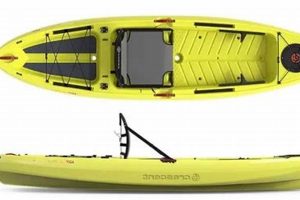
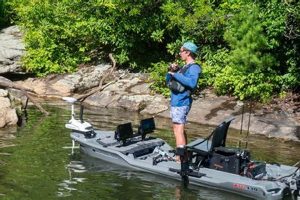
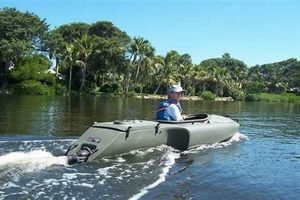
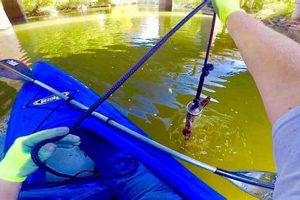
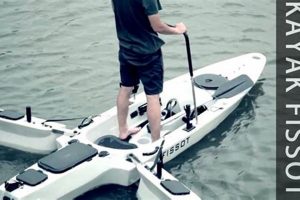
Tandem kayaks designed for angling provide a stable platform for two individuals to fish collaboratively. These watercraft typically feature specialized storage for rods, tackle, and often include other amenities like rod holders and anchor trolleys. A common example is a sit-on-top configuration offering enhanced stability and ease of entry and exit compared to traditional sit-inside kayaks.
Shared paddling reduces exertion over long distances, allowing anglers to conserve energy for fishing. The collaborative aspect enhances safety, particularly in challenging conditions, and allows for shared knowledge and experience. Historically, fishing from small, human-powered vessels has been a common practice across cultures. Modern materials and designs have evolved these craft, with tandem fishing kayaks representing a specialized iteration focused on comfort, stability, and practical features specifically for anglers.
This article will further explore key aspects of selecting and using these specialized watercraft. Topics covered will include design variations, essential features, safety considerations, and recommended accessories for optimizing the fishing experience.
Tips for Tandem Kayak Fishing
Optimizing the tandem kayak fishing experience requires careful consideration of several factors. These tips offer guidance for improved safety, efficiency, and overall enjoyment.
Tip 1: Coordinate Paddling Strokes: Synchronous paddling is crucial for efficient movement and maintaining a straight course. Practicing together on flat water before venturing into fishing areas is recommended.
Tip 2: Distribute Weight Evenly: Proper weight distribution is essential for stability. Gear should be balanced between both paddlers and stored securely. Consider the combined weight of occupants and gear relative to the kayak’s capacity.
Tip 3: Establish Clear Communication: Open communication between paddlers is vital, especially when navigating complex waterways or changing fishing locations. Agree on hand signals or quiet verbal cues beforehand.
Tip 4: Choose Compatible Fishing Styles: Anglers utilizing significantly different techniques might find their lines tangled or their movements interfering with each other. Discuss preferred methods and target species prior to launching.
Tip 5: Practice Emergency Procedures: Re-entry procedures should be practiced in calm water before encountering potentially challenging conditions. Understanding how to assist each other in the event of a capsize is crucial.
Tip 6: Respect Each Other’s Space: While collaboration is key, maintaining personal space enhances comfort and prevents accidental interference with fishing activities. Be mindful of casting directions and rod placement.
Tip 7: Select Appropriate Safety Gear: Personal flotation devices (PFDs) are essential for both paddlers. Carrying a whistle, signaling device, and basic first aid kit is also recommended.
Adhering to these guidelines promotes a safer, more productive, and enjoyable tandem kayak fishing experience. Proper preparation and communication are fundamental for success on the water.
By understanding and implementing these tips, anglers can maximize the inherent advantages of tandem kayak fishing while minimizing potential challenges.
1. Capacity

Capacity, a crucial factor in tandem kayak selection, directly impacts safety and performance. It dictates the combined weight of passengers, gear, and any additional cargo the vessel can safely support. Understanding capacity limitations is essential for preventing instability, submersion, and potential accidents.
- Maximum Weight Limit:
This figure, specified by the manufacturer, represents the absolute weight limit the kayak can safely carry. Exceeding this limit compromises stability and increases the risk of capsizing. For example, a tandem kayak with a 500-pound capacity could accommodate two 175-pound anglers plus 150 pounds of combined gear. Calculating and adhering to this limit is paramount for safe operation.
- Weight Distribution:
Evenly distributing weight throughout the kayak is crucial for maintaining balance and efficient tracking. Uneven distribution can lead to instability, especially in challenging conditions. Placing heavier items lower in the kayak and distributing gear evenly between paddlers optimizes performance. For instance, positioning a cooler centrally and dividing tackle boxes between the front and rear storage areas enhances stability.
- Volume Capacity:
While maximum weight is a critical safety factor, volume capacity determines the amount of gear that can physically fit within the kayak’s storage compartments. Sufficient volume is essential for accommodating fishing rods, tackle boxes, safety equipment, and personal items. A kayak with ample storage allows for organized gear placement, maximizing efficiency and accessibility while minimizing clutter.
- Impact of Capacity on Performance:
Operating a tandem kayak near its maximum capacity can affect its performance. It may sit lower in the water, increasing drag and reducing maneuverability. Acceleration and speed can also be impacted. Understanding the trade-off between carrying capacity and performance is important for selecting the right kayak for specific fishing needs. A kayak heavily laden with gear will require more effort to paddle and maneuver compared to a lightly loaded one.
Careful consideration of these capacity-related factors is paramount for ensuring a safe and successful fishing expedition. Selecting a tandem kayak with adequate capacity and distributing weight appropriately are essential for maximizing stability, performance, and overall enjoyment on the water.
2. Stability
Stability is a paramount consideration in double seater fishing kayaks, directly influencing safety and angling effectiveness. A stable platform minimizes the risk of capsizing, especially during activities like casting, reeling, and landing fish. It also enhances comfort, allowing anglers to focus on fishing rather than maintaining balance. Several factors contribute to kayak stability, including hull design, width, and weight distribution. A wider, flatter hull generally provides greater initial stability, resisting tipping, while a narrower, more V-shaped hull offers superior secondary stability, recovering more readily from significant leans. For example, a kayak designed for calm lakes might prioritize initial stability with a wider, flatter hull, whereas one intended for ocean fishing might favor secondary stability with a narrower, V-shaped hull to handle waves and swells.
Weight distribution plays a crucial role in stability. Evenly distributing weight within the kayak, both fore and aft and side to side, maximizes stability. Concentrated weight, such as two anglers positioned close together, can compromise stability and increase the risk of tipping. Proper gear placement is equally important. Storing heavier items lower and centrally within the kayak contributes to a lower center of gravity, enhancing stability. For instance, placing a tackle box centrally beneath a seat improves stability compared to storing it on the side deck. Furthermore, the combined weight of anglers and gear should not exceed the kayak’s specified weight capacity, as overloading can significantly compromise stability.
Understanding the interplay between hull design, weight distribution, and capacity is crucial for selecting and operating a double seater fishing kayak safely and effectively. Prioritizing stability enhances not only safety but also angling success by providing a secure and comfortable platform for casting, retrieving, and landing fish. Failure to consider stability can lead to capsizing incidents, potentially resulting in equipment loss and personal injury. Therefore, careful consideration of these factors is essential for a safe and enjoyable fishing experience.
3. Maneuverability
Maneuverability in a double seater fishing kayak significantly impacts its suitability for specific fishing environments. Factors affecting maneuverability include hull design, length, and the combined paddling effort of both occupants. Longer kayaks generally track straighter and glide more efficiently, but they sacrifice turning agility in tight spaces like narrow creeks or rivers choked with vegetation. Shorter kayaks, conversely, turn more readily but may require more frequent paddling strokes to maintain speed and a straight course in open water. Hull design also plays a crucial role. A kayak with a prominent keel tracks straight effectively but requires more effort to turn. A flatter-bottomed hull sacrifices tracking for enhanced turning performance. The combined paddling input of two individuals introduces complexity, requiring synchronized strokes for efficient maneuvering. Asymmetric paddling, whether intentional or accidental, can significantly impact the kayak’s intended direction.
Consider a scenario where anglers navigate a narrow, winding river dense with fallen logs. A shorter, flatter-bottomed kayak with a responsive turning radius proves advantageous, allowing for quick adjustments to avoid obstacles. In contrast, a longer kayak designed for open-water tracking becomes cumbersome and challenging to maneuver in such confined spaces. Conversely, when traversing larger lakes or open coastal areas, the longer kayak’s efficient tracking and gliding minimize paddling effort, whereas the shorter kayak requires constant correction to maintain a straight course. Thus, the optimal balance between tracking and turning capability depends heavily on the intended fishing environment. Understanding these trade-offs is crucial for selecting a double seater fishing kayak best suited to specific fishing locations.
Selecting a tandem fishing kayak requires careful consideration of maneuverability needs. Evaluating the intended fishing environment, considering hull design, length, and the dynamics of two-person paddling, directly influences the kayak’s suitability. Prioritizing maneuverability for confined waterways or opting for efficient tracking in open water ultimately dictates the vessel’s effectiveness and overall fishing experience. Overlooking maneuverability can lead to frustration, reduced fishing effectiveness, and potential safety concerns in challenging conditions.
4. Storage
Ample and well-designed storage is a defining feature of effective double seater fishing kayaks. The inherent need to transport rods, reels, tackle boxes, safety gear, and personal items necessitates dedicated storage solutions. Insufficient or poorly planned storage compromises efficiency, potentially tangling lines, damaging equipment, and impeding access to essential items. Dedicated rod holders, strategically positioned throughout the kayak, secure rods during transit and while actively fishing, preventing damage and freeing hands for paddling and other tasks. Examples include flush-mounted rod holders integrated into the kayak’s deck or adjustable rod holders that allow for customized positioning. Tackle storage compartments, often located within easy reach, organize lures, hooks, and other small items, minimizing time spent searching for specific gear. Dry storage compartments, typically sealed with watertight hatches, protect sensitive items like electronics, wallets, and phones from water damage, ensuring functionality even in wet conditions.
Consider a scenario where two anglers embark on a multi-day fishing trip. A tandem kayak equipped with ample dry storage accommodates clothing, food, and camping gear, crucial for extended excursions. Dedicated compartments for tackle boxes keep lures organized by type or target species, streamlining the fishing process. Rod holders safeguard valuable fishing rods during transit and allow for quick access when encountering promising fishing spots. Conversely, inadequate storage necessitates precarious balancing of gear, increasing the risk of equipment loss or damage. Disorganized tackle leads to wasted time and frustration when searching for specific lures. The absence of dry storage exposes essential items to the elements, potentially rendering electronic devices useless and compromising safety equipment.
Effective storage solutions significantly enhance the functionality and overall experience of double seater fishing kayaks. Dedicated compartments for rods, tackle, and personal items optimize organization and accessibility, contributing to a more efficient and enjoyable fishing trip. Prioritizing storage capacity and features during kayak selection directly impacts both the practicality and success of fishing excursions. Failure to adequately address storage needs can lead to compromised safety, equipment damage, and a frustrating on-the-water experience.
5. Comfort

Comfort in a double seater fishing kayak directly influences endurance, focus, and overall enjoyment. Extended periods on the water, often in demanding conditions, necessitate ergonomic design and adjustable features. Proper seating mitigates fatigue, allowing anglers to maintain concentration and react effectively to fishing opportunities. Adjustable seat backs, for instance, accommodate varying postures and provide lumbar support, reducing strain during long paddling sessions. Padded seating surfaces enhance comfort and minimize pressure points. Furthermore, ample legroom allows for comfortable positioning and facilitates movement within the kayak. A cramped seating arrangement can lead to discomfort, stiffness, and reduced fishing effectiveness. Consider a scenario where anglers spend hours trolling for fish in choppy water. Supportive, adjustable seating mitigates fatigue and allows for quick adjustments to maintain balance and casting accuracy. Conversely, poorly designed seating leads to discomfort, diverting focus from fishing and potentially shortening the trip.
Beyond seating, other comfort features enhance the fishing experience. Footrests or adjustable foot braces provide essential leverage for paddling and contribute to stability. Integrated cup holders keep beverages secure and accessible, promoting hydration. Storage compartments within easy reach minimize awkward stretching and bending, reducing strain. For example, readily accessible storage for sunscreen, snacks, and essential gear enhances comfort and efficiency throughout the day. The cumulative impact of these features contributes significantly to the overall fishing experience. Discomfort can detract from the enjoyment of fishing and even compromise safety by impairing focus and responsiveness.
Prioritizing comfort in a double seater fishing kayak is essential for maximizing enjoyment and effectiveness on the water. Ergonomic seating, adjustable features, and convenient storage solutions contribute to reduced fatigue, improved focus, and enhanced overall performance. Selecting a kayak with appropriate comfort features should be a primary consideration, especially for anglers anticipating extended trips or challenging conditions. Overlooking comfort can lead to a diminished fishing experience, potentially compromising both enjoyment and safety.
6. Propulsion

Propulsion systems significantly influence the performance and suitability of double seater fishing kayaks for various fishing environments. Traditional paddle propulsion, while offering simplicity and affordability, requires physical exertion that can detract from fishing focus, particularly during long trips or against strong currents. Conversely, pedal-powered kayaks, utilizing either propeller or fin systems, offer hands-free propulsion, allowing anglers to dedicate more attention to fishing techniques. This advantage proves particularly valuable in situations demanding precise boat control, such as trolling or maintaining position in moving water. However, pedal systems add complexity and cost, increasing potential maintenance requirements. Electric motor propulsion provides the greatest power and range, enabling anglers to cover larger distances and combat challenging currents effortlessly. This advantage comes at a premium price, increased weight, and the necessity for battery management. Consider a scenario where anglers target offshore fishing grounds. Paddle propulsion becomes inefficient and physically demanding over long distances. A pedal-powered kayak allows for continuous, hands-free movement, conserving energy for fishing. An electric motor provides the necessary power to efficiently reach distant locations and navigate strong currents.
Selecting the appropriate propulsion system hinges on several factors, including fishing style, target species, and the characteristics of the fishing environment. Calm lakes or slow-moving rivers might favor paddle or pedal propulsion, where maneuverability and stealth outweigh the need for speed or extended range. Open ocean or large reservoirs, conversely, often necessitate the power and range of an electric motor to efficiently reach distant fishing grounds. Furthermore, the combined weight capacity of the kayak, including anglers, gear, and the propulsion system itself, must be considered. Exceeding the maximum weight capacity can compromise stability and performance, regardless of the chosen propulsion method. For instance, a heavily loaded tandem kayak with paddle propulsion may struggle to achieve efficient speeds, while an electric motor might strain under excessive weight, reducing battery life and potentially damaging the system.
Matching propulsion systems to specific fishing needs is crucial for optimizing performance and maximizing the fishing experience. Careful consideration of factors like fishing environment, target species, and overall weight capacity informs the decision-making process. Understanding the inherent advantages and limitations of each propulsion typepaddle, pedal, or electricensures anglers select the most appropriate system for their individual fishing style and target locations. Failure to consider propulsion requirements can lead to inefficient performance, reduced fishing effectiveness, and potential safety concerns in challenging conditions.
7. Materials

Material selection significantly influences the performance, durability, and cost of a double seater fishing kayak. The chosen material dictates the kayak’s resistance to impact, abrasion, UV degradation, and its overall lifespan. Understanding the properties of common kayak construction materials informs purchasing decisions and ensures the vessel’s suitability for intended fishing environments.
- Polyethylene (PE)
Polyethylene, a widely used thermoplastic polymer, offers excellent impact resistance, durability, and affordability. Rotational molding, a common manufacturing process for PE kayaks, produces a seamless, highly durable hull. PE kayaks withstand impacts from rocks, logs, and other obstacles encountered in various fishing environments. This robustness makes them suitable for challenging conditions, such as rocky rivers or shallow coastal areas.
- High-Density Polyethylene (HDPE)
High-density polyethylene, a variant of PE, offers even greater impact resistance and rigidity compared to standard PE. HDPE kayaks typically exhibit superior durability and longevity, making them well-suited for frequent use in demanding environments. This material’s resilience against abrasion and UV degradation contributes to a longer lifespan, reducing the need for frequent replacements.
- Fiberglass
Fiberglass kayaks, constructed by layering fiberglass cloth with resin, offer superior stiffness and lighter weight compared to PE kayaks. This translates to enhanced paddling efficiency and responsiveness. Fiberglass kayaks often exhibit more refined hull designs, optimizing performance for specific paddling styles or fishing techniques. However, fiberglass is more susceptible to scratches and cracks upon impact, requiring greater care during transport and handling.
- Thermoformed Composites
Thermoformed composites involve molding sheets of composite materials, often incorporating ABS or ASA plastics, under heat and pressure. This process yields kayaks with a combination of durability, stiffness, and lighter weight. Thermoformed kayaks often represent a middle ground between PE and fiberglass, offering a balance of performance and durability. They often incorporate UV-resistant additives to mitigate sun damage, contributing to a longer lifespan.
The choice of material directly impacts the overall performance, durability, and cost of a double seater fishing kayak. Selecting the appropriate material requires careful consideration of the intended fishing environment, frequency of use, and budget constraints. Prioritizing durability might necessitate selecting a robust PE or HDPE kayak, while performance-oriented anglers might favor the lighter weight and responsiveness of fiberglass or thermoformed composites. Balancing these factors ensures the selection of a kayak best suited to individual needs and fishing preferences.
Frequently Asked Questions
This section addresses common inquiries regarding tandem fishing kayaks, providing concise and informative responses to facilitate informed decision-making.
Question 1: What are the key advantages of a tandem fishing kayak over two single kayaks?
Tandem kayaks offer increased stability, particularly beneficial for less experienced paddlers or challenging conditions. They also facilitate collaboration, shared gear transport, and often prove more affordable than purchasing two individual kayaks.
Question 2: How is stability affected in a tandem kayak compared to a single kayak?
Stability in a tandem kayak is influenced by its width, hull design, and weight distribution. Generally, tandem kayaks offer greater initial stability due to their increased width but can be less maneuverable than single kayaks. Proper weight distribution is crucial for maintaining optimal stability.
Question 3: What factors influence the maneuverability of a tandem fishing kayak?
Length, hull design, and the synchronization of paddling strokes between occupants affect maneuverability. Longer kayaks track straighter but turn slower. Shorter kayaks turn quickly but require more effort to maintain a straight course. Synchronized paddling is essential for efficient maneuvering.
Question 4: What storage features should one look for in a tandem fishing kayak?
Essential storage features include dedicated rod holders, sealed compartments for tackle and electronics, and ample space for personal items. Prioritize readily accessible storage compartments designed to accommodate essential fishing gear and keep items dry.
Question 5: How does weight capacity affect the performance of a tandem fishing kayak?
Exceeding the maximum weight capacity compromises stability and performance. The kayak will sit lower in the water, increasing drag and reducing maneuverability. Adhering to weight limits is crucial for safe and efficient operation.
Question 6: What are the primary materials used in tandem fishing kayak construction, and how do they differ?
Common materials include polyethylene (PE), high-density polyethylene (HDPE), fiberglass, and thermoformed composites. PE offers durability and affordability. HDPE provides enhanced impact resistance. Fiberglass boasts lighter weight and stiffness but requires greater care. Thermoformed composites offer a balance of durability and performance.
Understanding these key aspects empowers informed decisions when selecting and utilizing a tandem fishing kayak, enhancing safety, efficiency, and the overall fishing experience.
For further information on specific models and features, continue to the in-depth product reviews in the following section.
Double Seater Fishing Kayak
Careful consideration of key aspects, including capacity, stability, maneuverability, storage, comfort, propulsion, and construction materials, is crucial when selecting a tandem fishing kayak. Matching these features to specific fishing styles, target species, and environmental conditions ensures optimal performance, safety, and enjoyment on the water. Understanding the interplay of these factors empowers informed decisions, transforming the selection process from a potentially daunting task into a targeted pursuit of the ideal vessel.
The evolution of tandem fishing kayaks reflects a continuous refinement of design and functionality, catering to the specific needs of anglers. As technology advances and materials science progresses, further innovation promises to enhance performance, comfort, and sustainability within this specialized segment of recreational watercraft. Ultimately, the selection of a double seater fishing kayak represents a significant investment in the pursuit of a shared passion, enhancing camaraderie and connection with the natural world.