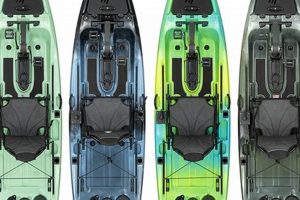
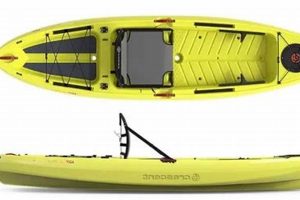
Evaluations of kayaks designed for angling provide consumers with critical information regarding vessel features, performance, and suitability for specific fishing styles and environments. These assessments typically cover aspects such as stability, storage capacity, maneuverability, comfort, and the integration of fishing-specific accessories. An example would be an analysis comparing the pros and cons of a sit-on-top kayak versus a sit-inside kayak for freshwater bass fishing.
Access to these critiques empowers informed purchasing decisions, allowing anglers to select equipment optimized for their individual needs and budgets. Historically, information about fishing kayaks was primarily disseminated through print magazines and word-of-mouth. The rise of the internet and online platforms has dramatically expanded the availability and accessibility of these valuable resources, fostering a more transparent and informed marketplace for both novice and experienced anglers.
This article will further explore the key elements considered in kayak evaluations, discuss reputable sources for finding reliable information, and provide guidance on interpreting assessments to select the ideal fishing kayak.
Tips for Utilizing Kayak Evaluations
Effective use of available information is crucial for selecting appropriate fishing kayaks. The following tips provide guidance for navigating evaluations and making informed decisions.
Tip 1: Identify Target Species and Fishing Environment: Consider the intended fishing environment (ocean, lake, river) and target species. Ocean kayaks require different characteristics than those used in calm lakes.
Tip 2: Prioritize Stability and Capacity: Stability is paramount, especially when fishing in moving water or standing to cast. Adequate storage for tackle, gear, and potential catches is essential.
Tip 3: Evaluate Hull Design: Different hull designs offer varying performance characteristics. A longer, narrower hull provides speed and tracking, while a shorter, wider hull offers greater stability.
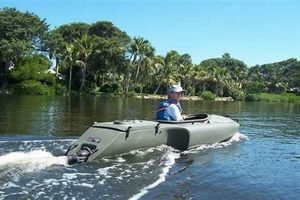
Tip 4: Consider Propulsion Systems: Paddle kayaks offer excellent exercise and maneuverability. Pedal-driven kayaks provide hands-free fishing and greater speed over longer distances. Motorized kayaks offer the greatest range.
Tip 5: Assess Comfort and Ergonomics: A comfortable seat and adjustable features contribute to longer, more enjoyable fishing trips. Consider factors like seat height, back support, and footrest adjustability.
Tip 6: Research Reputable Sources: Seek evaluations from reputable sources such as established paddling publications, experienced anglers, and independent reviewers. Be wary of overly promotional content.
Tip 7: Compare Multiple Reviews: Consulting multiple reviews provides a more comprehensive understanding of a kayak’s strengths and weaknesses.
By following these tips, prospective buyers can effectively leverage available information to select fishing kayaks optimally suited to their individual needs and fishing styles.
The subsequent section will offer concluding thoughts and reiterate the significance of informed decision-making in kayak selection.
1. Credibility of Sources

Credibility of sources is paramount when researching fishing kayaks. Reliable reviews stem from demonstrable expertise and unbiased perspectives. Sources lacking credibility can mislead consumers with inaccurate information or biased opinions, potentially leading to unsuitable purchases. Established paddling magazines, experienced anglers with a proven track record, and independent reviewers with transparent testing methodologies generally offer greater credibility. For instance, a review from a publication specializing in kayak fishing, with a history of rigorous product testing, carries more weight than an anonymous online comment. Conversely, reviews originating from retailers or manufacturers, while potentially informative, should be approached with a degree of caution due to inherent potential biases.
The impact of source credibility extends beyond individual purchase decisions. Credible reviews contribute to a more informed marketplace, holding manufacturers accountable and driving product innovation. They empower consumers to make informed choices based on factual data and verified performance metrics, rather than marketing claims. This fosters a consumer landscape where quality and functionality are prioritized, encouraging manufacturers to continually improve their products. Consider the evolution of kayak design incorporating angler-specific features; this progress is partly driven by consumer demand informed by credible reviews highlighting desired features and shortcomings.
In summary, prioritizing credible sources when consulting fishing kayak reviews is crucial for informed purchasing decisions. Credible reviews provide reliable information, promoting a transparent marketplace and driving product development. Consumers should critically evaluate sources, considering their expertise, objectivity, and potential biases. This discerning approach empowers informed choices, ensuring anglers select kayaks that meet their specific needs and contribute to positive on-the-water experiences.
2. Objective Evaluations

Objective evaluations form the cornerstone of credible fishing kayak reviews. These assessments prioritize factual data and measurable performance characteristics over subjective opinions or marketing rhetoric. Objective evaluations consider factors such as stability, tracking, speed, maneuverability, and storage capacity, often employing standardized testing methodologies to ensure consistent and comparable results. For example, an objective evaluation might measure the maximum weight capacity of a kayak before compromising stability or quantify the speed achieved with a specific paddling cadence. This data-driven approach allows consumers to compare kayaks based on quantifiable metrics rather than vague descriptions.
The importance of objectivity in kayak reviews stems from its ability to empower informed consumer decisions. Unlike subjective impressions, objective data provides a common frame of reference, allowing potential buyers to assess kayaks based on their individual needs and priorities. For instance, an angler prioritizing stability for stand-up fishing can compare the documented stability ratings of different kayaks. Similarly, someone seeking a fast kayak for covering long distances can reference speed test results. This objective approach removes ambiguity and ensures consumers select kayaks aligned with their specific requirements.
In summary, objective evaluations provide the crucial factual foundation upon which informed purchasing decisions are built. By prioritizing measurable data and standardized testing, these evaluations equip consumers with the information necessary to select kayaks optimized for their individual fishing styles and environmental conditions. This reliance on objectivity fosters a transparent marketplace where performance metrics, not marketing hyperbole, dictate purchasing choices, ultimately benefiting both anglers and the industry as a whole.
3. Targeted features analysis

Targeted features analysis provides crucial context within fishing kayak reviews, enabling informed consumer decisions. Analyzing specific features relevant to angling differentiates kayaks designed for diverse fishing styles and environments. This analysis goes beyond general specifications, delving into the practical implications of design choices for anglers.
- Stability
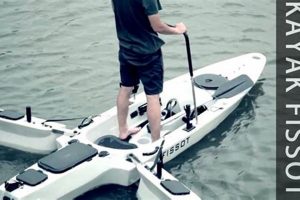
Stability is paramount for fishing kayaks, particularly for anglers who prefer standing to cast or fish in rough waters. Reviews often assess stability through standardized tests or practical demonstrations. A kayak’s hull design, width, and center of gravity contribute to its overall stability. Reviews might compare the stability of different hull types, such as pontoon hulls versus traditional V-hulls, highlighting their suitability for specific fishing scenarios.
- Storage Capacity
Storage capacity is a critical consideration for anglers, accommodating tackle boxes, rods, and other essential gear. Reviews analyze storage options, including hatches, tank wells, and integrated storage compartments. Evaluations might compare storage volume, accessibility, and the security of storage solutions. For example, a review might highlight a kayak’s ability to store specific rod lengths or the ease of accessing tackle during fishing.
- Maneuverability
Maneuverability impacts a kayak’s performance in various fishing environments. Reviews assess how easily a kayak turns, tracks in a straight line, and handles in different water conditions. Hull design, length, and rudder systems all influence maneuverability. Reviews often provide insights into a kayak’s suitability for navigating tight rivers, open lakes, or ocean surf.
- Comfort and Ergonomics
Comfort and ergonomics significantly influence the overall fishing experience. Reviews analyze seat design, adjustability, and padding, as well as features like footrests and back supports. These evaluations often consider the impact of long hours on the water and the importance of ergonomic design for paddling efficiency and comfort. For instance, a review might compare the comfort of different seat types, highlighting features like breathability, adjustability, and lumbar support.
Through targeted features analysis, fishing kayak reviews provide valuable insights into how specific design elements impact on-the-water performance and angler experience. This detailed examination empowers consumers to select kayaks optimized for their individual fishing styles, target species, and preferred environments, leading to more informed purchase decisions and enhanced fishing experiences.
4. Performance Assessments

Performance assessments constitute a critical component of fishing kayak reviews, providing objective data and insights into on-the-water capabilities. These assessments evaluate how a kayak performs under various conditions, offering crucial information for anglers seeking vessels suited to specific fishing styles and environments. Understanding performance metrics empowers informed purchasing decisions, aligning kayak selection with individual needs and expectations.
- Tracking
Tracking refers to a kayak’s ability to maintain a straight course with minimal paddling effort. Efficient tracking is crucial for covering long distances and navigating open water. Performance assessments often evaluate tracking by measuring the kayak’s deviation from a straight line over a set distance. A kayak with excellent tracking requires fewer corrective strokes, conserving energy and enhancing paddling efficiency.
- Speed
Speed, a critical factor for anglers covering vast distances or competing in kayak fishing tournaments, is often assessed by measuring the time taken to paddle a set distance. Hull design, length, and waterline length significantly influence speed. Reviews may compare the speed of different kayaks under various conditions, such as calm water versus current or wind. This data allows anglers to select kayaks optimized for speed based on their specific needs.
- Maneuverability
Maneuverability reflects a kayak’s responsiveness to paddle input and its ability to navigate tight turns and obstacles. This attribute is particularly important for fishing in rivers, creeks, or areas with complex shorelines. Performance assessments might evaluate turning radius, responsiveness to edging (leaning the kayak), and the ability to navigate obstacles. A highly maneuverable kayak allows anglers to access tight fishing spots and navigate challenging waterways efficiently.
- Stability
Stability, a crucial factor for angler safety and comfort, especially when standing to cast or fish in rough conditions, is typically evaluated through standardized tests. These tests often involve measuring the kayak’s resistance to tipping when subjected to controlled forces. Reviews might compare the primary and secondary stability of different kayaks, providing insights into their performance in various water conditions. A stable kayak inspires confidence and allows anglers to focus on fishing rather than maintaining balance.
Performance assessments in fishing kayak reviews provide essential insights into on-the-water capabilities. By analyzing metrics like tracking, speed, maneuverability, and stability, anglers can effectively evaluate how a kayak will perform in their target fishing environment. This objective data empowers informed purchasing decisions, ensuring alignment between kayak selection and individual angling needs and expectations. Comparing performance data across multiple reviews further refines the selection process, guiding anglers toward the most suitable kayak for their specific requirements.
5. User Experience Insights
User experience insights represent a crucial element within fishing kayak reviews, providing real-world perspectives on product performance and practicality. These insights, often gleaned from long-term use and diverse fishing scenarios, offer valuable context beyond standardized testing and manufacturer specifications. Analyzing user experiences empowers potential buyers to understand how a kayak performs in practical situations, informing purchasing decisions and ensuring alignment between product features and individual angling needs.
- Durability and Build Quality
User feedback on durability offers critical insights into a kayak’s long-term performance. Experiences with impacts, abrasion, and exposure to various environmental conditions provide valuable information about build quality and material resilience. For example, a user reporting consistent performance after years of use in harsh saltwater environments provides strong evidence of durability. Conversely, multiple reports of cracking or hull deformation suggest potential weaknesses in construction. This information allows prospective buyers to assess long-term value and anticipate potential maintenance needs.
- Comfort and Practicality
User feedback on comfort and practicality provides valuable insights often overlooked in standardized testing. Reports on seat comfort during extended fishing trips, the ease of adjusting features like footrests, and the practicality of storage solutions offer crucial context for anglers. For example, a user describing back pain after several hours in a specific kayak seat highlights potential ergonomic issues. Similarly, feedback on the accessibility of storage compartments while on the water reveals practical design considerations often missed in initial product specifications.
- Fishing-Specific Features
User insights into fishing-specific features offer valuable practical perspectives. Feedback on the effectiveness of rod holders, the stability of standing platforms, and the ease of integrating fish finders provides crucial information for anglers. For example, a user highlighting the stability and convenience of a specific standing platform validates its effectiveness for sight fishing. Similarly, reports on the secure and accessible placement of rod holders offer practical insights beyond basic feature descriptions. This information allows potential buyers to evaluate how effectively a kayak supports specific fishing techniques and preferences.
- On-Water Performance
User reports on on-water performance provide real-world context beyond controlled testing environments. Feedback on tracking in windy conditions, maneuverability in tight spaces, and stability in various water conditions offers valuable insights into practical performance. For example, a user describing excellent tracking in challenging ocean currents validates manufacturer claims. Similarly, reports on the kayak’s responsiveness in navigating shallow, obstacle-filled waterways provide practical insights into maneuverability.
By incorporating user experience insights, fishing kayak reviews offer a comprehensive perspective on product performance, durability, and suitability for specific fishing styles. These real-world experiences provide invaluable context, empowering informed purchasing decisions and ensuring anglers select kayaks that align with their individual needs and expectations. Ultimately, integrating user feedback elevates the value of reviews, fostering a more transparent and informative marketplace for fishing kayaks.
Frequently Asked Questions about Fishing Kayak Reviews
This section addresses common inquiries regarding the evaluation of fishing kayaks, providing clarity and guidance for informed decision-making.
Question 1: How can one differentiate between credible and biased reviews?
Credible reviews prioritize objective data and verifiable performance metrics, often originating from reputable sources like established paddling publications or experienced anglers. Biased reviews may exhibit exaggerated claims, lack supporting evidence, or originate from sources with vested interests in specific products.
Question 2: What key features should be prioritized when evaluating fishing kayaks?
Key features include stability, storage capacity, maneuverability, comfort, and the integration of fishing-specific accessories. Prioritization depends on individual angling styles, target species, and intended fishing environments.
Question 3: How do hull designs influence kayak performance?
Hull designs significantly impact stability, speed, and maneuverability. Longer, narrower hulls prioritize speed and tracking, while shorter, wider hulls enhance stability. Specialized hull designs, like pontoon hulls, cater to specific fishing needs and water conditions.
Question 4: What are the advantages and disadvantages of different propulsion systems?
Paddle kayaks offer excellent maneuverability and affordability, while pedal-driven kayaks provide hands-free fishing and increased speed. Motorized kayaks offer the greatest range but require additional maintenance and considerations.
Question 5: How can user reviews contribute to informed decision-making?
User reviews offer valuable insights into real-world performance, durability, and comfort, complementing objective data and manufacturer specifications. Seeking diverse user experiences provides a comprehensive perspective on product strengths and weaknesses.
Question 6: How do reviews contribute to the evolution of kayak design and features?
Reviews provide crucial feedback to manufacturers, highlighting user preferences and areas for improvement. This feedback loop drives innovation, leading to kayaks optimized for specific angling needs and improved overall performance.
Careful consideration of these frequently asked questions empowers consumers to effectively utilize fishing kayak reviews, leading to informed purchasing decisions and enhanced on-the-water experiences. Understanding review methodologies and prioritizing objective data ensures that anglers select kayaks optimally suited to their individual requirements.
The following section will offer concluding thoughts and reiterate the significance of informed decision-making in kayak selection.
Conclusion
Careful consideration of fishing kayak evaluations empowers informed purchasing decisions. This exploration has highlighted the importance of objective assessments, targeted feature analysis, performance metrics, and user experience insights. Credible sources, rigorous testing methodologies, and diverse user perspectives contribute to comprehensive evaluations, enabling anglers to select kayaks optimized for individual needs, fishing styles, and target environments.
The evolution of fishing kayak design and the continued refinement of evaluation criteria underscore the significance of informed decision-making. Diligent research and critical analysis of available information remain essential for anglers seeking to maximize on-the-water experiences. By prioritizing quality evaluations, anglers invest not only in equipment but also in the pursuit of successful and enjoyable fishing adventures.