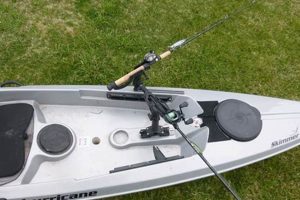
Recreational kayaks are designed for general paddling and exploration, prioritizing speed, maneuverability, and comfort for shorter trips. Fishing kayaks, however, are purpose-built with features that cater specifically to anglers. These features often include rod holders, specialized storage for tackle and gear, anchor trolleys, and even livewells for keeping catches fresh. Stability is also a key consideration in fishing kayak design, as anglers often need to stand and cast.
The distinction between these two types of kayaks is crucial for a safe and enjoyable experience on the water. Choosing the right kayak depends entirely on the intended activity. A recreational kayak offers an efficient and pleasurable paddling experience, while a fishing kayak provides a stable and feature-rich platform for angling. Historically, kayaks were developed by indigenous peoples for hunting and fishing. Modern fishing kayaks leverage technological advancements to enhance these original purposes, while recreational kayaks have evolved to focus on leisurely exploration.
Understanding these fundamental differences allows for informed decisions about kayak selection, impacting factors such as stability, storage, and overall functionality. Further exploration will cover specific features, materials, and designs that distinguish recreational and fishing kayaks.
Tips for Choosing Between a Recreational and Fishing Kayak
Selecting the appropriate kayak type is crucial for maximizing on-water experiences. The following tips provide guidance for discerning specific needs and matching them with the correct kayak features.
Tip 1: Define Primary Activity: Clearly identify the intended use. Frequent fishing trips necessitate a fishing kayak, while leisurely paddling and exploration are better suited to a recreational kayak.
Tip 2: Consider Storage Needs: Evaluate the amount and type of gear typically carried. Fishing kayaks offer specialized storage for rods, tackle boxes, and other fishing-related equipment.
Tip 3: Prioritize Stability: Anglers who prefer standing while casting should prioritize stability. Fishing kayaks generally offer a wider and flatter hull design for enhanced stability.
Tip 4: Evaluate Seating Comfort: Longer trips require comfortable seating. Consider adjustable seating and backrests for extended paddling or fishing sessions.
Tip 5: Factor in Transportation and Storage: Consider kayak size and weight. Larger kayaks offer more stability and storage but can be challenging to transport and store.
Tip 6: Research Specific Features: Examine features specific to fishing kayaks, such as rod holders, anchor trolleys, and livewells, to ensure they meet individual angling requirements.
Tip 7: Set a Budget: Fishing kayaks often come with a higher price tag due to specialized features. Establish a budget early in the decision-making process.
Careful consideration of these factors ensures the selection of a kayak optimized for individual needs and activity preferences, leading to a more rewarding experience on the water.
By understanding these key distinctions, informed decisions can be made regarding kayak selection, ensuring an optimal balance of performance, comfort, and functionality.
1. Stability

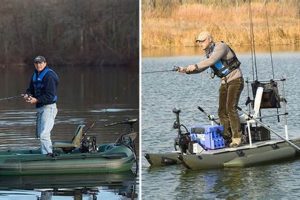
Stability represents a critical differentiator between recreational and fishing kayaks. Fishing kayaks prioritize stability due to the angler’s need to stand, cast, and reel, often in changing water conditions. This stability is achieved through design elements like a wider hull, a flatter bottom, and potentially outriggers. Recreational kayaks, designed for speed and maneuverability, typically have a narrower, more streamlined hull, sacrificing some stability for performance. Consider the scenario of an angler hooking a large fish. In a less stable recreational kayak, the fight could lead to capsizing. A fishing kayak’s enhanced stability provides a secure platform for battling the fish without compromising safety.
The importance of stability in a fishing kayak extends beyond simply staying afloat. It allows for more comfortable and confident fishing, enabling anglers to focus on the task at hand rather than maintaining balance. This enhanced stability translates to greater casting accuracy and more effective retrieval. For example, fly fishing, which requires intricate casting techniques, is significantly easier and more enjoyable in a stable fishing kayak. Conversely, a recreational kayaker navigating choppy waters benefits from a maneuverable kayak that responds quickly to changing conditions, even if it means a slightly less stable platform. The trade-off between stability and maneuverability depends entirely on the intended activity.
Understanding the relationship between stability and kayak type is essential for making informed purchasing decisions. Choosing the right kayak requires careful consideration of intended use and desired level of stability. While stability is paramount for fishing kayaks, recreational kayakers might prioritize other factors. Recognizing this crucial distinction ensures a safe and enjoyable experience on the water, regardless of the chosen activity.
2. Storage

Storage capacity and design represent a significant distinction between recreational and fishing kayaks. While both types offer storage options, their purpose and implementation differ considerably, reflecting the diverse needs of each activity. Understanding these differences is essential for selecting the appropriate kayak.
- Dedicated Tackle Storage
Fishing kayaks often feature specialized compartments designed for tackle boxes, fishing rods, and other angling essentials. These compartments are typically strategically placed for easy access and are often designed to keep items secure and protected from the elements. For example, recessed tackle trays prevent gear from shifting during movement, while rod holders secure rods and keep them readily available. This dedicated storage is absent in recreational kayaks, which typically offer general storage compartments for personal items.
- Dry Storage vs. Wet Storage
Both kayak types offer dry storage compartments to protect sensitive items from water damage. However, fishing kayaks often incorporate wet storage or livewells, designed specifically for keeping caught fish alive. These wells are typically integrated into the kayak’s hull and feature drainage systems. This distinction is crucial for anglers who prioritize keeping their catch fresh, a feature not typically found in recreational kayaks.
- Storage Capacity and Accessibility
Fishing kayaks generally offer greater overall storage capacity than recreational kayaks. This increased capacity accommodates the larger volume of gear associated with fishing. Furthermore, accessibility is a key consideration. Fishing kayaks are designed with readily accessible storage compartments, allowing anglers to quickly retrieve necessary equipment without disrupting their fishing. Recreational kayaks, with their focus on simplicity and lightweight design, may have limited storage capacity and accessibility.
- Tank Wells and Other Specialized Storage
In addition to standard storage compartments, fishing kayaks may include specialized features like tank wells for storing bait or additional gear. Some models even offer integrated coolers for food and drinks. These specialized features are tailored specifically to the needs of anglers and further differentiate fishing kayaks from their recreational counterparts. The inclusion of these features reflects the specific demands of fishing, prioritizing functionality and convenience on the water.
The storage considerations highlighted above directly impact the overall functionality and suitability of each kayak type. Choosing between a recreational and fishing kayak hinges on understanding these differences. Anglers benefit significantly from the specialized storage options in fishing kayaks, while recreational users may prioritize the lighter weight and simpler design of a recreational model, even with its more limited storage capacity.
3. Features
Features play a pivotal role in distinguishing recreational kayaks from fishing kayaks. Specific features cater to the unique demands of angling, creating a significant distinction between the two kayak types. Examining these features provides crucial insights for informed decision-making.
- Rod Holders
Rod holders constitute a fundamental feature differentiating fishing kayaks. These specialized mounts secure fishing rods, allowing anglers to manage multiple lines or free their hands for other tasks, such as paddling or landing a fish. Rod holders vary in type, including flush-mounted, adjustable, and rotating models, each offering specific advantages for different fishing styles. Their presence is a clear indicator of a kayak designed for angling, a feature absent in recreational kayaks.
- Anchor Trolleys
Anchor trolleys offer anglers controlled positioning in flowing water. This system allows adjustment of the anchor point along the side of the kayak, enabling precise boat control and optimal fishing angles. This feature enhances fishing effectiveness by maintaining position in currents or wind, a critical advantage for anglers. Recreational kayaks typically lack this specialized feature, reflecting their intended use in calmer waters or for general exploration.
- Livewells/Bait Tanks
Livewells and bait tanks are integrated compartments designed to keep bait fish alive and catches fresh. These features represent a significant distinction between fishing and recreational kayaks. Livewells utilize circulating water to maintain oxygen levels, while bait tanks offer a contained environment for storing live bait. Their inclusion in fishing kayaks highlights the specific needs of anglers, a feature absent in recreational kayaks designed for leisure paddling.
- Specialized Seating
Fishing kayaks frequently feature elevated or adjustable seating designed for comfort and enhanced visibility. These seating systems allow anglers to maintain a comfortable posture during extended fishing sessions. Some models incorporate adjustable backrests and footrests, further enhancing comfort and stability. Recreational kayaks, prioritizing maneuverability, typically have simpler, lower seating configurations, reflecting different design priorities. The specialized seating in fishing kayaks underscores the emphasis on comfort and functionality during extended periods on the water.
These distinguishing features underscore the fundamental difference between recreational and fishing kayaks. While recreational kayaks prioritize speed and maneuverability, fishing kayaks prioritize stability, storage, and specialized features that enhance angling effectiveness. Understanding these key feature differences is essential for selecting the appropriate kayak for specific needs and intended activities.
4. Hull Design

Hull design represents a critical factor differentiating recreational and fishing kayaks. Hull shape directly impacts stability, maneuverability, and tracking, influencing overall performance and suitability for specific activities. Understanding the nuances of hull design is essential for selecting the appropriate kayak.
- Displacement Hulls
Displacement hulls, characterized by a longer, narrower profile and a defined keel, excel in tracking and efficiency, making them ideal for covering longer distances in recreational paddling. These hulls slice through the water, minimizing drag and maximizing speed. However, this design sacrifices stability, making them less suitable for activities requiring significant lateral movement, such as fishing. Consider a sea kayaker paddling long distances; a displacement hull provides efficient forward movement. Conversely, an angler standing to cast in a kayak with a displacement hull would experience significantly less stability.
- Planing Hulls
Planing hulls, featuring a flatter bottom and wider beam, prioritize stability over speed. This design provides a stable platform for activities like fishing, where anglers may need to stand and cast. Planing hulls are designed to rise up and plane on the surface of the water at higher speeds, but they are less efficient for long-distance paddling. A fishing kayak benefits from the stability offered by a planing hull, providing a secure platform for casting and reeling. A recreational kayaker focused on speed, however, might find a planing hull less efficient for covering longer distances.
- Pontoon Hulls
Pontoon hulls utilize two separate hulls, providing exceptional stability, particularly beneficial for fishing kayaks. This design maximizes stability, allowing anglers to stand and move confidently. However, pontoon hulls sacrifice maneuverability and speed compared to other hull types. Imagine an angler sight fishing in shallow water; the stability of a pontoon hull allows comfortable standing and casting. This design, however, would be less suitable for navigating narrow waterways or covering long distances.
- Hybrid Hulls
Hybrid hulls combine elements of displacement and planing hulls, aiming to balance stability and tracking. These designs offer a compromise, providing moderate stability while retaining reasonable tracking performance. This versatility makes hybrid hulls suitable for a broader range of activities, from recreational paddling to light fishing. A hybrid hull allows a kayaker to enjoy a stable platform for occasional fishing while maintaining adequate performance for general exploration. This design, however, may not provide the same level of specialized performance as a dedicated fishing or recreational kayak.
Hull design significantly influences kayak performance and suitability for specific activities. Understanding the characteristics of different hull types allows for informed decision-making. The choice between a recreational and fishing kayak often hinges on the hull design, as it directly impacts stability, maneuverability, and overall functionality. Selecting the appropriate hull type ensures an optimal on-water experience, aligning kayak performance with individual needs and activity preferences.
5. Intended Use

Intended use serves as the cornerstone for distinguishing between recreational and fishing kayaks. This primary purpose dictates design, features, and overall functionality. Understanding intended use is paramount for selecting the appropriate kayak and ensuring a safe and productive on-water experience. The following facets explore the implications of intended use in greater detail.
- Recreational Paddling
Recreational kayaks prioritize exploration, exercise, and enjoyment on calm waters. Day trips on lakes, slow-moving rivers, or protected coastal areas exemplify typical recreational use. These kayaks emphasize maneuverability and comfort, often featuring shorter lengths and lighter weights for easier transport and handling. The design caters to leisurely paddling, contrasting sharply with the specialized features and stability requirements of fishing kayaks. A recreational kayak prioritizes a comfortable and efficient paddling experience, not the specialized needs of angling.
- Fishing
Fishing kayaks are purpose-built for angling, prioritizing stability, storage, and specialized features. Their design accommodates the unique demands of fishing, including casting, reeling, and carrying specialized gear. Anglers fishing in diverse environments, from calm lakes to moving rivers and coastal waters, benefit from the stability and specialized features of a fishing kayak. Features such as rod holders, anchor trolleys, and livewells cater specifically to the needs of anglers, features absent in recreational kayaks. The focus on stability and functionality differentiates fishing kayaks from their recreational counterparts, optimizing the angling experience.
- Touring/Sea Kayaking
Touring or sea kayaks are designed for longer journeys and open water exploration. These kayaks emphasize tracking and efficiency, typically featuring longer lengths and ample storage for multi-day trips. Their design prioritizes performance in challenging conditions, contrasting with the stability focus of fishing kayaks and the maneuverability of recreational kayaks. Consider a multi-day kayaking expedition along a coastline; a touring kayak provides the necessary storage and tracking performance. This specialized design differs significantly from both recreational and fishing kayaks, reflecting the unique demands of long-distance paddling.
- Whitewater Kayaking
Whitewater kayaks are specialized vessels designed for navigating rapids and fast-moving rivers. These kayaks prioritize maneuverability and durability, featuring shorter lengths and robust construction to withstand challenging conditions. Their design focus contrasts sharply with the stability requirements of fishing kayaks and the tracking efficiency of touring kayaks. Navigating a challenging rapid requires a highly maneuverable and durable whitewater kayak, a design fundamentally different from recreational, fishing, or touring kayaks. The specialized design reflects the unique demands of whitewater paddling, emphasizing control and resilience in dynamic environments.
Understanding the intended use of a kayak is fundamental to making informed decisions. Recognizing the distinct design priorities for recreational, fishing, touring, and whitewater kayaking allows individuals to select the appropriate vessel for their specific needs. This careful consideration ensures optimal performance, safety, and enjoyment on the water, aligning kayak functionality with intended activity.
Frequently Asked Questions
This section addresses common inquiries regarding the distinctions between recreational and fishing kayaks, providing concise and informative responses to facilitate informed decision-making.
Question 1: Can a recreational kayak be used for fishing?
While possible, recreational kayaks lack the specialized features and stability of fishing kayaks, potentially compromising safety and effectiveness. Adapting a recreational kayak for fishing often requires aftermarket modifications, which can be cumbersome and may not provide optimal performance.
Question 2: Are fishing kayaks more expensive than recreational kayaks?
Generally, fishing kayaks tend to have a higher price point due to specialized features, such as rod holders, anchor trolleys, and livewells. However, pricing varies significantly based on materials, size, and brand. Evaluating specific needs and budget constraints is crucial.
Question 3: What type of kayak is best for beginners?
The optimal kayak for beginners depends on intended activities. For general paddling and exploration, a shorter, wider recreational kayak offers enhanced stability and maneuverability. Aspiring anglers might consider a sit-on-top fishing kayak for its stability and ease of use.
Question 4: How important is stability in a fishing kayak?
Stability is paramount in a fishing kayak. Standing to cast, reel, and land fish requires a stable platform. Compromised stability can lead to discomfort, difficulty in casting, and even capsizing, particularly in challenging conditions.
Question 5: What are the advantages of a sit-on-top kayak for fishing?
Sit-on-top kayaks offer enhanced stability, self-bailing capabilities, and easier entry and exit, making them ideal for fishing. Their open design also facilitates easier access to gear and allows for greater freedom of movement.
Question 6: How does hull design affect kayak performance?
Hull design significantly influences stability, maneuverability, and tracking. Wider, flatter hulls prioritize stability, while longer, narrower hulls prioritize speed and tracking. Understanding hull characteristics is crucial for selecting a kayak suited to specific activities and water conditions.
Careful consideration of these frequently asked questions clarifies key distinctions between recreational and fishing kayaks, empowering informed choices aligned with individual needs and preferences. Choosing the appropriate kayak type significantly enhances safety, enjoyment, and overall effectiveness on the water.
For further guidance on selecting the perfect kayak, consult expert resources and conduct thorough research. Consider individual needs, intended activities, and budgetary constraints to make a well-informed decision that maximizes your on-water experience.
Difference Between Kayak and Fishing Kayak
The distinction between recreational and fishing kayaks is not merely a matter of specialized features but a fundamental difference in design philosophy and intended usage. Hull design, storage capacity, and integrated features like rod holders and anchor trolleys all contribute to this core distinction. Choosing between these kayak types requires careful consideration of individual needs and priorities, with stability, maneuverability, and storage capacity being key differentiators. The analysis presented underscores the importance of selecting a kayak aligned with specific on-water activities, whether leisurely exploration or focused angling.
Ultimately, recognizing the fundamental difference between recreational and fishing kayaks empowers informed decisions, ensuring optimal performance, safety, and enjoyment on the water. Careful consideration of these factors allows individuals to select a vessel that precisely matches their needs and enhances their overall kayaking experience. Continued exploration of specific kayak features and manufacturers will further refine decision-making, leading to a more rewarding and fulfilling time on the water.