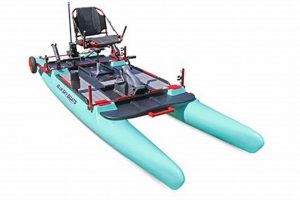
The sport of angling from small, human-powered vessels in the First State offers unique access to a variety of aquatic environments. From the tidal marshes and inland bays to the freshwater rivers and ponds, this activity provides opportunities to pursue diverse fish species including flounder, striped bass, largemouth bass, and catfish. A typical outing might involve paddling through calm waters, casting lures or bait, and enjoying the serene natural beauty.
This method of fishing allows for stealthy approaches in shallow waters inaccessible to larger boats, maximizing angling success. It promotes physical activity and a close connection with nature, offering both recreational and health benefits. Historically, small boats have played a significant role in the region’s fishing traditions, and the modern iteration continues this legacy, combining traditional practices with contemporary equipment and techniques.
Further exploration of this topic will cover essential equipment, preferred locations, seasonal considerations, licensing and regulations, and responsible angling practices.
Tips for Kayak Fishing in Delaware
Successful and enjoyable outings require preparation and adherence to best practices. The following tips offer guidance for a safe and productive experience.
Tip 1: Prioritize Safety Equipment: Always wear a personal flotation device (PFD). Carry a whistle, visual distress signals, and a communication device. Check weather forecasts before departing and be aware of changing conditions.
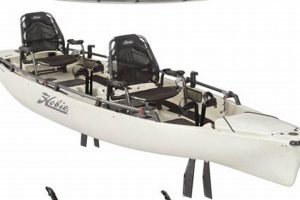
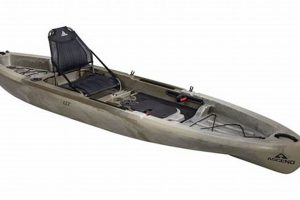
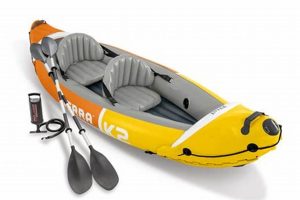
Tip 2: Choose the Right Kayak: Select a vessel appropriate for the intended fishing environment. Sit-on-top kayaks offer stability and ease of re-entry in case of capsize. Sit-inside kayaks provide better protection from the elements but require more experience to handle.
Tip 3: Plan Your Route: Research potential fishing spots and identify launch points. Consider tides, currents, and wind conditions when charting a course. Familiarize oneself with local regulations and restricted areas.
Tip 4: Organize Tackle and Gear: Utilize tackle boxes and storage solutions designed for kayaks. Keep essential gear readily accessible and secure loose items to prevent loss overboard.
Tip 5: Practice Kayak Control: Develop proficient paddling and maneuvering skills before venturing into challenging waters. Learn basic self-rescue techniques and practice re-entering a kayak after a capsize.
Tip 6: Respect Wildlife and the Environment: Practice catch-and-release whenever possible. Adhere to Leave No Trace principles by packing out all trash and minimizing disturbance to natural habitats.
Tip 7: Obtain Necessary Licenses and Permits: Ensure compliance with state fishing regulations by obtaining the required licenses and permits before engaging in angling activities.
By adhering to these guidelines, anglers can enhance their safety, maximize their success, and contribute to the preservation of Delaware’s aquatic ecosystems.
With these essential tips in mind, a comprehensive understanding of kayak fishing in Delaware can be achieved.
1. Location Selection

Strategic location selection is paramount for successful angling from a kayak in Delaware. The diverse aquatic environments, each hosting unique species and presenting specific challenges, require careful consideration. Choosing the right location directly influences the target species, required tackle, and overall fishing experience. For example, targeting flounder in the shallow flats of the Indian River Inlet necessitates a different approach than pursuing striped bass in the deeper channels of the Delaware Bay. Calm inland ponds offer excellent opportunities for largemouth bass, while the tidal marshes provide habitat for various species like weakfish and bluefish.
Factors influencing location choice include target species, angler skill level, water conditions, accessibility, and tides. Beginners might prefer sheltered coves and calmer waters, while experienced anglers could venture into more challenging locations like open bays or ocean inlets. Accessibility, including launch points and parking, also plays a crucial role in planning a trip. Understanding tidal patterns and currents is essential, particularly in coastal areas, as they significantly impact fish behavior and kayak navigation. Consulting local fishing reports, tide charts, and nautical maps provides valuable information for effective planning.
Successful kayak angling in Delaware hinges on careful consideration of the available fishing locations and their respective characteristics. Matching location choice with target species, skill level, and prevailing conditions optimizes the chances of a productive and enjoyable experience. Overlooking this critical aspect can lead to frustration and diminished success, highlighting the importance of informed decision-making in location selection. Understanding these nuances allows anglers to maximize their time on the water and contribute to a positive and sustainable fishing experience.
2. Kayak Choice
Appropriate kayak selection significantly impacts success and safety while fishing in Delaware’s diverse waterways. The chosen vessel must be suitable for the specific fishing environment, angler experience level, and intended activities. Careful consideration of kayak type, features, and capabilities ensures a productive and enjoyable outing. Ignoring these factors can lead to difficulties on the water, compromising safety and diminishing fishing success.
- Hull Design
Hull design influences stability, maneuverability, and tracking. A wider, flatter hull offers increased stability, ideal for calmer waters and stand-up fishing. A longer, narrower hull provides better tracking and speed, suited for covering greater distances in open water. For example, a shorter, wider sit-on-top kayak provides stability for fishing in shallow marshes, while a longer, sit-in kayak is preferable for paddling across larger bays or inlets.
- Propulsion System
Kayaks utilize various propulsion systems, including paddle, pedal, and motor drives. Paddle kayaks offer affordability and exercise but require more physical exertion. Pedal kayaks provide hands-free fishing and increased speed. Motorized kayaks offer the greatest range and speed but involve higher costs and maintenance. The chosen propulsion method impacts the fishing experience, influencing casting ability, maneuverability, and access to specific locations. For example, anglers targeting areas with strong currents might choose a pedal or motor drive for easier navigation.
- Features and Accessories
Features like rod holders, storage compartments, and anchor trolleys significantly enhance the fishing experience. Rod holders secure fishing rods, freeing hands for paddling and other tasks. Storage compartments accommodate tackle, gear, and personal items. Anchor trolleys allow controlled drifting and positioning. Selecting a kayak with appropriate features improves efficiency and organization on the water. For example, dedicated storage for tackle boxes and coolers minimizes clutter and maximizes space in the cockpit.
- Weight Capacity
Kayak weight capacity dictates the maximum load the vessel can safely carry, including angler weight, gear, and potential catch. Exceeding the weight capacity compromises stability and increases the risk of capsizing. Selecting a kayak with adequate weight capacity ensures safe and stable operation in varying water conditions. Anglers carrying heavier equipment or planning extended trips need higher weight capacities. For example, bringing a fishing buddy necessitates a tandem kayak or two solo kayaks with sufficient individual capacities.
Effective kayak selection involves careful consideration of these facets to ensure compatibility with the specific demands of Delaware’s diverse fishing environments. Choosing a kayak suited to the angler’s skill level, target species, and intended fishing location contributes significantly to a safe, productive, and enjoyable experience on the water. A well-chosen kayak improves angling efficiency, enhances comfort, and minimizes potential risks, allowing for a more fulfilling connection with Delaware’s aquatic ecosystems.
3. Tackle and Bait
Tackle and bait selection directly influences success in Delaware kayak fishing. The diverse species inhabiting Delaware’s waters require specific approaches. Matching tackle and bait to target species and fishing conditions is crucial. For example, flounder in the Indian River Inlet respond well to bucktail jigs tipped with Gulp! baits, while striped bass in the Delaware Bay often strike topwater lures or live eels. Freshwater species like largemouth bass in Noxontown Pond react to plastic worms or spinnerbaits. Understanding these nuances allows anglers to optimize their approach and increase catch rates.
Tackle considerations extend beyond lures and baits to include rod, reel, line, and terminal tackle choices. Lighter tackle is generally preferred for kayak fishing due to space constraints and the close-quarters nature of the sport. A medium-light spinning rod paired with a 2500-size reel spooled with braided line provides versatility for various species. Leaders and hooks should be chosen based on the target species and fishing environment. For example, a fluorocarbon leader is beneficial in clear water situations, while a heavier monofilament leader might be necessary when fishing around structure or targeting larger fish. Proper tackle selection not only increases fishing success but also enhances the overall experience by providing balanced and efficient gear management within the confines of a kayak.
Effective tackle and bait selection significantly contributes to a successful kayak fishing outing in Delaware. By carefully considering the target species, fishing location, and prevailing conditions, anglers can tailor their approach for optimal results. This informed approach maximizes catch rates and fosters a deeper understanding of the interplay between fish behavior, habitat, and angling techniques. Adaptability and preparedness through proper tackle and bait selection are essential for navigating the diverse fishing opportunities that Delaware offers. This careful consideration transforms a simple fishing trip into a rewarding experience, connecting anglers with the nuances of the aquatic ecosystem.
4. Safety Gear
Safety gear is paramount for kayak fishing in Delaware, ensuring angler well-being and fostering a responsible approach to the sport. The dynamic environment, characterized by changing weather patterns, tidal currents, and potential navigation hazards, necessitates preparedness and adherence to safety protocols. Prioritizing safety equipment mitigates potential risks and allows for a more focused and enjoyable fishing experience. Neglecting safety precautions can lead to dangerous situations, jeopardizing angler well-being and potentially impacting others on the water.
- Personal Flotation Device (PFD)
A properly fitted PFD is the most crucial piece of safety equipment. It provides buoyancy and keeps an angler afloat in case of capsize or accidental immersion. Delaware regulations mandate PFD usage for all individuals aboard kayaks. Choosing a comfortable, well-maintained PFD designed for kayaking ensures optimal performance and encourages consistent wear. Inflatable PFDs offer greater freedom of movement but require regular inspection and maintenance.
- Signaling Devices
Carrying visual and auditory signaling devices is essential for communicating distress or attracting attention in emergencies. A whistle, attached to the PFD, provides a loud, readily accessible auditory signal. Visual distress signals, such as flares or a signal mirror, enhance visibility over long distances, particularly in open water or low-light conditions. These devices can alert nearby boaters or rescue personnel to an angler’s location in case of an emergency.
- Communication Equipment
Reliable communication equipment facilitates contact with emergency services or other boaters in case of distress. A waterproof VHF radio allows direct communication with the Coast Guard and other vessels, enabling swift response in emergencies. A charged cell phone in a waterproof case serves as a backup communication method. Familiarizing oneself with proper radio procedures and emergency channels enhances preparedness and effective communication in critical situations.
- Navigation and Lighting
Navigation and lighting equipment enhance safety, especially during low-light conditions or inclement weather. A compass and nautical charts assist with orientation and route planning. Carrying a GPS device or using a navigation app on a waterproof smartphone further enhances positional awareness. Kayak lights, particularly when fishing at dawn, dusk, or night, increase visibility to other boaters, minimizing the risk of collisions. These tools contribute to safe navigation and enhance situational awareness on the water.
The careful selection and consistent use of appropriate safety gear contribute significantly to a safe and responsible kayak fishing experience in Delaware. These precautions mitigate potential risks associated with the dynamic aquatic environment and prioritize angler well-being. By adhering to safety guidelines and equipping themselves appropriately, anglers demonstrate responsible stewardship of Delaware’s waterways, ensuring a positive and sustainable fishing experience for themselves and others.
5. Tidal Awareness

Tidal awareness is crucial for safe and successful kayak fishing in Delaware. The state’s coastal waters are significantly influenced by tidal fluctuations, impacting currents, water depths, and fish behavior. Understanding tidal cycles and their effects is essential for planning trips, navigating safely, and optimizing fishing strategies. Neglecting tidal influences can lead to challenging situations, impacting both angler safety and fishing success.
- Current Prediction
Predicting current strength and direction based on tidal stages is vital for kayak navigation and fishing effectiveness. Strong tidal currents can significantly impede kayak control, making paddling challenging and potentially dangerous. Understanding current patterns allows anglers to plan routes that minimize exertion and maximize efficiency. For example, paddling against a strong outgoing tide can be strenuous, while utilizing the incoming tide to access shallow flats can conserve energy and improve fishing opportunities.
- Water Depth Fluctuations
Tidal fluctuations dramatically alter water depths, particularly in shallow bays, estuaries, and tidal creeks. Knowing the tidal stage helps anglers navigate safely, avoiding grounding or encountering submerged obstacles. Water depth also influences fish behavior, with certain species concentrating in specific areas based on tidal stage. For instance, flounder often move into shallow flats during flood tides, while striped bass might hold in deeper channels during ebb tides.
- Fish Behavior Influence
Tidal cycles significantly influence fish behavior, affecting feeding patterns and movement. Many species, including flounder, striped bass, and weakfish, time their movements and feeding activity based on tidal flows. Understanding these patterns allows anglers to target specific locations at optimal times. For example, fishing near inlets or channel mouths during a moving tide can be highly productive, as baitfish and predators are often concentrated in these areas.
- Safety Considerations
Tidal awareness enhances safety during kayak fishing outings. Strong currents, changing water depths, and exposed hazards during low tides present potential risks. Planning trips based on tidal predictions minimizes these risks and allows for timely adjustments based on changing conditions. For instance, avoiding paddling in strong currents during peak tidal flows reduces the risk of capsize or fatigue. Checking tide charts before launching and remaining vigilant throughout the trip enhances safety and preparedness.
Tidal awareness is intrinsically linked to successful and safe kayak fishing in Delaware. Understanding tidal cycles, current patterns, and their influence on fish behavior enhances angling success and contributes to a safer and more enjoyable experience on the water. By integrating tidal knowledge into trip planning and execution, anglers can navigate effectively, optimize fishing strategies, and minimize potential risks associated with the dynamic coastal environment. This awareness not only improves fishing outcomes but also fosters a deeper understanding and appreciation of the intricate relationship between tides and the aquatic ecosystem.
6. Regulations Knowledge

Knowledge of Delaware’s fishing regulations is essential for legal and ethical kayak angling. Regulations govern licensing requirements, catch limits, size restrictions, and permitted fishing methods. Compliance ensures the sustainability of fish populations and preserves the integrity of the aquatic ecosystem. Ignorance of regulations can result in fines, confiscation of equipment, and suspension of fishing privileges. For example, specific size and creel limits exist for popular species like summer flounder and striped bass, ensuring healthy populations for future generations. Regulations also dictate permissible fishing gear and methods, such as prohibiting certain types of nets or restricting fishing in designated conservation areas. Understanding these regulations ensures compliance and contributes to responsible angling practices.
Specific regulations pertaining to kayak fishing exist, including requirements for displaying registration numbers and carrying safety equipment. Kayak anglers must adhere to the same licensing and catch limits as those fishing from other vessels. Awareness of specific closures or restrictions applicable to certain areas is crucial. For instance, some areas may be designated as no-wake zones or restricted for specific types of fishing. Staying informed about these specific regulations ensures a legal and ethical fishing experience. Resources like the Delaware Division of Fish & Wildlife website and local bait and tackle shops provide up-to-date information on current regulations and licensing procedures. Consulting these resources before embarking on a fishing trip allows anglers to remain informed and compliant.
Adherence to Delaware’s fishing regulations demonstrates respect for the environment and contributes to the long-term health of fish populations. Understanding and complying with these rules is integral to responsible kayak angling. This knowledge ensures a legal and ethical fishing experience, promoting the sustainability of Delaware’s aquatic resources for current and future generations. Regulations evolve, so staying informed through official sources remains crucial for responsible kayak fishing practices.
7. Environmental Respect

Environmental respect forms an integral component of responsible kayak fishing in Delaware. The practice’s low-impact nature allows close interaction with the natural environment, placing responsibility on anglers to minimize their footprint and preserve the ecosystem’s health. This respect translates into tangible actions, impacting water quality, wildlife preservation, and the overall sustainability of the sport. Disregarding environmental considerations can negatively impact delicate ecosystems, potentially harming fish populations, degrading water quality, and diminishing the natural beauty that attracts anglers in the first place. For example, discarded fishing line poses a significant threat to marine life, while improper disposal of bait or tackle can introduce invasive species or pollutants into the water.
Practical applications of environmental respect in kayak fishing include adhering to Leave No Trace principles. Packing out all trash, including discarded fishing line and tackle, prevents pollution and protects wildlife. Avoiding disturbing vegetation and wildlife minimizes habitat disruption. Respecting designated closures and protected areas preserves sensitive ecosystems. Practicing catch-and-release fishing, when appropriate, supports healthy fish populations. Using appropriate anchoring techniques minimizes damage to the seabed. Educating fellow anglers about responsible practices fosters a collective commitment to environmental stewardship. These actions demonstrate a tangible commitment to preserving Delaware’s aquatic ecosystems, ensuring the long-term health and viability of kayak fishing. For instance, utilizing a designated kayak launch minimizes bank erosion and protects shoreline vegetation.
Environmental respect is not merely an abstract concept but a practical necessity for sustainable kayak fishing in Delaware. Anglers’ actions directly impact the health and longevity of the ecosystem they enjoy. Embracing environmentally responsible practices safeguards water quality, protects wildlife, and preserves the natural beauty of Delaware’s waterways. This commitment ensures future generations can continue to experience the rewards of kayak fishing in a thriving natural environment. Challenges remain, including raising awareness among all anglers and addressing the impacts of pollution from various sources. However, through continued education, responsible practices, and a collective commitment to environmental stewardship, the future of kayak fishing in Delaware can be secured.
Frequently Asked Questions
This section addresses common inquiries regarding angling from kayaks in Delaware. Clear and concise answers provide essential information for prospective anglers, promoting safe and informed participation.
Question 1: What are the licensing requirements for kayak fishing in Delaware?
A Delaware fishing license is required for residents and non-residents. Specific license types and fees vary based on age and residency status. Information regarding license acquisition can be found on the Delaware Division of Fish & Wildlife website.
Question 2: Where are suitable kayak launch sites located?
Numerous public access points facilitate kayak launching throughout the state. Locations include state parks, wildlife management areas, and designated boat ramps. Online resources and local maps often detail specific launch site locations and amenities.
Question 3: What safety precautions should one take while kayak fishing?
Wearing a personal flotation device (PFD) is mandatory. Carrying a whistle, visual distress signals, and communication devices is strongly recommended. Checking weather forecasts before departure and being aware of changing conditions are crucial safety practices.
Question 4: What fish species are commonly targeted from kayaks?
Commonly targeted species include flounder, striped bass, weakfish, bluefish, and largemouth bass. Target species vary based on location and season. Local fishing reports and tackle shops offer valuable insights into current fishing conditions.
Question 5: Are there specific regulations for kayak fishing in Delaware?
Kayak anglers must adhere to all state fishing regulations, including catch limits, size restrictions, and permitted fishing methods. Specific regulations may apply to certain areas or species. Consulting the Delaware Division of Fish & Wildlife website ensures compliance.
Question 6: What environmental considerations are relevant to kayak fishing?
Minimizing environmental impact is essential. Adhering to Leave No Trace principles, including packing out all trash and minimizing disturbance to wildlife and vegetation, preserves the ecosystem. Practicing catch and release promotes sustainable fish populations.
Reviewing these frequently asked questions ensures anglers have the necessary information for a safe, legal, and enjoyable experience on Delaware’s waters. Thorough preparation and adherence to regulations contribute to a positive and sustainable fishing environment.
Further exploration may include detailed information on specific fishing locations, recommended tackle and techniques, and advanced kayaking skills.
Conclusion
Exploration of this pursuit reveals a multifaceted activity requiring careful consideration of location, equipment, technique, safety, and environmental stewardship. Successful outcomes depend on informed choices regarding kayak selection, tackle and bait, and adherence to Delaware’s fishing regulations. Prioritizing safety through proper equipment usage and tidal awareness ensures angler well-being. Respect for the environment, demonstrated through responsible angling practices, contributes to the long-term health of Delaware’s aquatic ecosystems.
Continued engagement requires a commitment to responsible practices, ongoing education, and an unwavering respect for the delicate balance within Delaware’s aquatic ecosystems. Informed participation safeguards not only the future of the sport but also the health and vitality of the natural environment upon which it depends. The future of this pastime rests upon the collective responsibility of all who participate.