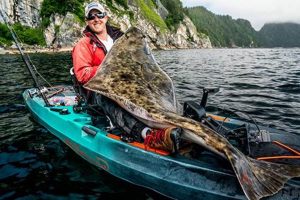
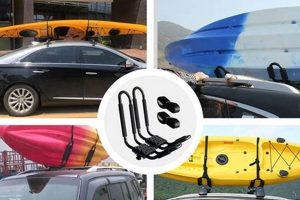
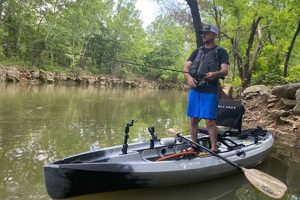
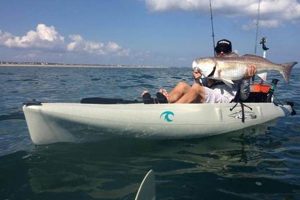
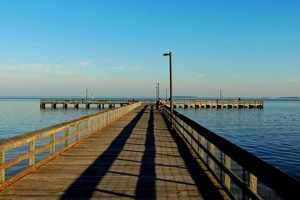
The pursuit of finned quarry from small, human-powered vessels in transparent waters offers unique advantages. Imagine silently gliding above submerged structures, observing fish in their natural habitat before presenting a lure or bait. This immersive experience combines elements of angling, paddling, and connection with nature. An example might involve targeting trout in a spring-fed creek or bonefish on shallow flats.
This specialized form of angling provides numerous benefits. Stealth is a primary advantage, allowing anglers to approach wary fish undetected. The shallow draft of these vessels grants access to areas inaccessible to larger boats, expanding fishing opportunities. Furthermore, the physical activity inherent in paddling provides exercise and promotes a closer connection with the environment. Historically, small boats have been used for fishing in various cultures for centuries, but the modern iteration with specialized kayaks and equipment has elevated the experience and expanded its popularity.
This exploration will delve into various aspects of the sport, including suitable locations, essential equipment, effective techniques, and responsible angling practices.
Tips for Successful Angling in Clear Waters
Maximizing success and enjoyment on the water requires careful planning and execution. The following tips offer guidance for a productive and rewarding experience.
Tip 1: Prioritize Stealth: Noise and shadows can easily spook fish in clear water. Approach fishing areas slowly and quietly, minimizing paddle splashes and hull movement. Utilizing drift socks can further enhance stealth by controlling drift speed.
Tip 2: Utilize Polarized Sunglasses: These specialized lenses cut through surface glare, allowing anglers to see beneath the surface and identify fish, structures, and potential hazards. Selecting amber or copper lenses enhances contrast in shallow water environments.
Tip 3: Choose the Right Equipment: Select a kayak designed for stability and fishing functionality. Essential gear includes a rod holder, anchor system, and appropriate tackle storage solutions. Rod and reel selection should match the target species.
Tip 4: Master Basic Paddle Strokes: Efficient paddling techniques minimize disturbance and enable precise boat control. Learning forward and reverse strokes, sweep strokes, and draw strokes allows anglers to maneuver effectively and position the kayak for optimal casting angles.
Tip 5: Understand Fish Behavior: Research the target species’ preferred habitat, feeding patterns, and typical reactions to lures or bait. Adapting fishing techniques based on species-specific behavior increases the chances of success.
Tip 6: Practice Proper Catch and Release Techniques: Minimizing stress on the fish ensures their survival after release. Use appropriate handling techniques, keep the fish wet, and remove hooks quickly and carefully. Barbless hooks further facilitate release.
Tip 7: Respect the Environment: Leave no trace behind. Pack out all trash and fishing line. Avoid disturbing sensitive habitats and wildlife. Responsible angling practices preserve the natural environment for future generations.
By incorporating these tips, anglers can significantly improve their chances of a successful and enjoyable outing. Preparation, knowledge, and respect for the environment are essential elements of a rewarding angling experience.
These considerations, combined with the information presented throughout this guide, should provide a solid foundation for pursuing this exciting and rewarding sport.
1. Stealth

Stealth plays a crucial role in clearwater kayak fishing due to the heightened visibility afforded to fish. In these environments, fish are easily spooked by unnatural sounds and movements. A lack of stealth can lead to a significant decrease in fishing success. The slightest disturbancesa paddle splash, a sudden shadow, or even a brightly colored kayakcan send fish darting for cover. This connection between visibility and fish behavior necessitates a heightened focus on minimizing any potential disruptions. For instance, in crystalline spring creeks, trout often hold in shallow lies, requiring anglers to approach with extreme caution. Even a subtle tap on the kayak hull can send these wary fish fleeing.
Several techniques enhance stealth. Minimizing paddle strokes and using smooth, controlled movements are essential. Drift socks, deployed to slow and control kayak drift, further reduce noise and disturbance. Choosing natural kayak colors that blend with the environment also helps avoid detection. Anglers often select muted greens, browns, or blues to minimize visual impact. Additionally, minimizing on-board clutter reduces the chances of accidental noises and ensures a more streamlined, quiet approach. For example, in shallow saltwater flats, bonefish have exceptional eyesight. Anglers pursuing these fish often employ push poles for silent propulsion and wear clothing that blends with the surrounding sand and vegetation.
Understanding the importance of stealth is fundamental to success in clearwater kayak fishing. Mastering techniques that minimize disturbances significantly increases the chances of encountering fish and presenting lures or bait effectively. The ability to move undetected gives anglers a considerable advantage, allowing them to approach fish without triggering their natural flight response. This heightened awareness of noise and movement translates to increased opportunities for observation, improved presentation accuracy, and ultimately, a more rewarding fishing experience.
2. Visibility
Enhanced visibility is a defining characteristic of clearwater kayak fishing, significantly influencing both the challenges and rewards of this pursuit. The ability to see beneath the surface offers unique advantages but also necessitates specific strategies and adaptations. This clarity transforms the angling experience, shifting the focus from blind casting to sight fishing and demanding a more nuanced understanding of fish behavior and habitat.
- Spotting Fish and Structure:
Clear water allows anglers to observe fish in their natural environment, identify submerged structures, and select optimal casting locations. This direct observation provides valuable insights into fish behavior and habitat preferences. For example, spotting a school of redfish tailing in shallow grass flats allows for precise presentations and increases the likelihood of a successful hookup. Similarly, observing submerged logs or rock formations reveals potential ambush points where predatory fish might be lurking.
- Lure and Bait Presentation:
Visibility impacts lure selection and presentation techniques. Anglers can observe how fish react to different retrieves and adjust accordingly. This visual feedback allows for real-time adjustments and fine-tuning of presentations. For instance, observing a bass following a slowly retrieved crankbait might prompt the angler to pause the lure, triggering a strike. Conversely, witnessing a fish spooking from a flashy lure might suggest switching to a more subtle presentation.
- Navigational Advantages and Hazards:
Clear water facilitates navigation, allowing for identification of shallow areas, submerged obstacles, and potential hazards. This improved situational awareness contributes to safer and more efficient angling. However, clear water can also make the angler more visible to fish, highlighting the importance of stealth. Navigating a shallow, coral-filled flat requires careful observation to avoid grounding the kayak or damaging sensitive habitats. Similarly, spotting a submerged log allows the angler to adjust course and avoid potential collisions.
- Environmental Appreciation:
The clarity of the water enhances the overall experience, allowing anglers to appreciate the underwater world and observe aquatic life beyond their target species. This connection with the environment fosters a deeper appreciation for aquatic ecosystems and promotes responsible angling practices. Witnessing the vibrant colors of coral reefs or observing the intricate dance of baitfish enhances the overall enjoyment and fosters a greater understanding of the interconnectedness of aquatic life.
The interplay of these visibility-related factors defines the clearwater kayak fishing experience. From the strategic advantage of observing fish behavior to the increased awareness of the surrounding environment, clear water presents both opportunities and challenges. Successfully navigating these elements elevates the angling experience, demanding a more nuanced approach and fostering a deeper connection with the aquatic world. This heightened awareness of the underwater environment transforms the act of fishing into a more immersive and rewarding pursuit.
3. Equipment

Specialized equipment plays a crucial role in clearwater kayak fishing, directly influencing an angler’s effectiveness, comfort, and overall success. Equipment choices should consider the specific demands of this fishing style, prioritizing stealth, visibility, and maneuverability. The clarity of the water necessitates specific gear adaptations, impacting everything from kayak selection to tackle choices.
Kayak selection is paramount. Stability is crucial, especially when sight fishing or landing fish. A sit-on-top design offers advantages in warmer climates, allowing anglers to re-enter easily after a swim. Shorter kayaks enhance maneuverability in tight spaces, while longer kayaks provide increased speed and tracking across open water. Color choice also matters, with muted tones blending better with the environment and minimizing disturbance to fish. Consider a kayak equipped with features such as rod holders, anchor systems, and storage compartments designed for fishing-specific gear. For example, a lightweight, pedal-driven kayak offers hands-free propulsion and precise positioning, advantageous when sight fishing in shallow flats. Conversely, a stable sit-on-top kayak with ample storage might be preferred for targeting larger species in open water.
Tackle selection must align with the target species and fishing conditions. Lighter lines and leaders become crucial in clear water, reducing visibility and minimizing spooking fish. Fluorocarbon lines, with their low refractive index, are particularly effective. Lure choices should also consider water clarity. Natural-colored lures or those mimicking local forage often prove effective. Fly fishing tackle demands careful consideration of line weight and fly patterns to match the prevailing conditions and target species. For instance, when fishing for wary bonefish in shallow, crystalline waters, a light fluorocarbon leader and a sparsely tied fly pattern imitating a shrimp or crab can be crucial for success. In contrast, targeting bass in deeper, clearer lakes might necessitate slightly heavier lines and lures that mimic baitfish or crawfish.
Appropriate equipment enhances angling success in clearwater environments. Careful consideration of kayak features, tackle selection, and accessory choices maximizes efficiency and enjoyment. The interplay of these factors contributes significantly to a rewarding experience, allowing anglers to fully leverage the unique challenges and rewards of clearwater kayak fishing. Matching equipment to the specific conditions and target species is essential for maximizing success and minimizing environmental impact.
4. Access

Access plays a pivotal role in clearwater kayak fishing, directly influencing the range of fishing opportunities available. Kayaks, due to their small size and shallow draft, grant access to areas often inaccessible to larger, motorized boats. This unique advantage opens up a wealth of fishing possibilities, allowing anglers to explore secluded waters and target species in their preferred habitats. The ability to navigate shallow creeks, protected coves, and backcountry waters significantly expands the scope of clearwater kayak fishing. For example, shallow mangrove estuaries, often teeming with snook and redfish, are easily navigable by kayak, while larger boats are often restricted by depth and narrow channels. Similarly, navigating upstream in small, clearwater creeks allows kayak anglers to reach isolated pools holding native trout populations.
This enhanced access also fosters a closer connection with nature. Paddling into pristine, undisturbed environments provides a sense of adventure and solitude, enhancing the overall fishing experience. Reaching remote locations, far from the crowds and noise of motorized traffic, amplifies the sense of tranquility and immersion in the natural world. Consider paddling a kayak through a cypress-lined swamp, casting for largemouth bass beneath overhanging branches an experience rarely attainable from a larger vessel. Similarly, accessing secluded beaches or rocky coastlines provides unique opportunities for targeting saltwater species from a kayak, offering a distinct perspective compared to shore-based angling.
However, responsible access is paramount. Respecting private property, adhering to local regulations, and minimizing environmental impact are crucial considerations. Understanding launch points, tide charts, and potential hazards ensures safe and sustainable access to these valuable resources. For example, researching local regulations regarding fishing licenses, catch limits, and protected species is essential. Carrying a map and compass, or utilizing GPS navigation, helps ensure safe navigation, particularly in remote or unfamiliar waters. Minimizing disturbance to wildlife and vegetation, and packing out all trash, preserves the pristine nature of these environments for future generations. The balance between access and responsible use is critical for the long-term health and enjoyment of these unique fishing opportunities.
5. Conservation

Conservation is intrinsically linked to clearwater kayak fishing. The pristine environments that offer exceptional visibility are often fragile ecosystems vulnerable to human impact. Maintaining water clarity and the health of these habitats is essential for the long-term viability of this specialized fishing style. Cause and effect relationships are readily apparent: pollution degrades water quality, reducing visibility and negatively impacting fish populations. Habitat destruction, such as dredging or shoreline development, eliminates crucial breeding and feeding grounds. Irresponsible angling practices, including improper catch and release techniques or discarding fishing line, further contribute to environmental degradation. For example, runoff containing fertilizers and pesticides can fuel algal blooms, clouding the water and depleting oxygen, harming fish populations and reducing the visual appeal that draws anglers to these locations. Similarly, damage to seagrass beds or coral reefs, vital habitats for many fish species, reduces biodiversity and negatively impacts the overall health of the ecosystem.
Conservation, therefore, becomes an integral component of clearwater kayak fishing. Practicing catch and release minimizes stress on fish populations, allowing them to thrive and reproduce. Using barbless hooks further reduces the potential for injury during release. Proper disposal of fishing line prevents entanglement and harm to wildlife. Supporting organizations dedicated to habitat restoration and water quality improvement contributes to the long-term health of these ecosystems. Educating fellow anglers about responsible practices amplifies conservation efforts. For instance, participating in local cleanup events to remove debris from waterways directly improves water quality and habitat health. Advocating for policies that protect sensitive areas from development safeguards these resources for future generations. Choosing biodegradable fishing lines minimizes long-term environmental impact. These actions demonstrate a commitment to conservation that directly benefits the sport and the ecosystems it relies upon.
Understanding the connection between conservation and clearwater kayak fishing is not merely an ethical consideration; it is essential for the sustainability of the sport. Protecting these fragile environments ensures continued access to the clear waters and healthy fish populations that define this unique angling experience. The challenges posed by pollution, habitat destruction, and irresponsible angling practices require ongoing vigilance and proactive conservation efforts. By embracing responsible practices and actively participating in conservation initiatives, anglers contribute directly to the preservation of these valuable resources, ensuring the future of clearwater kayak fishing for generations to come. This proactive approach, grounded in an understanding of ecological interconnectedness, is not simply a best practice it is a necessity for the continued enjoyment and viability of this specialized form of angling.
Frequently Asked Questions
This section addresses common inquiries regarding clearwater kayak fishing, providing concise and informative responses to clarify potential uncertainties.
Question 1: What are the primary advantages of fishing from a kayak in clear water?
Kayaks offer unparalleled stealth and access to shallow, secluded areas, crucial advantages in clearwater environments where fish are easily spooked. Their maneuverability allows for precise positioning and efficient exploration of diverse habitats.
Question 2: What specialized equipment is essential for this type of fishing?
Essential equipment includes a stable kayak designed for fishing, polarized sunglasses for enhanced visibility, light lines and leaders, and lures or flies appropriate for the target species and clearwater conditions. A drift sock, anchor, and appropriate safety gear are also recommended.
Question 3: How does water clarity influence fish behavior and angling techniques?
Clear water heightens fish awareness of disturbances, necessitating stealthy approaches and delicate presentations. Sight fishing becomes a primary technique, demanding precise lure or fly placement and a keen understanding of fish behavior.
Question 4: Are there specific regulations or ethical considerations related to clearwater kayak fishing?
Adhering to local fishing regulations, practicing catch and release whenever possible, and minimizing environmental impact are crucial. Respecting private property, avoiding disturbance to wildlife, and properly disposing of fishing line demonstrate responsible angling practices.
Question 5: What safety precautions are essential for kayak fishing in clear water?
Wearing a personal flotation device (PFD), carrying a whistle and communication device, informing someone of fishing plans, and being aware of weather conditions and potential hazards are essential safety measures.
Question 6: How can one locate suitable clearwater fishing destinations?
Researching online resources, consulting local fishing guides, exploring maps and satellite imagery, and contacting local bait and tackle shops can help identify promising clearwater fishing locations. Consider factors such as water clarity, accessibility, target species, and local regulations.
Careful consideration of these frequently asked questions enhances preparedness and promotes responsible enjoyment of clearwater kayak fishing opportunities.
The subsequent section will provide an overview of essential clearwater kayak fishing techniques.
Conclusion
Clearwater kayak fishing presents a unique blend of angling skill, intimate connection with nature, and the rewarding challenge of pursuing fish in their visible domain. This specialized pursuit demands careful consideration of stealth, equipment selection, and ethical angling practices. Access to pristine, often secluded waters expands fishing opportunities, while the clarity of the environment necessitates a heightened awareness of fish behavior and habitat. Conservation efforts play a crucial role in safeguarding these fragile ecosystems, ensuring the long-term viability of this rewarding pursuit.
The continued enjoyment of clearwater kayak fishing rests upon a foundation of responsible angling practices and environmental stewardship. A mindful approach, prioritizing both angling success and ecological preservation, ensures the enduring allure of this specialized pursuit for generations to come. The challenge and reward lie not just in landing fish, but in preserving the very clarity that defines this unique experience.