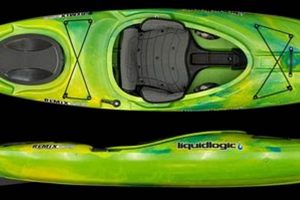
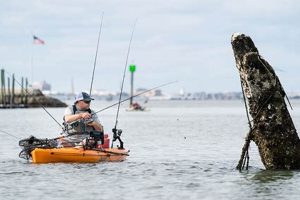
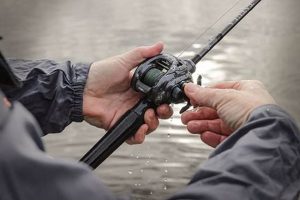
This pursuit involves navigating the waterways of California’s Central Valley in a small, human-powered vessel to engage in the sport of angling. Imagine drifting quietly along the glassy surface of a slough, casting a line into the shaded depths where bass or catfish lurk. This exemplifies the core experience.
The accessibility and unique vantage point offered by this approach to angling provide distinct advantages. Quietly approaching fish in shallower, vegetated areas often inaccessible by larger boats allows for improved catch rates. Moreover, the physical activity and immersion in nature offer a rewarding experience beyond simply catching fish. Historically, smaller watercraft have been utilized for fishing in the region, reflecting the longstanding connection between humans and the valley’s aquatic resources. This modern iteration builds upon that legacy, utilizing contemporary materials and techniques.
Further exploration will delve into the specific types of fish commonly targeted, appropriate gear and techniques, optimal locations and seasonal considerations, and the importance of adhering to local regulations and conservation practices.
Tips for Kayak Fishing in the Central Valley
Successful angling from a kayak in the Central Valley requires preparation and awareness. These tips offer guidance for a productive and enjoyable experience.
Tip 1: Research Target Species: Understanding the habits and preferred habitats of targeted fish informs tackle and location choices. Striped bass, for instance, often congregate near structure, while catfish prefer deeper holes.
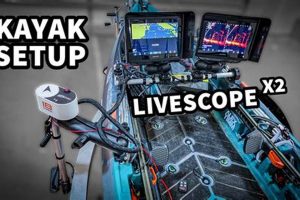
Tip 2: Select Appropriate Gear: Rods and reels should be scaled to the target species. Shorter rods are easier to manage in a kayak. A fish finder can greatly increase success.
Tip 3: Prioritize Safety: A personal flotation device is essential. Carrying a whistle, communication device, and basic first-aid kit are prudent precautions.
Tip 4: Plan for Weather Conditions: Wind and temperature fluctuations can impact comfort and fishing success. Checking forecasts and dressing in layers is recommended.
Tip 5: Respect Local Regulations: Possession limits, size restrictions, and licensing requirements must be adhered to. Consult the California Department of Fish and Wildlife for current regulations.
Tip 6: Practice Kayak Control: Maneuvering a kayak effectively enables anglers to access prime fishing spots and maintain position. Practice paddling and turning techniques before venturing out.
Tip 7: Minimize Environmental Impact: Proper disposal of fishing line and respect for riparian habitats preserve the natural environment for future generations.
By adhering to these guidelines, anglers can enhance their chances of success while contributing to a safe and sustainable fishing environment. These preparations ensure a more rewarding and enjoyable time on the water.
Following these recommendations will lead to a more productive and fulfilling experience on the water. The next section details resources for further exploration and information.
1. Location Selection

Location selection significantly influences success in Central Valley kayak angling. The diverse aquatic environments within the valley, including rivers, lakes, sloughs, and reservoirs, each offer distinct habitats for various fish species. Choosing a location aligned with the target species’ preferred environment is crucial. For example, targeting trout necessitates seeking out cooler, oxygen-rich waters, often found in higher elevation streams or deep river channels. Conversely, pursuing bass requires focusing on shallower, warmer areas with ample cover like submerged vegetation or fallen trees, prevalent in sloughs and the edges of reservoirs. The connectivity of waterways also impacts location decisions. Understanding how river flows and seasonal changes influence water levels, clarity, and temperature gradients within the interconnected system allows anglers to predict fish movement and concentrate efforts in productive zones.
The practical implications of location selection extend beyond simply finding fish. Factors such as accessibility, prevailing wind conditions, and presence of boating traffic also influence the overall experience. Launching from a location that minimizes paddling against strong winds or navigating congested areas improves both safety and fishing efficiency. Resources such as online maps, local fishing reports, and consultation with experienced anglers or tackle shops provide valuable insights into productive locations and access points. Considering these elements enhances the likelihood of a successful and enjoyable outing. For example, the Sacramento River offers diverse habitats, but launching upstream of a targeted section allows for a more controlled drift and easier access to specific features like gravel bars or deep pools.
Careful location selection is therefore a foundational element of effective Central Valley kayak fishing. Matching the target species with its preferred environment, considering accessibility and external factors like wind and boat traffic, and utilizing available resources to inform decision-making contribute significantly to angling success. Understanding these interconnected factors empowers anglers to maximize their time on the water and improve the overall quality of their experience within the dynamic aquatic ecosystem of the Central Valley.
2. Species Targeted
The Central Valley’s diverse aquatic ecosystems support a wide range of fish species, making species selection a critical aspect of kayak angling strategy. Targeting specific species influences equipment choices, location selection, and angling techniques. Understanding the characteristics and behaviors of desired fish enhances the likelihood of a successful and rewarding experience.
- Largemouth Bass
Largemouth bass, a popular game fish, thrives in the warmer, shallower waters of the valley’s sloughs, reservoirs, and slower-moving river sections. Their ambush predator nature necessitates using lures and presentations that mimic their prey, such as crankbaits, spinnerbaits, and plastic worms. Their presence in vegetated areas provides opportunities for sight fishing and targeted casts.
- Striped Bass
Striped bass, known for their strong fighting ability, inhabit both freshwater and brackish environments within the Delta region. They often congregate near structures such as bridge pilings, rock formations, and submerged debris. Successful angling for striped bass often involves using live bait, swimbaits, or trolling techniques.
- Channel Catfish
Channel catfish are abundant throughout the valley’s waterways, including rivers, canals, and lakes. They are opportunistic feeders, readily taking a variety of baits, including cut bait, chicken liver, and prepared stink baits. Their tolerance of varied water conditions makes them a reliable target species year-round.
- Trout (Rainbow, Brown)
Trout, primarily rainbow and brown trout, inhabit the cooler, oxygen-rich waters of the valley’s higher elevation streams and rivers. They are often targeted using artificial flies, spinners, and small lures. Seasonal stocking programs in certain reservoirs also create opportunities for trout fishing in stillwater environments.
The diverse array of species available in the Central Valley provides kayak anglers with numerous options. Matching targeted species with appropriate techniques and locations enhances the probability of success. Understanding the nuances of each species’ behavior and habitat preferences further refines the angling experience, contributing to a more rewarding and informed pursuit within this complex and dynamic ecosystem.
3. Equipment Needs

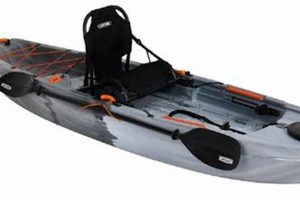
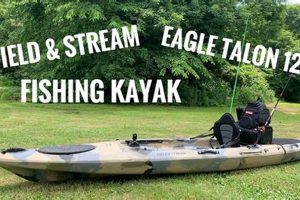
Equipment selection significantly impacts success and safety in Central Valley kayak fishing. The unique demands of this angling style necessitate specialized gear tailored to the environment and target species. A lightweight yet stable kayak, designed for maneuverability in diverse water conditions, forms the foundation of the equipment list. Rods and reels should be scaled appropriately for the target species, with shorter lengths often preferred for ease of use within the confines of a kayak. Tackle choices, including lures, lines, and hooks, depend on the specific fish pursued. For example, pursuing bass in weedy areas requires heavier line and weedless lures to prevent snags. Conversely, trout fishing necessitates lighter lines and smaller hooks for delicate presentations.
Beyond the core fishing gear, essential safety equipment is paramount. A personal flotation device (PFD) is non-negotiable, providing crucial buoyancy in case of capsizing. A signaling device, such as a whistle or air horn, facilitates communication in emergencies. Navigation aids, including a GPS device or chart, ensure accurate positioning and efficient route planning, particularly in larger bodies of water or unfamiliar areas. Weather protection, including appropriate clothing and rain gear, is also essential, given the valley’s fluctuating weather patterns. Finally, storage solutions tailored to kayak fishing, such as waterproof bags and tackle boxes, keep gear organized and protected from the elements. For instance, a kayak crate system allows for customized storage and easy access to essential gear.
Careful consideration of equipment needs contributes directly to a safe, productive, and enjoyable kayak fishing experience in the Central Valley. Prioritizing appropriate gear selection based on target species, environmental conditions, and safety considerations ensures anglers are well-prepared for the challenges and opportunities presented by this unique angling style. Investing in quality equipment suited to the specific demands of Central Valley kayak fishing maximizes both angler safety and the potential for a successful outing. This preparedness allows anglers to fully appreciate the diverse fishing opportunities this region offers.
4. Safety Precautions
Safeguarding against potential hazards is paramount in central valley kayak fishing. The dynamic nature of waterways, coupled with the inherent risks of on-water activities, necessitates careful planning and adherence to safety protocols. Understanding and mitigating these risks ensures a secure and enjoyable experience.
- Personal Flotation Devices (PFDs)
Wearing a properly fitted PFD is crucial. PFDs provide essential buoyancy in the event of capsizing or accidental immersion, significantly increasing the chances of survival. Selecting a PFD designed for kayaking or paddling offers optimal comfort and mobility.
- Weather Awareness
Monitoring weather forecasts before and during outings is essential. Sudden changes in wind speed and direction can create challenging conditions on the water. Strong winds generate choppy water, increasing the risk of capsizing, while lightning storms pose a severe threat. Postponing or curtailing trips due to adverse weather demonstrates prudent decision-making.
- Communication Devices
Carrying a waterproof communication device enables contact with emergency services or companions in case of distress. Cell phones stored in waterproof cases or dedicated marine radios provide reliable communication options. Informing someone of planned fishing locations and expected return times adds an extra layer of security.
- Navigation and Awareness
Navigating waterways safely requires awareness of potential hazards. Submerged obstacles like rocks and logs can cause kayaks to capsize. Strong currents, especially during spring runoff, present additional challenges. Carrying a map, compass, or GPS device aids navigation, while awareness of changing water conditions enhances safety. Avoiding areas with heavy boat traffic minimizes collision risks.
Prioritizing safety precautions allows anglers to fully enjoy the central valley kayak fishing experience while minimizing potential risks. A proactive approach to safety, including wearing a PFD, monitoring weather conditions, carrying communication devices, and navigating waterways cautiously, contributes significantly to a secure and rewarding outing. These precautions empower anglers to focus on the enjoyment of the sport while mitigating potential hazards in this dynamic environment.
5. Seasonal Patterns

Seasonal variations exert a profound influence on central valley kayak fishing, impacting water temperatures, flow rates, and fish behavior. These cyclical changes dictate optimal fishing times, target species accessibility, and effective angling techniques. Understanding these patterns allows anglers to adapt their strategies and maximize their chances of success throughout the year. For example, during spring, rising water temperatures and increased flows trigger spawning runs for various fish species, creating prime fishing opportunities in rivers and streams. Conversely, summer’s high temperatures often confine fish to deeper, cooler waters, necessitating adjustments in location and lure selection. As an example, targeting trout in higher elevation streams becomes more productive during summer months due to cooler water temperatures found there.
Water temperature fluctuations directly correlate with fish metabolism and feeding activity. Cooler water temperatures decrease fish activity, while warmer temperatures increase their metabolic rates and feeding frequency. Consequently, lure presentations and retrieval speeds must be adjusted accordingly. Slower presentations with smaller lures often prove effective in cooler conditions, while faster retrieves with larger, more active lures are suitable for warmer water. These adjustments, informed by seasonal patterns, maximize lure effectiveness and trigger strikes. Seasonal changes also influence fish distribution within the valley’s waterways. During fall, cooling water temperatures prompt some species to migrate downstream, concentrating them in certain river sections or reservoirs, creating localized fishing hotspots. Understanding these migratory patterns enables anglers to focus their efforts in areas with higher fish concentrations, increasing their chances of success.
Effectively navigating the complexities of central valley kayak fishing requires recognizing the significant role of seasonal patterns. Adapting to changing water temperatures, flow rates, and fish behavior through appropriate location selection, lure choices, and retrieval techniques maximizes angling success. This understanding allows anglers to anticipate and respond to the dynamic nature of the aquatic environment, optimizing their chances of a productive and rewarding fishing experience throughout the year. Ignoring seasonal influences can lead to frustrating outings with limited success, highlighting the practical significance of this knowledge in enhancing angling proficiency and enjoyment within the Central Valley’s diverse aquatic ecosystems.
Frequently Asked Questions
This section addresses common inquiries regarding kayak fishing within California’s Central Valley. Clarity regarding regulations, safety practices, and environmental considerations ensures a responsible and enjoyable experience.
Question 1: What are the licensing requirements for kayak fishing in the Central Valley?
A valid California fishing license is required for anglers 16 years of age and older. Specific regulations regarding license types and endorsements should be consulted through the California Department of Fish and Wildlife website.
Question 2: Are there specific launch permits required for kayaks?
While a general fishing license covers kayak fishing, certain public access areas may require separate launch permits or fees. Checking with local park authorities or managing agencies is recommended prior to launching.
Question 3: What safety equipment is mandatory for kayak fishing?
A U.S. Coast Guard-approved personal flotation device (PFD) must be worn at all times while on the water. Carrying a whistle, visual distress signals, and a communication device is strongly recommended.
Question 4: Are there any restrictions on fishing locations within the Central Valley?
Certain areas, such as fish spawning grounds or protected habitats, may have seasonal closures or restrictions. Consulting official resources, such as the California Department of Fish and Wildlife regulations, ensures compliance.
Question 5: What environmental considerations are relevant to kayak fishing?
Proper disposal of fishing line and avoidance of disturbing riparian habitats are crucial. Respecting wildlife and minimizing noise pollution contribute to the preservation of the natural environment.
Question 6: Where can one find reliable information regarding current fishing regulations and conditions?
The California Department of Fish and Wildlife website provides comprehensive information regarding current regulations, fishing reports, and waterway conditions relevant to the Central Valley. Local tackle shops can also be a good information source.
Adherence to regulations and responsible angling practices ensures the sustainability of the Central Valley’s fisheries for future generations. Thorough preparation contributes to a safe and enjoyable experience.
The subsequent section delves into recommended resources and further information pertaining to kayak fishing in the Central Valley.
Central Valley Kayak Fishing
This exploration has provided insights into the multifaceted nature of central valley kayak fishing. From equipment selection and species targeting to safety precautions and seasonal patterns, understanding key elements enhances the overall experience. The importance of location selection, informed by target species preferences and environmental factors, has been underscored. Furthermore, adherence to regulations and responsible angling practices ensures the preservation of these valuable aquatic ecosystems.
The Central Valley offers a unique and rewarding angling experience for those willing to embrace the challenge and tranquility of kayak fishing. Through careful preparation, informed decision-making, and respect for the natural environment, this pursuit provides opportunities for both recreation and a deeper connection with California’s rich aquatic heritage. The future of this activity relies on continued conservation efforts and responsible angling practices by all who partake in it.