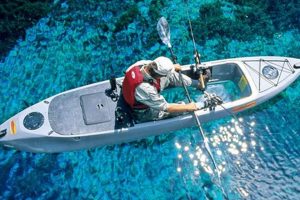
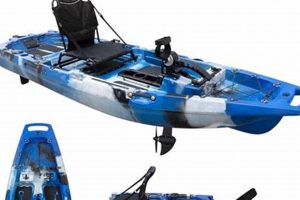
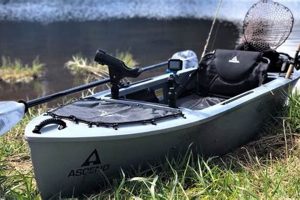
A small, self-propelled watercraft designed for angling in remote or isolated locations epitomizes preparedness and self-reliance. These vessels are typically outfitted with features that promote stability, storage, and comfort for extended periods on the water, often in challenging conditions. Consider, for example, a solo angler paddling several miles offshore to reach a productive reef, equipped with all necessary gear for a day of fishing and potential emergencies.
The ability to access secluded fishing grounds, independent of motorized transport or readily available assistance, is a significant advantage. This independence fosters a closer connection with nature and offers opportunities for unique angling experiences. Historically, small boats have played a vital role in sustenance fishing and coastal exploration. The modern iteration, incorporating advancements in design and materials, builds upon this legacy to provide a more robust and purposeful platform for the passionate angler.
This exploration of essential features, recommended gear, and safety considerations will empower anglers to confidently embark on their own solitary fishing adventures. Topics will include hull design and stability, propulsion systems, essential safety equipment, navigation and communication tools, and best practices for self-sufficient angling in remote environments.
Tips for Solitary Kayak Fishing Expeditions
Careful planning and preparation are essential for successful and safe solo kayak fishing trips. These tips emphasize self-sufficiency and responsible angling practices in remote environments.
Tip 1: Prioritize Stability and Safety: Vessel stability is paramount. Choose a kayak designed for open water with ample storage for gear and safety equipment. A wider hull and a lower center of gravity enhance stability in challenging conditions.
Tip 2: Master Paddle Strokes and Navigation: Proficiency in various paddle strokes conserves energy and aids precise maneuvering. Carry a chart, compass, and GPS device, and learn basic navigational skills to ensure accurate positioning and efficient travel.
Tip 3: Pack Essential Safety Gear: A personal flotation device (PFD), a signaling device (whistle, mirror, flare), a first-aid kit, and a communication device (VHF radio, satellite messenger) are non-negotiable. Inform someone of the trip plan including intended location and estimated return time.
Tip 4: Plan for Self-Rescue: Practice re-entering the kayak in calm water before venturing into challenging conditions. Carry a paddle float and bilge pump to assist in self-rescue situations.
Tip 5: Respect Wildlife and the Environment: Adhere to local fishing regulations and practice catch-and-release whenever possible. Pack out all trash and minimize environmental impact. Maintain a safe distance from wildlife and avoid disturbing their natural habitats.
Tip 6: Monitor Weather Conditions: Check marine weather forecasts before departing and remain vigilant throughout the trip. Be prepared to adjust plans or return to shore if conditions deteriorate.
Tip 7: Conserve Energy and Hydrate: Pacing oneself, especially in challenging conditions, conserves energy for the duration of the trip. Carry ample water and snacks to maintain hydration and energy levels.
By adhering to these guidelines, anglers can significantly enhance safety and enjoyment while experiencing the rewarding challenge of solitary kayak fishing.
These preparatory steps are crucial for a safe and fulfilling experience, allowing anglers to fully appreciate the solitude and connection with nature that this unique pursuit offers.
1. Stability

Stability is paramount for a successful and safe solo kayak fishing expedition, particularly in remote locations. A stable platform enables anglers to focus on fishing and navigating, rather than constantly battling to maintain balance. This is especially critical in open water or challenging conditions where capsizing could have serious consequences. Understanding the factors contributing to kayak stability is essential for informed decision-making and preparation.
- Hull Design:
Wider hulls generally provide greater primary stability, resisting initial tipping. Longer kayaks tend to track better in a straight line, while shorter designs are more maneuverable. Hull shape, including features like chines and rocker, also influences stability. A flatter hull offers more initial stability, while a rounded hull provides better secondary stability (resistance to capsizing once tilted). Anglers should consider the expected water conditions and fishing style when selecting a hull design.
- Center of Gravity:
A lower center of gravity contributes significantly to stability. Proper weight distribution within the kayak is crucial. Storing heavier items low and centrally improves balance. The angler’s body position also affects the center of gravity; leaning too far to one side can compromise stability. Maintaining a balanced posture and avoiding sudden movements are essential for maintaining a stable platform.
- Water Conditions:
Calm, flat water presents fewer stability challenges than choppy seas or strong currents. Wind, waves, and currents can significantly impact stability, requiring increased vigilance and potentially influencing kayak selection. Understanding the anticipated water conditions and choosing a kayak appropriate for those conditions is critical for safety. Practicing in various conditions can build confidence and improve handling skills.
- Added Stability Features:
Outriggers, stabilizers, and specialized hull designs can enhance stability. These features provide additional support, particularly helpful for anglers standing to fish or in challenging conditions. While adding weight and potentially reducing maneuverability, these features offer a significant stability boost for certain applications and angler preferences.
Careful consideration of these stability factors is crucial for a successful and safe “castaway” fishing experience. Choosing a kayak appropriate for the intended environment and angler’s skill level, understanding weight distribution and balance principles, and recognizing the impact of water conditions contribute significantly to maintaining a stable and secure fishing platform in remote locations. This secure platform allows the angler to confidently focus on the fishing experience itself, contributing to a more rewarding and enjoyable adventure.
2. Self-sufficiency

Self-sufficiency is the bedrock of successful remote kayak fishing expeditions. It represents the capacity to manage essential needs and address unforeseen challenges independently, ensuring a safe and rewarding experience. In the context of a “castaway fishing kayak” adventure, self-sufficiency is paramount due to the inherent isolation and potential distance from readily available assistance. This reliance on one’s own skills and resources necessitates meticulous planning and preparation.
- Gear and Equipment Maintenance:
Maintaining essential gear in optimal working condition is crucial. This includes the kayak itself, paddles, fishing equipment, safety devices, and navigational tools. Knowledge of basic repairs, such as patching a small hull leak or replacing a fishing line, is vital. Carrying a comprehensive repair kit with essential tools and spare parts addresses potential equipment failures, minimizing disruption and ensuring continued functionality. A well-maintained and functional kit directly impacts safety and the ability to complete the expedition as planned.
- Navigation and Route Planning:
Proficient navigation skills are essential for reaching intended fishing grounds and returning safely. Understanding charts, compass use, and GPS technology is crucial for accurate positioning and route planning. Accounting for factors like tides, currents, and potential weather changes contributes to efficient travel and avoids unforeseen delays or navigational errors. The ability to navigate independently ensures the angler can reach desired locations and return safely, a fundamental aspect of self-sufficiency in remote environments.
- First Aid and Emergency Response:
Possessing a well-stocked first-aid kit and the knowledge to address common injuries or ailments are essential for self-sufficiency. This includes understanding basic wound care, managing minor illnesses, and responding to potential emergencies like hypothermia or dehydration. Carrying a signaling device and understanding emergency communication protocols are critical for summoning assistance if required. Preparedness for medical situations and the ability to communicate effectively in emergencies are vital components of self-sufficiency in remote locations.
- Resource Management:
Effective resource management encompasses rationing food and water supplies, conserving energy, and minimizing environmental impact. Planning for adequate provisions, considering potential delays or unforeseen circumstances, ensures sustained energy levels throughout the expedition. Practicing leave-no-trace principles, such as packing out all trash and minimizing disturbance to wildlife, demonstrates responsible environmental stewardship. Careful resource management contributes to both individual well-being and the preservation of the natural environment for future expeditions.
These interconnected facets of self-sufficiency are essential for anglers embarking on solitary kayak fishing expeditions in remote environments. Proficiency in each area contributes to a safer, more rewarding, and environmentally responsible experience. By cultivating these skills and preparing meticulously, anglers can confidently embrace the challenges and rewards of self-reliant exploration, ensuring a successful and fulfilling “castaway” adventure.
3. Safety Equipment

Safety equipment is paramount for “castaway fishing kayak” expeditions, forming a direct link between preparedness and survival. The inherent isolation of these ventures necessitates a comprehensive approach to safety, recognizing potential hazards and equipping oneself with tools and knowledge to mitigate risks. Consider a scenario where an angler encounters unexpected rough seas miles offshore; a personal flotation device (PFD) becomes not just a piece of equipment but a lifeline. Similarly, a VHF radio or satellite messenger could prove invaluable in summoning assistance in case of injury, equipment failure, or sudden changes in weather. Safety equipment transforms from a precautionary measure to a critical component of survival in such situations.
The specific safety equipment required depends on the environment and anticipated conditions. A first-aid kit equipped to address common injuries, such as cuts, abrasions, and potential encounters with marine life, is essential. Signaling devices, including flares, whistles, and mirrors, enable communication in emergencies, especially when electronic devices fail. Navigation tools, like a compass and charts, are vital backups should GPS malfunction. A bilge pump and paddle float are critical for self-rescue in the event of capsize. Beyond physical equipment, knowledge of self-rescue techniques, basic first aid, and emergency communication protocols significantly enhances preparedness and the ability to respond effectively to unforeseen circumstances.
Investing in high-quality safety equipment and acquiring the knowledge to utilize it effectively distinguishes a well-prepared “castaway” angler from one at undue risk. The remote nature of these expeditions magnifies the consequences of unforeseen events, emphasizing the critical role of safety equipment in mitigating potential hazards. Regularly inspecting and maintaining equipment, practicing self-rescue procedures, and staying informed about potential risks specific to the fishing location contribute to a comprehensive safety strategy, enabling anglers to focus on the enjoyment of the experience while minimizing potential dangers. Safety, in this context, is not merely a precaution but an integral part of the “castaway fishing kayak” philosophy, enabling self-reliant exploration with calculated risk management.
Proficient navigation is indispensable for “castaway fishing kayak” expeditions, serving as the critical link between exploration and safe return. In remote environments, where reliance on electronic devices can be precarious, traditional navigation skills become essential tools for self-sufficiency and risk mitigation. Consider an angler navigating through a maze of mangrove channels or returning to shore in dense fog; the ability to interpret charts, utilize a compass, and understand natural navigational cues can be the difference between a successful trip and a perilous situation. Navigation skills are not merely supplementary; they are fundamental to the safety and success of these solitary ventures.
- Chart Reading and Interpretation:
Understanding nautical charts, including symbols, depths, and landmarks, is crucial for planning routes and avoiding hazards. Recognizing the difference between a submerged reef marked on a chart and a safe passage can prevent grounding or hull damage. Interpreting tidal information and current flows from charts enables informed decision-making regarding route timing and energy expenditure.
- Compass Proficiency:
A compass provides a reliable directional reference, especially in conditions of limited visibility or electronic device failure. Knowing how to orient a map with a compass, take bearings, and maintain a desired course is crucial for navigating in open water or unfamiliar terrain. Regularly calibrating and practicing with a compass ensures accuracy and builds confidence in its use.
- Natural Navigation Techniques:
Observing natural indicators, such as celestial bodies, prevailing winds, and wave patterns, provides supplementary navigational information. Understanding how to estimate position based on the sun’s movement or utilizing wave direction to infer proximity to land enhances self-sufficiency and provides valuable backup navigation methods in the absence of traditional tools. While not a replacement for compass and chart skills, these techniques offer valuable supplementary information and reinforce situational awareness.
- GPS Technology and Electronic Navigation:
While electronic navigation tools offer convenience and precision, they are susceptible to malfunction or battery depletion. Utilizing GPS devices in conjunction with traditional methods provides a robust navigation strategy. Understanding GPS functionality, including waypoint setting, route tracking, and data interpretation, is essential for maximizing its benefits while recognizing its limitations in remote environments. Carrying backup power sources and knowing how to navigate without GPS are crucial aspects of responsible electronic navigation in a “castaway” context.
These interconnected navigational skills, applied in a layered approach, underpin the self-sufficiency and safety essential for “castaway fishing kayak” expeditions. Proficiency in each area, complemented by regular practice and meticulous planning, empowers anglers to navigate confidently in remote waters, minimizing risks and maximizing the opportunities for exploration and enjoyment. These skills transcend mere technical proficiency; they become integral to the “castaway” experience, enabling self-reliant exploration and a deeper connection with the maritime environment.
5. Fishing Gear
Specialized fishing gear selection is integral to the success and enjoyment of “castaway fishing kayak” expeditions. The limitations on space and weight inherent in kayak fishing, compounded by the self-sufficiency demands of remote environments, necessitate careful consideration of tackle and equipment. An angler targeting reef fish from a kayak miles offshore, for example, would likely prioritize compact, versatile tackle suitable for a variety of species and depths, rather than bulky specialized equipment designed for a single fishing style. This prioritization of efficiency and adaptability underscores the unique relationship between fishing gear and the “castaway” kayak fishing approach.
Rods and reels chosen for these expeditions often favor shorter lengths and robust construction, facilitating maneuverability within the confines of a kayak while maintaining the strength to handle larger fish. Lures and terminal tackle should be selected with target species and potential bycatch in mind, balancing effectiveness with conservation considerations. Essential tools, such as pliers, line cutters, and knot-tying aids, while compact, are indispensable for efficient line management and hook removal. Carrying a selection of essential spares, including hooks, swivels, and leaders, safeguards against equipment failure and lost fishing opportunities, crucial in remote settings where resupply is impossible. The deliberate selection of each item in the fishing kit reflects a calculated balance between necessity, versatility, and weight constraints.
The “castaway” approach emphasizes preparedness and adaptability, extending directly to fishing gear choices. An angler equipped with a well-chosen, compact, and versatile kit is better prepared to adapt to changing conditions, target various species, and address unforeseen challenges. This mindful approach to gear selection distinguishes the “castaway” angler, reflecting a deep understanding of the interconnectedness of equipment, environment, and the pursuit of a rewarding fishing experience in remote and challenging settings. The chosen gear becomes an extension of the angler’s self-sufficiency, a tangible representation of preparedness meeting opportunity on the water.
6. Emergency Preparedness

Emergency preparedness forms the cornerstone of safe and responsible “castaway fishing kayak” expeditions. The inherent isolation of these ventures necessitates a comprehensive understanding of potential risks and the development of strategies to mitigate them effectively. A well-defined emergency plan, coupled with appropriate equipment and training, transforms potential crisis into manageable challenge. This preparedness distinguishes a calculated risk from a reckless gamble, allowing anglers to confidently explore remote waters while minimizing potential dangers.
- Communication Strategies:
Reliable communication is paramount in emergencies. A VHF radio, capable of contacting local authorities and other vessels, is essential for coastal expeditions. For truly remote ventures, a satellite communication device, independent of terrestrial networks, provides a lifeline in critical situations. Pre-departure communication with a designated contact person, outlining the float plan and expected return time, establishes a critical safety net. Regular check-in procedures further enhance safety protocols, enabling prompt response in case of overdue return.
- Self-Rescue Techniques:
Capsize in remote waters presents a significant challenge. Proficiency in self-rescue techniques, including re-entering the kayak assisted by a paddle float, is essential. Regular practice in calm water builds muscle memory and confidence, facilitating effective response in stressful situations. Carrying a bilge pump allows for rapid removal of water from the kayak’s hull, restoring stability and preventing further complications. These skills transform a potentially life-threatening event into a manageable setback.
- Essential Survival Gear:
A well-equipped survival kit, tailored to the specific environment and anticipated conditions, is crucial. This kit should include a first-aid kit with supplies to address common injuries and ailments, signaling devices such as flares and a whistle, and basic survival tools like a knife and fire starter. A supply of emergency food and water, sufficient to sustain the angler for an unexpected extended stay, provides a crucial buffer against unforeseen delays or rescue operations. The survival kit embodies the “castaway” ethos, enabling self-reliance in challenging circumstances.
- Contingency Planning:
Developing a detailed contingency plan, anticipating potential challenges and outlining appropriate responses, is an essential aspect of preparedness. This plan should address scenarios such as equipment failure, adverse weather conditions, and medical emergencies. Identifying alternative routes, establishing emergency contact procedures, and practicing essential survival skills transforms reactive response into proactive preparedness. This foresight distinguishes a “castaway” expedition from a reckless undertaking, emphasizing calculated risk management and a deep understanding of the potential challenges inherent in remote exploration.
These interconnected elements of emergency preparedness collectively contribute to a comprehensive safety strategy for “castaway fishing kayak” expeditions. The angler equipped with these skills and resources transitions from a vulnerable individual to a self-reliant explorer, capable of navigating the challenges of remote environments while minimizing potential risks. This preparedness enhances not only safety but also the overall experience, fostering confidence and allowing for a deeper appreciation of the solitude and natural beauty that these unique adventures offer.
7. Environmental Awareness

Environmental awareness is integral to the “castaway fishing kayak” philosophy, representing a deep respect for the natural world that sustains this unique pursuit. It transcends mere adherence to regulations, embodying a commitment to minimizing impact and preserving the pristine environments these expeditions seek. This awareness recognizes the interconnectedness of the angler, the kayak, and the surrounding ecosystem, fostering a sense of responsibility that extends beyond the individual fishing experience.
- Leave No Trace Principles:
Practicing “Leave No Trace” principles minimizes human impact on the environment. Packing out all trash, avoiding disturbing vegetation, and minimizing campfire impacts (where permitted) are fundamental practices. An angler discarding fishing line in a remote mangrove forest, for example, not only pollutes the immediate area but also poses a significant entanglement hazard to wildlife. Adhering to these principles ensures that future generations can enjoy the same pristine environments.
- Respect for Wildlife:
Respecting wildlife encompasses observing animals from a safe distance, avoiding disturbing their natural behaviors, and refraining from feeding them. An angler encountering a nesting seabird, for instance, should maintain a respectful distance to avoid causing stress or abandonment of the nest. Understanding the local ecosystem and the potential impact of human presence on wildlife contributes to responsible interaction and minimizes disturbance.
- Sustainable Fishing Practices:
Sustainable fishing practices ensure the long-term health of fish populations and the surrounding ecosystem. Adhering to catch-and-release guidelines, using appropriate fishing gear, and targeting specific species within legal limits contribute to responsible angling. An angler practicing catch-and-release carefully handles the fish, minimizing injury and maximizing its chances of survival upon release, contributing to the overall health of the fishery.
- Habitat Preservation:
Protecting fragile habitats, such as coral reefs, seagrass beds, and mangrove forests, is crucial for maintaining biodiversity and ecosystem health. Avoiding anchoring in sensitive areas, using designated access points, and educating others about the importance of habitat preservation contribute to long-term conservation efforts. An angler choosing to paddle around a seagrass bed rather than directly through it demonstrates a commitment to habitat preservation, minimizing potential damage to this vital ecosystem.
These interconnected facets of environmental awareness are not merely supplemental considerations; they are fundamental to the “castaway fishing kayak” experience. By embracing these principles, anglers contribute to the preservation of the natural world, ensuring the sustainability of this unique pursuit for future generations. This mindful approach fosters a deeper connection with the environment, enriching the overall experience and transforming a fishing trip into an act of environmental stewardship. The “castaway” angler, therefore, becomes not just a fisherman but a guardian of the waters, understanding that preserving the environment is essential for the continued enjoyment of this rewarding pastime.
Frequently Asked Questions
Addressing common inquiries regarding solitary kayak fishing expeditions in remote environments provides clarity and fosters informed decision-making. These responses aim to equip prospective adventurers with the knowledge necessary to plan and execute safe and rewarding “castaway” experiences.
Question 1: What are the essential safety precautions for solo kayak fishing in remote locations?
Essential precautions encompass informing someone of the trip plan, carrying necessary safety equipment (PFD, signaling devices, first-aid kit, communication device), checking weather forecasts, and understanding self-rescue procedures.
Question 2: How does one choose an appropriate kayak for these types of expeditions?
Kayak selection should prioritize stability, storage capacity, and suitability for the intended environment. Wider hulls generally offer greater stability, while sufficient storage accommodates essential gear and safety equipment. Ocean kayaks are designed for open water conditions, whereas shorter, more maneuverable kayaks are better suited to calmer waters.
Question 3: What essential gear should be included in a “castaway fishing kayak” kit?
Essential gear includes navigation tools (chart, compass, GPS), communication devices (VHF radio, satellite messenger), safety equipment (PFD, flares, whistle, first-aid kit), fishing tackle, appropriate clothing, and provisions (food and water).
Question 4: How can individuals prepare for potential emergencies during solo kayak fishing trips?
Emergency preparedness involves developing a contingency plan, practicing self-rescue techniques, acquiring basic first-aid knowledge, and familiarizing oneself with emergency communication protocols. Regularly inspecting and maintaining safety equipment ensures functionality when needed.
Question 5: What are the recommended navigation skills for remote kayak fishing?
Recommended navigation skills include chart reading, compass proficiency, understanding tidal flows and currents, and utilizing GPS technology effectively. Familiarity with natural navigation cues, such as celestial navigation and wave patterns, provides valuable supplementary information.
Question 6: How can one minimize environmental impact during these expeditions?
Minimizing environmental impact involves adhering to “Leave No Trace” principles, practicing catch-and-release fishing, respecting wildlife, and avoiding sensitive habitats. Proper waste disposal, minimizing disturbance to vegetation, and responsible anchoring practices contribute to preserving these natural environments.
Thorough preparation and a proactive approach to safety are crucial for successful and responsible solitary kayak fishing adventures. These insights empower individuals to confidently embark on such expeditions, maximizing enjoyment while minimizing potential risks.
The following section will delve into specific kayak models and their suitability for “castaway” fishing expeditions.
Conclusion
Exploration of the “castaway fishing kayak” concept reveals a pursuit demanding meticulous preparation, specialized equipment, and a deep respect for the natural environment. Prioritizing stability, self-sufficiency, and safety ensures rewarding experiences in remote waters. Proficiency in navigation, emergency preparedness, and appropriate gear selection are critical for mitigating inherent risks. Adherence to “Leave No Trace” principles and sustainable fishing practices reflect a responsible approach to preserving these pristine locations.
The “castaway fishing kayak” experience offers a unique opportunity to connect with nature, challenge personal limitations, and embrace the solitude of remote waters. Successful expeditions necessitate not merely adequate preparation but a profound understanding of the interconnectedness between angler, equipment, and environment. This pursuit, undertaken responsibly, offers unparalleled rewards for those seeking adventure, self-discovery, and a deeper appreciation for the natural world.