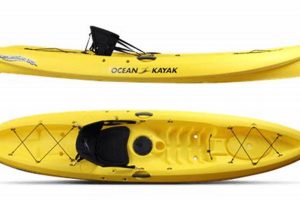
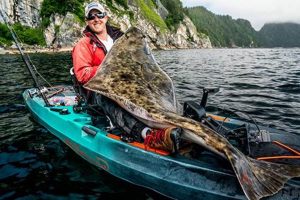
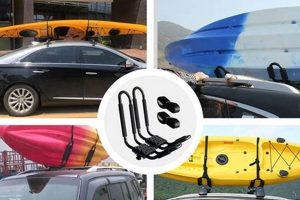
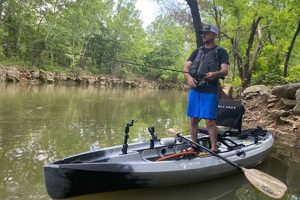
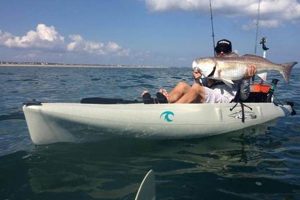
Preparing a kayak for fishing involves selecting and installing various accessories and equipment to enhance its functionality and angler performance. This process may include mounting rod holders, adding a fish finder, incorporating storage solutions for tackle and gear, and integrating safety features like a bilge pump or paddle leash. For example, a kayak can be equipped with a GPS unit for navigation, anchor trolley system for controlled drifting, and specialized seating for comfort during long fishing trips.
A well-equipped fishing kayak provides numerous advantages, including improved organization, increased efficiency, and enhanced safety on the water. Historically, kayak fishing relied on simpler adaptations; however, advancements in materials and design have led to a wide range of specialized equipment that caters to specific fishing styles and environments. This evolution reflects a growing understanding of the sport’s demands and the need for optimized equipment to maximize both safety and success on the water.
The following sections will explore key considerations for equipping a fishing kayak, covering topics such as choosing appropriate accessories, installation techniques, and essential safety measures. These discussions will delve into the specifics of each category, providing practical guidance for anglers of all skill levels.
Essential Tips for Kayak Fishing Preparation
Careful planning and selection of equipment are crucial for a successful and enjoyable kayak fishing experience. The following tips offer guidance on optimizing kayak setup for various fishing styles and conditions.
Tip 1: Prioritize Stability: Kayak stability is paramount, especially when fishing. Wider kayaks generally offer more stability than narrower designs, particularly for anglers who stand while fishing. Consider the intended fishing environment and personal preferences when selecting kayak width.
Tip 2: Rod Holder Placement is Key: Rod holders should be strategically positioned for easy access and to minimize interference with paddling. Consider mounting locations that allow for various fishing techniques and accommodate different rod lengths.
Tip 3: Invest in a Quality Fish Finder: A fish finder provides valuable underwater insights, enabling anglers to locate fish, identify structures, and understand bottom contours. Choose a model with features suited to the target species and fishing environment.
Tip 4: Maximize Storage Solutions: Efficient storage is essential for keeping tackle, gear, and personal items organized and accessible. Utilize waterproof bags and compartments to protect equipment from water damage. Consider crate systems or specialized kayak bags for maximizing space.
Tip 5: Safety First: Always prioritize safety by wearing a personal flotation device (PFD) and carrying essential safety equipment such as a whistle, signaling device, and first-aid kit. Inform someone of fishing plans, including location and estimated return time.
Tip 6: Anchor Effectively: A well-placed anchor allows anglers to maintain position in desired fishing areas. Consider an anchor trolley system for controlled drifting and easier retrieval.
Tip 7: Paddle Choice Matters: Select a paddle appropriate for kayak size and personal paddling style. Lightweight paddles with ergonomic grips can significantly reduce fatigue during long fishing trips.
By following these tips, anglers can create a customized and efficient kayak fishing platform that enhances comfort, safety, and overall fishing success.
The concluding section will recap key takeaways and offer additional resources for further exploration of kayak fishing techniques and equipment.
1. Rod Holders

Rod holders constitute a critical component when outfitting a fishing kayak, directly impacting angling efficiency and safety. They provide secure storage for rods, freeing hands for paddling, landing fish, and managing other equipment. Without dedicated rod holders, rods become cumbersome and susceptible to damage, potentially hindering navigation and compromising angler safety. For example, navigating through narrow waterways or strong currents becomes significantly more challenging with a rod held precariously in hand. Securely stored rods also minimize the risk of entanglement with lines, other equipment, or surrounding vegetation.
Various rod holder designs cater to different fishing styles and kayak configurations. Flush-mount rod holders offer a streamlined profile and minimize interference with paddling, while adjustable rod holders allow for customized positioning to accommodate diverse fishing techniques. Selecting appropriate rod holders depends on factors such as target species, fishing environment, and personal preferences. For instance, trolling for large pelagic fish necessitates robust rod holders capable of withstanding significant stress, whereas lighter, more flexible rod holders may suffice for inshore fishing. Proper installation ensures stability and prevents damage to the kayak’s hull.
Strategic rod holder placement contributes significantly to an organized and efficient fishing experience. Positioning rod holders within easy reach facilitates quick access and minimizes disruptive movements. Anglers often choose to install multiple rod holders to accommodate different rod types or fishing techniques. This deliberate arrangement streamlines the fishing process, allowing for seamless transitions between techniques and maximizing time spent actively fishing. Ultimately, integrating well-chosen and strategically placed rod holders proves essential for a safe, organized, and productive kayak fishing experience.
2. Fish Finder

Integrating a fish finder represents a significant advancement in outfitting a fishing kayak, transforming it from a simple vessel into a sophisticated angling platform. This technology provides real-time underwater insights, enabling anglers to locate fish, interpret bottom structure, and understand water conditions with unprecedented clarity. The connection between fish finders and kayak fishing is symbiotic; the fish finder enhances fishing effectiveness, while the kayak provides a stable and mobile platform for utilizing this technology.
The practical implications of using a fish finder are substantial. Consider a scenario where an angler seeks specific fish species known to congregate around underwater structures. Without a fish finder, locating these structures relies heavily on guesswork and prior knowledge. A fish finder, however, paints a clear picture of the underwater environment, revealing drop-offs, reefs, and other fish-holding features. This targeted approach significantly increases the probability of locating and catching the desired species. Similarly, understanding water depth and temperature gradients, information readily available through most fish finders, allows anglers to adapt their techniques and target specific depths where fish are more likely to be active. This informed approach optimizes fishing time and enhances overall success.
Technological advancements continue to refine fish finder capabilities, offering features such as GPS integration, side-scanning sonar, and down-imaging capabilities. These enhancements provide even greater detail and precision, further solidifying the fish finder’s role as an indispensable tool for the modern kayak angler. While the initial investment in a fish finder might seem significant, the increased fishing success, enhanced understanding of the underwater environment, and improved overall fishing experience represent compelling justifications for its inclusion in any serious kayak fishing setup. The ability to make informed decisions based on real-time data translates directly into increased efficiency and enjoyment on the water.
3. Storage Solutions

Effective storage solutions are integral to a well-outfitted fishing kayak. Limited space necessitates careful organization and efficient utilization of available areas. Appropriate storage directly impacts both safety and fishing success by ensuring essential gear remains readily accessible while minimizing clutter and maximizing onboard space. A well-organized kayak contributes to a safer and more productive fishing experience.
- Tackle Organization
Efficient tackle organization is paramount. Dedicated tackle boxes or trays designed for kayak use keep lures, hooks, and other small items readily accessible. Implementing a system that separates items by type or fishing technique minimizes search time and maximizes fishing efficiency. For example, designating specific compartments for topwater lures, crankbaits, and soft plastics streamlines lure selection and maintains order within a limited space environment.
- Dry Storage
Protecting essential gear from water damage is crucial. Waterproof bags and containers safeguard electronics, personal items, and other sensitive equipment from splashes, rain, or accidental submersion. Dry bags offer varying sizes and closures, catering to different storage needs. A larger dry bag might hold clothing and extra layers, while smaller, waterproof cases protect phones and wallets. Prioritizing dry storage ensures equipment remains functional and usable throughout the fishing trip.
- Space Maximization
Innovative storage solutions maximize limited kayak space. Crate systems designed specifically for kayaks offer modular storage options, allowing anglers to customize their setups. Utilizing vertical space with stackable containers and employing bungee cords or straps to secure gear further optimizes storage capacity. Efficient space utilization prevents clutter and ensures a safe and navigable cockpit environment.
- Accessibility Considerations
Strategic placement of stored items prioritizes accessibility. Frequently used items should be within easy reach, minimizing the need for disruptive movements or excessive reaching. Positioning essential safety gear, such as a first-aid kit and signaling device, in readily accessible locations ensures immediate availability in emergency situations. Thoughtful placement contributes significantly to both fishing efficiency and overall safety on the water.
These storage solutions contribute significantly to a well-outfitted fishing kayak, transforming it into a streamlined and efficient angling platform. Proper organization, waterproof storage, and strategic placement of gear enhance both safety and fishing success, allowing anglers to focus on the task at hand and maximize their time on the water.
4. Safety Equipment

Safety equipment represents a non-negotiable aspect of outfitting a fishing kayak. The inherent risks associated with open-water activities necessitate a proactive approach to safety, transforming equipment choices from optional additions to essential components. A properly outfitted kayak prioritizes angler well-being, mitigating potential hazards and ensuring a safe return. The relationship between safety equipment and a successful fishing trip is inextricably linked; preparedness fosters confidence and allows for focused enjoyment of the experience.
Consider the scenario of an unexpected capsize. A personal flotation device (PFD) immediately becomes a critical piece of survival equipment, keeping the angler afloat and preventing potential drowning. A whistle, attached to the PFD or readily accessible, becomes an essential signaling device for attracting attention and facilitating rescue. These seemingly simple items, often overlooked in fair-weather conditions, illustrate the profound impact of safety equipment in adverse situations. Similarly, a first-aid kit addresses minor injuries, preventing complications and ensuring continued comfort throughout the trip. These practical examples underscore the direct link between safety equipment and angler well-being, emphasizing the importance of preparedness and proactive safety measures.
Beyond these essential items, other safety considerations contribute to a comprehensive safety strategy. A paddle leash prevents paddle loss in rough conditions, maintaining maneuverability and control. A bilge pump quickly removes accumulated water from the kayak’s hull, preserving stability and preventing potential sinking. Carrying a communication device, such as a waterproof VHF radio or a charged mobile phone in a waterproof case, provides a crucial link to emergency services in remote locations. These additional safety measures, while situation-dependent, further enhance angler preparedness and contribute to a comprehensive safety plan. Understanding the potential risks associated with kayak fishing and equipping oneself accordingly transforms a recreational activity into a safe and responsible pursuit.
5. Paddle Selection

Paddle selection constitutes a crucial element within the broader context of outfitting a fishing kayak. An appropriate paddle directly impacts paddling efficiency, maneuverability, and overall comfort, influencing both fishing success and angler fatigue. Paddle characteristics interact dynamically with kayak design and intended usage; therefore, understanding these relationships is essential for informed decision-making.
Consider the biomechanics of paddling. A paddle serves as an extension of the angler’s body, transmitting power and directing movement. Paddle length, blade shape, and shaft material influence stroke efficiency and energy expenditure. A paddle too short requires excessive effort for minimal propulsion, while a paddle too long can hinder maneuverability and create an awkward paddling posture. Similarly, blade shape affects water displacement and catch efficiency, impacting both speed and control. A high-angle paddle blade suits short, powerful strokes, while a low-angle blade facilitates longer, more relaxed paddling. Material selection further influences paddle weight and flex, affecting overall performance and user experience. For example, a lightweight carbon fiber paddle reduces fatigue during long paddling sessions, while a more affordable aluminum paddle offers durability and resilience. These interconnected factors underscore the importance of considering individual needs and kayak characteristics when selecting a paddle.
Selecting an appropriate paddle transforms a fishing kayak into a balanced and efficient platform. Efficient propulsion conserves energy, allowing anglers to focus on fishing rather than battling fatigue. Enhanced maneuverability facilitates precise boat control, enabling access to tight fishing spots and efficient navigation through complex waterways. These practical benefits contribute significantly to both fishing success and overall enjoyment on the water. The right paddle becomes an extension of the angler’s intent, seamlessly integrating with the kayak and environment to create a harmonious and productive fishing experience.
6. Anchor System

A well-chosen anchor system represents a critical component when outfitting a fishing kayak, significantly influencing an angler’s ability to maintain position, control drift, and access specific fishing locations. A properly configured anchor system distinguishes a strategically positioned kayak from one subject to the whims of current and wind, directly impacting fishing effectiveness and overall angling experience.
- Anchor Selection
Anchor choice depends on several factors, including bottom composition, water depth, and anticipated current strength. Lightweight, foldable anchors suit kayaks due to limited storage space. Grappling anchors excel in rocky or weedy environments, while fluke or mushroom anchors hold well in sandy or muddy bottoms. Selecting an appropriate anchor type ensures reliable holding power and minimizes potential environmental impact. For example, a lightweight grapnel anchor might suffice for shallow, rocky areas, while a heavier folding anchor may be necessary for deeper water with stronger currents.
- Deployment Mechanisms
Deployment mechanisms vary, each offering specific advantages. A simple anchor trolley system allows controlled positioning and easy retrieval. Cleat-mounted anchor systems provide quick deployment and secure locking, while stake-out poles offer a shallow-water anchoring solution. Understanding the nuances of each system allows anglers to choose the most suitable method for their specific needs and fishing environment. A stake-out pole, for instance, proves highly effective in shallow flats, while an anchor trolley system offers greater versatility in varying depths and current conditions.
- Line and Accessories
Selecting appropriate anchor line and accessories contributes significantly to anchor system effectiveness. Anchor line material, diameter, and length influence holding power and ease of deployment. Marine-grade rope, with its resistance to abrasion and UV degradation, offers durability and longevity. Chain or a length of heavier line added near the anchor improves holding power by increasing bottom contact and maintaining a low angle of pull. These considerations ensure the anchor system functions reliably, reducing the risk of anchor loss or failure.
- Strategic Positioning
Strategic anchor placement maximizes fishing effectiveness. Positioning the kayak upstream of a target area allows lures or bait to drift naturally through the desired zone. Anchoring near structure, such as drop-offs or weed beds, concentrates fishing efforts in areas where fish are likely to congregate. Understanding how current and wind affect kayak position informs anchor placement decisions, maximizing the likelihood of successful hookups. For example, anchoring slightly upstream and allowing the current to position the kayak near a submerged log enhances presentation and increases the chances of enticing a strike.
Integrating a well-designed anchor system into a fishing kayak elevates its functionality beyond simple conveyance. Effective anchoring enhances angling precision and control, transforming the kayak into a stable and strategically positioned fishing platform. This thoughtful approach to outfitting reflects a deeper understanding of fishing dynamics and a commitment to maximizing both efficiency and enjoyment on the water.
Frequently Asked Questions about Kayak Fishing Preparation
Addressing common queries regarding kayak fishing preparation clarifies key considerations and facilitates informed decision-making for anglers of all skill levels. The following responses aim to provide concise and informative guidance.
Question 1: What is the most important factor to consider when choosing a fishing kayak?
Stability stands as a paramount consideration. Kayak stability directly influences angler safety and fishing effectiveness, particularly when standing or maneuvering in challenging conditions. Wider kayaks generally offer increased stability compared to narrower designs. Evaluating intended fishing environments and personal preferences informs stability requirements.
Question 2: How many rod holders are recommended for a fishing kayak?
The optimal number of rod holders depends on individual fishing styles and target species. Two to four rod holders often suffice, accommodating various fishing techniques and rod types. Strategic placement minimizes interference and maximizes accessibility. Prioritizing functionality over quantity ensures an efficient and uncluttered cockpit environment.
Question 3: Is a fish finder essential for kayak fishing?
While not strictly essential, a fish finder significantly enhances angling success by providing real-time underwater insights. Locating fish, identifying structures, and understanding bottom contours become significantly easier with a fish finder. Evaluating individual budgetary constraints and fishing goals informs the decision to incorporate this technology.
Question 4: What type of storage solutions are best suited for kayak fishing?
Waterproof storage solutions are paramount for protecting essential gear from water damage. Dry bags, waterproof cases, and specialized kayak crates safeguard electronics, tackle, and personal items. Prioritizing waterproof storage ensures equipment remains functional and usable throughout the fishing trip.
Question 5: What safety equipment is mandatory for kayak fishing?
Wearing a Personal Flotation Device (PFD) is legally mandated in many jurisdictions and represents a fundamental safety precaution. Carrying a whistle, signaling device, and first-aid kit further enhances preparedness. Understanding local regulations and prioritizing personal safety contribute significantly to responsible angling practices.
Question 6: What are the advantages of using an anchor trolley system?
Anchor trolley systems offer controlled positioning and efficient anchor retrieval. Adjusting anchor position along the kayak’s length accommodates varying current and wind conditions. This adaptability enhances fishing effectiveness by maintaining optimal kayak placement in relation to target areas.
Understanding these fundamental aspects of kayak fishing preparation empowers informed equipment choices and contributes to a safe, efficient, and productive on-the-water experience.
The next section offers a comprehensive checklist for essential kayak fishing gear, ensuring anglers are well-prepared for their next outing.
Outfitting a Fishing Kayak
Preparing a fishing kayak involves a comprehensive understanding of equipment choices and their impact on angling performance and safety. From rod holder placement and fish finder integration to storage solutions and anchor system selection, each decision contributes to the overall effectiveness and enjoyment of the kayak fishing experience. Prioritizing stability, optimizing storage, and integrating essential safety equipment are paramount considerations for any angler venturing onto the water. Understanding the nuanced interplay of these elements allows for informed decisions that transform a standard kayak into a purpose-built fishing platform.
Careful consideration of these factors unlocks the full potential of kayak fishing, transforming a simple recreational activity into a rewarding pursuit that connects anglers with the natural world. The evolution of kayak fishing equipment continues to refine the angling experience, offering enhanced functionality and improved safety measures. Embracing a thoughtful and informed approach to outfitting a fishing kayak ensures not only angling success but also a deeper appreciation for the sport and its inherent connection to the aquatic environment.