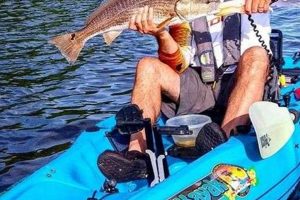
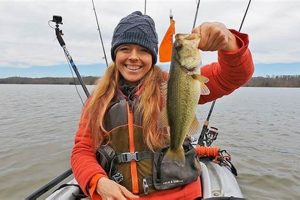
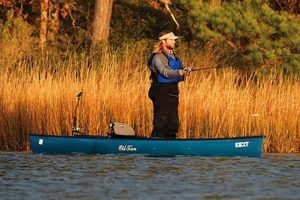
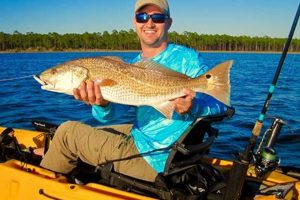
This specialized angling approach involves fishing from a kayak in the waters off the coast of the Carolinas. This style leverages the stealth and maneuverability of kayaks to access shallow-water areas, marshes, and estuaries often teeming with popular game fish. Imagine navigating quiet creeks and inlets, casting lines for redfish, speckled trout, flounder, and other species that thrive in these brackish environments. This style is perfectly suited to the diverse and rich habitats found along the Carolina coastline.
The low profile of a kayak offers distinct advantages. It minimizes disturbance to the fish, allowing anglers to get closer and present lures or bait more effectively. It also grants access to areas inaccessible to larger boats, opening up a wealth of fishing opportunities. Historically, small, maneuverable craft have been used for fishing in these waters, evolving over time from traditional dugout canoes to modern, purpose-built fishing kayaks. This progression reflects a deep-rooted connection between the people of the Carolinas and the rich bounty of their coastal ecosystems.
The following sections will explore specific techniques, equipment choices, and responsible practices relevant to this unique and rewarding style of fishing.
Tips for Kayak Fishing in the Carolinas
Successful kayak angling in the Carolinas requires careful planning and execution. These tips offer guidance for a safe and productive experience.
Tip 1: Prioritize Safety Equipment: Always wear a personal flotation device (PFD). Carry a whistle, signaling mirror, and VHF radio for emergencies. A first-aid kit and essential tools for minor repairs are also recommended.
Tip 2: Plan According to Tides and Weather: Tidal currents and wind conditions significantly impact kayak handling. Consult forecasts before venturing out and choose launch points strategically.
Tip 3: Employ Appropriate Anchoring Techniques: Shallow-water anchor systems, such as stake-out poles or drift socks, allow for effective positioning in various fishing locations.
Tip 4: Select Tackle and Gear Strategically: Rod and reel combinations suited for target species and fishing environment optimize fishing success. Consider specialized lures and rigs known to be effective in the region.
Tip 5: Practice Proper Kayak Handling and Paddling Techniques: Efficient paddling conserves energy and allows for precise boat control, enhancing casting accuracy and maneuverability.
Tip 6: Respect Wildlife and the Environment: Adhere to catch-and-release practices whenever possible. Properly dispose of fishing line and other waste to minimize environmental impact.
Tip 7: Learn Local Regulations: Familiarize oneself with licensing requirements and specific fishing regulations applicable to the chosen fishing areas.
By adhering to these guidelines, anglers can enhance their on-the-water experiences while promoting safety and conservation.
These preparatory measures ensure not only a productive outing but also foster respect for the delicate balance of the Carolina coastal ecosystem.
1. Kayak Selection

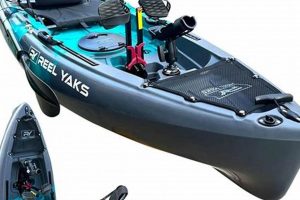
Kayak selection significantly impacts the success and enjoyment of Carolina kayak fishing. The diverse environments, from calm estuaries to open ocean waters, necessitate careful consideration of kayak design and features. Stability is paramount, especially when casting, landing fish, or navigating challenging conditions. A wider, flatter hull design generally provides greater stability, while longer, narrower kayaks offer superior speed and tracking for covering larger distances. Sit-on-top kayaks are favored for their self-bailing capability and ease of re-entry in the event of a capsize, a crucial safety aspect in coastal environments. For example, navigating the shallow marshes of the Cape Fear River requires a maneuverable kayak with a shallow draft, while venturing into the surf off the Outer Banks necessitates a stable, ocean-worthy design.
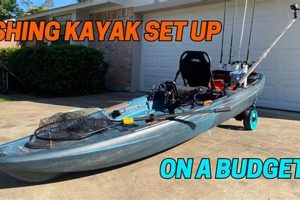
Features such as rod holders, tackle storage, and anchor systems further enhance the fishing experience. Built-in rod holders allow for convenient access and secure storage of rods while paddling or fighting fish. Ample storage space accommodates tackle boxes, gear, and safety equipment. Anchor systems, including anchor trolleys and stake-out poles, facilitate precise positioning in desired fishing locations. These specialized features significantly enhance the angler’s efficiency and overall success. Consider a fishing kayak equipped with a rudder system for improved tracking in windy conditions, particularly beneficial when fishing larger bodies of water like the Albemarle Sound.
Appropriate kayak selection directly influences safety, efficiency, and overall enjoyment. Choosing a kayak that aligns with the specific conditions and target fishing areas in the Carolinas ensures a more productive and rewarding experience. Failing to prioritize appropriate kayak selection can lead to instability, difficulty maneuvering, and compromised safety, hindering the angler’s ability to effectively target desired species and enjoy the unique coastal environments. Therefore, thorough consideration of these factors is crucial for maximizing the benefits and minimizing potential risks associated with Carolina kayak fishing.
2. Essential Gear

Effective Carolina kayak fishing hinges on appropriate gear selection, directly influencing both safety and angling success. This necessitates careful consideration of the specific environment and target species. Essential safety gear includes a personal flotation device (PFD), a signaling whistle, and a visual distress signal like a mirror. A VHF radio facilitates communication in emergencies, especially crucial in remote coastal areas. Navigation tools, such as a chart, compass, or GPS device, are critical, particularly when navigating intricate waterways or dealing with changing tides and currents. Consider the potential for sudden weather changes, characteristic of coastal regions, and pack accordingly with rain gear and appropriate layers.
Fishing-specific gear includes appropriately sized rods and reels, matched to the target species. For example, targeting larger redfish in the surf requires a heavier setup than pursuing speckled trout in calmer estuaries. A selection of lures and rigs, effective for the diverse species inhabiting Carolina waters, maximizes angling opportunities. A tackle box or bag organized with essential items, such as hooks, weights, swivels, and line cutters, streamlines on-the-water adjustments. Landing nets facilitate safe and efficient retrieval of fish, minimizing stress on the animal and reducing the likelihood of hook dislodgement during landing. Carrying a small toolkit containing essential repair items, such as pliers, a knife, and duct tape, proves invaluable for addressing minor gear malfunctions or kayak repairs in the field.
Appropriate gear selection ultimately dictates the success and safety of Carolina kayak fishing expeditions. Neglecting essential safety equipment increases risk, while inadequate fishing gear limits angling effectiveness. Strategic gear choices enhance both safety and angling success, fostering a more enjoyable and productive experience on the water. Understanding the specific demands of the Carolina coastal environment informs appropriate gear selection and reinforces the importance of preparedness in maximizing both safety and fishing success.
3. Target Species
Target species selection significantly influences equipment choices, location selection, and overall angling strategies in Carolina kayak fishing. The diverse inshore and nearshore waters of the Carolinas support a rich variety of game fish, each with unique habitat preferences and behavioral patterns. Redfish, for instance, often inhabit shallow grassy flats and oyster beds, requiring anglers to employ stealthy approaches and specialized lures or bait. Speckled trout, conversely, favor deeper channels and areas with structure, necessitating different tackle and retrieval techniques. Flounder, ambush predators often found lying partially buried in sandy or muddy bottoms, demand yet another set of angling approaches. Understanding these species-specific behaviors and habitat preferences is crucial for effective kayak angling.
Matching tackle and techniques to the target species maximizes angling success. Light tackle spinning gear paired with soft plastic lures or live bait proves effective for speckled trout and flounder. Heavier tackle and stronger lines are often necessary for redfish, especially larger specimens encountered in nearshore waters or around structure. Similarly, lure selection should reflect the feeding habits of the target species. For example, topwater lures can entice explosive strikes from redfish in shallow water, while subsurface lures might prove more effective for speckled trout in deeper areas. Choosing appropriate fishing locations also hinges on understanding target species’ habitat preferences. Focusing efforts on areas known to hold the desired species significantly increases the likelihood of successful hookups.
Effective Carolina kayak fishing requires a nuanced understanding of target species. This knowledge informs strategic decisions regarding equipment selection, location scouting, and angling techniques, optimizing angling success. Failure to consider target species’ unique characteristics can lead to inefficient fishing practices and missed opportunities. A thorough understanding of target species ecology empowers anglers to make informed choices, maximizing their chances of a successful and rewarding fishing experience while minimizing environmental impact through selective fishing practices. This knowledge base contributes significantly to responsible and sustainable angling practices, preserving the diverse fish populations and the health of the Carolina coastal ecosystem.
4. Location Scouting

Location scouting is paramount to successful Carolina kayak fishing. The diverse coastal landscape offers a range of habitats, each supporting unique fish populations and requiring specific angling approaches. Effective scouting involves identifying promising fishing spots based on factors such as tidal movements, water depth, structure, and prevailing currents. For example, during falling tides, redfish often congregate in the shallow creeks and marshes of the ACE Basin, presenting prime ambush opportunities. Conversely, rising tides can push baitfish into shallow flats along the Outer Banks, attracting speckled trout and other predatory species. Understanding these tidal influences informs strategic location choices.
Utilizing resources like nautical charts, online mapping tools, and local fishing reports enhances scouting efforts. Charts provide detailed bathymetric information and identify potential hazards, crucial for safe kayak navigation. Online resources offer real-time data on tides, currents, and weather conditions, allowing anglers to plan accordingly. Local fishing reports provide valuable insights into recent catches and productive areas, further refining location choices. Consider the specific target species when scouting. Redfish, often associated with oyster beds and grassy flats, require different locations than flounder, which prefer sandy or muddy bottoms. Tailoring scouting efforts to the target species maximizes efficiency and increases the likelihood of successful fishing.
Strategic location scouting is integral to maximizing success in Carolina kayak fishing. Thorough pre-fishing planning minimizes wasted time on the water and increases the chances of encountering target species. Effective scouting, informed by an understanding of tidal influences, habitat preferences, and local conditions, enhances angling success and promotes responsible fishing practices. By focusing efforts on productive areas, anglers minimize environmental disturbance while maximizing their fishing opportunities. This strategic approach contributes to the long-term health of the Carolina coastal ecosystem and ensures the sustainability of this popular recreational activity.
5. Safety Procedures
Safety procedures are paramount in Carolina kayak fishing, directly impacting angler well-being and the overall enjoyment of the experience. The dynamic coastal environment presents inherent risks, necessitating meticulous planning and adherence to established safety protocols. Ignoring these procedures can lead to serious consequences, ranging from minor inconveniences to life-threatening situations. A comprehensive understanding of and adherence to safety procedures is essential for a responsible and enjoyable kayak fishing experience.
- Personal Flotation Devices (PFDs)
Wearing a properly fitted PFD is non-negotiable. PFDs provide essential buoyancy in the event of a capsize or unexpected immersion, significantly increasing chances of survival. Choosing a PFD designed for paddling enhances comfort and mobility while fishing. Regularly inspecting PFDs for wear and tear ensures their effectiveness in critical situations. For example, a Type III PFD, designed for calm, inland waters where rapid rescue is expected, may be suitable for sheltered estuaries, while a Type I offshore life jacket offers greater flotation and protection in rougher coastal conditions.
- Communication Equipment
Carrying reliable communication equipment enables contact in emergencies. A waterproof VHF radio allows direct communication with the Coast Guard and other boaters, crucial for summoning assistance if needed. Cell phones, while useful, can lose signal in remote areas, making a VHF radio a more dependable option. Carrying a whistle provides an additional means of signaling distress. Regularly checking the functionality of communication devices is crucial before embarking on any kayak fishing trip, ensuring they are ready for immediate use if necessary.
- Weather Awareness
Checking weather forecasts before and during fishing trips is crucial. Sudden weather changes, common along the Carolina coast, can create hazardous conditions quickly. High winds, lightning storms, and fog significantly impact kayak handling and visibility. Monitoring weather conditions allows for informed decisions about launching, returning to shore, or seeking sheltered areas. For instance, strong offshore winds can quickly carry a kayak away from the shore, making it essential to assess wind direction and speed before venturing out. Postponing or shortening a trip based on unfavorable weather conditions demonstrates responsible decision-making and prioritizes angler safety.
- Navigation and Trip Planning
Careful trip planning, including establishing a float plan and sharing it with a responsible individual, enhances safety. A float plan details the intended route, launch and return times, and contact information. This allows for appropriate responses if the angler does not return as scheduled. Familiarizing oneself with the area’s navigational markers, channels, and potential hazards minimizes the risk of disorientation or grounding. Carrying a nautical chart or GPS device aids navigation, particularly in unfamiliar waters or areas with complex shorelines. Understanding tidal currents and their potential impact on kayak position further enhances safety. For example, strong outgoing tides can make paddling back to the launch point challenging, necessitating adjustments to the planned route or timing.
These safety procedures, when combined with informed decision-making and a proactive approach to risk management, significantly enhance the safety and enjoyment of Carolina kayak fishing. Consistent adherence to these practices reduces the likelihood of incidents, promoting a positive and sustainable angling experience. Prioritizing safety fosters a culture of responsible kayak fishing, preserving the well-being of anglers and protecting the valuable coastal environment.
6. Environmental Awareness
Environmental awareness forms an integral component of responsible Carolina kayak fishing. The close interaction with the coastal ecosystem necessitates a mindful approach to minimize impact and preserve the natural environment. Cause and effect relationships are readily apparent. Discarded fishing line, for instance, poses a significant entanglement hazard to marine life, including birds, turtles, and fish. Improperly disposed of trash pollutes waterways and can negatively affect water quality. Disturbing nesting sites or sensitive habitats disrupts natural processes crucial for wildlife survival. Real-life examples abound. The decline of seagrass beds in some areas, crucial nurseries for many fish species, is partly attributed to damage from boat propellers and anchors. Increased sedimentation from erosion, exacerbated by careless coastal development, also negatively impacts water clarity and seagrass health. These examples underscore the direct link between human actions and environmental consequences.
Practical applications of environmental awareness in Carolina kayak fishing are numerous. Practicing catch-and-release fishing, particularly for sensitive species, helps maintain healthy fish populations. Utilizing appropriate anchoring techniques minimizes damage to seagrass beds and other benthic habitats. Retrieving lost fishing gear prevents entanglement hazards and removes plastic pollution from the waterway. Educating fellow anglers on responsible fishing practices fosters a collective responsibility for environmental stewardship. Participating in coastal clean-up initiatives directly contributes to a healthier ecosystem. Choosing eco-friendly fishing gear, made from sustainable materials, reduces the angler’s environmental footprint. Supporting conservation organizations that work to protect coastal habitats demonstrates a commitment to long-term environmental preservation. These practical actions translate environmental awareness into tangible positive impacts.
In conclusion, environmental awareness is not merely an abstract concept but a critical component of responsible Carolina kayak fishing. Understanding the interconnectedness of human actions and environmental consequences empowers anglers to make informed choices that minimize their impact. Practical application of this understanding, through responsible fishing practices and active participation in conservation efforts, ensures the long-term health and sustainability of the Carolina coastal ecosystem. The challenges to environmental preservation in these valuable coastal areas are ongoing, requiring sustained effort and vigilance. Integrating environmental awareness into every aspect of kayak fishing ensures that this popular recreational activity contributes positively to the health of the environment and the enjoyment of future generations.
Frequently Asked Questions
This section addresses common inquiries regarding kayak fishing in the Carolinas, providing concise and informative responses to facilitate informed decision-making and enhance the overall angling experience.
Question 1: What are the licensing requirements for kayak fishing in the Carolinas?
Licensing requirements vary depending on residency, fishing location (inshore/offshore), and target species. Consulting the respective state wildlife agency websites (North Carolina Wildlife Resources Commission and South Carolina Department of Natural Resources) provides comprehensive information on specific license types and regulations.
Question 2: What are the best times of year for kayak fishing in the Carolinas?
Fishing opportunities exist year-round, though species availability and optimal conditions vary seasonally. Spring and fall generally offer favorable temperatures and active fish. Summer can provide excellent fishing but requires careful consideration of heat and potential storms. Winter presents unique challenges and opportunities for targeting specific cold-water species.
Question 3: What essential safety gear should one carry while kayak fishing in the Carolinas?
Essential safety gear includes a properly fitted personal flotation device (PFD), a whistle, a visual distress signal (mirror or flare), a VHF radio, and a first-aid kit. Navigation tools like a chart, compass, or GPS device are highly recommended. Appropriate clothing for changing weather conditions is also essential.
Question 4: Are there specific regulations concerning catch limits and size restrictions for common game fish in the Carolinas?
Specific catch limits, size restrictions, and seasons apply to various species. Regulations can change, so consulting official state wildlife agency resources prior to each fishing trip ensures compliance and contributes to sustainable fisheries management.
Question 5: What are the primary challenges faced by kayak anglers in the Carolinas, and how can they be mitigated?
Common challenges include changing weather conditions, strong currents, and navigating shallow or complex waterways. Thorough pre-trip planning, including checking weather forecasts, understanding tidal influences, and familiarizing oneself with the area, significantly mitigates these challenges. Proper safety equipment and kayak handling skills are essential for managing unforeseen circumstances.
Question 6: What are some recommended resources for finding information on launch points, fishing spots, and local regulations in the Carolinas?
Valuable resources include state wildlife agency websites, local fishing charters and guides, online forums, and nautical charts. Engaging with local angling communities often yields valuable insights and local knowledge.
Thorough preparation and adherence to safety guidelines significantly enhance the kayak fishing experience. Understanding local regulations and environmental considerations ensures responsible angling practices, preserving the coastal ecosystem for future generations.
The following section provides detailed information on specific kayak fishing techniques applicable to the Carolina waters.
Carolina Kayak Fishing
Carolina kayak fishing represents a unique blend of angling skill, environmental awareness, and appreciation for the natural beauty of the Carolina coastline. This exploration has highlighted the importance of careful planning, species-specific knowledge, and adherence to safety procedures for a successful and sustainable experience. From kayak selection and essential gear to location scouting and environmental stewardship, each aspect contributes to responsible engagement with this dynamic coastal ecosystem. The discussion encompassed not only the practical elements of this specialized angling approach but also the ethical considerations that ensure its long-term viability.
The future of Carolina kayak fishing rests on the continued commitment of anglers to prioritize safety and conservation. Through informed decision-making and responsible practices, this unique pursuit can continue to thrive, offering rewarding experiences while preserving the ecological integrity of the Carolina coast for generations to come. The challenge lies in balancing the growing popularity of this activity with the imperative to protect the fragile ecosystems that support it. Continued education and advocacy are crucial for fostering a community of anglers dedicated to the sustainable enjoyment of Carolina kayak fishing.