This activity involves angling from a small, human-powered vessel in the waters surrounding Cape Cod, Massachusetts. The region’s diverse marine environment, featuring estuaries, salt marshes, and open ocean, provides ample opportunities to target a variety of species, from striped bass and bluefish to flounder and tautog. The shallow-draft nature of kayaks allows access to areas unreachable by larger boats, enhancing the fishing experience.
The combination of accessible waters, diverse fish populations, and the quiet, non-motorized approach makes this a popular pursuit. It offers a unique blend of recreation, sport, and connection with nature. Historically, small boats have been used for fishing in the area, and the modern adaptation with specialized kayaks continues this tradition while minimizing environmental impact and offering a physically engaging experience.
Further exploration of this topic will cover essential equipment, ideal locations, species-specific techniques, safety considerations, and responsible angling practices within this unique environment.
Tips for Kayak Angling on Cape Cod
Careful planning and preparation are crucial for a successful and safe experience on the water. These tips offer guidance for anglers of all skill levels.
Tip 1: Check Weather and Tide Charts: Wind and tidal currents can significantly impact kayak handling. Consulting forecasts before departure is essential for safety and optimal fishing conditions.
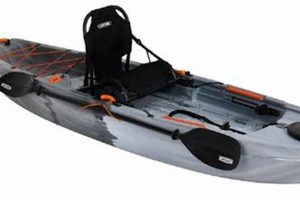
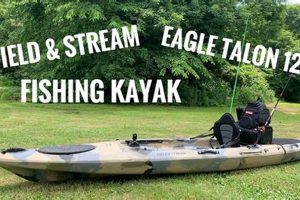
Tip 2: Choose the Right Kayak and Gear: Select a kayak designed for stability and fishing, equipped with appropriate rod holders, storage, and safety features. Consider a sit-on-top model for easier re-entry after a potential capsize.
Tip 3: Prioritize Safety Equipment: A personal flotation device (PFD) is mandatory. Carry a whistle, signaling device, and a waterproof communication method. Inform someone of your planned route and estimated return time.
Tip 4: Understand Local Regulations: Familiarize oneself with licensing requirements, size and catch limits, and any area-specific restrictions. Respect protected areas and adhere to responsible angling practices.
Tip 5: Employ Proper Paddling Technique: Efficient paddling conserves energy and allows for greater range. Practice maneuvering the kayak in various wind and current conditions before venturing into open waters.
Tip 6: Master Basic Knots and Rigging: Knowing essential fishing knots and appropriate rigging techniques increases efficiency and minimizes lost opportunities. Practice tying knots beforehand.
Tip 7: Respect the Environment: Practice catch-and-release whenever possible. Properly dispose of fishing line and other waste. Minimize disturbance to wildlife and their habitats.
Adhering to these guidelines ensures a rewarding and safe experience while preserving the natural beauty and resources of Cape Cod’s waters for future generations.
By following these precautions and best practices, anglers can focus on enjoying the unique challenges and rewards this activity offers.
1. Location Scouting

Location scouting plays a crucial role in successful kayak angling around Cape Cod. The diverse coastline, featuring estuaries, salt marshes, and open ocean areas, offers a wide range of habitats for various fish species. Effective scouting involves identifying promising fishing grounds based on factors such as water depth, bottom structure, tidal currents, and the presence of baitfish. For example, areas with submerged rocks, oyster beds, or channels often attract predatory fish seeking food or shelter. Similarly, understanding tidal movements helps anglers predict when and where fish will be most active. Scouting might involve using online resources like nautical charts and satellite imagery, consulting local fishing reports, or physically exploring areas during lower tides to observe exposed structures.
The practical significance of location scouting becomes evident when considering the limited range of a kayak compared to larger motorized vessels. Efficiently targeting specific areas maximizes fishing time and increases the likelihood of success. For instance, during the fall striped bass migration, anglers might focus their scouting efforts on areas with strong tidal currents and abundant baitfish, known as “rips.” Alternatively, summer flounder fishing might involve scouting shallow, sandy flats during periods of warmer water temperatures. Pre-trip scouting enables anglers to develop a strategic plan, including preferred launch points, paddling routes, and potential fishing spots, ultimately enhancing the overall experience.
In summary, thorough location scouting is an integral component of productive kayak fishing on Cape Cod. It allows anglers to leverage their knowledge of the local environment, target specific species effectively, and optimize their time on the water. This preparatory work contributes significantly to a successful and rewarding fishing experience, increasing the chances of encountering the desired species while minimizing wasted effort.
2. Tidal Planning

Tidal planning is essential for successful kayak angling around Cape Cod. Tidal currents significantly influence fish behavior and movement, impacting where and when they feed. Incoming tides bring baitfish and cooler, oxygenated water into estuaries and marshes, attracting predatory fish. Conversely, outgoing tides concentrate fish in channels and deeper holes as they follow receding water. Understanding these patterns allows anglers to position themselves strategically. For example, fishing near a channel entrance during an incoming tide can intercept striped bass pursuing baitfish swept in by the current. Similarly, fishing the edges of a salt marsh during an outgoing tide can yield flounder as they move towards deeper water.
Neglecting tidal planning can lead to unproductive fishing trips and potentially dangerous situations. Strong tidal currents can make paddling challenging, particularly for less experienced kayakers. Attempting to paddle against a strong ebb tide can be exhausting and inefficient, potentially delaying return to shore. Furthermore, misjudging tidal flows can lead to grounding the kayak in shallow areas exposed during low tide. Consulting tide charts and understanding how currents interact with specific locations is crucial for both safety and fishing success. For instance, planning a fishing trip around slack tide, the period between incoming and outgoing tides, provides calmer waters for easier navigation and allows anglers to focus on fishing rather than battling currents.
In conclusion, tidal planning is not merely a helpful suggestion but a critical component of safe and effective kayak angling on Cape Cod. Understanding and utilizing tidal information enables anglers to optimize their fishing efforts by targeting specific locations at the most productive times. Furthermore, careful consideration of tidal currents ensures safe navigation and prevents potentially hazardous situations. Integrating tidal planning into pre-trip preparations significantly contributes to a successful and enjoyable experience on the water.
3. Species Targeting
Species targeting is a critical aspect of kayak angling on Cape Cod, influencing equipment choices, fishing locations, and techniques employed. The diverse fish populations inhabiting these waters present anglers with a variety of options, each requiring a tailored approach. Understanding the habits and habitats of target species maximizes fishing success and contributes to a more rewarding experience.
- Target Species Selection
Choosing a target species focuses angling efforts and allows for specialized preparation. Anglers pursuing striped bass, for example, might select heavier tackle and focus on areas with strong currents, while those targeting flounder would opt for lighter gear and concentrate on shallow, sandy flats. Matching equipment and techniques to the specific target species increases efficiency and improves the chances of a successful catch.
- Habitat Considerations
Different species inhabit specific habitats within the Cape Cod ecosystem. Striped bass are often found near rocky shorelines, inlets, and estuaries, while tautog prefer rocky bottoms and structures like jetties and wrecks. Understanding these habitat preferences informs location scouting and allows anglers to concentrate their efforts in areas where target species are most likely to be encountered.
- Bait and Lure Selection
Bait and lure choices depend heavily on the target species. Live bait such as eels or mackerel are effective for striped bass, while smaller lures or jigs tipped with squid or worms are often used for flounder. Matching bait or lure presentation to the feeding habits of the target species significantly influences strike rates.
- Seasonal Patterns
Fish migrations and seasonal behavior patterns influence species availability. Striped bass are more prevalent during the fall migration, while bluefish are more common during the summer months. Understanding these seasonal fluctuations allows anglers to target specific species during their peak activity periods, maximizing their chances of success.
By considering these factors, anglers can refine their approach to kayak fishing on Cape Cod, increasing both the enjoyment and productivity of their outings. Effective species targeting contributes to a more focused and rewarding fishing experience, allowing anglers to connect with the diverse marine life this unique environment offers. It also promotes conservation by minimizing bycatch and focusing efforts on species within legal size and catch limits.
4. Equipment Selection

Equipment selection directly impacts the safety and effectiveness of kayak angling around Cape Cod. Choosing appropriate gear considers the targeted species, the local environment, and the angler’s skill level. Kayak selection prioritizes stability, especially in open water or challenging conditions. A sit-on-top design offers advantages in re-entry after a capsize. Rods and reels tailored to the target species ensure effective presentation and fighting ability. Tackle considerations include line weight, hook size, and lure selection appropriate for the intended catch. For example, targeting striped bass requires heavier tackle than pursuing flounder. Specialized equipment such as fish finders, GPS units, and drift anchors enhance angling capabilities while appropriate safety gear, including a personal flotation device (PFD), whistle, and signaling device, are non-negotiable components.
The practical significance of informed equipment choices becomes evident in various scenarios. A stable kayak equipped with a rudder system provides better control in windy conditions, enhancing both fishing effectiveness and safety. Selecting a rod and reel with sufficient strength and appropriate action improves the angler’s ability to manage larger fish, reducing the risk of line breakage or equipment failure. Carrying a well-stocked tackle box with a variety of lures and hooks allows anglers to adapt to changing conditions and target different species encountered. Furthermore, proper safety equipment provides essential protection in unforeseen circumstances, like capsizing or encountering inclement weather. A reliable PFD is crucial, and a VHF radio provides communication in emergencies.
In summary, thoughtful equipment selection is paramount for a successful and safe kayak fishing experience on Cape Cod. Matching gear to the specific environment, target species, and individual skill level maximizes efficiency, enhances enjoyment, and mitigates risks. Prioritizing appropriate safety equipment ensures preparedness for unexpected situations, contributing to a responsible and rewarding angling experience. This careful preparation allows anglers to focus on the challenges and rewards of fishing, rather than contending with preventable equipment-related issues.
5. Safety Procedures
Safety procedures are paramount in Cape Cod kayak fishing due to the dynamic marine environment characterized by variable weather conditions, strong tides, and potential encounters with boat traffic. Implementing comprehensive safety measures mitigates inherent risks, ensuring a secure and enjoyable experience. These procedures encompass pre-trip planning, on-the-water practices, and emergency preparedness.
- Pre-Trip Planning
Pre-trip planning is crucial and includes checking weather forecasts, informing someone of the planned route and estimated return time, and understanding local regulations. Consulting tide charts is essential for navigating currents and avoiding shallow areas. Checking wind speeds and direction helps determine optimal launch points and safe paddling routes. Filing a float plan with a trusted individual ensures that someone is aware of the angler’s whereabouts and can initiate assistance if necessary.
- On-the-Water Practices
On-the-water practices encompass continuous vigilance and adherence to safe boating principles. Wearing a personal flotation device (PFD) is mandatory and crucial for survival in case of capsize. Carrying a whistle, visual distress signals, and a waterproof communication device provides means of alerting others in emergencies. Maintaining awareness of surrounding boat traffic and navigating predictable channels minimizes collision risks.
- Emergency Preparedness
Emergency preparedness involves anticipating potential challenges and having appropriate responses. Knowing self-rescue techniques for re-entering a kayak after capsize is essential. Carrying a first-aid kit and having basic knowledge of its use addresses minor injuries. Understanding procedures for contacting the Coast Guard or local authorities ensures timely assistance in serious situations. Practicing these procedures beforehand increases proficiency and response effectiveness during actual emergencies.
- Equipment Maintenance
Regular equipment maintenance contributes significantly to overall safety. Inspecting the kayak for damage, ensuring proper function of rod holders and storage compartments, and verifying the integrity of safety gear like PFDs and leashes minimizes equipment-related failures. Maintaining proper inflation of the kayak, if applicable, and ensuring paddle condition enhances performance and reduces risks while on the water. Regular maintenance fosters a culture of proactive safety and prevents unforeseen issues during fishing trips.
Adhering to these safety procedures fosters a responsible approach to kayak fishing on Cape Cod. This proactive mindset mitigates potential risks associated with the marine environment and contributes to a more enjoyable and secure experience for all anglers. Prioritizing safety enhances the overall experience, allowing anglers to focus on the rewarding aspects of fishing rather than worrying about preventable incidents. It also demonstrates respect for the inherent challenges of the environment and promotes a culture of responsible angling within the community.
6. Conservation Practices

Conservation practices are integral to the sustainability of cape cod kayak fishing. The sensitive marine ecosystem supporting diverse fish populations requires careful stewardship to ensure its long-term health and productivity. These practices encompass responsible angling techniques, adherence to regulations, and active participation in habitat preservation efforts. Catch-and-release fishing, employing appropriate tackle to minimize injury, and proper handling of fish contribute significantly to minimizing the impact on fish populations. Observing size and catch limits, respecting closed seasons, and avoiding fishing in protected areas demonstrates a commitment to regulatory compliance that safeguards vulnerable species and habitats. For example, practicing catch-and-release with striped bass, a highly sought-after species, helps maintain healthy breeding populations. Similarly, avoiding fishing in designated spawning areas during critical periods protects juvenile fish and ensures future generations. Active involvement in habitat restoration projects, such as coastal cleanups and eelgrass planting initiatives, further contributes to a healthy ecosystem.
The practical implications of neglecting conservation practices extend beyond the immediate impact on fish populations. Habitat degradation resulting from irresponsible fishing practices can lead to declines in fish stocks, impacting the overall health of the ecosystem and the economic viability of the local fishing industry. Disregard for regulations undermines the effectiveness of conservation efforts, potentially leading to stricter restrictions that limit fishing opportunities for everyone. Conversely, embracing conservation practices contributes to the long-term health and resilience of the marine environment, ensuring the sustainability of cape cod kayak fishing for future generations. Supporting local conservation organizations, participating in educational programs, and advocating for responsible angling policies further strengthens the collective commitment to protecting this valuable resource. For instance, participating in organized coastal cleanup efforts removes debris that can harm marine life and degrade habitats, while advocating for stricter regulations on pollution helps protect water quality essential for healthy fish populations.
In conclusion, conservation practices are not merely optional considerations but rather fundamental elements of responsible cape cod kayak fishing. Integrating these practices into every aspect of the angling experience ensures the long-term health and productivity of the marine ecosystem. This commitment safeguards fish populations, preserves the natural beauty of the Cape Cod environment, and secures the future of this cherished recreational activity. The collective responsibility shared by anglers to embrace and promote conservation practices is crucial for maintaining a healthy and vibrant ecosystem, ultimately ensuring the sustainability of cape cod kayak fishing for generations to come.
Frequently Asked Questions
This section addresses common inquiries regarding kayak angling on Cape Cod. The information provided aims to clarify potential uncertainties and promote safe and responsible fishing practices.
Question 1: What are the licensing requirements for kayak fishing on Cape Cod?
A saltwater fishing permit is required for individuals aged 16 and older. Permits can be obtained online through the Massachusetts Division of Marine Fisheries website or at authorized vendors. Regulations regarding permit types, costs, and exemptions vary, so consulting official resources for current information is recommended.
Question 2: What safety equipment is essential for kayak fishing on Cape Cod?
Essential safety equipment includes a properly fitted personal flotation device (PFD), a whistle, visual distress signals (such as flares or a mirror), and a waterproof communication device (like a VHF radio or a waterproofed cell phone). A first-aid kit and basic knowledge of its use are also recommended.
Question 3: What are the primary target species for kayak anglers on Cape Cod?
Common target species include striped bass, bluefish, flounder, tautog, and bonito. The specific species available varies depending on the season and location. Consulting local fishing reports and guides provides valuable insights into current fishing conditions and target species activity.
Question 4: Where are suitable launch points for kayak fishing on Cape Cod?
Numerous public access points, including boat ramps, beaches, and town landings, provide suitable launch locations. Selection depends on the targeted fishing area and prevailing conditions. Researching access points in advance and considering factors like parking availability, tidal access, and proximity to desired fishing grounds is advisable.
Question 5: What are the best times to fish from a kayak on Cape Cod?
Fishing success often correlates with tidal movements and light conditions. Incoming and outgoing tides typically stimulate fish activity. Dawn and dusk often present optimal fishing opportunities. However, specific feeding patterns vary depending on the target species and local conditions. Consulting tide charts and local fishing reports helps determine the most productive fishing periods.
Question 6: Are there any specific regulations or restrictions regarding kayak fishing within Cape Cod waters?
Regulations exist regarding size and catch limits for various species, protected areas, and permissible fishing methods. Familiarizing oneself with current regulations through the Massachusetts Division of Marine Fisheries is essential for ensuring compliance and promoting sustainable fishing practices.
Understanding these aspects contributes to a safer, more productive, and environmentally responsible kayak fishing experience. Further research and consultation with local resources are encouraged to enhance angling skills and knowledge of the specific regulations and conditions within Cape Cod waters.
The following sections will provide more detailed information on specific techniques, recommended locations, and further resources for enhancing kayak fishing experiences on Cape Cod.
Cape Cod Kayak Fishing
Cape Cod kayak fishing offers a unique blend of angling challenge and natural immersion. Successful engagement requires careful consideration of several key factors. Thorough preparation, including location scouting, tidal planning, and species targeting, maximizes fishing success. Appropriate equipment selection and adherence to established safety procedures are crucial for both angler well-being and responsible interaction with the environment. Conservation practices, including catch-and-release fishing and adherence to regulations, ensure the sustainability of this valuable resource. Understanding and respecting the dynamic interplay of these elements contributes to a rewarding and sustainable angling experience.
The future of Cape Cod kayak fishing rests on the continued commitment of anglers to responsible practices. Informed decision-making, respect for the marine environment, and active participation in conservation efforts will safeguard this unique angling experience for generations to come. The combination of skill, preparation, and ethical engagement ensures the preservation of this valuable resource and the continued enjoyment of Cape Cod’s exceptional fishing opportunities.