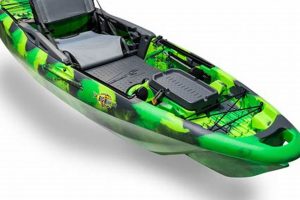
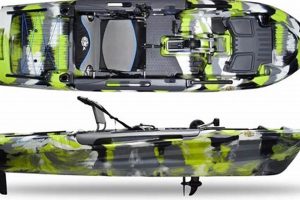
A designated waterway route in Ohio, specifically designed for paddle craft angling, offers a unique opportunity to experience the state’s diverse aquatic ecosystems. These routes typically provide access to prime fishing locations, often in calmer waters away from motorized boat traffic, enhancing the angling experience.
Such dedicated routes contribute significantly to promoting accessible outdoor recreation and fostering appreciation for natural resources. They can boost local economies by attracting tourism and supporting related businesses. Historically, similar routes have played a crucial role in preserving traditional fishing practices while adapting to modern recreational needs.
Further exploration will delve into specific locations, access points, fish species commonly found along these waterways, recommended equipment, and best practices for a safe and rewarding experience.
Tips for Ohio Paddle Craft Angling
Successful angling from a kayak in Ohio requires preparation and adherence to best practices. The following tips contribute to a safe and productive experience.
Tip 1: Research Designated Water Trails: Understanding the characteristics of specific waterways, including access points, current speeds, and potential hazards, is essential for planning a trip. Consulting maps and resources provided by local authorities is recommended.
Tip 2: Prioritize Safety Equipment: A properly fitted personal flotation device (PFD) is paramount. Carrying a whistle, signaling devices, and a first-aid kit is also crucial for ensuring personal safety.
Tip 3: Employ Appropriate Fishing Gear: Shorter rods and reels designed for kayak fishing are often preferred for maneuverability. Selecting lures and tackle appropriate for target species and water conditions improves angling success.
Tip 4: Practice Proper Kayak Handling: Understanding basic paddling techniques and maintaining balance is vital for navigating currents and wind. Practicing self-rescue procedures is also strongly recommended.
Tip 5: Respect Wildlife and the Environment: Adhering to catch-and-release guidelines, properly disposing of fishing line and other waste, and minimizing disturbance to natural habitats ensures the sustainability of these resources.
Tip 6: Check Weather Conditions: Monitoring forecasts and avoiding adverse weather, such as strong winds, thunderstorms, or extreme temperatures, is crucial for safety and enjoyment.
Tip 7: File a Float Plan: Informing someone of your intended route, launch time, and expected return enhances safety by providing a point of contact in case of an emergency.
By following these guidelines, anglers can maximize their enjoyment while minimizing potential risks, contributing to a responsible and rewarding experience on Ohio’s waterways.
These practical considerations pave the way for a deeper appreciation of the sport and the natural beauty it offers.
1. Designated Waterways

Designated waterways form the foundation of a successful paddle craft fishing route system. These delineated routes offer distinct advantages for kayak anglers. By focusing fishing activity within specific areas, resource management agencies can better implement conservation strategies, monitor fish populations, and minimize environmental impact. This targeted approach also allows for tailored development of access points, signage, and safety infrastructure relevant to non-motorized watercraft users. For example, the Kokosing River Water Trail in Ohio offers designated access points and calm stretches ideal for kayak fishing, illustrating the practical application of this principle.
The selection criteria for designated waterways typically include factors such as suitable water depth and flow rate, fish habitat quality, presence of sensitive ecological areas, and potential for recreational use. Prioritizing waterways with existing infrastructure, like boat ramps or parking areas, enhances accessibility. Additionally, focusing development on waterways connected to larger river systems can create extensive networks, expanding opportunities for longer excursions and diverse fishing experiences. A prime example is the Ohio River Water Trail, which provides access to various tributaries and backwaters, creating a network of designated waterways suitable for kayak fishing.
Ultimately, the efficacy of designated waterways depends on collaboration among stakeholders, including governing agencies, local communities, and anglers. Clear communication of rules, regulations, and best practices is crucial for fostering responsible use and ensuring the long-term sustainability of these valuable resources. Challenges may include balancing recreational access with conservation goals and addressing potential conflicts between different user groups. However, the successful implementation of designated waterways offers significant benefits for both the environment and recreational fishing communities.
2. Paddle Craft Access

Paddle craft access is fundamental to the viability and success of dedicated kayak fishing routes in Ohio. Convenient and well-maintained access points facilitate safe entry and exit for anglers, enhancing the overall recreational experience and promoting responsible use of these waterways.
- Launch Site Design:
Suitable launch sites cater specifically to the needs of kayak anglers. Shallow, sloping entries facilitate easy launching and landing, while designated areas for staging and parking minimize congestion and environmental impact. Examples include improved access points along the Mohican River Water Trail that offer dedicated kayak launches alongside existing boat ramps. These features contribute significantly to the usability and popularity of kayak fishing routes.
- Accessibility Considerations:
Accessibility encompasses physical access, parking availability, and the provision of amenities like restrooms and accessible pathways. Addressing these aspects ensures inclusivity and expands participation in kayak fishing. Projects like the accessible launch at Alum Creek State Park demonstrate a commitment to removing barriers and broadening recreational opportunities for diverse user groups.
- Connectivity and Network Development:
Strategic placement of access points along a waterway creates a network of interconnected routes, enabling anglers to explore different sections and customize their experience. Connecting smaller tributaries to larger river systems, like the access points along the Scioto River Water Trail that link to the Olentangy River, provides expanded fishing opportunities and enhances the overall recreational value of the system.
- Maintenance and Management:
Regular maintenance of access points, including debris removal, bank stabilization, and signage upkeep, ensures long-term usability and safety. Ongoing monitoring and adaptive management strategies, such as those employed by the Ohio Department of Natural Resources, are crucial for addressing issues like erosion, invasive species, and user conflicts, contributing to the sustainability of these recreational resources.
These facets of paddle craft access collectively contribute to the overall quality and sustainability of kayak fishing trails. By prioritizing these considerations, resource managers can enhance user experience, promote responsible recreation, and ensure the long-term viability of these valuable waterways.
3. Ohio Fishing Regulations

Ohio fishing regulations play a crucial role in the responsible and sustainable use of the buckeye state’s waterways, including those specifically designated for kayak fishing. These regulations provide a framework for maintaining healthy fish populations, protecting aquatic ecosystems, and ensuring equitable access for all anglers. Understanding and adhering to these regulations is essential for anyone engaging in kayak fishing within Ohio.
- Licenses and Permits:
Valid Ohio fishing licenses are required for all anglers, including those fishing from kayaks. Specific permits may also be required for certain species or locations. Information on licensing requirements and obtaining permits is available through the Ohio Department of Natural Resources (ODNR). Compliance with licensing requirements ensures funding for conservation efforts and supports the sustainable management of Ohio’s fisheries.
- Size and Creel Limits:
Regulations dictate minimum sizes and daily catch limits (creel limits) for various fish species. These limits help maintain healthy and balanced fish populations by protecting younger fish and preventing overharvesting. For example, regulations may specify a minimum size limit for bass, ensuring that smaller fish have the opportunity to reproduce before being harvested. Anglers are responsible for knowing and adhering to the specific size and creel limits for the species they target.
- Seasons and Restricted Areas:
Fishing seasons define specific periods during which certain species can be legally harvested. Restricted areas, such as spawning grounds or protected habitats, may also be designated to safeguard vulnerable fish populations or sensitive ecosystems. These regulations, often specific to particular waterways or sections thereof, contribute to the long-term health and sustainability of fish populations. Kayak anglers must be aware of and respect these seasonal closures and restricted areas when planning fishing trips.
- Legal Fishing Methods and Gear:
Regulations may specify permissible fishing methods and gear types to minimize environmental impact and ensure fair angling practices. For instance, restrictions on certain types of nets or the use of live bait may be in place to protect native species or prevent the spread of invasive species. Kayak anglers should familiarize themselves with these regulations to ensure they are using legal methods and gear while fishing in Ohio waters.
Adherence to Ohio fishing regulations is not merely a legal obligation but a critical component of responsible kayak fishing. By respecting these regulations, anglers contribute directly to the conservation of Ohio’s aquatic resources and the continued enjoyment of these resources for future generations. Familiarization with and adherence to these regulations is integral to ethical and sustainable angling practices on Ohio’s buckeye kayak fishing trails.
4. Safety Precautions
Safeguarding well-being while kayak fishing on Ohio’s waterways is paramount. Understanding and implementing appropriate safety precautions is essential for mitigating risks inherent in this activity. These precautions contribute significantly to a positive and enjoyable experience, allowing anglers to focus on the recreational aspects of the sport while minimizing potential hazards.
- Personal Flotation Devices (PFDs):
Wearing a properly fitted and U.S. Coast Guard-approved PFD is non-negotiable. PFDs provide essential buoyancy in the event of capsizing or accidental immersion, significantly increasing the chances of survival. Selecting a PFD designed specifically for paddling offers enhanced comfort and mobility. Ohio law mandates PFD usage for children under 10 years of age on any watercraft; however, wearing a PFD is strongly recommended for all individuals regardless of age or swimming ability while engaging in kayak fishing activities.
- Communication Devices:
Carrying a reliable communication device, such as a waterproof cell phone or VHF radio, is crucial for summoning assistance in emergencies. Informing someone onshore of the planned fishing route and estimated return time provides an additional layer of security. Whistles and signaling devices can also be valuable tools for attracting attention in distress situations. Reliable communication capabilities contribute significantly to rapid response and mitigate potential risks associated with unforeseen circumstances on the water.
- Weather Awareness:
Checking weather forecasts before embarking on a kayak fishing trip is fundamental to safety. Avoiding adverse conditions like strong winds, thunderstorms, or extreme temperatures minimizes exposure to potentially hazardous situations. Sudden changes in weather can create dangerous conditions on the water, particularly for smaller vessels like kayaks. Monitoring weather conditions throughout the fishing trip enables informed decisions regarding continuing or seeking safe harbor.
- Navigation and Waterway Knowledge:
Familiarization with the chosen waterway, including potential hazards like currents, submerged obstacles, and boat traffic, is essential. Carrying nautical charts or maps, especially in unfamiliar areas, aids in navigation and safe passage. Understanding local regulations and designated areas for non-motorized watercraft enhances safety and promotes responsible use of the waterway. Thorough preparation and awareness of waterway characteristics contribute significantly to safe and enjoyable kayak fishing experiences.
Integrating these safety precautions into kayak fishing practices on Ohio’s waterways significantly reduces risks. Prioritizing safety not only protects individual well-being but also contributes to the overall positive experience associated with exploring these designated fishing trails.
5. Environmental Stewardship
Environmental stewardship forms an integral component of the buckeye kayak fishing trail experience. The low-impact nature of kayak fishing offers a unique opportunity to engage with natural environments while minimizing disturbance. Responsible angling practices, informed by stewardship principles, contribute directly to the long-term health and viability of these aquatic ecosystems. Cause and effect relationships are readily apparent: discarded fishing line poses entanglement risks to wildlife; improper disposal of waste contaminates waterways; and disregard for sensitive habitats disrupts ecological balance. Stewardship addresses these issues through responsible actions.
Practical examples illustrate the significance of stewardship within this context. Utilizing biodegradable fishing line minimizes environmental persistence. Practicing catch-and-release fishing, particularly for sensitive species, ensures population sustainability. Adhering to designated access points minimizes erosion and habitat disturbance. Participating in waterway clean-up events directly removes debris and pollutants. These actions exemplify the practical application of stewardship principles, transforming awareness into tangible positive impacts on the environment. The Ohio Scenic Rivers Program, for example, actively promotes stewardship practices along designated waterways, offering educational resources and volunteer opportunities for anglers to engage in conservation efforts.
Integrating environmental stewardship as a core value within the buckeye kayak fishing trail framework fosters a culture of responsibility. This benefits not only the environment but also enhances the overall recreational experience. Clean waterways, healthy fish populations, and thriving ecosystems contribute to a more rewarding and sustainable angling experience. Challenges remain, including educating anglers about best practices and addressing potential conflicts between recreational use and conservation goals. Continued emphasis on stewardship through outreach, education, and collaborative initiatives strengthens the connection between responsible angling and environmental protection, ensuring the long-term viability of these valuable resources.
6. Accessible Recreation
Accessible recreation within the context of buckeye kayak fishing trails signifies the intentional removal of barriers that might prevent individuals with disabilities from experiencing the enjoyment and benefits of this activity. It represents a commitment to inclusivity, ensuring that these waterways and the recreational opportunities they offer are available to everyone, regardless of physical limitations. This focus on accessibility enriches the overall recreational landscape and fosters a more equitable and welcoming environment for all.
- Adaptive Equipment:
Specialized kayaks and equipment, such as outriggers for stability and adaptive paddles, enable individuals with mobility challenges to participate in kayak fishing. Organizations like Adaptive Adventures provide resources and programs that facilitate access to such equipment, empowering individuals to experience the sport. The availability of adaptive equipment expands participation and demonstrates a commitment to inclusivity within the buckeye kayak fishing trail community.
- Accessible Launch Sites:
Launch sites designed with accessibility in mind, incorporating features like transfer benches, ramps, and stable docking systems, facilitate safe and independent entry and exit for individuals with disabilities. Examples like the accessible kayak launch at Caesar Creek State Park in Ohio illustrate the practical implementation of these principles. Such features are crucial for removing physical barriers and ensuring equal access to the waterways.
- Inclusive Programming:
Organized events and guided tours tailored for individuals with disabilities create supportive and welcoming environments for participation. Such programs often incorporate trained guides, specialized equipment, and adapted instruction techniques to cater to specific needs. These initiatives foster a sense of community and empower individuals to experience the joys of kayak fishing alongside peers. For example, the Ohio Department of Natural Resources offers adaptive paddling programs that introduce individuals with disabilities to the sport in a supportive and inclusive setting.
- Informational Resources:
Providing information about accessible kayak fishing opportunities, including details about adaptive equipment, launch site accessibility, and specialized programs, empowers individuals to make informed decisions and plan their excursions. Online resources, brochures, and accessible signage contribute to wider awareness and facilitate participation. The accessibility information provided by organizations like the U.S. Access Board plays a crucial role in connecting individuals with the resources they need to engage in accessible recreation.
These facets of accessible recreation are integral to the buckeye kayak fishing trail philosophy. By prioritizing accessibility, these trails foster a more inclusive and welcoming environment, ensuring that everyone can experience the joys and benefits of kayak fishing. This commitment not only enriches the lives of individuals with disabilities but also strengthens the overall recreational community and promotes a more equitable and fulfilling experience for all who engage with these waterways.
Frequently Asked Questions
This section addresses common inquiries regarding Ohio’s designated paddle craft fishing routes.
Question 1: What distinguishes a designated paddle craft fishing route from other waterways?
Designated routes prioritize non-motorized watercraft, offering calmer waters and often enhanced access points tailored for kayaks and canoes. These routes may also feature specific regulations aimed at preserving the environment and enhancing the angling experience.
Question 2: Are motorized vessels permitted on designated paddle craft fishing routes?
While regulations may vary depending on the specific waterway, many designated routes prioritize non-motorized access, creating quieter environments more conducive to paddling and fishing. It is crucial to consult specific waterway regulations before embarking on a trip.
Question 3: What safety equipment is recommended for kayak fishing on designated routes?
Essential safety equipment includes a properly fitted personal flotation device (PFD), a whistle, signaling devices, a first-aid kit, and a communication device such as a waterproof cell phone or VHF radio. Checking weather forecasts before departure is also strongly recommended.
Question 4: Where can information regarding access points and regulations for specific routes be found?
Information on specific routes, including access points, regulations, and available amenities, can typically be found on the Ohio Department of Natural Resources website or through local park authorities. Consulting these resources before a trip ensures compliance with regulations and facilitates a smoother experience.
Question 5: Are there specific fishing license requirements for angling on designated routes?
A valid Ohio fishing license is required for anyone engaging in angling, regardless of the waterway or type of watercraft used. Specific permits may be required for certain species or fishing methods; consulting the ODNR website provides comprehensive licensing information.
Question 6: How can one contribute to the preservation and responsible use of these waterways?
Adhering to catch-and-release guidelines, properly disposing of fishing line and other waste, respecting designated access points, and minimizing disturbance to natural habitats contribute significantly to preserving these resources for future generations.
Understanding these fundamental aspects contributes significantly to a safe, enjoyable, and responsible kayak fishing experience on Ohio’s designated routes.
For a comprehensive list of designated paddle craft fishing routes in Ohio, please consult the resources provided by the Ohio Department of Natural Resources.
Buckeye Kayak Fishing Trail
Exploration of Ohio’s designated paddle craft fishing waterways reveals a multifaceted recreational opportunity. Access to calm waters, coupled with specialized launch sites, fosters an intimate connection with the natural environment. Adherence to established regulations ensures the sustainability of aquatic ecosystems. Prioritizing safety precautions, including the use of personal flotation devices and communication devices, mitigates inherent risks. Embracing environmental stewardship principles, such as catch-and-release practices and responsible waste disposal, contributes to the long-term health of these valuable resources. A commitment to accessible recreation ensures inclusivity, extending the benefits of kayak fishing to individuals of all abilities.
Ohio’s dedication to developing and maintaining these specialized waterways underscores the importance of balancing recreational pursuits with environmental preservation. Continued support for these initiatives, coupled with responsible angling practices, will ensure the enduring legacy of these unique recreational opportunities for generations to come. Consider exploring the diverse waterways comprising Ohio’s buckeye kayak fishing trail network and experiencing the unique rewards this specialized angling pursuit offers.