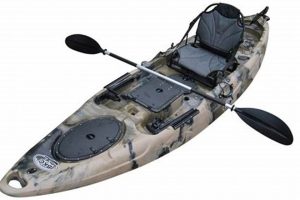
A high-value kayak offers optimal performance and features at a reasonable price point. This represents a significant advantage for consumers seeking quality without excessive expenditure. For example, a durable, stable recreational kayak with comfortable seating and ample storage, available at a mid-range price, embodies this concept.
Acquiring a well-made watercraft at an accessible price opens up paddling opportunities to a wider audience. This affordability factor can be the gateway to experiencing the enjoyment and health benefits of kayaking, from tranquil lake explorations to invigorating river runs. Historically, kayaking was often perceived as an expensive hobby. However, advancements in manufacturing and materials have led to more affordable options without sacrificing quality, making the sport more accessible than ever.
This article will delve into various kayak types, key features to consider, and recommended models, ultimately guiding readers toward informed purchasing decisions that align with their budget and paddling preferences. Factors such as intended use, material construction, and essential accessories will be explored.
Tips for Selecting a High-Value Kayak
Choosing a kayak that balances performance, features, and cost requires careful consideration. These tips offer guidance for making informed purchasing decisions.
Tip 1: Define Intended Use: Clarify whether the kayak will be used for recreational paddling, fishing, touring, or whitewater. Each activity demands specific hull designs and features.
Tip 2: Prioritize Stability vs. Speed: Wider kayaks offer greater stability, ideal for beginners or fishing. Longer, narrower kayaks prioritize speed, suited for touring or racing.
Tip 3: Consider Material and Construction: Polyethylene kayaks are durable and affordable but heavier. Fiberglass and composite kayaks are lighter and offer better performance but come at a premium.
Tip 4: Evaluate Seating and Comfort: A comfortable seat and adjustable backrest are crucial, especially for longer paddling trips. Look for ample legroom and adjustable footrests.
Tip 5: Assess Storage Capacity: Consider storage needs based on planned activities. Fishing kayaks often feature specialized storage compartments, while touring kayaks require ample dry storage.
Tip 6: Research Reputable Brands: Established brands often offer better warranties and customer support, contributing to long-term satisfaction.
Tip 7: Read Reviews and Compare Prices: Online reviews from other kayakers can offer valuable insights. Compare prices from different retailers to ensure a competitive purchase.
By carefully evaluating these factors, consumers can confidently select a kayak that meets their needs and budget without compromising quality or performance.
The following section will showcase some recommended kayak models based on different budgets and paddling styles.
1. Durability

Durability is a critical factor in determining a kayak’s long-term value. A kayak’s ability to withstand regular use, impacts, and environmental exposure directly influences its lifespan and overall cost-effectiveness. Investing in a durable kayak minimizes repair costs and ensures extended enjoyment on the water. This section explores the key facets of kayak durability related to material, construction, and maintenance.
- Material Selection
Kayak materials significantly influence durability. Polyethylene kayaks are known for their impact resistance and affordability, making them suitable for recreational use and rocky environments. Higher-end materials like fiberglass and composites offer superior strength-to-weight ratios and enhanced performance, but often come at a higher price point. Thermoformed ABS kayaks provide a balance of durability and performance.
- Construction Techniques
Construction methods play a vital role in a kayak’s structural integrity. Rotomolded polyethylene kayaks are generally more durable than those constructed with thinner, less robust processes. Careful examination of seams, joints, and fittings can reveal potential weak points. Reinforced areas, such as the keel and chines, contribute to increased resistance against abrasion and impact.
- UV Resistance
Exposure to ultraviolet radiation can degrade kayak materials over time, leading to fading, cracking, and reduced structural integrity. UV-resistant coatings and additives can significantly extend a kayak’s lifespan, especially in sunny climates. Proper storage, such as covering the kayak when not in use, also helps mitigate UV damage.
- Maintenance and Care
Proper maintenance practices contribute to a kayak’s long-term durability. Regular cleaning, rinsing with fresh water after use, and proper storage in a shaded area can prevent premature wear and tear. Addressing minor scratches and damage promptly can prevent further deterioration and maintain the kayak’s structural integrity.
By carefully considering these facets of durability, consumers can make informed decisions that align with their budget and paddling needs. A durable kayak represents a sound investment, ensuring years of reliable performance and enjoyment on the water. Ultimately, prioritizing durability contributes significantly to finding the best kayak for the money.
2. Stability and Tracking

Stability and tracking are fundamental performance characteristics directly influencing a kayak’s suitability and value. Stability refers to a kayak’s resistance to tipping, while tracking describes its ability to maintain a straight course. These attributes are intertwined and crucial for a positive paddling experience. A stable kayak instills confidence, particularly for beginners, while efficient tracking minimizes effort and maximizes enjoyment on the water. For example, a recreational kayak designed for calm lakes prioritizes stability with a wider hull, whereas a touring kayak emphasizes tracking with a longer, narrower design. Balancing these characteristics is essential for finding a kayak that offers optimal performance and value.
The interplay between stability and tracking affects paddling efficiency and overall enjoyment. A kayak that tracks poorly requires constant correction, leading to fatigue and frustration. Conversely, excessive stability can compromise maneuverability and speed. Consider a fishing kayak: Stability is paramount for casting and reeling, but moderate tracking capabilities are still needed for navigating to different fishing spots. Understanding this balance allows consumers to select a kayak optimized for their intended use and skill level. Investing in a kayak with appropriate stability and tracking characteristics contributes significantly to its overall value proposition.
Finding the best kayak for the money requires careful evaluation of stability and tracking in relation to intended use and paddling conditions. Beginners and recreational paddlers often benefit from wider, more stable hulls, while experienced kayakers might prioritize speed and efficiency offered by longer, narrower designs. Ultimately, a kayak’s value is enhanced when its stability and tracking characteristics align with the paddler’s needs and skill level, contributing to a safe, enjoyable, and efficient on-water experience. Prioritizing these performance attributes ensures a well-rounded and worthwhile investment.
3. Comfort and Features

Comfort and features significantly influence a kayak’s overall value proposition. While performance and durability are essential, a comfortable and well-equipped kayak enhances the paddling experience and justifies the investment. Optimal comfort allows for longer paddling sessions with reduced fatigue, promoting enjoyment and exploration. Thoughtfully designed features contribute to convenience, safety, and specialized functionality, depending on the intended use. Evaluating comfort and features in relation to price is crucial for discerning the best kayak for the money.
- Seating System
The seating system is paramount for comfort, especially during extended trips. Ergonomic designs with adjustable backrests, ample padding, and sufficient legroom contribute to a positive paddling experience. High-end kayaks often feature breathable mesh seats for enhanced ventilation and comfort in warm weather. A comfortable seating system reduces fatigue and allows paddlers to focus on enjoying their surroundings, maximizing the value of their investment.
- Storage Options
Adequate storage is essential for carrying gear, supplies, and personal belongings. Dry storage compartments protect valuables from water damage, while bungee cords and deck rigging offer convenient access to frequently used items. Fishing kayaks often include specialized storage for rods, tackle boxes, and other fishing gear. Ample and well-designed storage enhances practicality and convenience, increasing a kayak’s overall utility and value.
- Footrests and Braces
Adjustable footrests and braces provide crucial contact points for efficient paddling and maneuvering. Properly positioned footrests enhance stability, control, and power transfer, leading to a more comfortable and efficient paddling experience. Adjustable footrests accommodate paddlers of different heights, ensuring a customized fit and maximizing comfort and performance.
- Additional Features
Additional features, such as cup holders, paddle parks, and integrated rod holders, contribute to convenience and specialized functionality. While not essential, these features enhance the overall paddling experience and cater to specific needs. For example, a rudder system can improve tracking in windy conditions, while integrated fishing rod holders streamline the angling experience. Evaluating the value of these additional features in relation to their price and intended use is crucial for finding the best kayak for the money.
By carefully considering comfort and features, consumers can select a kayak that enhances their paddling experience and maximizes their investment. A comfortable and well-equipped kayak contributes to longer, more enjoyable outings, justifying its cost and solidifying its position as the best kayak for the money. Balancing comfort and features with price is a critical aspect of making an informed purchasing decision.
4. Intended Use

A kayak’s intended use is paramount when determining its value. Purchasing decisions must align with specific paddling needs and goals to maximize the return on investment. A kayak optimized for leisurely lake paddling differs significantly from one designed for ocean touring or whitewater rapids. Understanding intended use is therefore crucial for selecting the best kayak for the money.
- Recreational Paddling
Recreational kayaks prioritize stability and comfort for calm water excursions. These kayaks are often shorter, wider, and more affordable than specialized models, making them an excellent entry point for beginners. Features like adjustable seats, ample storage, and user-friendly designs enhance their value for casual paddling on lakes, ponds, and slow-moving rivers.
- Fishing Kayaks
Fishing kayaks offer specialized features like rod holders, tackle storage, and often, enhanced stability for casting and reeling. These features add cost, but for anglers, the increased functionality and convenience offer significant value. Sit-on-top designs are common, providing easy access to gear and greater stability when casting or landing fish. Selecting a fishing kayak optimized for specific fishing styles and target species further enhances its value.
- Touring Kayaks
Touring kayaks prioritize speed, efficiency, and storage capacity for longer journeys. Their longer, narrower hulls enhance tracking and glide, covering greater distances with less effort. Features like dry hatches, deck rigging, and rudders contribute to their value for multi-day trips and open-water paddling. The investment in these features is justified by the enhanced performance and capability required for extended expeditions.
- Whitewater Kayaks
Whitewater kayaks are specialized designs built for navigating rapids and challenging river conditions. Durability, maneuverability, and specialized safety features are paramount in this category. Shorter lengths, rounded hulls, and reinforced construction contribute to their ability to handle turbulent water. While these specialized features may increase cost, they are essential for safe and effective whitewater paddling, directly influencing the kayak’s value within this specific context.
Aligning intended use with kayak selection optimizes the balance between cost and performance. Investing in features relevant to specific paddling activities enhances the overall value proposition. Choosing a kayak tailored to its intended purpose ensures a more rewarding and cost-effective experience, ultimately delivering the best kayak for the money.
5. Overall Value
Overall value represents the culmination of factors contributing to a kayak’s worth, extending beyond the initial price tag. It encompasses durability, performance, features, and how effectively these elements align with intended use. A less expensive kayak lacking durability or essential features might offer lower overall value compared to a slightly more expensive model providing years of reliable service and enhanced performance. Consider a budget-friendly recreational kayak that necessitates frequent repairs or lacks adequate storage for planned excursions. Its initial low cost is offset by increased expenses and decreased utility, diminishing overall value. Conversely, a slightly more expensive kayak constructed from durable materials, offering comfortable seating, and ample storage might represent higher overall value due to its longevity and enhanced functionality. The connection between overall value and the “best kayak for the money” is therefore inextricably linked; the latter embodies the optimal balance of cost and the former’s encompassing qualities.
Understanding overall value empowers informed purchasing decisions, maximizing long-term satisfaction. Factors such as material selection, construction quality, and the inclusion of relevant features directly impact a kayak’s value proposition. For example, a fishing kayak equipped with integrated rod holders and specialized storage offers higher overall value to an angler compared to a recreational kayak lacking these features, even if the recreational model is less expensive. Similarly, a touring kayak constructed from lightweight, durable materials, offering ample storage and efficient tracking, provides greater value for long-distance paddling compared to a less expensive, heavier model lacking these attributes. Overall value considers not just the initial purchase price but also the long-term costs of ownership, including maintenance, repairs, and potential upgrades.
Prioritizing overall value ultimately leads to a more rewarding and cost-effective kayaking experience. Recognizing the interplay between price, durability, performance, and features enables discerning consumers to select a kayak aligned with their needs and budget, maximizing long-term enjoyment. Challenges such as navigating marketing claims and balancing desired features with budgetary constraints can be overcome by focusing on overall value. The pursuit of the “best kayak for the money” is therefore synonymous with seeking the highest overall value, ensuring not just a sound financial investment but also a source of lasting enjoyment on the water.
Frequently Asked Questions
This section addresses common inquiries regarding the selection of high-value kayaks, providing concise and informative responses to facilitate informed purchasing decisions.
Question 1: What is the average lifespan of a well-maintained kayak?
Kayak lifespan varies based on material and maintenance. Rotomolded polyethylene kayaks can last for decades with proper care, while fiberglass or composite kayaks, though potentially longer-lasting, require more diligent upkeep. Regular cleaning, UV protection, and prompt repairs contribute significantly to longevity.
Question 2: Are inflatable kayaks a good value option?
Inflatable kayaks offer portability and affordability, making them suitable for casual recreational use. However, they typically offer less durability and performance compared to hard-shell kayaks. Their value proposition depends on individual needs and priorities, particularly regarding portability and storage space.
Question 3: How important are kayak accessories in determining overall value?
Essential accessories such as paddles, personal flotation devices (PFDs), and appropriate safety gear contribute significantly to a safe and enjoyable paddling experience. While these represent additional costs, they are crucial for safety and should be factored into the overall budget.
Question 4: Can a high-value kayak be suitable for both recreational paddling and fishing?
Some crossover kayaks offer features suitable for both recreational paddling and fishing. However, specialized fishing kayaks provide enhanced stability, rod holders, and other features that significantly improve the angling experience. Determining the primary intended use helps prioritize features and maximize value.
Question 5: What factors should be considered when choosing a paddle?
Paddle selection should consider factors like kayak width, paddling style, and individual height. Longer paddles are generally suited for wider kayaks, while shorter paddles are appropriate for narrower designs. Lightweight materials reduce fatigue during longer paddling sessions.
Question 6: How does warranty coverage contribute to a kayak’s overall value?
A comprehensive warranty offers protection against manufacturing defects and can contribute significantly to a kayak’s long-term value. Evaluating warranty terms and conditions is essential for making an informed purchasing decision.
Careful consideration of these frequently asked questions provides a more comprehensive understanding of kayak selection, emphasizing the importance of balancing cost, performance, and intended use. Prioritizing overall value ensures long-term satisfaction and enjoyment on the water.
The subsequent section offers a concluding perspective on selecting the best kayak for the money.
Conclusion
Selecting the optimal kayak involves a nuanced evaluation of cost, performance, and intended use. Durability, stability, comfort, and specialized features contribute significantly to a kayak’s overall value. Prioritizing these factors, rather than solely focusing on the lowest price point, ensures a more rewarding and cost-effective paddling experience. Aligning kayak choice with specific paddling needs, whether recreational, fishing, touring, or whitewater, maximizes long-term satisfaction and return on investment.
Careful consideration of these elements empowers informed purchasing decisions, fostering lasting enjoyment on the water. The pursuit of value transcends initial cost, encompassing the long-term benefits of a durable, well-equipped, and appropriately designed kayak. Embracing this comprehensive approach ensures not only a sound financial investment but also a gateway to enriching experiences in the natural world.