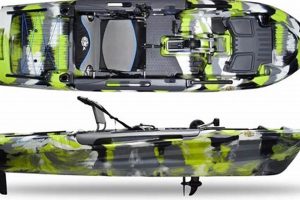
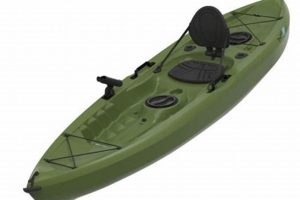
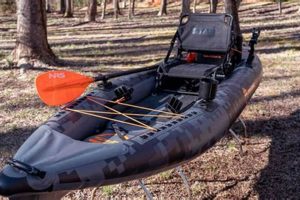
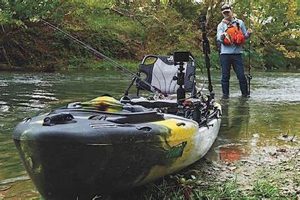
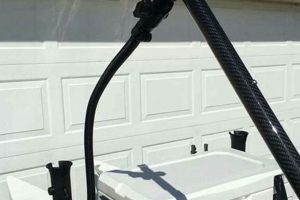
Specialized seating designed for angling from kayaks enhances comfort and stability, crucial for extended fishing trips. These seats typically feature elevated, adjustable backrests, often incorporating breathable mesh or padded materials for improved airflow and cushioning. Some models also offer adjustable footrests and swivel capabilities, allowing anglers greater freedom of movement and casting angles.
Ergonomic design plays a vital role in preventing fatigue and back pain during long hours on the water, contributing significantly to the overall fishing experience. Proper posture support and customized adjustability allow anglers to focus on fishing, maximizing their enjoyment and effectiveness. Historically, kayak anglers often endured less comfortable seating arrangements. The development of purpose-built seating has markedly improved both comfort and performance in the sport.
Further exploration will cover specific types of these specialized seats, key features to consider during selection, and recommendations for various kayak fishing styles.
Tips for Selecting Kayak Fishing Seats
Choosing appropriate seating is crucial for a comfortable and productive kayak fishing experience. Consider these factors to ensure optimal performance and enjoyment on the water.
Tip 1: Prioritize Adjustability: Seats offering adjustable backrests, height, and leg support accommodate individual body types and preferences, enhancing comfort and stability.
Tip 2: Evaluate Materials: Breathable mesh fabrics promote airflow, preventing overheating and moisture buildup during warm weather excursions. Durable, weather-resistant materials ensure longevity and withstand harsh conditions.
Tip 3: Consider Kayak Compatibility: Verify seat compatibility with the specific kayak model. Mounting systems and dimensions vary; ensure a proper and secure fit.
Tip 4: Assess Weight Capacity: Select a seat with an appropriate weight capacity to ensure safety and stability. Exceeding the recommended weight limit can compromise performance and safety.
Tip 5: Factor in Storage Options: Seats with built-in pockets or compartments offer convenient storage for essential fishing gear and accessories.
Tip 6: Think About Portability: Consider the seat’s weight and ease of installation and removal, especially if transporting or storing the kayak frequently.
Tip 7: Read Reviews: Consulting reviews from other anglers provides valuable insights into the comfort, durability, and performance of different seat models.
Careful consideration of these factors contributes significantly to an enhanced fishing experience, promoting comfort, stability, and overall enjoyment on the water.
By following these guidelines, anglers can make informed decisions, leading to a more productive and enjoyable time on the water.
1. Comfort

Comfort is paramount in kayak fishing, directly influencing an angler’s endurance, focus, and overall enjoyment. Prolonged periods on the water necessitate seating that minimizes fatigue and maximizes stability. An uncomfortable seat can detract from the fishing experience, leading to discomfort, distraction, and a shortened trip. The following facets of comfort are crucial when selecting appropriate kayak fishing chairs:
- Back Support
Adequate lumbar support is essential for maintaining proper posture and preventing back pain, especially during extended fishing sessions. High backrests with adjustable lumbar support systems distribute weight evenly, reducing strain on the spine. A poorly designed backrest can lead to discomfort and fatigue, hindering an angler’s ability to focus on fishing.
- Cushioning
Sufficient cushioning contributes significantly to overall comfort. Materials such as molded foam or inflatable bladders provide padding and conform to the body’s contours. Ample cushioning minimizes pressure points and absorbs shock from waves or kayak movement. Thin or inadequate padding can quickly become uncomfortable, leading to numbness and discomfort.
- Breathability
Breathability is vital for regulating body temperature and preventing discomfort from heat and moisture buildup. Mesh or perforated materials allow for air circulation, keeping the angler cool and dry, particularly in warm climates. Non-breathable materials can trap heat and moisture, leading to discomfort and skin irritation.
- Adjustability
Adjustability allows anglers to customize the seat to their individual body types and preferences. Features like adjustable backrests, seat height, and leg rests enable anglers to find the most comfortable and ergonomic position. This customization can alleviate pressure points and promote proper posture, contributing to long-term comfort and preventing fatigue. Limited adjustability restricts an angler’s ability to achieve a comfortable and supportive seating position.
By carefully considering these facets of comfort, anglers can select kayak fishing chairs that optimize their on-the-water experience. A comfortable and supportive seat promotes better posture, reduces fatigue, and allows for greater focus on fishing, ultimately leading to a more enjoyable and productive outing.
2. Stability
Stability forms a cornerstone of effective kayak fishing. A stable seating platform is essential for maintaining balance, executing precise casts, and efficiently reeling in catches. Compromised stability not only hinders fishing performance but also presents safety risks, particularly in challenging conditions such as windy weather or choppy water. A secure and stable seating position allows anglers to react quickly to fish strikes and maintain control of the kayak, minimizing the risk of capsizing. Specialized kayak fishing chairs contribute significantly to stability through several key design features. Wider bases and non-slip surfaces provide a secure platform, reducing unwanted movement and enhancing overall balance. Secure mounting systems ensure the chair remains firmly attached to the kayak, even during vigorous movements.
Consider the scenario of an angler battling a strong fish. A stable chair allows the angler to leverage body weight and maintain balance against the fish’s pull, preventing the kayak from tipping. Conversely, an unstable seat can lead to loss of balance and potentially capsize the kayak, jeopardizing both the angler and their equipment. The importance of stability is further amplified in challenging weather conditions. Strong winds and choppy water can destabilize a kayak, making a stable seating position even more critical for maintaining control and preventing accidents.
In summary, stability provided by well-designed kayak fishing chairs is paramount for both fishing performance and safety. A secure and stable platform optimizes casting, reeling, and overall control of the kayak, particularly in demanding situations. Choosing a chair that prioritizes stability significantly enhances the fishing experience and contributes to a safer and more enjoyable time on the water. This careful selection ultimately leads to a more productive and successful outing, minimizing the risks inherent in the sport.
3. Adjustability

Adjustability in kayak fishing chairs is paramount for comfort, performance, and accommodating diverse physiques and fishing styles. A chair offering multiple adjustment points allows anglers to customize their seating position, optimizing posture, stability, and casting angles. Key adjustable features include backrest angle, seat height, and leg support. The ability to fine-tune these elements significantly impacts long-term comfort, preventing fatigue and back pain during extended fishing trips. For instance, an angler targeting fish in shallow water might prefer a lower seat height for improved stability and leverage, while someone fishing in deeper water might opt for a higher position to enhance visibility and casting range.
Consider the scenario of two anglers with differing body types using the same kayak. Without adjustability, one angler might experience discomfort and restricted movement, while the other finds the seat adequately supportive. Adjustable features accommodate these individual needs, ensuring both anglers can achieve a comfortable and ergonomic fishing position. Furthermore, adjustability plays a crucial role in adapting to changing fishing conditions. An angler might adjust the backrest for greater support when fighting a strong fish or lower the seat for improved stability in windy conditions. This adaptability enhances performance and safety on the water.
In summary, adjustability in kayak fishing chairs is not merely a convenience but a critical factor impacting comfort, performance, and safety. The ability to customize seating position according to individual needs and changing conditions significantly enhances the overall fishing experience. Investing in a chair with robust adjustment features contributes to long-term comfort, improved fishing performance, and a safer, more enjoyable time on the water. Failing to prioritize adjustability can lead to discomfort, reduced effectiveness, and potentially compromise safety, highlighting its essential role in optimizing the kayak fishing experience.
4. Durability

Durability is a critical factor in kayak fishing chairs due to the demanding conditions they endure. Exposure to saltwater, UV radiation, and physical stresses necessitates robust construction and materials. A durable chair ensures longevity, minimizes maintenance, and provides consistent performance over time. Inferior materials degrade quickly, leading to discomfort, instability, and potential safety hazards. For example, a rust-prone frame can weaken the chair’s structure, compromising its stability and potentially leading to collapse. Similarly, UV degradation of fabrics can lead to tears and weakened support, impacting comfort and performance. Selecting chairs constructed from marine-grade materials, such as anodized aluminum frames and UV-resistant fabrics, mitigates these risks and ensures long-term reliability.
The practical significance of durability extends beyond mere longevity. A durable chair contributes to a safer and more enjoyable fishing experience. A sturdy frame and reliable components provide consistent support and stability, allowing anglers to focus on fishing without concerns about equipment failure. This is particularly important in challenging conditions, where a durable chair can withstand the added stress of rough water or unexpected movements. Investing in a durable kayak fishing chair ultimately translates to a higher return on investment, minimizing the need for frequent replacements and ensuring consistent performance throughout its lifespan.
In conclusion, durability is not simply a desirable feature but a crucial requirement for kayak fishing chairs. Choosing a chair built to withstand the rigors of the marine environment ensures long-term reliability, enhances safety, and contributes to a more enjoyable and productive fishing experience. Prioritizing durability minimizes long-term costs and ensures consistent performance, making it a crucial factor for any serious kayak angler. Neglecting this aspect can lead to premature wear and tear, potential safety hazards, and diminished enjoyment of the sport.
5. Material

Material selection significantly impacts the performance, comfort, and longevity of kayak fishing chairs. The marine environment presents unique challenges, including exposure to saltwater, UV radiation, and fluctuating temperatures. Choosing appropriate materials is crucial for withstanding these conditions and ensuring a positive fishing experience. For instance, aluminum frames offer corrosion resistance and lightweight durability, while stainless steel hardware provides superior strength and resistance to saltwater corrosion. These material choices directly impact the chair’s structural integrity and longevity, contributing to a safe and reliable platform for anglers.
Fabric selection also plays a vital role in comfort and durability. Breathable, quick-drying fabrics such as mesh or perforated synthetics enhance comfort in warm weather by promoting airflow and preventing moisture buildup. UV-resistant coatings protect against sun damage, extending the fabric’s lifespan and maintaining its structural integrity. Durable, water-resistant materials like marine-grade vinyl provide a robust seating surface that withstands abrasion and exposure to the elements. These material properties directly influence the chair’s ability to maintain comfort and structural integrity over time, contributing significantly to the overall fishing experience.
In summary, material selection is a critical aspect of kayak fishing chair design. Choosing materials that prioritize corrosion resistance, UV protection, and durability ensures long-term performance, comfort, and safety. Understanding the impact of material choices empowers anglers to make informed decisions when selecting appropriate seating, ultimately contributing to a more enjoyable and productive experience on the water. Failing to consider the importance of materials can lead to premature wear and tear, discomfort, and potential safety risks, highlighting the practical significance of this understanding within the broader context of kayak fishing.
Frequently Asked Questions
This section addresses common inquiries regarding kayak fishing chairs, providing concise and informative responses to facilitate informed decision-making.
Question 1: How does one determine the appropriate chair size for a specific kayak?
Kayak compatibility varies among chair models. Consulting manufacturer specifications and measuring the kayak’s seating area ensures proper fit and secure installation. Consider available space and mounting points within the kayak’s cockpit.
Question 2: What maintenance is required for kayak fishing chairs?
Regular cleaning with mild soap and water removes dirt and saltwater residue. Rinsing after each use and allowing the chair to dry completely prevents mildew and corrosion. Inspecting hardware and tightening loose bolts ensures structural integrity.
Question 3: Can kayak fishing chairs be used on other types of boats?
While designed for kayaks, certain models might adapt to canoes or small boats with appropriate modifications and secure mounting solutions. Stability and compatibility depend on the specific boat and chair design.
Question 4: What are the key differences between high-end and budget-friendly options?
High-end models typically offer superior materials, advanced adjustability features, enhanced comfort, and greater durability. Budget-friendly options provide essential functionality at a lower price point, potentially compromising on some features or longevity.
Question 5: Are there specific safety considerations when using these chairs?
Ensuring proper installation and adhering to weight capacity limits is crucial for safety. Maintaining a low center of gravity within the kayak enhances stability. Using a personal flotation device is always recommended.
Question 6: How does one choose between inflatable and framed kayak fishing chairs?
Inflatable chairs offer portability and compact storage, while framed chairs provide greater stability and support. The choice depends on individual preferences, fishing style, and storage considerations. Inflatable options suit occasional use and transport, while framed models are preferred for frequent use and enhanced stability.
Careful consideration of these factors contributes to a more informed purchasing decision, ensuring optimal comfort, performance, and safety on the water.
This concludes the frequently asked questions section. The following segment will explore advanced techniques for maximizing comfort and stability while kayak fishing.
Kayak Fishing Chairs
Kayak fishing chairs represent a significant advancement in angling comfort and performance. This exploration has highlighted the crucial role of proper seating in enhancing stability, reducing fatigue, and optimizing fishing effectiveness. Material selection, adjustability, durability, and comfort features contribute significantly to the overall experience on the water. Careful consideration of these factors empowers anglers to select appropriate seating that meets individual needs and enhances fishing success.
Ultimately, the appropriate choice of kayak fishing chair directly impacts the angler’s ability to fully engage with the sport. Investing in quality seating elevates the fishing experience, promoting long-term enjoyment, improved performance, and a greater appreciation for the intricacies of kayak angling. This understanding underscores the importance of informed decision-making when selecting equipment, contributing to a safer, more comfortable, and ultimately more rewarding pursuit on the water.