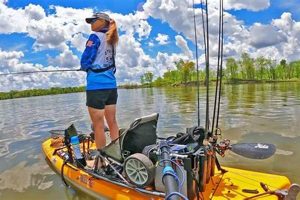
This activity involves angling in shallow, vegetated wetlands from a small, human-powered boat. It offers a unique blend of angling and exploration, enabling access to areas often unreachable by larger vessels. Imagine navigating narrow waterways bordered by reeds and grasses, casting lines into tranquil waters teeming with fish.
The advantages of this approach are numerous. It provides a stealthy method for approaching fish, minimizing disturbance and maximizing catch potential. The low profile of the vessel allows anglers to get closer to the water, improving casting accuracy and providing a more intimate connection with the environment. Historically, small boats have been utilized for fishing in shallow waters, demonstrating a long-standing appreciation for the effectiveness and accessibility of this technique. Modern advancements in kayak design and fishing gear have further enhanced the experience, improving stability, comfort, and angling success.
The subsequent sections will explore various aspects of this specialized fishing method, including recommended equipment, effective techniques, ideal locations, and essential safety considerations. A deeper understanding of these elements can significantly enhance the experience, promoting both enjoyment and responsible engagement with this unique angling pursuit.
Tips for Marsh Fishing from a Kayak
Successful marsh fishing from a kayak requires careful planning and execution. The following tips offer valuable insights for enhancing angling success and ensuring a safe and enjoyable experience.
Tip 1: Prioritize Stability: Selecting a kayak designed for stability is crucial, especially in shallow, vegetated waters. Wider hulls and flat bottoms offer increased stability compared to narrower, more agile designs. Stability enhances casting accuracy and reduces the risk of capsizing.
Tip 2: Utilize Specialized Equipment: Rods and reels designed for shorter casts and lighter lures are optimal. A shallow-water anchor facilitates maintaining position in desired locations. A landing net with a long handle simplifies retrieving fish in the confined space of a kayak.
Tip 3: Employ Stealth Tactics: Minimizing noise and movement is essential for approaching fish in shallow water. Paddle smoothly and quietly, avoiding sudden movements that may spook fish. Neutral-colored clothing and gear further enhance concealment.
Tip 4: Understand Tidal Influences: Tides significantly impact fish behavior and movement in marsh environments. Incoming tides often bring baitfish and predatory species closer to shore, while outgoing tides can concentrate fish in deeper channels. Consult tide charts before venturing out.
Tip 5: Navigate Vegetation Effectively: Kayaks allow access to areas thick with vegetation, where fish often seek refuge. Learning to navigate these areas efficiently, using a push pole or paddle, increases fishing opportunities. Avoid excessive noise when moving through vegetation.
Tip 6: Practice Catch and Release Techniques: Conservation-minded practices are crucial for maintaining healthy fish populations. Handle fish gently and minimize their time out of the water. Use appropriate hooks and tools for efficient release.
Tip 7: Prioritize Safety: Wear a personal flotation device and carry essential safety equipment, including a whistle, signaling device, and first-aid kit. Inform someone of your fishing plans and expected return time. Be aware of weather conditions and avoid venturing out in hazardous conditions.
By implementing these strategies, anglers can significantly improve their chances of success while ensuring a safe and rewarding experience. Careful preparation and a thorough understanding of the marsh environment contribute to a more fulfilling angling adventure.
The following section will explore ideal locations for marsh fishing, providing further insights for planning successful excursions.
1. Stealth

Stealth plays a critical role in kayak marsh fishing success. Fish in shallow marsh environments are often easily spooked by noises and disturbances. Kayaks, by their nature, offer a significant advantage in stealth compared to larger motorized boats. Their smaller profile and quiet operation allow anglers to approach fish with minimal disruption, increasing the likelihood of a successful catch. Consider a scenario where an angler attempts to approach a school of redfish tailing in shallow water. A noisy motor would likely scatter the fish, whereas a quiet approach in a kayak allows the angler to get within casting range undetected.
The inherent stealth of kayaks can be further enhanced through angler behavior and equipment choices. Minimizing paddle splashes, avoiding sudden movements, and utilizing muted colors for clothing and gear contribute to a lower profile. Specialized fishing kayaks often feature designs that minimize hull slap and water displacement, further reducing noise and disturbance. The impact of these practices is substantial; a quiet approach can mean the difference between a successful fishing trip and an empty cooler. For example, an angler quietly drifting along a reed-lined bank is far more likely to encounter wary species like snook than one making excessive noise.
Mastering the art of stealth in kayak marsh fishing significantly increases angling effectiveness. This understanding allows anglers to capitalize on the inherent advantages of kayaks, maximizing their chances of success in these unique and productive environments. While stealth requires conscious effort and attention to detail, the rewards are significant, leading to more frequent encounters with target species and a more immersive connection with the natural world. The challenge lies in balancing stealth with effective fishing techniques, but the resulting rewards make the effort worthwhile.
2. Stability

Stability is a paramount consideration in kayak marsh fishing. The shallow, often vegetated waters of marshes present unique challenges to kayak anglers. A stable platform is essential for casting accurately, retrieving fish effectively, and navigating through narrow channels and thick vegetation. Compromised stability increases the risk of capsizing, especially when battling strong currents or larger fish. Consider the scenario of hooking a sizable redfish in a shallow, weed-choked area. A stable kayak allows the angler to maintain control during the fight, whereas an unstable kayak could easily tip, resulting in a lost fish and a potentially dangerous situation.
Several factors influence kayak stability. Hull design plays a crucial role; wider, flatter hulls generally offer greater stability than narrower, V-shaped hulls. The angler’s center of gravity also affects stability. Distributing weight evenly and maintaining a low center of gravity enhances stability, while sudden movements or leaning too far to one side can compromise it. Additional factors such as wind, currents, and waves further impact stability. Understanding these factors and selecting a kayak appropriate for the intended environment is critical for a safe and successful fishing experience. For instance, a wider, sit-on-top kayak provides greater stability in calm, shallow marshes, while a narrower, sit-in kayak might be suitable for deeper, open-water marsh areas with moderate currents.
Prioritizing stability in kayak selection and fishing practices significantly enhances safety and effectiveness in marsh environments. A stable kayak enables anglers to focus on fishing rather than constantly battling to maintain balance. This translates to improved casting accuracy, more efficient fish retrieval, and a greater overall enjoyment of the experience. While stability may sometimes come at the expense of maneuverability or speed, it remains a crucial factor for success and safety in the challenging conditions presented by marsh fishing. Choosing a kayak and practicing techniques that maximize stability ultimately contributes to a more rewarding and secure angling adventure.
3. Shallow Draft

Shallow draft is a defining characteristic of kayaks and a significant advantage in the context of marsh fishing. Marshes are characterized by shallow, often fluctuating water levels, and a shallow draft allows kayaks to access areas inaccessible to larger, deeper-hulled boats. This advantage opens up a wealth of fishing opportunities, allowing anglers to explore secluded creeks, shallow flats, and densely vegetated areas where fish often concentrate.
- Accessibility to Shallow Areas:
Kayaks, with their minimal draft, can navigate extremely shallow water, often mere inches deep. This allows anglers to reach secluded ponds, backwater channels, and shallow flats teeming with fish that would be unreachable by larger vessels. Imagine a shallow cove hidden within a vast marsh, accessible only by a shallow-draft vessel. Such areas often hold significant populations of fish seeking refuge from predators or foraging in the rich, shallow-water ecosystems.
- Reduced Disturbance to Fish:
A shallow draft minimizes disturbance to the environment and the fish within it. Unlike deeper-hulled boats that create larger wakes and stir up sediment, kayaks glide through the water with minimal impact, reducing the likelihood of spooking fish, particularly in clear, shallow water. This is crucial when targeting wary species in clear, shallow flats where any disturbance can send them fleeing.
- Navigation through Dense Vegetation:
Many marshes are characterized by dense vegetation, including submerged grasses, reeds, and lily pads. A shallow draft allows kayaks to navigate these areas with relative ease, pushing through vegetation that would impede deeper-draft boats. This ability opens up prime fishing locations where fish often seek shelter and ambush prey. For example, navigating through a dense patch of lily pads can lead to an encounter with largemouth bass lurking beneath the surface.
- Adaptability to Changing Water Levels:
Water levels in marshes can fluctuate significantly due to tides, rainfall, and seasonal variations. A shallow draft allows kayaks to adapt to these changes, maintaining access to fishing areas even when water levels drop. This adaptability is crucial for consistent fishing success, particularly in tidal marshes where water levels change dramatically throughout the day.
The shallow draft of kayaks is integral to their effectiveness in marsh fishing. It provides unparalleled access to shallow, vegetated areas, minimizes disturbance to fish, and allows navigation through challenging environments. These advantages combine to create a unique and highly effective fishing platform, allowing anglers to explore the hidden gems within the marsh ecosystem and connect with nature on a deeper level. The ability to quietly and effectively navigate these shallow waters is what sets kayak marsh fishing apart and makes it such a rewarding pursuit.
4. Accessibility
Accessibility represents a defining advantage of kayak marsh fishing, distinguishing it from other angling methods. Kayaks grant access to shallow, secluded waters often unreachable by larger boats, unlocking a realm of fishing opportunities previously unavailable. This unique accessibility expands the range of fishable water and fosters a closer connection with the natural environment.
- Physical Access to Remote Locations:
Kayaks navigate shallow creeks, narrow channels, and densely vegetated areas impenetrable by larger vessels. This allows anglers to explore pristine, undisturbed habitats teeming with fish. Imagine paddling through a narrow, winding creek, surrounded by towering reeds and the sounds of nature, to reach a secluded pond brimming with bass. This level of access unlocks unique fishing opportunities and fosters a deeper appreciation for the natural world.
- Reduced Reliance on Boat Ramps and Marinas:
Kayak launching requires minimal infrastructure. They can be launched from shorelines, small docks, or even carried short distances to access remote waters. This reduces dependence on developed boat ramps and marinas, opening up a wider range of fishing locations. An angler can easily transport a kayak on a car roof rack and launch from virtually any accessible shoreline, significantly expanding the range of fishable waters.
- Affordability and Ease of Transport:
Kayaks generally represent a lower cost of entry compared to motorized boats. Their smaller size simplifies storage and transport, making them a practical option for anglers with limited space or resources. This affordability and ease of transport make kayak fishing accessible to a wider range of individuals, regardless of their budget or storage capacity.
- Enhanced Engagement with the Environment:
The low profile and quiet operation of kayaks promote a more intimate connection with the marsh environment. Anglers experience the sights, sounds, and tranquility of nature in a way often unattainable from larger, motorized vessels. Paddling through the calm waters of a marsh, surrounded by wildlife and vegetation, offers a unique perspective and a deeper appreciation for the delicate ecosystem.
The enhanced accessibility provided by kayaks fundamentally transforms the marsh fishing experience. It expands angling opportunities, reduces logistical barriers, and fosters a deeper connection with nature. This combination of factors contributes to the growing popularity of kayak marsh fishing and its recognition as a uniquely rewarding angling pursuit. By providing access to previously unreachable waters and offering a more intimate connection with the environment, kayaks have revolutionized the way anglers experience the marsh and its abundant fishing opportunities.
5. Specialized Equipment

Specialized equipment plays a crucial role in successful kayak marsh fishing. The unique challenges and opportunities presented by this environment necessitate gear tailored to shallow water, dense vegetation, and specific target species. Appropriate equipment enhances angler effectiveness, safety, and overall enjoyment.
- Kayak Selection:
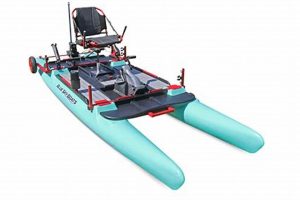
Kayak choice significantly impacts marsh fishing success. Sit-on-top kayaks are generally preferred for their stability, self-bailing capabilities, and ease of entry and exit in shallow water. Shorter, wider kayaks offer enhanced maneuverability in tight spaces and increased stability for casting and fighting fish. Longer, narrower kayaks may be suitable for larger, more open marsh areas where speed and tracking are prioritized. Specific features, such as rod holders, anchor trolleys, and storage compartments designed for fishing gear, further enhance functionality.
- Fishing Rods and Reels:
Shorter, lighter rods (6-7 feet) are ideal for casting in the confined space of a kayak and maneuvering through vegetation. Baitcasting reels are often preferred for their durability and line capacity when targeting larger species, while spinning reels offer versatility and ease of use for lighter lures and presentations. Rod and reel selection should align with target species and fishing techniques employed. For instance, a shorter, heavier rod paired with a baitcasting reel is suitable for targeting larger redfish or black drum, while a lighter spinning setup is better suited for speckled trout or flounder.
- Tackle and Lures:
Lure selection should consider the shallow-water environment and target species. Weedless lures, such as soft plastic jerkbaits and topwater frogs, are essential for fishing in vegetated areas. Shallow-diving crankbaits and spoons can be effective for targeting fish in open water. Live bait, such as shrimp or small fish, can also be highly productive. A well-organized tackle system is crucial for efficient lure changes and storage in the limited space of a kayak.
- Safety and Navigation Equipment:
Safety equipment is paramount in any kayak fishing situation, especially in remote marsh environments. A personal flotation device (PFD) is essential and should be worn at all times. A paddle leash prevents accidental loss of the paddle, and a bilge pump or bailer is useful for removing water from the kayak. Navigation tools, such as a GPS unit, compass, and charts, are crucial for navigating complex waterways and ensuring safe return. A first-aid kit and communication device (e.g., VHF radio, cell phone in a waterproof case) are also essential safety precautions.
The selection and utilization of specialized equipment significantly impact kayak marsh fishing success. Proper gear enhances angling effectiveness, allowing access to prime fishing locations and improving catch rates. Furthermore, prioritizing safety equipment promotes a secure and enjoyable experience. Careful consideration of these factors allows anglers to fully capitalize on the unique opportunities presented by this specialized fishing environment, maximizing both safety and enjoyment on the water.
6. Tidal Knowledge

Tidal knowledge is essential for successful kayak marsh fishing. Tides significantly influence fish behavior, movement, and accessibility within the marsh ecosystem. Understanding tidal cycles, currents, and their impact on fish allows anglers to optimize fishing strategies and maximize catch potential. Ignoring tidal influences can lead to unproductive fishing trips and missed opportunities.
- Tidal Currents and Fish Movement:
Tidal currents transport baitfish, nutrients, and dissolved oxygen, influencing the movement and feeding patterns of game fish. Incoming tides often bring fish closer to shore, flooding shallow flats and creeks where they forage for food. Outgoing tides concentrate fish in deeper channels and pools as water recedes. Recognizing these patterns allows anglers to position themselves strategically and target specific areas based on tidal flow. For example, fishing near creek mouths during an incoming tide can intercept redfish moving onto the flats to feed. Conversely, targeting deeper channels during an outgoing tide can be productive for species seeking refuge.
- Water Depth and Accessibility:
Tides dictate water depth, influencing accessibility within the marsh. High tides allow kayaks access to shallow areas otherwise unreachable, opening up new fishing grounds. Low tides expose flats and shallows, concentrating fish and potentially creating challenging navigation conditions. Understanding tidal stages is crucial for planning routes and avoiding grounding or becoming stranded. For instance, a high tide may allow access to a shallow cove holding largemouth bass, while a low tide may restrict access or even create a shallow wading opportunity.
- Tidal Influence on Baitfish Behavior:
Baitfish, a primary food source for many game fish, are heavily influenced by tidal currents. They often concentrate in areas where currents bring food and oxygen. Understanding baitfish behavior and how tides affect their distribution is key to locating and targeting game fish. Fishing near baitfish concentrations increases the likelihood of encountering predatory species actively feeding. For example, during a falling tide, baitfish may be swept out of a marsh creek and concentrate near the mouth, attracting redfish and speckled trout.
- Tidal Charts and Predictions:
Utilizing tide charts and prediction tools is crucial for planning kayak marsh fishing trips. These resources provide information on high and low tide times, tidal ranges, and current speeds. Consulting tide charts allows anglers to anticipate water levels, plan routes, and select optimal fishing times based on target species and desired fishing locations. Accurate tidal information is essential for maximizing fishing time and avoiding potentially hazardous situations, particularly in areas with strong currents or rapidly changing tides.
A thorough understanding of tidal influences is integral to successful kayak marsh fishing. By integrating tidal knowledge into fishing strategies, anglers can predict fish movement, access prime fishing locations, and optimize their approach for specific species and conditions. This knowledge allows anglers to effectively navigate the dynamic marsh environment, maximizing their chances of success and enhancing their overall fishing experience. Ultimately, tidal awareness translates to increased catch rates, greater efficiency, and a deeper appreciation for the intricate workings of the marsh ecosystem.
Frequently Asked Questions about Kayak Marsh Fishing
This section addresses common inquiries regarding kayak marsh fishing, providing concise and informative responses to facilitate a deeper understanding of this specialized angling pursuit.
Question 1: What type of kayak is best suited for marsh fishing?
Sit-on-top kayaks are generally recommended due to their stability, self-bailing capabilities, and ease of entry/exit in shallow water. Wider, shorter models enhance maneuverability within confined marsh environments.
Question 2: What essential safety equipment is required?
A personal flotation device (PFD) is mandatory. A paddle leash, bilge pump or bailer, signaling device, first-aid kit, and communication device are also highly recommended. Navigation tools, such as a GPS, compass, and charts, are crucial, especially in unfamiliar areas.
Question 3: How does tidal flow impact fishing success?
Tides significantly influence fish movement and feeding patterns. Incoming tides bring fish closer to shore, while outgoing tides concentrate them in deeper channels. Understanding tidal cycles and their impact on target species is crucial for optimizing fishing strategies.
Question 4: What fishing techniques are most effective in marshes?
Casting weedless lures, such as soft plastic jerkbaits and topwater frogs, is effective in vegetated areas. Shallow-diving crankbaits and spoons are productive in open water. Live bait can also be highly effective. Adapting techniques to specific conditions and target species is essential.
Question 5: How can anglers minimize environmental impact?
Practicing catch and release, properly disposing of fishing line and other waste, and avoiding disturbance of vegetation and wildlife contribute to responsible marsh conservation. Respecting the delicate ecosystem ensures its preservation for future generations.
Question 6: What are the primary challenges faced by kayak marsh anglers?
Navigating shallow water and dense vegetation can be challenging. Wind, currents, and changing tides can also create difficult conditions. Proper planning, appropriate equipment, and adherence to safety guidelines mitigate these challenges.
Understanding these key aspects contributes to a safer and more productive kayak marsh fishing experience. Thorough preparation and a respect for the environment enhance enjoyment and contribute to conservation efforts.
The following section will provide further details on recommended fishing locations and species-specific techniques.
Kayak Marsh Fishing
This exploration has highlighted the multifaceted nature of kayak marsh fishing, emphasizing its unique advantages and inherent challenges. From the stealthy approach afforded by a small, human-powered vessel to the specialized equipment and techniques required for success, the nuances of this angling pursuit demand careful consideration. The critical role of tidal knowledge, the importance of stability and a shallow draft, and the accessibility to otherwise unreachable fishing grounds collectively contribute to the rewarding experience offered by this specialized method.
The future of kayak marsh fishing hinges on responsible engagement and a commitment to conservation. Respect for the delicate balance of the marsh ecosystem, adherence to sustainable fishing practices, and a dedication to preserving these unique environments will ensure the continued enjoyment of this rewarding pursuit for generations to come. As anglers increasingly seek immersive and sustainable fishing experiences, kayak marsh fishing offers a path forward, connecting individuals with nature while promoting responsible stewardship of these valuable resources.