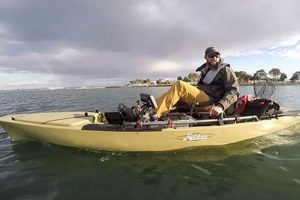
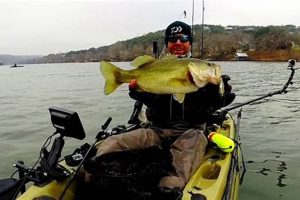
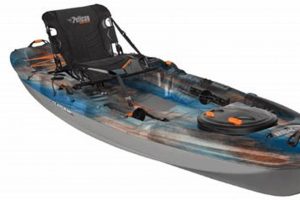
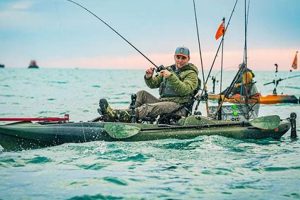
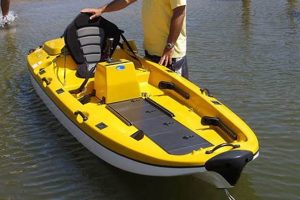
Customizing kayaks for angling involves adaptations ranging from simple rod holder installations to complex modifications like livewells and outriggers. These personalized watercraft are crafted to meet individual fishing needs and preferences, often utilizing readily available materials and online tutorials. An example includes converting a recreational kayak into a fishing platform by adding rod holders, anchor trolleys, and storage compartments.
Creating a personalized fishing kayak offers several advantages, including cost savings compared to purchasing a pre-outfitted model, the satisfaction of a custom build, and the ability to tailor the vessel precisely to the angler’s requirements. Historically, anglers have adapted their watercraft for fishing, reflecting the ongoing evolution of kayak design and the drive for increased functionality. This spirit of innovation continues to fuel the popularity of personalized fishing kayak construction.
This exploration will delve into various aspects of kayak customization, covering topics such as essential equipment, popular modifications, safety considerations, and responsible angling practices. Further sections will provide practical guidance and resources for individuals interested in undertaking such projects.
Tips for Kayak Fishing Projects
Careful planning and execution are crucial for successful kayak fishing modifications. These tips offer guidance for various project stages, from initial design to final implementation.
Tip 1: Prioritize Stability: Modifications should not compromise the kayak’s inherent stability. Consider the impact of added weight and equipment on balance, particularly in challenging conditions.
Tip 2: Select Appropriate Materials: Marine-grade materials are essential for longevity and durability in harsh aquatic environments. Choose corrosion-resistant fasteners and hardware.
Tip 3: Plan Placement Carefully: Consider ergonomics and accessibility when positioning rod holders, fish finders, and other accessories. Equipment should be within easy reach without hindering paddling or casting.
Tip 4: Research Thoroughly: Consult reputable sources, online forums, and experienced kayak anglers before undertaking modifications. Careful research mitigates potential problems and ensures project success.
Tip 5: Test Modifications Incrementally: Test alterations in calm, controlled environments before venturing into open water. This allows for adjustments and fine-tuning to optimize performance.
Tip 6: Prioritize Safety: Always wear a personal flotation device and carry essential safety equipment. Inform someone of planned fishing locations and estimated return times.
Tip 7: Consider Weight Capacity: Be mindful of the kayak’s weight capacity, including gear, anglers, and any added modifications. Exceeding the limit can compromise stability and safety.
Tip 8: Practice Ethical Angling: Adhere to local fishing regulations and practice catch-and-release whenever possible. Respect the environment and minimize impact on aquatic ecosystems.
Implementing these tips will contribute to a safer, more enjoyable, and productive kayak fishing experience. Careful planning and thoughtful execution are essential for maximizing project outcomes.
By incorporating these recommendations, anglers can enhance their kayak fishing experience while ensuring safety and responsible enjoyment of the sport. Further exploration of specific project examples will provide practical insights for implementing these guidelines.
1. Planning

Successful fishing kayak modifications hinge on meticulous planning. A well-defined plan mitigates potential issues, optimizes resource allocation, and ensures the final product aligns with the angler’s specific needs and fishing style. Careful consideration of various factors during the planning phase is crucial for project success.
- Needs Assessment
Defining specific fishing requirements is paramount. Factors such as target species, fishing locations, and preferred techniques influence customization choices. For example, an angler targeting large offshore species requires different modifications compared to someone fishing in calm, shallow waters. A clear understanding of individual needs informs subsequent design decisions.
- Budgeting and Material Selection
Establishing a realistic budget and sourcing appropriate materials are essential steps. Researching material costs, availability, and suitability for the intended environment ensures cost-effectiveness and project feasibility. Choosing marine-grade components, for instance, minimizes corrosion and extends the lifespan of modifications.
- Design and Layout
Creating a detailed design and layout optimizes functionality and ergonomics. Careful consideration of equipment placement, weight distribution, and accessibility enhances on-water performance. Visualizing the layout through sketches or digital models aids in identifying potential conflicts and refining design choices before implementation.
- Timeline and Skill Assessment
Establishing a realistic timeline and assessing personal skill levels are critical for project management. Breaking down the project into manageable stages with defined deadlines promotes efficient progress. Recognizing skill limitations and seeking assistance when necessary ensures project completion and avoids costly mistakes.
These planning facets are interconnected and contribute significantly to the overall success of fishing kayak DIY projects. A comprehensive plan provides a roadmap for project execution, minimizing unforeseen challenges and maximizing the likelihood of creating a functional and personalized fishing platform. By adequately addressing each element during the planning phase, anglers can embark on their DIY projects with confidence, ensuring efficient resource utilization and a final product that meets their unique fishing requirements.
2. Customization

Customization lies at the heart of fishing kayak DIY projects, offering anglers the opportunity to tailor their vessels precisely to individual needs and preferences. This personalization extends beyond aesthetics, directly impacting functionality and on-water performance. The ability to select specific modifications allows anglers to optimize their kayaks for targeted fishing styles and environments. For example, an angler focusing on trolling might prioritize installing rod holders and a fish finder, while someone specializing in fly fishing might favor modifications that enhance stability and casting space. This inherent flexibility distinguishes DIY projects from commercially available fishing kayaks, empowering anglers to create truly personalized fishing platforms. The relationship between customization and DIY projects is symbiotic; the desire for tailored features fuels the undertaking of these projects, and the project itself provides the canvas for realizing these customizations.
Practical examples further illustrate the significance of customization. Adding specialized storage compartments accommodates specific tackle and gear, optimizing organization and accessibility. Integrating anchor trolleys allows for precise boat control in various current conditions, enhancing fishing effectiveness. Installing custom lighting systems facilitates safe navigation during low-light excursions. These modifications, driven by individual needs, underscore the transformative power of customization in DIY fishing kayak projects. The process of customizing not only enhances the kayak’s functionality but also fosters a deeper connection between the angler and their vessel, promoting a sense of ownership and pride in the finished product.
Customization, therefore, represents a defining characteristic of fishing kayak DIY projects. It allows anglers to move beyond the limitations of pre-configured kayaks, creating bespoke fishing platforms that precisely match individual requirements and enhance the overall fishing experience. The careful consideration of individual needs, combined with the thoughtful integration of tailored modifications, empowers anglers to maximize their on-water effectiveness, comfort, and enjoyment. While challenges such as material selection and construction techniques may arise, the resulting personalized kayak stands as a testament to the value and fulfillment inherent in these projects.
3. Materials
Material selection is paramount in fishing kayak DIY projects, directly influencing the project’s durability, performance, and overall success. The marine environment presents unique challenges, demanding materials that withstand constant exposure to water, sunlight, and potentially harsh weather conditions. Choosing appropriate materials ensures the longevity of modifications and contributes to a safe and enjoyable fishing experience.
- Marine-Grade Hardware
Corrosion resistance is crucial for hardware used in kayak modifications. Marine-grade stainless steel fasteners, screws, and bolts prevent rust and degradation, ensuring structural integrity over time. Using inferior materials can lead to failures, compromising safety and necessitating costly repairs. For example, opting for stainless steel over galvanized steel for mounting rod holders prevents rust streaks and ensures a secure hold in saltwater environments. This careful selection of hardware contributes significantly to the long-term durability of the kayak and its modifications.
- High-Density Polyethylene (HDPE)
Many kayaks are constructed from HDPE, a durable and UV-resistant plastic. When undertaking modifications that require cutting or shaping the kayak’s hull, using HDPE sheets or blocks for repairs and additions ensures material compatibility and a seamless finish. Employing a different material could lead to bonding issues or create weak points in the structure. HDPE’s resilience to impacts and its ability to be readily molded or welded makes it an ideal choice for modifications like hatch installations or creating custom storage compartments.
- Marine-Grade Sealants and Adhesives
Creating watertight seals is essential in kayak modifications. Marine-grade sealants and adhesives prevent leaks and protect the kayak’s structural integrity. Standard sealants may degrade quickly in marine environments, leading to water intrusion and potential damage. Using a high-quality marine sealant around installed hardware or when joining HDPE components ensures a durable, watertight bond, essential for maintaining the kayak’s buoyancy and preventing internal damage.
- UV-Resistant Line and Cordage
Anchor trolleys, rod leashes, and other rigging components require UV-resistant line and cordage. Standard nylon or polyester rope can weaken and break down when exposed to prolonged sunlight. Marine-grade rope, specifically designed for UV resistance, maintains its strength and durability, ensuring the reliability of essential fishing accessories. This careful selection contributes to the overall safety and functionality of the modified kayak.
The judicious selection of materials in fishing kayak DIY projects is essential for long-term functionality, safety, and enjoyment. Using marine-grade components ensures durability in harsh environments, while appropriate plastics and adhesives maintain structural integrity. By prioritizing suitable materials, anglers create modifications that withstand the rigors of the marine environment, enhancing the overall fishing experience and ensuring the longevity of their customized kayak. Ignoring these material considerations can lead to premature wear, equipment failure, and potentially compromise safety.
4. Construction

Construction represents a critical phase in fishing kayak DIY projects, bridging the gap between design and functionality. Proper construction techniques ensure the structural integrity, safety, and longevity of modifications. This stage demands precision, attention to detail, and an understanding of material properties to achieve desired outcomes. The following facets highlight key considerations during the construction process.
- Structural Integrity
Maintaining the kayak’s structural integrity is paramount. Modifications should not compromise the hull’s strength or stability. Reinforcements may be necessary when adding substantial weight or altering stress points. For instance, installing a heavy fish finder requires reinforcing the mounting area to prevent cracks or deformation. Failure to address structural integrity can lead to catastrophic failure on the water, jeopardizing safety.
- Waterproofing
Preventing water intrusion is crucial, especially for modifications involving penetrations through the hull. Proper sealing techniques, using marine-grade sealants and adhesives, are essential. For example, installing through-hull fittings for scupper holes or wiring requires meticulous sealing to prevent leaks. Inadequate waterproofing can lead to waterlogging, compromising stability and potentially damaging internal components.
- Fastener Selection and Installation
Selecting appropriate fasteners and employing correct installation methods are vital for secure and durable modifications. Marine-grade stainless steel fasteners resist corrosion and provide lasting strength. Over-tightening or under-tightening fasteners can compromise the kayak’s structure or lead to premature failures. For instance, using appropriate length screws when attaching rod holders ensures they can withstand the stress of a hooked fish without pulling free. Correct fastener selection and installation prevent structural weakening and ensure the longevity of modifications.
- Ergonomics and Functionality
Construction techniques should prioritize ergonomics and functionality. Placement of accessories, such as rod holders, fish finders, and storage compartments, should maximize accessibility and efficiency while paddling and fishing. Poorly positioned equipment can hinder movement, create discomfort, or interfere with casting. For example, positioning rod holders within easy reach but clear of paddling strokes ensures efficient retrieval and minimizes interference. Prioritizing ergonomics during construction enhances the overall fishing experience.
These interconnected construction facets significantly influence the success of fishing kayak DIY projects. Attention to structural integrity, waterproofing, fastener selection, and ergonomics ensures that modifications are durable, functional, and safe. By adhering to proper construction techniques, anglers create customized kayaks that enhance their on-water experience and provide years of reliable service. Overlooking these crucial aspects can compromise the kayak’s performance, longevity, and ultimately, the angler’s safety.
5. Safety
Safety is paramount in fishing kayak DIY projects. Modifications should not compromise the kayak’s inherent stability or introduce potential hazards. Careful consideration of stability, equipment placement, and emergency procedures is crucial for a safe and enjoyable fishing experience. Overlooking safety aspects during the design and construction phases can lead to serious consequences on the water.
- Stability Considerations
Modifications should enhance, not detract from, the kayak’s stability. Added weight and equipment must be carefully balanced to prevent capsizing, especially in challenging conditions like rough water or strong currents. For example, mounting a battery for a fish finder low in the hull improves stability compared to placing it on a high deck mount. Understanding the impact of modifications on the center of gravity is crucial for maintaining stability and preventing accidents.
- Equipment Placement and Securement
Equipment placement directly impacts safety. Rods, paddles, and other gear should be secured to prevent loss or entanglement in the event of a capsize. Loose items can create tripping hazards or interfere with paddling and self-rescue. For example, utilizing rod leashes and paddle clips keeps essential equipment within reach and prevents loss. Securely mounting fish finders and other electronics protects them from damage and prevents them from becoming projectiles in a capsize.
- Emergency Preparedness
Planning for emergencies is crucial. Carrying essential safety equipment, such as a personal flotation device (PFD), a whistle, and a signaling device, is essential. Knowing self-rescue techniques and having a communication plan in case of an emergency are vital for personal safety. For example, practicing re-entry techniques in calm water prepares anglers for potential capsize situations. Having a waterproof pouch for a cell phone or VHF radio allows communication with emergency services if needed.
- Navigation and Visibility
Enhancing visibility is crucial, especially in low-light conditions or crowded waterways. Installing navigation lights and reflective tape increases visibility to other boaters, reducing the risk of collisions. For example, adding LED lights to the bow and stern improves visibility at night or in fog. Wearing bright clothing and using a flag further enhances visibility, increasing safety in various conditions. These precautions are especially important when fishing in areas with significant boat traffic.
These safety considerations are integral to successful fishing kayak DIY projects. Prioritizing stability, securing equipment, preparing for emergencies, and enhancing visibility significantly reduce risks and contribute to a safer and more enjoyable fishing experience. Neglecting these aspects can have severe consequences, jeopardizing not only the success of the project but also the angler’s well-being. By integrating safety considerations from the initial design phase through construction and implementation, anglers ensure the responsible and enjoyable pursuit of their passion.
6. Ergonomics
Ergonomics plays a vital role in fishing kayak DIY projects, impacting both comfort and functionality. A well-designed, ergonomic setup maximizes fishing efficiency and enjoyment by reducing fatigue and promoting ease of movement. Considerations like seat positioning, paddle reach, and accessory placement contribute significantly to the overall fishing experience. Neglecting ergonomic principles can lead to discomfort, reduced performance, and potential long-term physical strain. This exploration delves into the key facets of ergonomic design in customized fishing kayaks.
- Seat Positioning and Comfort
Proper seat positioning is fundamental to kayak fishing ergonomics. A comfortable and supportive seat allows for extended periods on the water without undue strain. Adjustability is crucial, accommodating different body types and fishing styles. An improperly positioned seat can lead to back pain, reduced paddling efficiency, and difficulty casting. Customizing seat height, angle, and lumbar support enhances comfort and promotes a more enjoyable fishing experience. For instance, a higher seat position might be preferable for sight fishing, while a lower position offers greater stability in rough conditions.
- Paddle Reach and Stroke Efficiency
Paddle reach and stroke efficiency are critical ergonomic factors. The distance between the seat and footrests should allow for a comfortable and powerful paddling stroke. Properly positioned footrests provide leverage and stability, reducing strain on the back and legs. An inadequate paddle reach can lead to inefficient paddling, fatigue, and potential shoulder injuries. Adjusting footrest positions and considering paddle length optimize reach and contribute to a more efficient and less strenuous paddling experience. A kayak configured for longer trips prioritizes a comfortable and efficient paddling posture to minimize fatigue.
- Accessory Placement and Accessibility
Strategic placement of fishing accessories, such as rod holders, tackle storage, and fish finders, is crucial for ergonomic efficiency. Frequently used items should be within easy reach, minimizing awkward movements and maximizing fishing time. Poorly positioned accessories can disrupt paddling, compromise balance, and create frustration. Mounting rod holders within comfortable reach and positioning tackle boxes for easy access exemplifies effective ergonomic design. This thoughtful placement minimizes unnecessary movements and allows anglers to focus on fishing rather than struggling with equipment.
- Deck Layout and Customization
The overall deck layout significantly impacts ergonomics. A clutter-free deck with strategically placed footrests, storage compartments, and other accessories promotes efficient movement and reduces the risk of tripping or entanglement. Customizing the deck layout to suit individual needs and fishing styles enhances comfort and functionality. For instance, a minimalist deck layout with recessed storage compartments maximizes space and minimizes obstructions. This customized approach allows anglers to personalize their kayaks for specific fishing techniques, whether it’s fly fishing, trolling, or bottom fishing, creating a more efficient and enjoyable on-water experience.
These interconnected ergonomic facets significantly influence the overall success of fishing kayak DIY projects. A well-designed ergonomic setup maximizes comfort, efficiency, and enjoyment on the water. By carefully considering seat positioning, paddle reach, accessory placement, and deck layout, anglers can create customized kayaks that enhance their fishing experience and minimize physical strain. Ignoring these ergonomic principles can lead to discomfort, reduced performance, and potentially long-term injuries, ultimately detracting from the enjoyment and effectiveness of kayak fishing.
7. Testing
Rigorous testing is integral to successful fishing kayak DIY projects. It validates design choices, identifies potential weaknesses, and ensures modifications perform as intended in real-world conditions. Testing minimizes risks associated with on-water failures, contributing to both safety and a more enjoyable fishing experience. Neglecting this crucial step can lead to equipment malfunctions, compromised stability, and potentially dangerous situations. Thorough testing provides valuable insights, allowing for adjustments and refinements before venturing into open water.
- Stability Assessment
Evaluating stability after modifications is crucial. Testing in controlled environments, such as calm lakes or pools, allows assessment of primary and secondary stability. Adding weight progressively simulates gear and angler weight, revealing potential balance issues. This process helps determine if modifications compromise stability, necessitating adjustments or further reinforcement. For example, testing stability with a fully loaded kayak simulates real-world fishing conditions, ensuring the kayak remains stable even with added weight from gear and catches.
- On-Water Performance Evaluation
Testing modifications under realistic fishing conditions is essential. Evaluating paddling efficiency, maneuverability, and tracking after modifications reveals any performance impacts. This practical evaluation identifies potential design flaws or areas needing refinement. For instance, testing tracking in windy conditions or evaluating maneuverability around obstacles provides valuable performance data. This practical assessment ensures modifications enhance, rather than hinder, the kayak’s intended functionality.
- Equipment Functionality Verification
Verifying the functionality of installed equipment is critical. Testing rod holders, anchor trolleys, fish finders, and other accessories ensures they operate as intended under realistic fishing scenarios. This step identifies any installation issues or functional deficiencies before they become problematic on the water. For example, testing rod holders with different rod sizes and weights ensures compatibility and secure holding. Testing fish finder operation with various depths and bottom structures validates its performance and setup.
- Durability and Waterproofing Assessment
Assessing the durability and waterproofing of modifications is essential. Exposing modifications to simulated environmental stressors, such as UV radiation and water immersion, identifies potential weaknesses. This proactive approach ensures long-term performance and prevents failures in challenging conditions. For instance, leaving the kayak exposed to sunlight for extended periods evaluates the UV resistance of added materials. Submerging the kayak partially validates the effectiveness of sealing and waterproofing measures.
These interconnected testing facets contribute significantly to the overall success and safety of fishing kayak DIY projects. Rigorous testing provides empirical evidence, validating design choices and revealing potential areas for improvement. By thoroughly testing modifications in controlled and realistic environments, anglers mitigate risks, enhance performance, and ensure the long-term durability of their customized kayaks. This methodical approach fosters confidence and prepares anglers for a safer, more efficient, and ultimately more enjoyable fishing experience. A well-tested kayak instills confidence, allowing anglers to focus on fishing rather than worrying about equipment failures or stability issues.
Frequently Asked Questions
Addressing common inquiries regarding fishing kayak modifications provides clarity and guidance for individuals embarking on these projects. These responses aim to offer practical insights and address potential concerns.
Question 1: How does modifying a recreational kayak for fishing differ from purchasing a purpose-built fishing kayak?
Modifying a recreational kayak offers cost savings and customization potential, allowing tailoring to specific fishing styles. Purpose-built fishing kayaks provide integrated features optimized for angling but may lack the flexibility of customization.
Question 2: What are essential safety considerations when undertaking DIY kayak modifications?
Maintaining stability is paramount. Modifications should not compromise the kayak’s balance. Utilizing appropriate materials, proper construction techniques, and incorporating safety features like floatation and leashes are essential.
Question 3: What are the most common mistakes to avoid in fishing kayak DIY projects?
Common mistakes include neglecting stability considerations, using inappropriate materials, improper waterproofing, and inadequate testing. Thorough planning and research mitigate these potential pitfalls.
Question 4: How can one determine the appropriate placement of accessories like rod holders and fish finders?
Placement should prioritize accessibility and functionality without hindering paddling or casting. Ergonomic considerations and individual fishing styles influence optimal placement. Pre-planning and mock setups aid in determining effective positioning.
Question 5: What resources are available for individuals seeking guidance on fishing kayak modifications?
Reputable online forums, instructional videos, and experienced kayak anglers offer valuable insights. Consulting these resources provides guidance and fosters a deeper understanding of modification techniques and best practices.
Question 6: How can one ensure the longevity and durability of DIY kayak modifications?
Utilizing marine-grade materials, employing proper construction techniques, and regular maintenance contribute to the longevity of modifications. Proper sealing and waterproofing prevent premature wear and degradation.
Careful consideration of these frequently asked questions provides a foundation for successful and safe fishing kayak modifications. Addressing these concerns proactively enhances project outcomes and promotes an enjoyable on-water experience.
Moving forward, exploring specific project examples offers practical insights and inspiration for undertaking personalized kayak modifications.
Conclusion
Customizing kayaks for fishing presents opportunities to enhance functionality and personalize on-water experiences. From planning and material selection to construction and testing, careful consideration of each stage ensures project success. Prioritizing stability, ergonomics, and safety are paramount for both enjoyable and responsible angling. The exploration of these key aspects provides a comprehensive understanding of the critical elements involved in successful kayak modifications. Addressing these elements contributes to safe and effective outcomes, maximizing the potential of personalized fishing kayaks.
The potential of customized fishing kayaks extends beyond mere functionality. These projects represent an intersection of ingenuity, practicality, and a deep connection with the aquatic environment. Careful planning and execution transform ordinary kayaks into specialized fishing platforms, enhancing angling experiences and promoting responsible engagement with nature. The continued evolution of kayak design and the pursuit of personalized performance ensure the enduring relevance of these projects in the angling community.