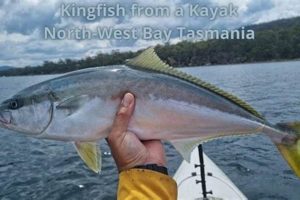
This activity involves angling from a small, human-powered watercraft in the saltwater creeks, marshes, and inlets surrounding Murrells Inlet, South Carolina. It offers a unique way to experience the abundant marine life and scenic beauty of the area. For example, anglers can paddle through serene waterways, casting lines for redfish, flounder, speckled trout, and other popular game fish. The low profile of the vessel allows for access to shallow-water habitats often inaccessible to larger boats.
The popularity of this pastime stems from several factors, including its affordability, accessibility, and the tranquility it offers. It allows anglers to connect with nature on a personal level while enjoying the challenge and reward of sport fishing. Historically, small boats have been utilized for fishing in the region for centuries, but the rise of specialized fishing kayaks with features like rod holders, live wells, and anchor trolleys has significantly enhanced the experience. This evolution has made the pursuit more accessible and productive, attracting a growing number of enthusiasts.
This pursuit involves several key considerations, including selecting appropriate gear, understanding local tides and currents, and practicing safe paddling techniques. Additional topics of interest include choosing the best launch sites, identifying productive fishing spots, and complying with South Carolina fishing regulations.
Tips for Kayak Fishing in Murrells Inlet, South Carolina
Successful angling from a kayak in Murrells Inlet requires preparation and knowledge. The following tips offer valuable insights for a productive and enjoyable experience.
Tip 1: Research Tides and Currents: Understanding tidal flows is crucial for accessing shallow-water fishing grounds and predicting fish movement. Consult local tide charts and consider fishing during moving tides for optimal results.
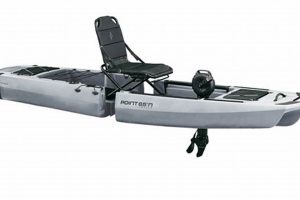
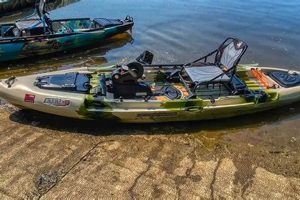
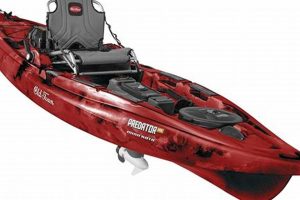
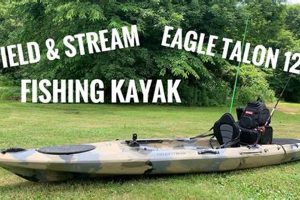
Tip 2: Choose the Right Kayak: Select a kayak designed for stability and fishing, equipped with features such as rod holders, storage compartments, and an anchor trolley system. Consider a sit-on-top model for easier maneuverability and re-entry in case of capsizing.
Tip 3: Utilize a Paddle Leash: A paddle leash prevents loss of the paddle in windy conditions or rough waters, ensuring continued navigation and control of the kayak.
Tip 4: Prioritize Safety Equipment: Always wear a personal flotation device (PFD) and carry essential safety gear, including a whistle, signaling device, and first-aid kit. Inform someone of fishing plans and expected return time.
Tip 5: Employ Appropriate Fishing Tackle: Light to medium tackle is generally suitable for the species found in Murrells Inlet. Consider using artificial lures or live bait appropriate for targeted fish species. Research local fishing regulations regarding size and catch limits.
Tip 6: Practice Proper Kayak Handling: Develop proficient paddling skills and learn how to maneuver the kayak efficiently in various wind and current conditions. Practice launching and landing procedures in calm waters before venturing into more challenging environments.
Tip 7: Respect the Environment: Practice catch-and-release fishing whenever possible to conserve fish populations. Properly dispose of fishing line and other waste materials to protect the ecosystem.
Adherence to these guidelines contributes significantly to a rewarding and safe experience. Preparation, knowledge of local conditions, and responsible practices maximize fishing success while preserving the natural beauty of Murrells Inlet.
By considering these elements, anglers can fully appreciate the unique experience offered by this activity in Murrells Inlet.
1. Tidal Influence

Tidal influence significantly impacts kayak fishing in Murrells Inlet, South Carolina. The complex network of creeks, marshes, and inlets experiences substantial water level fluctuations throughout the day, driven by the gravitational forces of the moon and sun. These fluctuations affect fish behavior, accessibility to fishing grounds, and navigation. Tidal currents create moving water, which carries food sources and stimulates feeding activity in various species. Understanding tidal patterns is essential for predicting fish movement and selecting appropriate fishing locations.
For example, during flood tides, fish often move into shallow marsh grass or oyster beds to forage. Kayak anglers can exploit this behavior by targeting these areas during rising water levels. Conversely, during ebb tides, fish tend to concentrate in deeper channels or holes as water recedes. Adapting fishing strategies based on tidal stage is crucial for maximizing success. Ignoring tidal influence may result in accessing areas with insufficient water depth for kayak navigation or targeting locations where fish are less likely to be present. Real-world scenarios illustrate the impact: attempting to navigate shallow creeks during low tide may lead to grounding, while fishing in flooded areas during high tide can provide optimal opportunities for targeting species like redfish tailing in shallow water.
Successful kayak fishing in Murrells Inlet requires careful consideration of tidal influence. Consulting tide charts, understanding current patterns, and adapting fishing strategies accordingly significantly improves angling prospects. This knowledge allows anglers to optimize fishing time by focusing efforts on locations and depths most likely to hold target species based on the prevailing tidal conditions. Navigating safely and effectively within the intricate waterways also depends on understanding tidal stages and associated current flows.
2. Kayak Selection

Kayak selection significantly influences the overall experience of kayak fishing in Murrells Inlet, South Carolina. The diverse water conditions, ranging from calm creeks to open inlets exposed to wind and waves, necessitate careful consideration of kayak characteristics. Stability, maneuverability, and storage capacity are key factors influencing fishing success and safety. An inappropriate kayak choice can compromise angler safety, limit access to productive fishing grounds, and reduce overall enjoyment. For example, attempting to navigate open, choppy waters in a short, recreational kayak designed for calm lakes presents significant safety risks and reduces fishing effectiveness due to instability. Conversely, using a long, touring kayak in narrow, winding creeks hinders maneuverability and limits access to shallow-water habitats.
Choosing a kayak suited to the specific conditions of Murrells Inlet requires evaluating several factors. Sit-on-top kayaks offer advantages in stability and self-rescue capability, making them suitable for potentially challenging conditions. Longer kayaks generally track better in open water and offer more storage for fishing gear. Wider kayaks provide enhanced stability, particularly valuable when casting or landing fish. Specialized fishing kayaks often feature built-in rod holders, anchor trolleys, and live wells, enhancing convenience and angling efficiency. A shorter, wider kayak with a sit-on-top design offers excellent stability and maneuverability for navigating shallow creeks and marshes, while a longer, narrower kayak with a rudder system might be better suited for exploring open inlets and covering greater distances. The choice between a pedal-powered kayak and a paddle kayak also depends on individual preferences and fishing styles.
Careful kayak selection maximizes fishing success and safety in Murrells Inlet. Understanding the interplay between kayak characteristics and local conditions empowers anglers to make informed decisions. Choosing an appropriate kayak ensures access to diverse fishing locations, enhances on-the-water stability, and increases overall enjoyment. Investing time in researching and selecting the right kayak is paramount for a positive kayak fishing experience in Murrells Inlet. It allows anglers to confidently explore the varied waters and focus on the primary objective: catching fish.
3. Safety Gear
Safety gear is paramount for kayak fishing in Murrells Inlet, South Carolina. The dynamic coastal environment presents inherent risks, including changing weather conditions, strong currents, and potential interaction with motorized vessels. Prioritizing safety ensures angler well-being and allows for a more enjoyable fishing experience. Neglecting essential safety precautions can lead to dangerous situations, jeopardizing angler safety and potentially requiring costly rescue operations. A comprehensive understanding of necessary safety equipment and procedures is crucial for mitigating risks associated with this activity in Murrells Inlet.
- Personal Flotation Device (PFD)
A properly fitted PFD is the most crucial piece of safety equipment. It provides buoyancy in the event of capsizing or accidental immersion, significantly increasing chances of survival. Wearing a PFD is not only a wise precaution but also legally mandated in many jurisdictions. Different PFD types exist, and selecting one appropriate for kayak fishing ensures comfort and freedom of movement while providing adequate flotation. Inflatable PFDs offer greater comfort but require regular maintenance checks. Real-world examples demonstrate the life-saving potential of PFDs: anglers thrown overboard in unexpected rough water can remain afloat until rescued or self-rescue. Without a PFD, the risk of drowning significantly increases, particularly in cold water or strong currents.
- Signaling Devices
Carrying signaling devices is essential for communicating distress or requesting assistance in emergencies. A whistle provides a simple yet effective means of attracting attention over short distances. Visual distress signals, such as flares or a signal mirror, can alert potential rescuers from greater distances, especially in situations where voice communication is impossible due to wind, waves, or distance. A VHF radio allows direct communication with the Coast Guard and other vessels, enabling rapid response in emergencies. For example, a kayaker experiencing equipment failure or encountering hazardous weather can use a VHF radio to call for immediate assistance.
- First-Aid Kit and Essential Supplies
A well-equipped first-aid kit addresses minor injuries that may occur while fishing, such as hook punctures or cuts. Including essential supplies like sunscreen, insect repellent, and a hat protects against sun exposure and insect bites, enhancing angler comfort and preventing long-term health issues. Carrying ample drinking water combats dehydration, particularly during hot weather. Packing additional clothing provides warmth and protection in case of unexpected weather changes or immersion. Being prepared for minor medical issues or discomfort allows anglers to continue fishing safely and comfortably.
- Navigation and Communication Equipment
A chart, compass, or GPS device provides crucial navigational information, particularly in unfamiliar waters or areas with limited visibility. A fully charged mobile phone allows communication with shore in case of emergencies or unexpected delays. Storing the phone in a waterproof case protects it from damage due to water exposure. Checking weather forecasts before departure and monitoring conditions during the trip allows anglers to adapt to changing weather patterns and avoid potentially dangerous situations. Understanding local regulations and navigation markers ensures safe passage within designated areas and prevents accidental entry into restricted zones.
Prioritizing these safety precautions enhances the overall kayak fishing experience in Murrells Inlet. Adequate preparation and a focus on safety allow anglers to confidently explore the diverse fishing opportunities this location offers while minimizing potential risks. Combining appropriate safety gear with informed decision-making ensures a safe and enjoyable experience on the water.
4. Fishing Regulations

Adhering to fishing regulations is essential for the sustainability of aquatic resources and the ethical enjoyment of kayak fishing in Murrells Inlet, South Carolina. Regulations govern aspects such as catch limits, size restrictions, licensing requirements, and permitted fishing methods. Compliance ensures the long-term health of fish populations, protects sensitive habitats, and maintains a fair and equitable environment for all anglers. Ignoring these regulations can lead to fines, legal penalties, and damage to the ecosystem. Understanding and respecting established rules is crucial for responsible kayak fishing practices in Murrells Inlet.
- Licensing Requirements
Obtaining the appropriate fishing license is a fundamental requirement. South Carolina offers various license types, including resident, non-resident, and short-term options. Anglers must possess a valid license appropriate for their residency status and fishing duration. Licenses can be obtained online, from authorized vendors, or through the South Carolina Department of Natural Resources (SCDNR). Failure to possess a valid license can result in fines and legal action. Examples include possessing a valid South Carolina saltwater fishing license when fishing in saltwater areas of Murrells Inlet. Different license requirements may apply for freshwater fishing.
- Catch Limits and Size Restrictions
Regulations stipulate catch limits for specific species, restricting the number of fish an angler can retain within a given timeframe. Size restrictions dictate minimum and/or maximum lengths for certain species. These regulations aim to protect breeding populations and ensure the long-term sustainability of fish stocks. Adhering to these limits prevents overfishing and maintains healthy fish populations. For example, redfish in Murrells Inlet may have a slot limit, allowing anglers to keep fish within a specific size range, protecting both juvenile and larger breeding fish. Ignoring size restrictions can lead to fines and contribute to the decline of targeted species.
- Permitted Fishing Methods and Gear
Regulations may restrict specific fishing methods, such as the use of certain types of nets or fishing gear. These restrictions protect vulnerable species or habitats. For example, using treble hooks may be prohibited in certain areas to minimize damage to fish populations. Regulations may also specify permitted bait types, such as prohibiting the use of live baitfish from non-local sources to prevent the introduction of invasive species. Understanding allowed fishing methods and gear ensures compliance and avoids unintentional violations. Using prohibited gear or methods can result in fines and damage to the ecosystem.
- Closed Seasons and Areas
Specific seasons or areas may be closed to fishing to protect spawning fish or sensitive habitats during vulnerable periods. These closures allow fish populations to reproduce without disturbance, contributing to long-term sustainability. Checking for seasonal closures and area restrictions before fishing is essential to avoid unintentional violations. For instance, certain areas within Murrells Inlet may be closed to fishing during specific seasons to protect spawning redfish or shrimp. Ignoring these closures disrupts breeding cycles and negatively impacts the ecosystem.
Understanding and adhering to these fishing regulations contributes significantly to the sustainable and ethical enjoyment of kayak fishing in Murrells Inlet, South Carolina. Compliance ensures the preservation of healthy fish populations and the continued enjoyment of this recreational activity for future generations. By respecting established regulations, anglers actively participate in conservation efforts and contribute to the long-term health of the Murrells Inlet ecosystem. Regularly reviewing current regulations on the SCDNR website ensures accurate compliance and supports responsible fishing practices.
5. Local Knowledge
Local knowledge significantly enhances kayak fishing success in Murrells Inlet, South Carolina. This intricate network of creeks, marshes, and inlets presents diverse fishing opportunities but also navigational challenges. Possessing insights into specific locations, tidal patterns, and fish behavior provides a distinct advantage. Lacking local knowledge can lead to unproductive fishing trips, navigational difficulties, and potential safety risks. Understanding the nuances of this unique environment is crucial for maximizing fishing success and ensuring a safe and rewarding experience.
- Productive Fishing Spots
Identifying productive fishing spots is a key aspect of local knowledge. Experienced anglers often possess intimate knowledge of specific locations that consistently hold target species. These locations might include oyster beds, drop-offs, creek mouths, or areas with specific vegetation or bottom structure. For example, knowing the location of a submerged oyster bed near a creek mouth during a falling tide can significantly increase the chances of catching redfish. Accessing this information through local fishing reports, guides, or experienced anglers can significantly shorten the learning curve and increase fishing success. Simply launching a kayak without this knowledge often results in unproductive searching and wasted fishing time.
- Navigational Hazards and Channels
Murrells Inlet’s complex waterways present navigational challenges, including shallow areas, shifting sandbars, and strong currents. Local knowledge of safe navigation routes, marked channels, and areas to avoid is crucial for preventing grounding, capsizing, or getting lost. Understanding how tides affect water depths and current flows in specific areas is essential for safe passage. For instance, knowing the location of a shallow sandbar near an inlet during low tide can prevent grounding. This knowledge is often acquired through experience or by consulting local nautical charts and guides. Attempting to navigate without this local knowledge can lead to hazardous situations, equipment damage, and potential rescue situations.
- Tidal Currents and Fish Behavior
Understanding the interplay between tidal currents and fish behavior in specific locations within Murrells Inlet is crucial for successful kayak fishing. Local knowledge of how tides affect water movement, baitfish concentrations, and predator ambush points provides a significant advantage. For example, understanding that flounder tend to congregate near channel edges during incoming tides allows anglers to target these specific locations during optimal feeding periods. This localized knowledge can be gained through observation, experience, or by seeking guidance from local anglers familiar with these patterns. Attempting to fish without considering tidal influences and local fish behavior patterns often results in reduced catches and wasted fishing time.
- Weather Patterns and Wind Effects
Local knowledge of prevailing weather patterns and wind effects in Murrells Inlet enhances safety and fishing success. Understanding how wind direction and speed influence water conditions, kayak control, and fishing techniques is vital. For example, knowing that afternoon thunderstorms frequently develop during summer months allows anglers to plan fishing trips accordingly and seek shelter before conditions deteriorate. Similarly, understanding how wind affects kayak drift and casting distance allows for adjustments in fishing techniques and anchor positioning. This knowledge is often acquired through experience or by consulting local weather forecasts and observing wind patterns in specific areas. Ignoring local weather patterns can lead to dangerous situations, compromised fishing effectiveness, and potentially hazardous open-water crossings.
Leveraging local knowledge is essential for maximizing kayak fishing success and ensuring a safe and rewarding experience in Murrells Inlet. This localized understanding allows anglers to effectively navigate the complex waterways, identify productive fishing spots, and adapt fishing strategies based on tidal influences, fish behavior, and prevailing weather conditions. Acquiring local knowledge through research, observation, and interaction with experienced anglers significantly enhances the overall kayak fishing experience in this unique and dynamic coastal environment.
6. Environmental Awareness

Environmental awareness plays a crucial role in preserving the natural beauty and ecological integrity of Murrells Inlet, South Carolina, especially within the context of kayak fishing. Sustainable practices ensure the continued enjoyment of this recreational activity for future generations. Disregarding environmental considerations can negatively impact the delicate balance of the ecosystem, affecting water quality, fish populations, and overall habitat health. Responsible kayak fishing requires a conscious effort to minimize environmental impact and actively participate in conservation efforts.
- Leave No Trace Principles
Practicing Leave No Trace principles minimizes human impact on the environment. These principles encourage packing out all trash, including fishing line and discarded tackle. Proper disposal prevents entanglement of wildlife, pollution of waterways, and degradation of natural habitats. Examples include carrying a small trash bag to collect discarded line and other debris, disposing of waste properly at designated receptacles upon returning to shore. Discarded fishing line poses a significant threat to birds, turtles, and other marine life, while other debris contributes to unsightly pollution and ecosystem damage. Adhering to Leave No Trace minimizes these impacts, preserving the natural beauty of Murrells Inlet.
- Respect for Wildlife and Habitats
Respecting wildlife and their habitats is paramount. Observing wildlife from a distance avoids disturbance and stress to animals. Refraining from disturbing nesting sites or sensitive vegetation protects critical habitats. Properly handling and releasing caught fish minimizes stress and injury, increasing survival rates. For example, using barbless hooks allows for easier and quicker release, reducing damage to fish. Handling fish with wet hands or using a landing net minimizes removal of protective slime coatings. Respectful wildlife interaction ensures the continued presence of diverse species in Murrells Inlet and preserves the natural ecosystem for future generations.
- Preventing the Spread of Invasive Species
Preventing the spread of invasive species is crucial for maintaining a healthy ecosystem. Thoroughly cleaning kayaks and fishing gear after each use removes potentially invasive plants, animals, or microorganisms. Draining all water from kayaks and live wells before leaving a fishing area prevents the introduction of non-native species into new environments. Using locally sourced bait minimizes the risk of introducing invasive baitfish or other organisms. For example, inspecting and cleaning kayaks after fishing in a different body of water prevents the transfer of invasive mussels or aquatic plants to Murrells Inlet. Taking these precautions protects native species and prevents disruptions to the delicate ecological balance.
- Water Quality Awareness
Water quality awareness is essential for responsible kayak fishing. Avoiding the use of harmful chemicals or pollutants, such as discarding oil or gasoline into the water, protects aquatic life and maintains a healthy ecosystem. Properly disposing of human waste prevents contamination of waterways. Reporting any observed pollution or environmental damage to relevant authorities contributes to prompt remediation efforts. For example, notifying authorities of an observed oil spill allows for rapid response and containment, minimizing environmental damage. Maintaining water quality ensures the continued health of fish populations and preserves the overall quality of the Murrells Inlet ecosystem for recreational use and enjoyment.
By integrating these environmental awareness principles into kayak fishing practices, anglers contribute to the long-term health and sustainability of the Murrells Inlet ecosystem. Responsible angling practices ensure the continued enjoyment of this recreational activity while preserving the natural beauty and ecological integrity of this valuable coastal resource for generations to come. Continued vigilance and proactive conservation efforts by the kayak fishing community are crucial for maintaining the delicate balance of this unique environment.
Frequently Asked Questions
This section addresses common inquiries regarding kayak fishing in Murrells Inlet, South Carolina. The information provided aims to clarify potential uncertainties and enhance angler preparedness.
Question 1: What are the primary target species for kayak anglers in Murrells Inlet?
Redfish, flounder, speckled trout, and black drum are commonly targeted species. Seasonal variations influence species presence and activity.
Question 2: Are there specific launch sites suitable for kayak fishing access in Murrells Inlet?
Public boat ramps and designated kayak launch areas offer convenient access points. Local regulations and parking fees may apply.
Question 3: What tidal conditions are most favorable for kayak fishing in Murrells Inlet?
Moving tides, both incoming and outgoing, generally produce better fishing results. Slack tides often exhibit reduced fish activity.
Question 4: What safety precautions should one take when kayak fishing in Murrells Inlet?
Wearing a personal flotation device (PFD), carrying a whistle and signaling device, and informing someone of fishing plans are essential safety measures.
Question 5: What fishing gear and tackle are recommended for kayak fishing in Murrells Inlet?
Light to medium tackle suitable for inshore saltwater fishing is typically recommended. Live bait or artificial lures can be effective, depending on the target species.
Question 6: Where can one find information on current fishing regulations and licensing requirements for Murrells Inlet?
The South Carolina Department of Natural Resources (SCDNR) website provides comprehensive information on fishing regulations, licensing, and other relevant resources.
Careful consideration of these frequently asked questions contributes to a more informed and enjoyable experience. Thorough preparation enhances fishing success and promotes safe practices within the unique environment of Murrells Inlet.
Further exploration of specific fishing techniques, local guides, and recommended gear can provide additional insights for anglers seeking to maximize their success.
Kayak Fishing Murrells Inlet SC
This exploration has highlighted the multifaceted nature of kayak fishing within the dynamic ecosystem of Murrells Inlet, South Carolina. Factors such as tidal influence, appropriate kayak selection, essential safety gear, adherence to fishing regulations, acquisition of local knowledge, and a commitment to environmental awareness contribute significantly to a successful and sustainable angling experience. Each element plays a crucial role in maximizing fishing opportunities while minimizing environmental impact and ensuring angler safety. Understanding the interplay of these factors allows for a more informed and rewarding pursuit.
The future of this activity relies on continued responsible practices and a dedication to conservation. Anglers bear a responsibility to protect the delicate balance of Murrells Inlet’s natural resources, ensuring the continued viability of this unique recreational pursuit for generations to come. Through informed decision-making, respect for the environment, and a commitment to sustainable practices, the rewarding experience of kayak fishing in Murrells Inlet can be preserved and enjoyed for years to come. Further exploration of specific techniques and engagement with local resources promises to deepen angler understanding and appreciation for this exceptional coastal fishery.