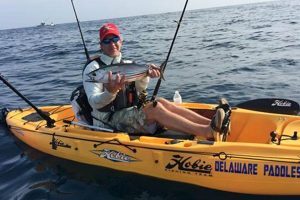
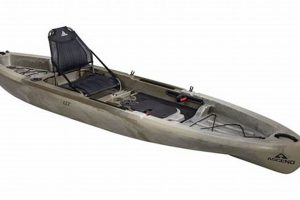
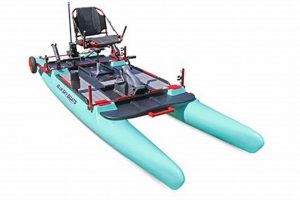
A tandem kayak designed specifically for angling offers ample space and stability for two individuals. These vessels typically feature specialized storage for rods, tackle, and often include built-in rod holders and other fishing-specific accessories. An example would be a sit-on-top model with recessed tackle trays and adjustable footrests for comfortable casting.
The advantages of such a craft are numerous. Shared paddling effort reduces fatigue on longer trips, enabling anglers to reach more distant fishing grounds. The increased stability provided by the wider hull offers a secure platform for casting and landing fish. Historically, shared fishing expeditions have been integral to many cultures, and modern tandem fishing kayaks continue this tradition, enhancing the social aspect of the sport. The increased carrying capacity also allows for a wider array of equipment and potentially larger catches.
This article will explore various aspects of tandem fishing kayaks, covering topics such as popular designs, key features to consider when selecting a model, essential safety equipment, and recommended fishing techniques best suited for this style of angling.
Tips for Tandem Kayak Fishing
Effective tandem kayak fishing requires coordination and preparation. The following tips offer guidance for a successful and enjoyable experience.
Tip 1: Coordinate Paddling: Synchronized paddling is crucial for efficient movement and maintaining a desired course. Practice paddling together before venturing onto open water to establish a rhythm and minimize wasted effort. One paddler can count their strokes to establish timing, as it can be difficult to see each other’s motion.
Tip 2: Distribute Weight Evenly: Proper weight distribution is essential for stability. Gear should be balanced throughout the kayak, avoiding overloading one side or the stern. Heavier items should be placed lower in the hull for improved balance.
Tip 3: Establish Roles and Communication: Designate roles for each paddler, such as navigation and fishing. Clear communication is essential, particularly when maneuvering in tight spaces or dealing with challenging conditions. Using hand signals can improve clarity.
Tip 4: Choose Appropriate Fishing Techniques: Certain fishing techniques are better suited for tandem kayaks than others. Trolling and drift fishing are often effective, while techniques requiring significant casting range might present challenges. Anglers should select their tackle and methods accordingly.
Tip 5: Prioritize Safety: Wearing personal flotation devices is paramount. Carry a safety kit containing essential items such as a whistle, signaling mirror, first-aid supplies, and a bilge pump. Check weather conditions before embarking and be prepared for changing conditions.
Tip 6: Practice Launching and Landing: Launching and landing a tandem kayak can be more complex than a single kayak. Practice in calm, shallow water before attempting more challenging locations. Coordinating entry and exit minimizes the risk of capsizing.
By adhering to these guidelines, anglers can maximize their chances of a productive and safe tandem kayaking experience. Proper preparation and communication contribute significantly to a positive outing.
These tips provide a foundational understanding of tandem kayak fishing. The following section will delve into specific equipment recommendations to further enhance on-the-water performance.
1. Stability

Stability is a paramount consideration in a tandem fishing kayak. A stable platform is essential for casting effectively, reeling in fish, and remaining safe in various water conditions. Compromised stability can lead to difficulty landing catches, potential capsizing, and an overall less enjoyable fishing experience. The relationship between stability and kayak design involves several factors, including hull shape, width, and length. Wider hulls generally provide greater initial stability, reducing the likelihood of tipping. However, increased width can negatively impact maneuverability. Longer kayaks tend to track better in a straight line but may be less responsive to turning. A carefully balanced design considers these trade-offs to optimize stability for fishing purposes. For example, a kayak designed for ocean fishing might prioritize stability over maneuverability due to the presence of waves and currents. Conversely, a kayak intended for navigating narrow rivers and streams may prioritize maneuverability with a slightly less stable hull design. Understanding these design considerations empowers informed decision-making during kayak selection.
The practical significance of stability becomes readily apparent during the act of fishing. Standing to cast, a common practice in many fishing styles, requires a highly stable platform. A stable kayak allows anglers to focus on their technique and the fish, rather than constantly adjusting their balance. Furthermore, landing a fish, particularly a larger one, can create significant instability. A stable kayak absorbs these forces, reducing the risk of capsizing and ensuring a safer and more successful retrieval. Consider the scenario of two anglers fishing in choppy water. A stable kayak allows them to continue fishing effectively despite challenging conditions, whereas an unstable kayak might necessitate prematurely ending the fishing trip. The added weight of two anglers and their gear requires a robust and stable platform, particularly in dynamic water environments.
In summary, stability is a crucial element in a tandem fishing kayak. It directly impacts fishing effectiveness, safety, and overall enjoyment on the water. Understanding the factors influencing stability and their practical implications empowers informed choices during kayak selection, promoting a more positive and successful fishing experience. Recognizing the interconnectedness of stability with other design elements, such as maneuverability and capacity, enables anglers to select the optimal vessel tailored to their specific fishing needs and intended water conditions.
2. Capacity

Capacity, often overlooked, plays a crucial role in the effectiveness of a tandem fishing kayak. It directly impacts the amount of gear, supplies, and potential catch that can be comfortably and safely transported. Insufficient capacity can limit fishing range, restrict tackle choices, and compromise safety, particularly on longer expeditions or in challenging conditions. Understanding the various facets of capacity allows for informed decisions aligned with specific fishing needs.
- Weight Capacity
Weight capacity represents the maximum combined weight of anglers, gear, and any potential catch the kayak can safely support. Exceeding this limit compromises stability and increases the risk of capsizing. A kayak intended for larger anglers or extended trips requires a higher weight capacity. Consider a scenario where two anglers, each weighing 200 pounds, intend to carry substantial fishing gear and potentially large catches. A kayak with a weight capacity of 400 pounds would be inadequate, necessitating a model with significantly greater capacity.
- Storage Capacity
Storage capacity encompasses the space available for storing essential gear, such as tackle boxes, rods, safety equipment, and personal items. Ample storage contributes to organized fishing and efficient access to necessary equipment. Kayaks designed for fishing typically feature specialized storage compartments, including waterproof hatches, recessed trays, and bungee cord systems. For example, a kayak with dedicated rod storage allows for safe and convenient transport of fishing rods, preventing damage and maximizing fishing time.
- Space Capacity
Space capacity refers to the overall volume and layout of the kayak’s cockpit and storage areas. Adequate space ensures comfortable seating, freedom of movement for casting, and efficient organization of gear. Consider two anglers of differing sizes; a kayak with limited space might restrict movement and comfort, particularly during long fishing trips. A spacious cockpit allows for comfortable positioning and ease of access to essential equipment, enhancing the overall fishing experience.
- Catch Capacity
While not a formal specification, catch capacity relates to the practical limitations of storing caught fish. Factors such as storage space, kayak stability, and local regulations influence the number and size of fish that can be reasonably retained. Exceeding practical catch capacity can compromise stability and potentially violate fishing regulations. A kayak intended for targeting large game fish would require ample storage and a stable platform to handle the weight and movement of the catch.
These interconnected facets of capacity significantly influence the functionality and suitability of a tandem fishing kayak. Careful consideration of weight limits, storage solutions, cockpit space, and practical catch limitations ensures a balanced selection aligned with specific fishing styles, target species, and intended water conditions. A well-matched capacity enhances safety, efficiency, and overall enjoyment on the water. For example, anglers planning extended expeditions in remote areas require a kayak with greater capacity for essential supplies and safety equipment compared to anglers fishing in familiar waters for shorter durations. Understanding these nuances empowers informed decisions and contributes to a more successful and enjoyable fishing experience.
3. Maneuverability
Maneuverability in a tandem fishing kayak directly influences its effectiveness and suitability for various fishing environments. The ability to navigate efficiently through diverse water conditions, including tight spaces, currents, and wind, significantly impacts access to prime fishing locations and overall angling success. A kayak’s responsiveness to paddling input and its ability to hold a course or change direction efficiently are critical factors. Several design elements influence maneuverability, including hull shape, length, and the presence of a rudder or skeg. Shorter kayaks generally turn more quickly, while longer kayaks offer better tracking in a straight line. A kayak with a pronounced keel provides enhanced tracking but sacrifices turning agility. A rudder or skeg improves directional control, particularly in windy conditions. The interplay of these factors dictates a kayak’s performance characteristics. For example, a shorter, wider kayak without a rudder proves highly maneuverable in calm, shallow water, ideal for navigating narrow creeks or protected bays. Conversely, a longer, narrower kayak with a rudder excels in open water or windy conditions, where maintaining a course is paramount. Choosing the right balance of maneuverability depends on the intended fishing environment.
Practical scenarios highlight the importance of maneuverability. Consider navigating a narrow, winding river choked with fallen logs and overhanging branches. A highly maneuverable kayak allows anglers to navigate these obstacles effectively, accessing secluded fishing spots. Alternatively, picture fishing in a large, open lake on a windy day. A kayak with good tracking and directional control, aided by a rudder or skeg, maintains its course despite wind pressure, maximizing fishing time and minimizing wasted effort. Furthermore, the weight and length of a tandem kayak inherently impact its maneuverability compared to a single kayak. Two paddlers working in unison enhance speed and tracking but require greater coordination for efficient turning. Understanding these dynamics allows anglers to select a kayak tailored to their specific needs. A kayak designed for ocean fishing might prioritize stability and tracking, while one intended for river fishing would emphasize turning agility and responsiveness.
In summary, maneuverability represents a critical performance characteristic in a tandem fishing kayak. Its influence on navigating diverse water conditions and accessing prime fishing locations directly impacts angling success. The relationship between design elements, intended fishing environments, and practical on-the-water scenarios underscores the importance of considering maneuverability when selecting a tandem fishing kayak. Balancing maneuverability with other essential characteristics, such as stability and capacity, ensures an optimal choice tailored to specific fishing needs and preferences, enhancing overall enjoyment and success on the water.
4. Fishing Features
Specialized fishing features distinguish a tandem fishing kayak from recreational models, directly impacting angling effectiveness and overall experience. These features enhance convenience, organization, and safety, enabling anglers to focus on the task at hand. Consider rod holders; strategically placed holders secure rods, freeing hands for paddling, landing fish, or other essential tasks. This seemingly simple feature significantly improves efficiency and reduces the risk of losing valuable equipment. Similarly, integrated tackle storage systems maintain order and provide quick access to lures and tackle, crucial during dynamic fishing situations. The presence of these specialized features streamlines the fishing process, contributing to a more productive and enjoyable experience. Imagine two anglers attempting to manage multiple rods and tackle boxes in a kayak lacking these features. The risk of tangling lines, losing equipment overboard, or creating an unsafe environment increases significantly. Specialized features mitigate these risks, promoting a more organized and efficient fishing experience.
Further enhancing the fishing experience, many tandem kayaks incorporate features such as fish finders, live wells, and anchor trolleys. Integrated fish finders provide real-time information about water depth, bottom structure, and fish location, enhancing the ability to locate productive fishing spots. Live wells maintain the health and vitality of caught fish, crucial for tournaments or anglers practicing catch-and-release. Anchor trolleys allow precise positioning of the kayak in relation to current or structure, maximizing fishing effectiveness. These advanced features cater to specific fishing styles and elevate the overall experience. For example, anglers targeting specific species in deeper water benefit significantly from integrated fish finders and anchor trolleys. The ability to precisely position the kayak and identify fish-holding structures enhances the probability of success. Similarly, anglers participating in bass tournaments rely on live wells to keep their catch healthy and viable for weigh-in. These specialized features directly contribute to successful angling outcomes.
In conclusion, specialized fishing features represent a critical distinction between recreational and fishing-specific tandem kayaks. Features such as rod holders, tackle storage, fish finders, live wells, and anchor trolleys enhance convenience, organization, safety, and overall fishing effectiveness. The practical implications of these features become readily apparent during real-world fishing scenarios, where efficient management of equipment and precise boat control are essential for success. Choosing a tandem kayak equipped with the appropriate features, tailored to specific fishing styles and target species, significantly enhances the overall experience and increases the likelihood of a productive and enjoyable outing. The absence of these features can hinder fishing effectiveness, limit access to certain techniques, and potentially compromise safety. Therefore, careful consideration of fishing features during kayak selection is paramount for maximizing on-the-water success and enjoyment.
5. Comfort
Comfort significantly impacts the enjoyment and effectiveness of tandem kayak fishing excursions. Discomfort, stemming from ill-fitting seating, inadequate back support, or limited legroom, can lead to fatigue, reduced focus, and a diminished overall experience. This is particularly relevant for longer trips or challenging conditions where sustained physical effort is required. Consider the scenario of two anglers embarking on a multi-day fishing trip. Uncomfortable seating can lead to back pain and stiffness, hindering their ability to effectively fish and diminishing the enjoyment of the trip. Conversely, comfortable seating, adjustable backrests, and ample legroom promote sustained focus and physical endurance, allowing anglers to fully immerse themselves in the experience. The causal link between comfort and performance is undeniable, influencing both enjoyment and effectiveness on the water.
Several factors contribute to comfort in a tandem fishing kayak. Seat design, adjustability, and material play crucial roles. Well-designed seats provide adequate cushioning, contoured support, and breathable materials to minimize pressure points and enhance comfort during extended periods on the water. Adjustable backrests cater to individual preferences and body types, promoting proper posture and reducing strain. Furthermore, ample legroom allows for comfortable positioning and freedom of movement, essential for casting and reeling. Consider the difference between a kayak with molded plastic seats and one with padded, adjustable seats. The latter significantly enhances comfort, particularly during long fishing trips, allowing anglers to maintain focus and energy levels. The practical implications of these design considerations become readily apparent during real-world fishing scenarios, where comfort directly impacts performance and enjoyment.
In summary, comfort represents a critical factor influencing the overall experience of tandem kayak fishing. Discomfort can detract from enjoyment, reduce effectiveness, and potentially shorten trips due to fatigue or pain. Conversely, well-designed seating, adjustable backrests, and ample legroom promote sustained focus, physical endurance, and a more positive overall experience. Understanding the factors contributing to comfort empowers informed decision-making during kayak selection, enabling anglers to prioritize comfort alongside other essential features such as stability, maneuverability, and capacity. The interplay of these factors ultimately determines the suitability of a tandem fishing kayak for specific needs and preferences, contributing to a more successful and enjoyable on-the-water experience.
6. Durability
Durability is a critical factor influencing the lifespan and overall value of a tandem fishing kayak. These vessels are subjected to various stresses, including impacts, abrasion, UV exposure, and fluctuating temperatures. A durable kayak withstands these challenges, minimizing maintenance requirements and ensuring reliable performance over time. Investing in a durable kayak translates to long-term cost savings and a consistent on-the-water experience, free from concerns about damage or premature wear. This is particularly important for anglers frequently navigating challenging environments or transporting their kayaks over long distances.
- Material Selection
The choice of material significantly impacts a kayak’s durability. Common materials include high-density polyethylene (HDPE), rotomolded polyethylene, and composites such as fiberglass or carbon fiber. HDPE offers excellent impact resistance and affordability, while rotomolded polyethylene provides superior UV resistance and structural integrity. Composites offer the highest strength-to-weight ratio but are generally more expensive and susceptible to cracking or shattering upon impact. Selecting the appropriate material depends on the intended usage and budget. A kayak frequently used in rocky or shallow environments benefits from the impact resistance of HDPE, whereas a kayak primarily used in open water might prioritize the lighter weight and performance characteristics of composites. The material choice represents a fundamental aspect of durability, influencing the kayak’s ability to withstand various stressors.
- Construction Quality
Construction quality encompasses various aspects of the manufacturing process, including welding techniques, seam integrity, and hardware quality. Well-constructed kayaks feature robust seams, reinforced stress points, and high-quality hardware resistant to corrosion and wear. These details contribute significantly to long-term durability and resistance to leaks, cracks, and other structural failures. Consider the difference between a kayak with poorly welded seams and one with meticulously crafted joints. The former is susceptible to leaks and premature wear, while the latter maintains its integrity over time. Careful inspection of construction details, such as seam quality and hardware robustness, provides valuable insights into a kayak’s potential durability.
- UV Resistance
UV exposure can degrade kayak materials, leading to fading, brittleness, and reduced structural integrity. Kayaks stored outdoors or frequently used in sunny environments require high UV resistance. Materials like rotomolded polyethylene offer inherent UV protection, while other materials may require specialized coatings or treatments to mitigate the damaging effects of sunlight. Consider two kayaks, one stored indoors and the other exposed to direct sunlight for extended periods. The latter, lacking adequate UV protection, may exhibit signs of degradation, such as fading and cracking, compromising its lifespan and performance. Prioritizing UV resistance ensures long-term durability and maintains the kayak’s aesthetic appeal.
- Impact and Abrasion Resistance
Impacts and abrasion from rocks, logs, or other obstacles can damage a kayak’s hull. Durable kayaks feature robust construction and materials capable of withstanding such encounters. HDPE kayaks, known for their impact resistance, prove particularly suitable for environments with potential obstacles. Reinforced keels and skid plates further enhance protection against abrasion and impacts. Imagine a kayak dragged across a rocky shoreline or colliding with submerged debris. A durable kayak withstands these impacts with minimal damage, maintaining its structural integrity and preventing leaks. Prioritizing impact and abrasion resistance safeguards the kayak’s longevity and ensures reliable performance in challenging environments.
In conclusion, durability represents a crucial investment consideration for tandem fishing kayaks. The interplay of material selection, construction quality, UV resistance, and impact/abrasion resistance dictates a kayak’s ability to withstand the rigors of the fishing environment. Prioritizing durability ensures long-term performance, minimizes maintenance requirements, and enhances the overall value of the investment. A durable kayak provides anglers with a reliable platform for pursuing their passion, enabling them to focus on the fishing experience without concerns about equipment failure or premature wear. Choosing a durable kayak contributes to a more enjoyable, cost-effective, and sustainable approach to the sport.
Frequently Asked Questions
This section addresses common inquiries regarding tandem fishing kayaks, providing concise and informative responses to facilitate informed decision-making.
Question 1: What are the primary advantages of a tandem fishing kayak over two single kayaks?
Tandem kayaks offer increased stability, shared paddling effort reducing individual fatigue, and often greater combined storage capacity compared to two single kayaks. They also promote a shared experience and can be more cost-effective than purchasing two individual vessels.
Question 2: How does one choose the appropriate size and weight capacity for a tandem fishing kayak?
Appropriate size and weight capacity depend on the combined weight of the anglers, anticipated gear, and potential catch. Manufacturers provide weight capacity specifications that should not be exceeded. Longer kayaks generally track better, while wider kayaks offer greater stability.
Question 3: What are essential safety considerations for tandem kayak fishing?
Essential safety considerations include wearing personal flotation devices, carrying a safety kit with signaling devices and first-aid supplies, checking weather conditions before departure, and informing someone of the planned fishing location and estimated return time.
Question 4: What are the key differences between sit-on-top and sit-inside tandem fishing kayaks?
Sit-on-top kayaks offer superior stability and ease of entry/exit, making them suitable for warmer climates and calmer waters. Sit-inside kayaks provide better protection from the elements and offer a drier ride in colder conditions or rougher water. Choosing between the two depends on intended usage and environmental conditions.
Question 5: How does one transport a tandem fishing kayak?
Transporting a tandem kayak requires appropriate roof racks or a trailer. Securing the kayak properly with straps and tie-down points is crucial for safe transport. Some kayaks feature integrated carrying handles or scupper holes for easier handling.
Question 6: What maintenance is required for a tandem fishing kayak?
Regular maintenance includes rinsing the kayak with fresh water after each use, especially after exposure to saltwater. Storing the kayak out of direct sunlight prolongs its lifespan. Periodically inspecting and lubricating moving parts, such as rudder or skeg mechanisms, ensures optimal performance.
Understanding these key aspects of tandem fishing kayaks facilitates informed purchasing decisions and promotes safe and enjoyable on-the-water experiences.
For further information regarding specific models and features, consult manufacturer specifications and reputable retailers specializing in fishing kayaks.
Two Man Kayak for Fishing
Careful consideration of the factors discussedstability, capacity, maneuverability, specialized features, comfort, and durabilityempowers informed decisions regarding tandem fishing kayak selection. Matching these attributes to specific fishing styles, target species, and environmental conditions optimizes performance, safety, and overall enjoyment on the water. Understanding the interplay of these elements ensures a harmonious balance between functionality and personal preferences.
The evolution of tandem fishing kayaks reflects a dedication to enhancing the angling experience. As technology and design continue to advance, these vessels will undoubtedly play an increasingly prominent role in the future of fishing, enabling anglers to explore new waters, pursue diverse species, and share the thrill of the catch with companions. Investing in a well-chosen tandem fishing kayak represents an investment in shared adventures and lasting memories on the water.