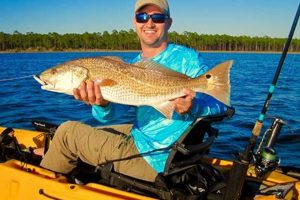
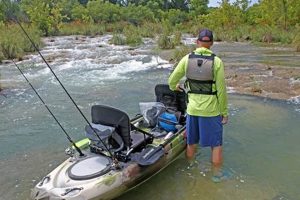
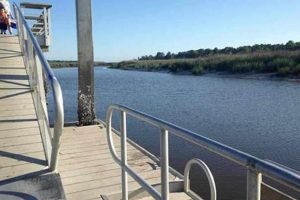
This outdoor pursuit combines the thrill of paddling a kayak with the immersive experiences of camping and angling. It involves navigating waterways, setting up camp along the shoreline, and casting a line to catch fish. A typical outing might include paddling to a secluded cove, establishing a temporary campsite, and spending several days exploring the surrounding waters and landscape, relying on self-sufficiency and minimal impact practices.
The combination of these activities offers significant advantages. It provides access to remote and pristine natural environments often inaccessible by other means. The self-reliant nature fosters a deeper connection with nature and promotes outdoor skills development. Furthermore, the low environmental impact of human-powered watercraft contributes to sustainable recreation. While the modern iteration has gained popularity with advancements in lightweight gear, the historical roots of watercraft for fishing and exploration extend centuries, demonstrating a long-standing human connection with this form of travel and sustenance.
The subsequent sections will delve into the essential aspects of planning and executing such an adventure. Topics will include gear selection, safety considerations, choosing suitable locations, and responsible camping and fishing practices.
Tips for Kayak Camping and Fishing
Careful planning and preparation are crucial for a successful and enjoyable outing. The following tips offer guidance for essential aspects of these combined activities.
Tip 1: Prioritize Safety Equipment. A properly fitted personal flotation device (PFD) is non-negotiable. A reliable communication device, such as a VHF radio or satellite messenger, should always be carried. Navigation tools, including charts, compass, and GPS, are essential for safe passage. A first-aid kit tailored for wilderness environments should be readily accessible.
Tip 2: Pack Light and Efficiently. Space is limited on a kayak. Gear should be carefully chosen for its functionality and packed in dry bags to protect it from water. Multi-purpose tools and lightweight materials are recommended.
Tip 3: Choose a Suitable Location. Research potential destinations thoroughly. Consider water conditions, tides, currents, and access points. Check for any permits or regulations that may be required. Choose locations that offer appropriate camping areas and fishing opportunities.
Tip 4: Practice Proper Kayak Handling. Develop strong paddling skills before venturing into remote areas. Understand basic rescue techniques and how to handle various water conditions. Practice loading and unloading the kayak to maintain stability.
Tip 5: Respect the Environment. Practice Leave No Trace principles. Pack out all trash and minimize campfire impacts. Respect wildlife and avoid disturbing sensitive habitats. Adhere to all fishing regulations and handle fish responsibly.
Tip 6: Check Weather Forecasts. Weather conditions can change rapidly on the water. Obtain detailed forecasts before departure and monitor conditions throughout the trip. Be prepared to adjust plans or postpone the outing if necessary.
Tip 7: Plan Meals and Hydration. Pack adequate food and water for the duration of the trip. Consider lightweight, non-perishable food options. A water filter or purification tablets are essential for replenishing water supplies.
Adhering to these guidelines contributes significantly to a safe and fulfilling experience. A well-planned trip allows for greater enjoyment of the natural surroundings and minimizes potential risks.
The information provided here offers a starting point for planning. Further research and preparation tailored to specific locations and individual needs are strongly recommended.
1. Planning

Thorough planning is paramount for successful kayak camping and fishing trips. It forms the foundation for a safe and enjoyable experience, mitigating potential risks and maximizing opportunities. Effective planning encompasses multiple facets, each contributing to the overall success of the outing.
- Route Selection
Choosing an appropriate route involves considering factors such as water conditions, distance, access points, and potential hazards. Navigational charts, tide tables, and local knowledge are valuable resources. For instance, selecting a sheltered bay as opposed to open ocean during predicted high winds significantly enhances safety. A well-defined route also allows for efficient time management and ensures access to desired fishing areas.
- Gear Preparation
Careful gear selection and organization are essential. Creating a comprehensive checklist ensures that essential items, such as safety equipment, navigation tools, and camping gear, are included. Packing dry bags systematically protects equipment from water damage and facilitates efficient retrieval during the trip. For example, storing cooking supplies separately from sleeping gear streamlines camp setup.
- Contingency Planning
Developing contingency plans addresses unforeseen circumstances, such as sudden weather changes or equipment malfunctions. Identifying alternative routes or campsites provides flexibility. Carrying a repair kit enables quick fixes for minor gear issues. Having a communication plan, including emergency contacts and signaling devices, is crucial for summoning assistance if needed.
- Provisioning and Logistics
Careful provisioning ensures adequate supplies for the duration of the trip. Calculating food and water requirements based on anticipated activity levels prevents shortages. Proper waste disposal methods minimize environmental impact. Arranging transportation to and from access points streamlines the overall logistics. Pre-trip communication with local authorities or park rangers provides valuable insights into regulations and potential hazards.
Integrating these planning elements ensures a well-prepared and ultimately more rewarding kayak camping and fishing experience. A proactive approach to planning minimizes potential difficulties, allowing participants to focus on enjoying the natural environment and the pursuit of their chosen activities.
2. Gear Selection
Appropriate gear selection is fundamental to a safe and successful kayak camping and fishing experience. Equipment choices directly impact comfort, efficiency, and safety on the water. Careful consideration of various gear categories ensures preparedness for diverse conditions and contributes to a more enjoyable outing. The following facets highlight key areas within gear selection.
- Kayak Choice
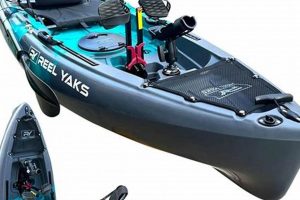
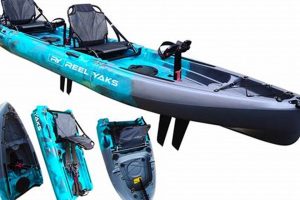
Kayak selection depends on factors such as water conditions, trip duration, and storage capacity. Longer, narrower kayaks track efficiently in open water, while shorter, wider models offer greater stability in rivers or sheltered bays. Sit-on-top kayaks are suitable for warmer climates and offer easier re-entry after a capsize, whereas sit-inside kayaks provide greater protection from the elements and colder water. Weight capacity considerations must account for paddler weight, gear, and potential catch.
- Paddle Selection
Paddle choice influences paddling efficiency and comfort. Lightweight paddles reduce fatigue during long expeditions. Paddle length depends on paddler height, kayak width, and paddling style. Proper blade shape and angle contribute to efficient power transfer. Durable materials, such as fiberglass or carbon fiber, offer longevity and performance advantages.
- Safety and Navigation
Essential safety equipment includes a properly fitted personal flotation device (PFD), a signaling whistle, and a bilge pump. Navigation tools, such as a compass, GPS device, and waterproof charts, ensure accurate positioning and route finding. A first-aid kit tailored for wilderness environments addresses potential medical needs. Communication devices, like a VHF radio or satellite messenger, enable contact in emergencies.
- Fishing Gear
Fishing gear choices depend on target species and fishing methods. Rods, reels, lines, and lures should be appropriate for the intended type of fishing. Tackle boxes organize and protect fishing accessories. Landing nets facilitate safe fish handling and release. A fish finder can enhance locating productive fishing areas. Local regulations regarding fishing licenses and catch limits should be adhered to.
Informed gear selection directly contributes to a positive kayak camping and fishing experience. Choosing appropriate equipment enhances safety, efficiency, and overall enjoyment. The interplay between these gear categories ensures preparedness for varied conditions and contributes to a successful and fulfilling outing on the water.
3. Location Scouting

Location scouting plays a crucial role in successful kayak camping and fishing excursions. Appropriate site selection directly impacts safety, legality, and the overall enjoyment of the experience. Thorough research and consideration of various factors contribute to informed decision-making and mitigate potential risks. Effective location scouting involves evaluating several key elements.
Accessibility, water conditions, and prevailing regulations influence site suitability. Launch points should offer convenient access while minimizing environmental disturbance. Protected coves or bays provide shelter from strong winds and currents, enhancing safety, especially for overnight stays. Open water locations may offer better fishing opportunities but require careful assessment of weather forecasts and navigation hazards. Checking for permits, licensing requirements, and area-specific regulations ensures legal compliance. For example, some areas may restrict camping or fishing during specific seasons or require special permits for overnight stays. Understanding these regulations safeguards against potential fines or legal repercussions.
Furthermore, evaluating the availability of suitable campsites and the proximity to productive fishing grounds enhances the overall experience. Sheltered shorelines with established campsites offer convenient locations for setting up camp. Proximity to diverse habitats, such as reefs, drop-offs, or estuaries, increases the likelihood of successful angling. Researching local fish species and their preferred habitats informs tackle selection and fishing strategies. Integrating these considerations during location scouting maximizes the potential for a rewarding and fulfilling kayak camping and fishing adventure. Careful planning and informed decision-making contribute to a safer and more enjoyable experience in the outdoors.
4. Safety Procedures
Safety procedures are paramount in kayak camping and fishing, forming the cornerstone of a responsible and enjoyable experience. Implementing appropriate safety measures mitigates inherent risks associated with open water activities and remote environments. Understanding and adhering to these procedures ensures both personal well-being and the preservation of the natural environment. The following facets highlight critical safety considerations.
- Pre-Trip Planning
Comprehensive pre-trip planning is the foundation of safe kayak camping and fishing. This involves meticulous route planning, considering water conditions, tides, and potential hazards. Thorough weather forecasting and establishing communication plans with emergency contacts are essential. For instance, informing a trusted individual about the planned route, estimated return time, and emergency contact information provides an additional layer of security.
- Essential Safety Equipment
Carrying essential safety equipment is non-negotiable. A properly fitted personal flotation device (PFD) must be worn at all times. A signaling whistle, a waterproof flashlight, and a first-aid kit tailored for wilderness environments are crucial. Navigation tools, such as a compass, GPS device, and nautical charts, facilitate safe passage and prevent disorientation. Regularly checking and maintaining equipment functionality ensures reliability in critical situations.
- On-Water Practices
Safe on-water practices contribute significantly to accident prevention. Maintaining awareness of surroundings, including other watercraft and potential hazards, is critical. Practicing proper paddling techniques enhances stability and reduces the risk of capsizing. Understanding self-rescue techniques and basic first aid procedures prepares individuals for unforeseen circumstances. Adhering to established boating regulations and maintaining a safe distance from other vessels promotes overall safety on the water.
- Campsite Safety
Safe campsite selection and setup minimize environmental impact and enhance personal safety. Choosing designated campsites or areas away from vegetation minimizes fire hazards. Storing food and scented items securely prevents attracting wildlife. Proper waste disposal methods maintain environmental integrity. Establishing a designated campfire area, away from flammable materials, mitigates fire risks. Understanding and following Leave No Trace principles promotes responsible interaction with the natural environment.
Integrating these safety procedures into every kayak camping and fishing trip cultivates a culture of responsible and safe outdoor recreation. Prioritizing safety enhances the enjoyment of the experience and contributes to the preservation of natural environments for future generations. Diligent preparation and adherence to established safety guidelines are essential for mitigating potential risks and ensuring a positive and fulfilling experience on the water.
5. Fishing Techniques

Effective fishing techniques are integral to successful kayak camping and fishing trips. The specialized nature of angling from a kayak necessitates adapting traditional fishing methods and adopting specific strategies. Understanding these specialized techniques significantly enhances fishing success and contributes to a more rewarding experience. The inherent limitations and advantages of fishing from a kayak directly influence technique selection and implementation.
Kayak anglers often employ techniques such as trolling, casting, and jigging. Trolling involves dragging lures or bait behind the moving kayak, covering a wider area and targeting specific depths. This method proves effective for species like salmon or trout that inhabit open water. Casting allows for precise placement of lures near structures like submerged logs or overhanging vegetation, targeting ambush predators such as bass or pike. Jigging, a vertical presentation technique, utilizes weighted lures to attract bottom-dwelling species like catfish or walleye. Adapting these techniques to the kayak environment requires consideration of kayak stability and maneuverability. For example, maintaining a stable kayak position while fighting a strong fish requires skillful paddle control and weight distribution.
Furthermore, stealth and a minimized profile become crucial aspects of kayak fishing. The lower vantage point of a kayak allows for closer proximity to the water surface, reducing shadows and minimizing disturbance to fish. Quiet propulsion and minimal on-board movement further enhance stealth, increasing the likelihood of attracting wary species. Utilizing specialized kayak fishing accessories, such as rod holders and anchor trolleys, streamlines the fishing process and maximizes efficiency. These adaptations, combined with appropriate technique selection, contribute significantly to successful angling from a kayak. Mastering these specialized techniques enhances the overall kayak camping and fishing experience, maximizing opportunities for catching target species while minimizing environmental impact.
6. Campsite Setup
Campsite setup represents a critical aspect of kayak camping and fishing, directly influencing both comfort and environmental impact. A well-organized and thoughtfully established campsite enhances the overall experience while minimizing disturbance to the natural surroundings. Careful consideration of location, organization, and Leave No Trace principles ensures a sustainable and enjoyable outdoor experience. The following facets highlight essential components of effective campsite setup in the context of kayak camping and fishing.
- Site Selection
Choosing an appropriate campsite location involves evaluating several factors. Proximity to the shoreline facilitates easy access to the kayak and fishing areas. However, avoiding high-tide lines and sensitive vegetation prevents environmental damage. Established campsites, where available, minimize impact and offer pre-existing fire rings or designated cooking areas. For instance, selecting a durable surface like sand or gravel over delicate vegetation minimizes ground disturbance. Considering wind direction and potential sun exposure further optimizes comfort and safety.
- Shelter Setup
Efficient shelter setup provides protection from the elements and ensures a comfortable rest. Lightweight and compact tents designed for backpacking are ideal for kayak camping. Practicing tent setup before the trip streamlines the process and minimizes time spent at the campsite. Utilizing a groundsheet or footprint protects the tent floor and provides additional insulation. Properly securing the tent against wind and rain ensures stability and prevents damage. For example, utilizing natural windbreaks like rocks or trees enhances shelter stability.
- Gear Organization
Organized gear storage maximizes space and efficiency within the limited confines of a kayak campsite. Dry bags protect equipment from moisture and facilitate efficient packing and unpacking. Designating specific areas for cooking, sleeping, and personal gear maintains order and minimizes clutter. Storing food and scented items securely in bear-resistant containers or hanging them from a tree branch protects both food supplies and wildlife. For instance, utilizing lightweight, collapsible containers maximizes storage capacity while minimizing weight.
- Waste Management
Responsible waste management minimizes environmental impact and preserves the natural beauty of the campsite. Adhering to Leave No Trace principles ensures minimal disturbance to the surrounding ecosystem. Packing out all trash, including food scraps and biodegradable waste, prevents attracting wildlife and polluting the environment. Properly disposing of human waste in designated areas or utilizing portable toilets minimizes contamination of water sources. Minimizing campfire impacts by using established fire rings or portable stoves and adhering to fire regulations protects surrounding vegetation and prevents wildfires.
Integrating these campsite setup practices ensures a comfortable and environmentally responsible kayak camping and fishing experience. Efficient organization and mindful site selection contribute to a more enjoyable and sustainable interaction with the natural environment. By prioritizing Leave No Trace principles, individuals contribute to the preservation of these pristine locations for future generations of outdoor enthusiasts.
Frequently Asked Questions
This section addresses common inquiries regarding kayak camping and fishing, providing concise and informative responses to facilitate informed decision-making and enhance understanding of this outdoor pursuit.
Question 1: What type of kayak is best suited for combined camping and fishing trips?
Kayak selection depends on individual needs and intended usage. Longer touring kayaks offer efficient tracking and ample storage for multi-day trips, while shorter, wider recreational kayaks provide greater stability for fishing in calmer waters. Sit-on-top kayaks offer ease of entry and exit, beneficial for fishing, while sit-inside kayaks provide greater protection from the elements. Weight capacity should accommodate paddler weight, gear, and potential catch.
Question 2: What essential safety equipment should one carry on a kayak camping and fishing trip?
Essential safety equipment includes a properly fitted personal flotation device (PFD), a signaling whistle, a bilge pump, and a first-aid kit. Navigation tools such as a compass, GPS, and charts are crucial. A communication device, like a VHF radio or satellite messenger, enables emergency contact. Carrying a spare paddle and repair kit addresses potential equipment malfunctions.
Question 3: How does one choose a suitable location for kayak camping and fishing?
Location selection involves considering water conditions, access points, and available campsites. Sheltered bays or coves offer protection from wind and waves. Researching fishing regulations and obtaining necessary permits ensures legal compliance. Local knowledge from bait shops or park rangers can provide valuable insights into suitable fishing areas and camping locations.
Question 4: What are the essential skills required for safe kayak camping and fishing?
Proficient paddling skills, including efficient strokes and maneuvering techniques, are fundamental. Understanding basic navigation principles and interpreting nautical charts ensures safe passage. Knowledge of self-rescue techniques and first aid procedures prepares individuals for potential emergencies. Familiarity with Leave No Trace principles minimizes environmental impact.
Question 5: How should one pack gear for a kayak camping and fishing trip?
Gear should be packed in waterproof dry bags to protect it from water damage. Distributing weight evenly within the kayak maintains stability and prevents capsizing. Essential items, like safety equipment and navigation tools, should be readily accessible. Packing a checklist ensures inclusion of all necessary gear and facilitates efficient packing and unpacking.
Question 6: What environmental considerations are important for kayak camping and fishing?
Minimizing environmental impact is crucial. Adhering to Leave No Trace principles, such as packing out all trash and minimizing campfire impacts, preserves natural habitats. Respecting wildlife and avoiding disturbing sensitive ecosystems maintains ecological balance. Responsible fishing practices, including adhering to catch limits and properly handling fish, contribute to sustainable fisheries management.
Careful consideration of these frequently asked questions enhances preparedness and contributes to a safer and more rewarding kayak camping and fishing experience. Further research and preparation specific to chosen locations and individual needs are always recommended. Thorough planning and responsible practices maximize enjoyment while minimizing impact on the natural environment.
The next section will offer a detailed checklist of essential gear for kayak camping and fishing, ensuring individuals are fully equipped for their adventure.
Kayak Camping and Fishing
This exploration of kayak camping and fishing has highlighted the multifaceted nature of this outdoor pursuit. From meticulous planning and gear selection to nuanced fishing techniques and responsible campsite management, each element contributes to a safe, successful, and environmentally conscious experience. The interplay between these factors underscores the importance of a holistic approach, recognizing the interconnectedness of preparation, execution, and environmental stewardship.
The allure of kayak camping and fishing lies in its potential to foster a deep connection with nature. The self-reliant nature of this activity encourages a heightened awareness of the surrounding environment and promotes responsible interaction with natural resources. As individuals venture into these pristine settings, the emphasis on minimal impact and sustainable practices becomes paramount. The future of this pursuit relies on the continued commitment to these principles, ensuring the preservation of these unique environments for generations to come. It is through thoughtful preparation, informed decision-making, and a deep respect for nature that the rewards of kayak camping and fishing can be fully realized.