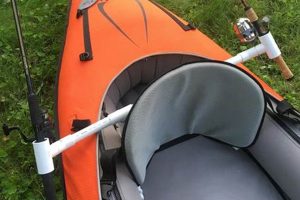
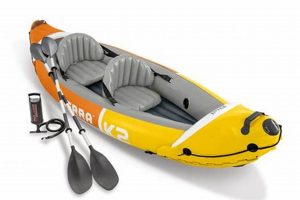
Acquiring a kayak specifically designed for fishing can represent a significant investment. Understanding the various purchasing options, from direct purchases and payment plans to loans and potential tax incentives, allows prospective buyers to make informed decisions. For example, comparing the overall cost of a loan with its interest rate against the potential benefits of a discounted cash purchase can significantly impact long-term affordability.
Smart financial planning plays a crucial role in acquiring suitable fishing equipment. This includes not just the vessel itself but also related gear such as rods, reels, safety equipment, and potential transportation solutions. Budgeting and exploring different financing options can make the difference between an enjoyable, financially sound purchase and long-term financial strain. Historically, angling equipment was a simpler, less specialized market. Modern advancements in kayak design and fishing technology have created a wider range of choices, making informed financial decisions even more critical.
This article will further explore various financial strategies related to kayak fishing, covering topics such as determining a realistic budget, evaluating financing options, considering the long-term costs of ownership, and maximizing the value of your investment.
Financial Tips for Acquiring a Fishing Kayak
Careful financial planning is essential for making a sound investment in a fishing kayak and associated equipment. The following tips provide guidance for navigating the financial aspects of this purchase.
Tip 1: Establish a Realistic Budget: Determine the total affordable expenditure, including not only the kayak but also essential gear, potential transportation costs, and ongoing maintenance.
Tip 2: Explore Financing Options: Research various financing methods, including personal loans, retailer financing, and credit card options. Compare interest rates, loan terms, and potential fees to identify the most suitable approach.
Tip 3: Consider Long-Term Costs: Factor in ongoing expenses such as storage fees, insurance, repairs, and replacements when assessing the overall financial commitment. A seemingly affordable initial purchase can become costly over time if these factors are overlooked.
Tip 4: Research Tax Incentives: Investigate potential tax deductions or credits related to recreational purchases or small business expenses, especially if the kayak is used for commercial purposes.
Tip 5: Evaluate Resale Value: Research the typical resale value of comparable kayaks to understand the potential return on investment and factor depreciation into long-term cost calculations.
Tip 6: Negotiate and Compare Prices: Don’t hesitate to negotiate with retailers or explore used kayak options to secure the best possible price. Comparing prices across different vendors can yield significant savings.
Tip 7: Prioritize Essential Gear: Focus initial spending on essential safety equipment and core fishing gear. Additional accessories can be acquired gradually as the budget allows.
By implementing these financial strategies, prospective kayak anglers can minimize financial risks and maximize the enjoyment of their investment. A well-planned purchase ensures long-term affordability and allows anglers to focus on the sport rather than financial concerns.
This information provides a solid foundation for making informed decisions about financing a fishing kayak. Further research tailored to individual financial situations is always recommended.
1. Budgeting

Budgeting forms the cornerstone of responsible financial planning when acquiring a fishing kayak. A comprehensive budget outlines the total anticipated expenditure, encompassing not only the kayak itself but also associated costs frequently overlooked. These include essential safety gear (life vests, whistles), fishing equipment (rods, reels, tackle), potential transportation solutions (roof racks, trailers), and ongoing maintenance (repairs, storage). A well-defined budget allows prospective buyers to assess affordability realistically and make informed decisions without incurring undue financial strain. For example, a budget might reveal that a high-end kayak, while desirable, necessitates compromises on other essential gear, prompting consideration of a more affordable vessel that allows for a balanced equipment purchase.
The budgeting process requires careful evaluation of various factors. Income, existing financial obligations, and savings contribute to determining a realistic spending limit. Researching the cost of different kayak models, comparing prices from various vendors, and factoring in potential financing options (loans, payment plans) are crucial steps. A detailed budget provides a clear picture of the overall investment and allows for adjustments, ensuring the purchase aligns with long-term financial goals. For instance, understanding the impact of a loan’s interest rate on the total cost can lead to exploring alternative financing methods or adjusting the kayak selection to minimize borrowing.
Effective budgeting empowers informed decision-making, reduces financial risk, and enhances the overall experience of acquiring a fishing kayak. It facilitates a balanced approach to purchasing, ensuring that essential safety and fishing gear are not compromised for a more expensive vessel. Furthermore, a well-defined budget allows for informed exploration of financing options and promotes long-term financial stability. The absence of a budget can lead to impulsive decisions, unexpected expenses, and potential financial difficulties. Therefore, meticulous budgeting is paramount to a successful and financially sound fishing kayak acquisition.
2. Financing Options

Financing options play a crucial role in acquiring a fishing kayak, bridging the gap between desire and affordability. Various financing methods cater to diverse financial situations, enabling prospective buyers to select the most suitable approach. These options range from personal loans offered by banks and credit unions to specialized retailer financing plans and leveraging credit cards. Each option presents distinct advantages and disadvantages, impacting the overall cost and repayment terms. For example, a personal loan might offer a lower interest rate but require a more stringent application process, while retailer financing could provide quicker approval but with potentially higher interest charges.
Understanding the nuances of each financing option is essential for making informed decisions. Comparing interest rates, loan terms, associated fees, and potential penalties allows buyers to evaluate the long-term financial implications. Factors such as credit score, down payment amount, and repayment period significantly influence loan eligibility and terms. A higher credit score often translates to lower interest rates and more favorable loan conditions. A larger down payment can reduce the loan amount and potentially lower monthly payments. Choosing a shorter repayment period results in higher monthly payments but less overall interest paid, while a longer repayment period lowers monthly payments but increases total interest accrued. For instance, a buyer with a strong credit score might secure a low-interest personal loan with a manageable repayment schedule, while someone with a limited credit history might opt for retailer financing despite potentially higher interest rates, enabling access to the desired kayak.
Careful consideration of financing options empowers buyers to make sound financial decisions aligned with individual circumstances and long-term goals. Failing to thoroughly evaluate these options can lead to unforeseen financial burdens and compromise the enjoyment of kayak ownership. Therefore, diligent research and comparison of available financing methods are essential components of responsibly acquiring a fishing kayak. This informed approach fosters a positive ownership experience, allowing focus to shift from financial concerns to the enjoyment of the sport.
3. Long-Term Costs

Acquiring a fishing kayak involves more than just the initial purchase price. Understanding long-term costs is crucial for responsible financial planning and ensuring the affordability and enjoyment of kayak ownership over time. These costs, often overlooked during the initial excitement of purchasing, can significantly impact the overall financial commitment and should be carefully considered.
- Storage
Kayak storage represents a recurring expense. Options range from home storage (requiring space and potentially racking systems) to paid storage facilities (incurring monthly or annual fees). Geographic location and available space influence storage choices and associated costs. Coastal residents with limited home storage might opt for paid facilities, while those with ample space might incur minimal expenses. Choosing appropriate storage safeguards the kayak’s condition and longevity, influencing resale value.
- Maintenance and Repairs
Regular maintenance and occasional repairs are inevitable. These include cleaning, inspections, and addressing wear and tear from usage and environmental exposure. Neglecting maintenance can lead to more costly repairs down the line. For example, regular cleaning prevents the buildup of damaging grime and saltwater residue, extending the kayak’s lifespan. Budgeting for these expenses mitigates unexpected financial strain.
- Replacement and Upgrades
Fishing gear, including rods, reels, lines, and safety equipment, requires periodic replacement due to wear and tear or advancements in technology. Anglers might also choose to upgrade equipment to enhance performance or explore new fishing techniques. For instance, fishing lines degrade over time and require replacement, while anglers might choose to upgrade to a higher-quality reel for improved casting distance and accuracy. These costs should be factored into the long-term budget.
- Transportation
Transporting the kayak to and from fishing locations incurs costs. These depend on the transportation method used, such as using a personal vehicle with roof racks or a trailer (requiring fuel and potential equipment purchases) or utilizing shuttle services (involving fees). The distance to fishing spots and frequency of trips influence transportation expenses. Anglers frequently traveling long distances might incur substantial fuel costs, while those fishing locally might have minimal transportation expenses.
Accurately assessing and budgeting for these long-term costs ensures a financially sustainable approach to kayak fishing. Ignoring these factors can lead to unexpected expenses and potentially diminish the enjoyment of the sport. Therefore, considering the comprehensive financial commitment, including both initial purchase price and ongoing expenses, is paramount for a positive and financially sound kayak fishing experience.
4. Resale Value
Resale value represents a critical factor in the financial landscape of acquiring a fishing kayak. Understanding how various elements influence resale value empowers buyers to make informed decisions, maximizing long-term financial outcomes and potentially offsetting initial investment costs. A kayak’s resale value significantly impacts overall affordability and should be considered alongside purchase price and long-term ownership expenses.
- Kayak Condition
Maintaining a kayak in good condition, both cosmetically and functionally, directly impacts its resale value. Regular cleaning, prompt repairs, and proper storage minimize wear and tear, preserving its appeal to potential buyers. A well-maintained kayak commands a higher resale price compared to a neglected one, demonstrating the importance of preventative care and responsible ownership. Evidence of significant damage, repairs, or excessive wear can substantially reduce resale value.
- Brand and Model
Reputable kayak brands known for quality, durability, and performance tend to retain higher resale values. Specific models with desirable features or specialized designs, such as those optimized for fishing, can also command premium resale prices. Researching brand reputation and model popularity provides insights into potential resale value, informing purchase decisions. Less-known brands or models with limited demand may depreciate more rapidly.
- Market Demand and Trends
Current market demand for fishing kayaks and prevailing trends influence resale value. Factors such as popularity of the sport, economic conditions, and technological advancements impact buyer interest and pricing. Staying informed about market dynamics provides insights into potential resale value fluctuations. For instance, a surge in kayak fishing popularity can drive up demand and resale prices, while an economic downturn might have the opposite effect.
- Accessories and Upgrades
Including desirable accessories and upgrades, such as fish finders, rod holders, or upgraded seating systems, can enhance a kayak’s resale value. These additions increase functionality and appeal to potential buyers, justifying a higher asking price. However, the value added by accessories depends on their quality, relevance to fishing, and overall market demand. Unnecessary or poorly integrated accessories might not significantly impact resale value.
Considering resale value as an integral part of the financial planning process associated with acquiring a fishing kayak allows for informed decision-making. Evaluating factors influencing resale potential maximizes long-term financial outcomes and contributes to a more strategic approach to kayak ownership. By understanding the interplay between these factors, buyers can make choices that not only enhance their fishing experience but also protect their investment.
5. Negotiation

Negotiation plays a crucial role in optimizing the financial aspect of acquiring a fishing kayak. Effectively negotiating price and purchase terms can significantly reduce the overall cost and maximize the value obtained. This applies to both new and used kayaks, impacting overall affordability and long-term financial implications. Understanding the potential for negotiation empowers buyers to approach the purchase process strategically, securing the best possible deal. For example, negotiating a lower price on a new kayak or securing additional accessories, such as a paddle or life vest, as part of the deal can represent substantial savings.
Several factors influence the potential for successful negotiation. Market conditions, dealer inventory levels, and the buyer’s preparedness contribute to negotiating leverage. Researching comparable kayak prices from different vendors provides a baseline for understanding fair market value and strengthens the buyer’s negotiating position. Presenting a reasonable offer based on this research demonstrates informed purchasing intent. Timing also plays a role; end-of-season sales or clearance events often present increased negotiation opportunities. For instance, a buyer aware of a surplus inventory of a specific kayak model can leverage this knowledge to negotiate a more favorable price. In the used kayak market, assessing the kayak’s condition, identifying potential repairs, and researching comparable used kayak prices provides a foundation for effective negotiation.
Negotiation represents a valuable tool in managing the financial aspects of acquiring a fishing kayak. While not always guaranteeing a lower price, a well-prepared and informed approach significantly increases the likelihood of securing a better deal. Understanding market dynamics, researching comparable prices, and presenting reasonable offers empowers buyers to maximize their purchasing power and optimize their investment. Failing to explore negotiation possibilities potentially leaves money on the table, impacting long-term affordability and overall satisfaction with the purchase. Therefore, incorporating negotiation as a strategic component of the acquisition process contributes to responsible financial management and enhances the overall kayak ownership experience.
6. Prioritization

Prioritization plays a crucial role in the financial management of acquiring a fishing kayak. Limited budgets necessitate careful allocation of funds, ensuring essential needs are met before considering non-essential items. This principle applies to both the initial purchase and ongoing expenses associated with kayak ownership. For example, prioritizing essential safety gear, such as a personal flotation device and signaling whistle, over a high-end fish finder ensures basic safety needs are met within budget constraints. Similarly, opting for a used kayak in good condition instead of a new, top-of-the-line model allows allocation of remaining funds towards essential fishing gear and safety equipment. Effective prioritization ensures a balanced approach to acquisition, maximizing utility and safety within financial limitations. Failure to prioritize effectively can lead to overspending on non-essential items, compromising safety or functionality due to insufficient funds for crucial equipment.
Prioritization extends beyond the initial purchase to encompass ongoing expenses. Routine maintenance, such as cleaning and inspections, takes precedence over optional upgrades, ensuring the kayak’s longevity and preserving its resale value. Budgeting for essential repairs, like patching a hull or replacing damaged components, takes priority over acquiring non-essential accessories. This approach safeguards the kayak’s functionality and prevents minor issues from escalating into costly major repairs. For instance, prioritizing timely replacement of worn-out fishing lines prevents potential equipment failure during critical moments, while delaying the purchase of a new rod and reel until sufficient funds are available ensures responsible financial management. This principle reinforces the importance of distinguishing between needs and wants, promoting long-term affordability and maximizing the value derived from the initial investment.
Effective prioritization, therefore, represents a cornerstone of sound financial management in the context of acquiring and maintaining a fishing kayak. By prioritizing essential needs and expenses, individuals ensure both safety and functionality while remaining within budgetary constraints. This approach fosters responsible financial decision-making, promoting long-term affordability and maximizing the enjoyment and utility derived from the kayak. Failure to prioritize effectively can lead to compromised safety, unnecessary expenses, and diminished overall satisfaction with the kayak fishing experience. Prioritization empowers individuals to align their financial resources with their needs and goals, ensuring a sustainable and rewarding pursuit of the sport.
Frequently Asked Questions
This FAQ section addresses common financial concerns associated with acquiring a fishing kayak.
Question 1: What is the typical price range for fishing kayaks?
Fishing kayak prices vary significantly based on factors like size, features, materials, and brand reputation. Entry-level kayaks can range from a few hundred dollars to around $1,000. Mid-range models typically fall between $1,000 and $2,500, while high-end fishing kayaks can exceed $3,000 or more. Researching different brands and models is crucial for determining a suitable kayak within budget constraints.
Question 2: Are there financing options specifically for kayaks?
While some kayak retailers offer specialized financing plans, traditional financing methods like personal loans, credit cards, and lines of credit can also be utilized. Comparing interest rates, loan terms, and fees across various options is essential for securing the most favorable financing arrangement.
Question 3: What factors should be considered when budgeting for a fishing kayak?
A comprehensive budget should encompass not only the kayak’s purchase price but also essential accessories (paddles, life vests, fishing gear), potential transportation costs (roof racks, trailers), and ongoing expenses (storage, maintenance, repairs). Accurately estimating these costs ensures responsible financial planning.
Question 4: How does financing impact the overall cost of a kayak?
Financing increases the overall cost due to accrued interest charges. Longer loan terms typically result in lower monthly payments but higher total interest paid. Shorter loan terms lead to higher monthly payments but less overall interest. Carefully evaluating loan terms and interest rates helps minimize the total cost.
Question 5: Does purchasing a used kayak present financial advantages?
Used kayaks often offer significant cost savings compared to new models. However, thorough inspection for potential damage or repairs is crucial. Balancing cost savings with potential maintenance needs informs purchasing decisions. Researching comparable used kayak prices ensures a fair purchase price.
Question 6: What are the potential tax implications of purchasing a fishing kayak?
In some regions, sales tax applies to kayak purchases. Additionally, if the kayak is used for business purposes, certain expenses related to its purchase and maintenance might be tax deductible. Consulting with a tax professional provides clarity on specific regional regulations and potential deductions.
Careful consideration of these financial aspects contributes to a responsible and enjoyable kayak fishing experience. Thorough research and planning ensure long-term affordability and facilitate informed decision-making.
The next section will delve into specific kayak models and features tailored to different fishing styles and preferences.
Financial Considerations for Kayak Anglers
Acquiring a fishing kayak necessitates careful financial planning. This article explored key aspects of responsible financial management related to kayak angling, encompassing budgeting, financing options, long-term costs, resale value, negotiation tactics, and prioritization strategies. Understanding these elements empowers prospective buyers to make informed decisions aligned with individual financial circumstances and long-term goals. A well-defined budget, coupled with informed exploration of financing options and a thorough assessment of long-term costs, minimizes financial risks and maximizes the enjoyment of kayak ownership.
Strategic acquisition of a fishing kayak requires a holistic understanding of financial implications. Considering not just the initial purchase price but also ongoing expenses, potential resale value, and available financing options contributes to long-term affordability and a positive ownership experience. Informed financial planning transforms the pursuit of kayak angling from a potentially burdensome expense into a sustainable and rewarding recreational investment.