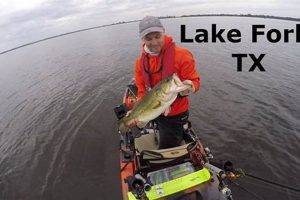
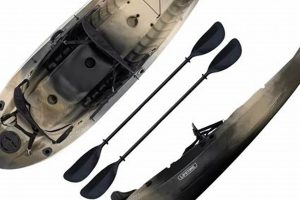
The sport of angling from a small, human-powered watercraft offers unique access to Virginia’s diverse waterways. From the tidal creeks and inlets of the Chesapeake Bay to the mountain streams and lakes of the Shenandoah Valley, this method allows anglers to explore areas often inaccessible to larger vessels. A quiet approach facilitates close encounters with nature and increases the likelihood of spotting wildlife, enhancing the overall experience. It also represents a sustainable and environmentally friendly approach to enjoying the outdoors.
The low impact of this activity minimizes disturbance to aquatic ecosystems and allows for a more immersive experience in nature. This mode of fishing has grown in popularity in recent years due to its affordability, versatility, and the growing awareness of its environmental benefits. Historically, small boats have been used for fishing in Virginia waters for centuries, but the modern iteration with specialized kayaks and equipment has significantly expanded the possibilities for anglers.
This article will delve into the specific aspects of this pursuit within the Commonwealth, covering topics such as suitable locations, necessary equipment, licensing and regulations, safety considerations, and techniques tailored to Virginia’s fish species and waterways.
Tips for Kayak Fishing in Virginia
Careful planning and preparation contribute significantly to a successful and enjoyable fishing excursion. The following tips offer valuable guidance for anglers of all experience levels.
Tip 1: Research and Choose Suitable Locations: Virginia offers diverse fishing environments, from coastal saltwater to inland freshwater. Thorough research should precede any trip to identify locations appropriate for skill level and targeted species. Consult online resources, local fishing reports, and maps to determine water access points, potential hazards, and prevailing conditions.
Tip 2: Utilize Appropriate Gear and Equipment: Selecting the right kayak and fishing gear is paramount. Consider stability, maneuverability, and storage capacity when choosing a kayak. Essential equipment includes paddles, life vests, appropriate fishing rods and reels, tackle suited to target species, and safety gear such as a whistle and signaling devices.
Tip 3: Prioritize Safety Precautions: Check weather forecasts before embarking on any fishing trip and be prepared for changing conditions. Always wear a personal flotation device (PFD). Inform someone of the intended fishing location and estimated return time. Carry a first-aid kit and be aware of potential hazards such as boat traffic, submerged obstacles, and changing tides or currents.
Tip 4: Understand and Adhere to Regulations: Obtain the necessary fishing licenses and familiarize oneself with all applicable state and local fishing regulations, including size and creel limits. Practice responsible angling by minimizing environmental impact and properly disposing of fishing line and other waste.
Tip 5: Employ Effective Fishing Techniques: Adapt fishing techniques to target species and the specific environment. Research effective bait and lure choices for Virginia waters and learn techniques relevant to the chosen location, whether it be trolling, casting, or drift fishing.
Tip 6: Plan for Proper Fish Handling and Storage: Consider bringing a cooler or appropriate storage container for preserving the catch. Handle fish with care to minimize stress and mortality. Learn proper fish handling techniques for both catch-and-release and harvesting for consumption.
Tip 7: Practice Leave No Trace Principles: Respect the environment by packing out all trash and minimizing disturbance to natural habitats. Avoid disturbing wildlife and be mindful of other anglers and recreational users of the waterway.
By adhering to these guidelines, anglers can maximize their enjoyment while contributing to the preservation of Virginia’s aquatic resources for future generations.
The next section will offer further information on specific locations and resources for kayak fishing in Virginia.
1. Locations
Location selection significantly influences the success and overall experience of kayak fishing in Virginia. The diverse geography offers a spectrum of fishing environments, each with unique characteristics and species. Coastal areas such as the Chesapeake Bay and its tributaries provide access to saltwater species like striped bass, flounder, and speckled trout. Tidal rivers and inlets present opportunities for exploring shallow-water habitats and targeting redfish, drum, and speckled trout. Inland lakes and reservoirs, such as Lake Anna and Buggs Island Lake, offer excellent freshwater fishing for largemouth bass, crappie, and catfish. The western region of the state boasts numerous mountain streams and rivers, ideal for targeting smallmouth bass and trout. Choosing a location suited to targeted species and angler skill level is essential for a productive outing. For example, beginners might find the calm waters of a small lake more manageable than the open waters of the Chesapeake Bay.
Specific location characteristics, like water clarity, depth, structure, and current, further refine location choices. Clear water often necessitates lighter tackle and stealthier approaches, while murky water may benefit from the use of louder lures and stronger scents. Understanding water depth influences lure selection and retrieval techniques. Structures such as submerged logs, rock formations, and vegetation provide habitat for fish and present strategic locations for casting or trolling. Currents, particularly in tidal waters, dictate drift patterns and can concentrate fish in specific areas. Careful consideration of these factors improves the likelihood of locating and catching target species. Anglers targeting striped bass in the Chesapeake Bay, for instance, often focus on areas with strong currents and structure, such as channel edges and bridge pilings.
Effective location selection requires thorough research and planning. Consulting resources such as fishing maps, online forums, and local tackle shops provides valuable insights into productive areas. Understanding tidal patterns, water temperature fluctuations, and seasonal fish movements further refines location selection. Accessing real-time data on water conditions and fishing reports enhances preparedness. Ultimately, the strategic choice of location, informed by research and an understanding of environmental factors, significantly contributes to a successful and rewarding kayak fishing experience in Virginia.
2. Species
The diverse fish species inhabiting Virginia’s waters represent a key element of the kayak fishing experience. Targeting specific species influences location choices, equipment selection, and angling techniques. Understanding the characteristics and habitats of these species is crucial for a successful and rewarding fishing trip.
- Largemouth Bass
Largemouth bass, a popular freshwater game fish, thrives in Virginia’s lakes, reservoirs, and rivers. They prefer habitats with structure such as submerged vegetation, fallen trees, and rock formations. Anglers often target them using lures that mimic baitfish, crayfish, or frogs. Their aggressive nature and fighting ability make them a prized catch.
- Striped Bass
Striped bass, an anadromous species found in the Chesapeake Bay and its tributaries, offers a challenging and exciting fishing experience. These fish migrate from saltwater to freshwater to spawn. Anglers utilize various techniques, including trolling, casting, and live bait fishing, to target striped bass in different environments, from open water to shallow flats.
- Trout
Virginia’s coldwater streams and rivers support populations of brook, brown, and rainbow trout. These species thrive in clear, oxygenated water and often inhabit areas with riffles, pools, and overhanging vegetation. Fly fishing, spin fishing, and bait fishing are common techniques used to pursue trout.
- Channel Catfish
Channel catfish, a prevalent freshwater species, inhabits many of Virginia’s rivers, lakes, and ponds. They are bottom feeders, scavenging on a variety of food sources. Anglers typically use bait such as worms, chicken liver, or prepared baits to target these fish. Their widespread distribution and relatively easy capture make them a popular target for anglers of all skill levels.
The variety of fish species available in Virginia provides diverse angling opportunities. Matching species-specific behaviors and habitats with appropriate techniques and equipment is essential for success. Careful consideration of target species influences location choices, from the brackish waters of the Chesapeake Bay to the pristine mountain streams of the Shenandoah Valley, further enriching the kayak fishing experience.
3. Regulations
Adherence to fishing regulations is essential for the sustainability of aquatic resources and the responsible enjoyment of kayak fishing in Virginia. These regulations, established by the Virginia Department of Wildlife Resources (VDWR), govern licensing requirements, size and creel limits, permitted fishing methods, and designated areas open to fishing. They aim to protect fish populations, maintain healthy ecosystems, and ensure equitable access to resources for all anglers. Ignoring these regulations can result in fines, confiscation of equipment, and suspension of fishing privileges. For instance, exceeding the creel limit for striped bass or fishing in closed spawning areas carries significant penalties.
Specific regulations vary depending on the species targeted, the water body being fished, and the time of year. For example, trout fishing in designated stocked trout streams requires a separate trout license in addition to a regular fishing license. Size limits dictate the minimum and maximum size of fish that can be legally kept, ensuring the protection of breeding populations and allowing for sufficient growth. Creel limits restrict the number of fish an angler can keep per day, preventing overharvesting. Certain fishing methods, such as the use of certain types of nets or fishing during closed seasons, may be prohibited to protect vulnerable species or during spawning periods. Understanding these species-specific regulations is crucial for compliance and responsible angling. Consulting the VDWR website provides access to comprehensive information on current fishing regulations, including interactive maps and species-specific guidelines.
Compliance with fishing regulations contributes to the long-term health of Virginia’s fisheries and ensures the enjoyment of this recreational activity for future generations. Understanding and respecting these regulations reflects responsible angling practices and fosters a culture of conservation among the angling community. Beyond legal compliance, ethical considerations, such as catch-and-release practices and minimizing environmental impact, further contribute to sustainable fishing. This commitment to responsible angling safeguards Virginia’s diverse aquatic ecosystems and preserves its valuable natural resources.
4. Safety
Safety considerations are paramount in kayak fishing within Virginia, given the inherent risks associated with navigating waterways in a small vessel. The potential hazards range from environmental factors like changing weather conditions and strong currents to situational challenges such as navigation in congested areas or encountering submerged obstacles. A thorough understanding of these risks and the implementation of appropriate safety measures are crucial for mitigating potential accidents and ensuring a safe and enjoyable experience. For example, neglecting to check weather forecasts before embarking on a fishing trip can expose anglers to sudden storms or high winds, creating dangerous conditions on the water, particularly in open areas like the Chesapeake Bay. Similarly, failing to account for tidal changes can lead to grounding or difficulty returning to launch points, especially in shallow tidal creeks.
Several key safety practices contribute significantly to mitigating risks. Wearing a personal flotation device (PFD) is non-negotiable, providing essential buoyancy in the event of capsizing or accidental immersion. Carrying a communication device, such as a waterproof VHF radio or a charged mobile phone in a waterproof case, enables anglers to contact emergency services or other boaters if needed. Carrying essential safety gear, including a whistle, visual distress signals, a first-aid kit, and a bilge pump, enhances preparedness for unforeseen circumstances. File a float plan with a trusted individual detailing the planned fishing location, estimated return time, and emergency contact information. This allows for prompt response in case of overdue return. Regularly checking weather forecasts before and during the trip allows for adjustments to plans based on changing conditions and minimizes exposure to hazardous weather. Understanding navigational markers, charts, and local regulations helps avoid restricted areas and ensures safe passage through waterways. For example, navigating close to shipping channels or ignoring posted speed limits can create dangerous interactions with larger vessels.
Prioritizing safety in kayak fishing requires continuous vigilance and proactive planning. Regularly inspecting and maintaining equipment, including kayaks, paddles, and safety gear, ensures proper functionality when needed. Participating in safety courses or workshops provided by organizations like the American Canoe Association or the U.S. Coast Guard enhances paddling skills, rescue techniques, and overall water safety awareness. Ultimately, a comprehensive understanding of potential risks and the consistent application of safety measures are crucial for ensuring a secure and enjoyable kayak fishing experience in Virginia’s diverse waterways. This proactive approach to safety not only protects individual anglers but also fosters a culture of responsible boating within the community.
5. Equipment

Specialized equipment plays a crucial role in the success and enjoyment of kayak fishing in Virginia. The selection and utilization of appropriate gear directly influence an angler’s ability to navigate diverse waterways, target specific species, and ensure personal safety. Choices regarding kayaks, paddles, fishing rods and reels, tackle, and safety equipment should reflect the specific conditions of Virginia’s fishing environments, from the tidal currents of the Chesapeake Bay to the calm waters of inland lakes. For example, a longer, narrower kayak designed for speed and tracking might be suitable for open water fishing in the Bay, while a shorter, wider kayak offering greater stability might be preferred for maneuvering in shallow rivers or navigating tight spaces in vegetated areas. Similarly, the choice of fishing rods, reels, and associated tackle should align with the target species. Lighter tackle might be appropriate for targeting panfish or trout, whereas heavier gear might be necessary for larger species like striped bass or catfish.
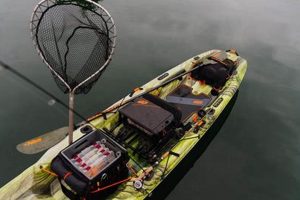
Beyond basic fishing gear, several specialized items enhance the kayak fishing experience. A fish finder, utilizing sonar technology, helps locate fish and identify underwater structures. A GPS unit aids navigation, particularly in larger bodies of water or unfamiliar areas. Anchor systems designed specifically for kayaks allow anglers to maintain position in desired locations, especially in areas with current or wind. Specialized kayak fishing PFDs incorporate features like pockets and attachment points for essential tools and accessories, enhancing convenience and safety. Rod holders and tackle storage systems integrated into the kayak’s design optimize space and keep essential gear within easy reach. Dry bags or waterproof containers protect sensitive electronics and personal items from water damage. Utilizing appropriate equipment, tailored to specific fishing environments and target species, significantly improves the chances of a successful and enjoyable outing. Investing in high-quality gear, while potentially representing an initial expense, often translates to increased durability, performance, and overall satisfaction in the long run.
Effective equipment selection requires careful consideration of individual needs, target species, and prevailing conditions. Researching different kayak models, fishing gear options, and specialized accessories empowers anglers to make informed decisions. Consulting with experienced kayak anglers or local tackle shops provides valuable insights and personalized recommendations. Ultimately, the strategic selection and proper utilization of equipment contribute significantly to a safe, productive, and rewarding kayak fishing experience in Virginia. Understanding the function and application of each piece of equipment allows anglers to adapt to changing conditions and maximize their chances of success while prioritizing safety and minimizing environmental impact.
6. Techniques
Effective angling techniques in Virginia require adaptation to specific environments and target species. Kayak fishing presents unique opportunities and challenges, demanding specialized approaches distinct from traditional boat or shore fishing. Understanding these techniques, from paddle control and positioning to lure presentation and fish fighting strategies, significantly impacts success and overall enjoyment. Mastering these skills allows anglers to effectively navigate diverse waterways, present lures naturally, and successfully land fish from a relatively small and mobile platform.
- Paddle Control and Positioning:
Precise paddle control is fundamental for maneuvering a kayak effectively and maintaining optimal fishing positions. Techniques like the sweep stroke and draw stroke enable anglers to position the kayak quietly and accurately, minimizing disturbance to fish and maximizing casting opportunities. In tidal rivers, understanding current dynamics and utilizing eddy currents for positioning conserves energy and improves presentation. For example, positioning a kayak upstream of a submerged log and allowing the current to drift the lure naturally can entice largemouth bass hiding in the structure.
- Casting and Lure Presentation:
Casting from a kayak requires adjustments to maintain balance and accuracy. A lower center of gravity necessitates shorter, more controlled casting motions. Lure presentation techniques vary depending on the target species and the environment. In shallow water, topwater lures create enticing surface disturbances, attracting strikes from species like largemouth bass and striped bass. In deeper water, techniques like jigging or trolling can effectively target bottom-dwelling species like catfish or flounder. Adapting lure retrieval speed and action to mimic the movement of natural prey enhances the effectiveness of presentations. Understanding these nuances improves hook-up ratios and overall fishing success.
- Fish Fighting and Landing:
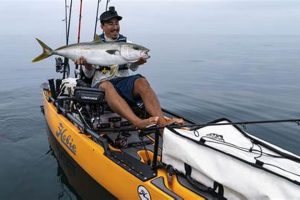
Fighting a fish from a kayak presents unique challenges due to the instability of the platform. Maintaining balance while applying appropriate pressure requires skill and practice. Utilizing the kayak’s maneuverability to steer the fish away from obstacles like submerged logs or other boats improves the chances of a successful landing. Using a net or lip grip facilitates bringing the fish onboard while minimizing stress on both the fish and the angler. Proper fish handling techniques, including appropriate hook removal and release methods, minimize injury and contribute to conservation efforts.
- Drift Fishing and Anchoring:
Drift fishing, allowing the kayak to move naturally with the current, presents a relaxed and effective method for covering water and locating fish. This technique works particularly well in rivers and tidal creeks, where the current carries the bait or lure through likely holding areas. Anchoring, utilizing specialized kayak anchors or stake-out poles, allows anglers to maintain position in specific locations, such as near drop-offs, submerged structures, or other fish-holding areas. This is particularly effective when fishing in deeper water or targeting specific structures. Knowing when to drift and when to anchor enhances fishing efficiency and maximizes opportunities.
Mastering these kayak fishing techniques significantly enhances angling success in Virginia’s diverse waters. By combining appropriate paddle control, effective casting and lure presentation, skilled fish fighting, and strategic drift fishing or anchoring, anglers can maximize their opportunities to connect with target species while enjoying the unique experience of kayak fishing. These specialized techniques, adapted to the challenges and opportunities presented by kayak fishing, distinguish this approach from traditional fishing methods and contribute to its growing popularity among anglers seeking a close connection with nature and a rewarding fishing experience.
Frequently Asked Questions
This section addresses common inquiries regarding kayak fishing in Virginia, providing concise and informative responses to facilitate informed decision-making and enhance the overall angling experience.
Question 1: What type of kayak is best suited for fishing in Virginia waters?
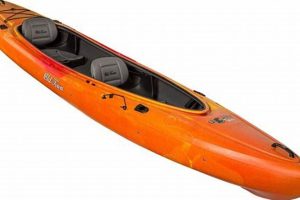
Kayak selection depends on the intended fishing location and personal preferences. Sit-on-top kayaks offer stability and ease of use, particularly for beginners. Sit-inside kayaks provide better protection from the elements and offer a drier ride, suitable for colder conditions. Inflatable kayaks offer portability and convenience but may be less stable than rigid kayaks. Consider factors such as stability, maneuverability, storage capacity, and intended use when selecting a kayak.
Question 2: Are special licenses or permits required for kayak fishing?
A valid Virginia fishing license is required for anyone 16 years of age or older. Additional permits may be required for specific species or locations, such as trout fishing in designated stocked trout waters. Consult the Virginia Department of Wildlife Resources (VDWR) website for detailed licensing requirements and regulations.
Question 3: What essential safety equipment should one carry while kayak fishing?
Essential safety equipment includes a properly fitted personal flotation device (PFD), a whistle, visual distress signals, a first-aid kit, a bilge pump or sponge, and a communication device like a VHF radio or a mobile phone in a waterproof case. A compass or GPS unit can assist with navigation, especially in larger bodies of water. Inform someone of the planned fishing location and expected return time.
Question 4: Where can reliable information on fishing regulations and locations be found?
The VDWR website provides comprehensive information on fishing regulations, licensing requirements, and public access points. Local tackle shops and fishing guides can offer valuable insights into specific fishing locations and techniques relevant to Virginia waters. Online forums and fishing reports can also provide helpful information.
Question 5: What are the best times of year for kayak fishing in Virginia?
Fishing opportunities exist year-round in Virginia, but optimal times vary depending on target species. Spring and fall offer excellent fishing for many species as water temperatures moderate. Summer can provide exciting topwater action for bass and other warm-water species. Winter fishing can be productive for cold-water species like trout. Consider water temperature, seasonal fish movements, and weather conditions when planning fishing trips.
Question 6: What are some recommended locations for beginners to try kayak fishing in Virginia?
Calm, protected waters offer ideal conditions for beginners. Small lakes and ponds, such as those found in state parks, provide manageable environments for learning basic kayak fishing techniques. Tidal creeks and rivers during periods of slack tide offer opportunities to explore diverse habitats without strong currents. Consider launching from designated kayak launch areas or public access points with calm water entry and exit points.
Careful consideration of these frequently asked questions enhances preparedness, promotes safety, and increases the likelihood of a successful and enjoyable kayak fishing experience in Virginia. Consulting official resources and seeking guidance from experienced anglers further contribute to informed decision-making and responsible angling practices.
The following section will provide further information on specific resources and guided tours available for kayak fishing in Virginia.
Kayak Fishing Virginia
This exploration of kayak fishing in Virginia has highlighted the diverse opportunities available within the Commonwealth. From the tidal reaches of the Chesapeake Bay to the tranquil mountain streams of the Shenandoah Valley, anglers can pursue a wide array of species in unique and challenging environments. The discussion encompassed essential aspects of this pursuit, including location selection, species identification, regulatory compliance, safety protocols, equipment choices, and specialized angling techniques. Emphasis has been placed on the importance of responsible angling practices, respect for the environment, and the contribution of these practices to the sustainability of Virginia’s aquatic resources.
Kayak fishing offers a unique and rewarding way to experience Virginia’s natural beauty and abundant aquatic life. Careful planning, informed decision-making, and a commitment to safety and conservation ensure a fulfilling experience for anglers of all skill levels. As this activity continues to grow in popularity, responsible stewardship and a focus on sustainable practices will remain crucial for preserving the integrity of Virginia’s waterways and ensuring the enjoyment of future generations. This pursuit connects individuals with nature, fosters an appreciation for aquatic ecosystems, and contributes to the long-term health and vitality of Virginia’s fisheries.