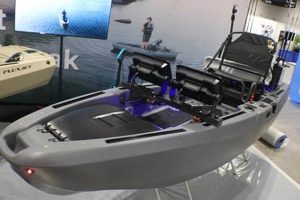
Securing a kayak in a desired location using an anchor system allows anglers to focus on fishing rather than maintaining position. This practice is particularly valuable in areas with current, wind, or when targeting specific structures like reefs or drop-offs. For example, deploying a lightweight, grapnel-style anchor enables an angler to hold position over a submerged wreck, maximizing fishing time in that productive zone.
Stationary fishing from a kayak offers several advantages. It conserves energy, allowing anglers to fish longer and cover water more effectively over time. Precision placement afforded by anchoring allows for targeted fishing of specific features, leading to increased catch rates. Historically, anchoring has played a vital role in fishing, and its adaptation to kayak fishing represents a natural progression, blending traditional techniques with modern equipment for enhanced angling opportunities.
The following sections will explore various aspects of this technique, covering suitable anchor types, deployment methods, safety considerations, and ethical practices related to responsible anchoring in different aquatic environments.
Tips for Effective Kayak Anchoring
Proper anchoring technique is essential for a safe and productive fishing experience. The following tips offer guidance for selecting appropriate equipment and employing best practices.
Tip 1: Choose the Right Anchor. Anchor selection depends on bottom composition and water conditions. Grapnel anchors suit rocky or weedy bottoms, while sand or mud bottoms benefit from fluke or mushroom-style anchors.
Tip 2: Use Adequate Anchor Line. Sufficient anchor line, typically 5-7 times the water depth, allows for adjustments in current and wind. Rope with high visibility aids retrieval.
Tip 3: Deploy the Anchor Properly. Lower the anchor slowly, avoiding tangles. Once the anchor sets, ensure adequate scope for a firm hold.
Tip 4: Consider Anchor Trolley Systems. An anchor trolley allows positioning of the anchor point along the kayak’s side, maximizing control in wind or current.
Tip 5: Carry a Quick-Release System. A quick-release mechanism enables rapid anchor detachment in emergencies, ensuring angler safety.
Tip 6: Be Mindful of the Environment. Avoid anchoring in sensitive habitats like coral reefs or seagrass beds. Retrieve anchors carefully to minimize disturbance.
Tip 7: Check Regulations. Local regulations may restrict anchoring in certain areas. Always consult relevant authorities before deploying an anchor.
Tip 8: Practice Anchor Deployment and Retrieval. Familiarization with anchoring procedures in calm conditions prepares anglers for various situations encountered on the water.
Adhering to these guidelines enhances both safety and fishing success, promoting responsible enjoyment of the sport.
By understanding these core principles, anglers can confidently integrate anchoring techniques into their kayak fishing practice.
1. Anchor Selection

Anchor selection significantly impacts the effectiveness and safety of kayak fishing. The interplay between anchor type and bottom substrate is critical. A mismatch can lead to dragging, hindering targeted fishing and potentially creating hazardous situations. For instance, a lightweight mushroom anchor, suitable for calm waters and sandy bottoms, would prove ineffective in strong currents or on a rocky seabed. Conversely, a robust grapnel anchor, designed for gripping rocks and vegetation, might be overkill in a placid lake with a soft, muddy bottom. Choosing the appropriate anchor type ensures a secure hold, maximizing fishing efficiency and minimizing disruptions.
Several factors influence optimal anchor selection. Water depth, current strength, and anticipated wind conditions play crucial roles. Heavier anchors are generally required in deeper water or stronger currents. Bottom composition, ranging from mud and sand to rock and vegetation, dictates anchor design. Kayak size and stability also contribute to anchor choice, as larger, more stable kayaks can handle heavier anchor systems. Considering these variables ensures appropriate holding power while avoiding unnecessary weight and complexity.
Appropriate anchor selection is fundamental to successful kayak fishing. A well-chosen anchor ensures a stable fishing platform, allowing anglers to focus on the task at hand. Understanding the relationship between anchor type, environmental conditions, and kayak characteristics contributes to a safer and more productive fishing experience. This knowledge empowers anglers to make informed decisions, enhancing their overall enjoyment and success on the water.
2. Line Management

Effective line management is crucial for safe and productive anchor kayak fishing. Proper handling of the anchor line ensures a secure hold, prevents tangles, and facilitates efficient retrieval. Neglecting this aspect can lead to complications, jeopardizing both fishing success and angler safety. Understanding key facets of line management contributes significantly to a positive on-the-water experience.
- Scope and Depth Ratio
Maintaining the correct ratio of anchor line to water depth, often referred to as scope, is fundamental. A scope of 5:1 or 7:1 (line length to depth) is generally recommended. Insufficient scope reduces holding power, increasing the risk of dragging. Excessive scope can lead to tangles and difficulties in retrieval. Matching scope to prevailing conditions ensures a secure hold while minimizing complications.
- Line Material and Condition
Choosing appropriate line material and maintaining its condition is vital. Marine-grade rope, resistant to abrasion and UV degradation, is preferred. Regular inspection for wear and tear helps prevent unexpected failures. A floating line enhances visibility and simplifies retrieval. Appropriate line selection contributes to longevity and reliable performance.
- Cleats and Securing Points
Utilizing cleats or dedicated securing points on the kayak is essential for effective line management. These features provide controlled release and retrieval, preventing uncontrolled line payout and potential tangles. Properly securing the line allows for adjustments to changing conditions and ensures efficient anchor deployment and retrieval.
- Tangle Prevention and Resolution
Preventing and addressing line tangles is critical. Careful deployment and retrieval techniques, combined with the use of a line organizer or chain, minimize tangles. Knowing how to quickly and efficiently resolve tangles minimizes downtime and frustration, ensuring a smooth and productive fishing experience.
Proficient line management significantly enhances anchor kayak fishing efficiency and safety. Understanding scope, line characteristics, securing points, and tangle prevention techniques allows for a streamlined and enjoyable experience. These principles contribute to a secure and stable fishing platform, enabling anglers to focus on their primary objective catching fish while minimizing potential hazards and maximizing time on the water.
3. Deployment Techniques

Proper anchor deployment is crucial for successful anchor kayak fishing. Effective techniques ensure a firm hold, minimizing drift and maximizing fishing time in the desired location. Incorrect deployment can lead to dragging, tangles, and potential hazards. Understanding various deployment methods and adapting them to specific conditions contributes significantly to a safe and productive fishing experience.
- Vertical Deployment
Lowering the anchor vertically is the most common technique. This method is suitable for relatively calm conditions and even bottom terrain. The anchor is slowly lowered until it reaches the bottom, allowing the line to pay out smoothly. Once the kayak drifts to the desired position, the line is secured, ensuring adequate scope for a firm hold. Vertical deployment is straightforward and effective in many situations.
- Controlled Drift Deployment
This technique utilizes prevailing wind or current to position the kayak before setting the anchor. The kayak is allowed to drift towards the target area, and the anchor is deployed slightly upstream or upwind. As the kayak continues to drift, the anchor line tightens, setting the anchor securely. This method is particularly useful in areas with consistent currents or predictable wind patterns.
- Multi-Anchor Deployment
Employing multiple anchors enhances stability, particularly in challenging conditions. Two anchors set at opposing angles create a more secure hold, minimizing swing and maximizing stability. This technique is valuable in strong currents or windy conditions where a single anchor might prove insufficient. Different configurations, such as tandem or V-shaped deployments, cater to specific scenarios and bottom characteristics.
- Deployment with an Anchor Trolley
An anchor trolley system enhances control and versatility in anchor placement. The trolley allows the anchor attachment point to be adjusted along the side of the kayak. This facilitates positioning the kayak at different angles relative to the current or wind, maximizing fishing efficiency and adapting to changing conditions. An anchor trolley adds a significant layer of control to anchor kayak fishing.
Mastering various anchor deployment techniques is essential for successful anchor kayak fishing. Choosing the appropriate method based on environmental conditions, bottom composition, and desired kayak position ensures a secure and stable fishing platform. Proficient deployment techniques contribute significantly to angler safety and fishing effectiveness, maximizing enjoyment and success on the water.
4. Safety Procedures
Safety procedures are paramount in anchor kayak fishing, mitigating inherent risks associated with open water and specialized equipment. Overlooking these procedures can lead to accidents, injuries, or even fatalities. A secure anchoring system is fundamental to angler safety. An improperly set anchor may drag, placing the kayak in hazardous situations, particularly in strong currents, high winds, or near navigation channels. A sudden release or failure of the anchor system can also create instability, potentially leading to capsizing. For instance, an angler fishing near a river bend without a properly secured anchor risks being swept downstream. Similarly, anchoring too close to a shipping lane without monitoring vessel traffic can result in collisions.
Several safety measures minimize risks associated with anchor kayak fishing. Wearing a personal flotation device (PFD) is non-negotiable. Carrying a sharp knife readily accessible allows for quick release of the anchor line in emergencies, preventing entanglement or capsizing. Regular inspection of anchor equipment, including the anchor, line, and attachment points, ensures reliability and prevents failures. Understanding local regulations and water conditions, such as tides and currents, is crucial for safe anchoring. Communicating planned fishing locations and estimated return times to someone onshore adds another layer of safety. Furthermore, carrying a whistle or other signaling device can prove crucial in attracting attention in distress situations. These precautions contribute significantly to angler safety, mitigating potential hazards and promoting responsible enjoyment of the sport.
Prioritizing safety procedures in anchor kayak fishing is essential for mitigating risks. Understanding potential hazards and implementing appropriate safety measures significantly reduces the likelihood of accidents. Adherence to these procedures enhances not only angler safety but also overall fishing enjoyment. Careful planning, equipment maintenance, and situational awareness contribute to a responsible and rewarding experience on the water.
5. Environmental Awareness

Environmental awareness is paramount in anchor kayak fishing. Responsible anchoring practices minimize impact on aquatic ecosystems, preserving their integrity for future generations. Ignoring environmental considerations can lead to habitat destruction, disruption of aquatic life, and degradation of water quality. Understanding the interplay between anchoring and the environment promotes sustainable fishing practices.
- Sensitive Habitat Avoidance
Avoiding anchoring in sensitive habitats, such as coral reefs, seagrass beds, and spawning grounds, is crucial. These areas provide essential shelter and breeding grounds for various aquatic species. Anchoring in these locations can cause physical damage, disrupting ecological balance and impacting biodiversity. For example, dragging an anchor across a coral reef can break fragile coral structures, impacting the entire reef ecosystem. Careful site selection preserves these vital habitats.
- Proper Anchor Retrieval
Retrieving anchors carefully minimizes disturbance to the seabed and prevents entanglement in submerged vegetation or structures. Yanking an anchor forcefully can dislodge plants, rocks, and other benthic organisms, disrupting their habitat. Furthermore, discarded or lost anchors contribute to debris accumulation, posing a threat to aquatic life and degrading water quality. Mindful retrieval techniques mitigate these negative impacts.
- Waste Management
Proper disposal of fishing line, hooks, and other waste materials is essential. Discarded fishing gear poses entanglement risks to marine animals and contributes to plastic pollution. Leaving no trace behind ensures minimal impact on the aquatic environment. Carrying a dedicated trash bag and disposing of waste responsibly minimizes long-term environmental consequences.
- Respecting Wildlife
Observing wildlife from a distance and avoiding disturbance is crucial. Close approaches can stress animals, disrupting their natural behaviors and potentially impacting their survival. Maintaining a respectful distance allows for observation without causing harm. Furthermore, avoiding interaction with entangled or distressed animals, unless properly trained and equipped for rescue, prevents further harm and ensures personal safety. Contacting local wildlife authorities is the appropriate response in such situations.
Integrating environmental awareness into anchor kayak fishing practices safeguards aquatic ecosystems and ensures their long-term health. Responsible anchoring contributes to the sustainability of the sport, allowing future generations to enjoy the natural beauty and bounty of our waterways. By minimizing our impact, we contribute to the preservation of these valuable resources.
6. Location Regulations
Adhering to location-specific regulations is essential for responsible anchor kayak fishing. Regulations vary widely, encompassing permitted anchoring areas, restricted zones, and specific equipment requirements. Non-compliance can result in fines, confiscation of equipment, or even legal action. Understanding and respecting these regulations ensures legal and ethical fishing practices, contributing to the preservation of aquatic environments and promoting harmonious coexistence with other water users.
- Designated Anchoring Areas
Many waterways designate specific areas for anchoring, often to protect sensitive habitats, maintain navigation channels, or manage recreational use. These designated zones may be marked with buoys, signs, or indicated on nautical charts. Anchoring outside these designated areas can disrupt ecosystems, interfere with navigation, or create conflicts with other water users. For instance, anchoring in a marked seagrass bed can damage vital habitat, while anchoring near a boat ramp can obstruct access for other boaters. Respecting designated anchoring areas ensures responsible use of shared waterways.
- Restricted Zones
Certain areas may be entirely restricted from anchoring, often due to safety or environmental concerns. These restrictions may apply to areas near dams, power plants, swimming areas, or sensitive wildlife habitats. Ignoring these restrictions can pose significant risks to both anglers and the environment. For example, anchoring near a dam’s spillway can expose kayaks to dangerous currents and fluctuating water levels. Similarly, anchoring in a protected bird sanctuary can disrupt nesting behaviors and impact avian populations. Observing restricted zone designations is crucial for safety and environmental protection.
- Permitting Requirements
Some locations may require permits for anchoring, particularly in protected areas or for extended stays. These permits often involve fees and may stipulate specific anchoring durations or locations. Permitting systems help manage resource use, ensuring sustainable access and minimizing environmental impact. Failure to obtain required permits can result in penalties and exclusion from designated areas. Complying with permitting requirements contributes to responsible resource management and supports conservation efforts.
- Equipment Regulations
Regulations may dictate specific anchor types, line materials, or other equipment requirements. These regulations often aim to minimize environmental damage or enhance safety. For example, some areas may prohibit the use of certain anchor types known to damage sensitive habitats, such as coral reefs. Similarly, regulations might mandate the use of readily biodegradable anchor line to minimize long-term environmental impact. Adhering to equipment regulations ensures responsible and sustainable fishing practices.
Understanding and adhering to location-specific regulations is integral to responsible anchor kayak fishing. These regulations, encompassing permitted anchoring areas, restricted zones, permitting requirements, and equipment specifications, contribute to the preservation of aquatic environments, enhance safety, and promote harmonious coexistence among various water users. Complying with these regulations ensures a sustainable and ethical approach to the sport, allowing anglers to enjoy their pursuit while minimizing their impact and respecting the rights of others.
Frequently Asked Questions
This section addresses common inquiries regarding anchor kayak fishing, providing concise and informative responses to enhance understanding and promote safe and responsible practices.
Question 1: What type of anchor is most suitable for kayak fishing?
Anchor selection depends on factors such as bottom composition, water depth, and current strength. Grapnel anchors are versatile and effective in various conditions, particularly on rocky or weedy bottoms. Fluke or mushroom anchors are generally preferred for sandy or muddy substrates. Matching anchor type to environmental conditions ensures optimal holding power.
Question 2: How much anchor line is needed for kayak fishing?
A general guideline is to use 5-7 times the water depth as anchor line length. This provides adequate scope for a secure hold while minimizing tangles and facilitating retrieval. Adjustments may be necessary based on prevailing wind and current conditions.
Question 3: Is an anchor trolley system necessary for kayak fishing?
While not strictly necessary, an anchor trolley system enhances control and versatility. It allows adjustment of the anchor’s attachment point along the kayak’s side, facilitating optimal positioning in varying wind or current conditions.
Question 4: What safety precautions should be taken when anchor kayak fishing?
Wearing a personal flotation device (PFD) is paramount. Carrying a sharp knife for quick anchor line release in emergencies is crucial. Regular inspection of anchor equipment and awareness of local regulations and water conditions are also essential safety practices.
Question 5: What environmental considerations are relevant to anchor kayak fishing?
Avoiding anchoring in sensitive habitats like coral reefs or seagrass beds is crucial. Careful anchor retrieval minimizes seabed disturbance. Proper disposal of fishing line and other waste materials minimizes environmental impact. Respecting wildlife by observing from a distance is also essential.
Question 6: Where can information on local anchoring regulations be found?
Local boating or fishing regulations often contain specific guidelines on anchoring. Consulting local authorities, harbormasters, or online resources related to the specific waterway provides information on permitted anchoring areas, restricted zones, and any equipment requirements.
Careful consideration of these frequently asked questions enhances preparedness and promotes responsible anchoring practices. Adhering to safety guidelines and environmental considerations ensures a positive and sustainable kayak fishing experience.
For further information, consult local resources or seek guidance from experienced kayak anglers. The following resources may also prove helpful…
Anchor Kayak Fishing
This exploration of anchor kayak fishing has highlighted key aspects, from equipment selection and deployment techniques to safety procedures and environmental considerations. Appropriate anchor choice, informed by bottom composition and water conditions, is fundamental. Effective line management ensures secure holds and prevents tangles. Varied deployment techniques, adapted to specific locations and conditions, maximize fishing effectiveness. Prioritizing safety procedures, including PFD use and equipment maintenance, mitigates risks. Integrating environmental awareness, respecting sensitive habitats, and adhering to local regulations ensures responsible angling practices. These elements collectively contribute to a safe, productive, and sustainable approach to anchor kayak fishing.
Anchor kayak fishing offers significant advantages, enabling anglers to access prime fishing locations and maintain optimal positions. However, responsible practice requires careful consideration of both environmental impact and safety protocols. Continued education and adherence to best practices will ensure the long-term viability and enjoyment of this specialized angling technique, preserving aquatic resources for future generations while promoting a safe and rewarding experience for all.