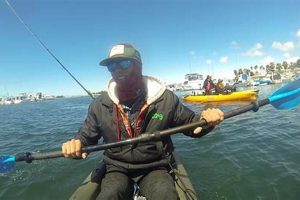
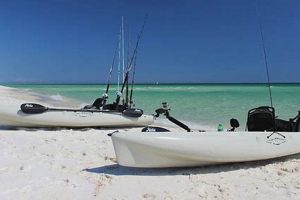
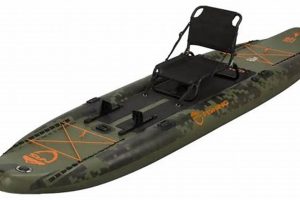
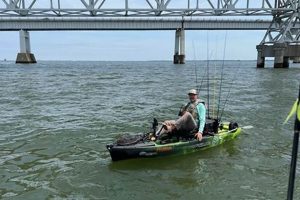
Angling for Salvelinus namaycush from a small, human-powered vessel offers a unique blend of sport and connection with nature. This approach involves pursuing these cold-water fish in their natural habitat using specialized tackle and techniques adapted for the stability and mobility of kayaks. An example would be trolling with downriggers in deep, clear water or casting near rocky shorelines.
This method provides advantages over traditional boat fishing. Kayaks grant access to shallow, secluded areas often unreachable by larger vessels, expanding fishing opportunities. The quiet operation of a kayak minimizes disturbance, potentially increasing catch rates. Additionally, the physical exertion and close proximity to the water enhance the overall experience, fostering a deeper appreciation for the environment. While the practice itself is relatively modern, it builds upon a long history of fishing from small watercraft, demonstrating an evolution of traditional methods.
The following sections delve into essential aspects of this pursuit, covering topics such as selecting appropriate equipment, mastering effective techniques, and understanding the behavior of the target species.
Tips for Successful Outings
Maximizing success requires careful planning and execution. These tips offer guidance for a rewarding experience targeting these prized fish from a kayak.
Tip 1: Understand Lake Trout Behavior: Target deep, cold water habitats. These fish often suspend over drop-offs, near rocky structures, or in areas with significant thermal stratification. Knowledge of preferred depths and seasonal movement patterns significantly improves catch rates.
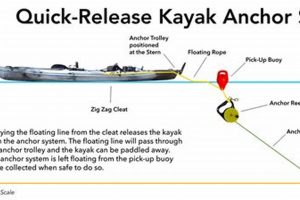
Tip 2: Choose Specialized Gear: Opt for a stable kayak platform designed for fishing. Essential equipment includes a fish finder, rod holders, and a reliable anchor system. A medium-heavy action rod paired with a high-capacity reel spooled with braided line is recommended.
Tip 3: Master Effective Techniques: Trolling with downriggers is a highly effective method for reaching deep-dwelling lake trout. Jigging and casting spoons or crankbaits can also be productive, especially near structures or during shallower feeding periods.
Tip 4: Prioritize Safety: Always wear a personal flotation device. Carry a communication device and inform someone of fishing plans. Check weather conditions before embarking and be prepared for changing conditions on the water.
Tip 5: Employ Proper Fish Handling: Minimize handling time to reduce stress on the fish. Use a landing net and wet hands before handling. Practice catch-and-release techniques whenever possible to conserve populations.
Tip 6: Respect the Environment: Properly dispose of fishing line and other waste. Avoid disturbing sensitive habitats. Adhere to all regulations and licensing requirements.
Tip 7: Utilize a Fish Finder: Identifying underwater structures, thermoclines, and fish locations significantly increases efficiency. Understanding how to interpret fish finder data is essential for consistent success.
Tip 8: Adapt to Changing Conditions: Weather, water temperature, and light levels influence fish behavior. Remaining flexible and adjusting techniques throughout the day optimizes fishing success.
By incorporating these strategies, anglers can increase their chances of success while promoting responsible and enjoyable fishing practices.
The following section concludes with a summary of key principles and a call to action for readers.
1. Kayak Selection

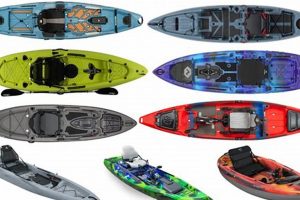
Appropriate kayak selection significantly influences success and enjoyment when pursuing lake trout. Choosing the right vessel involves careful consideration of various factors, each contributing to stability, maneuverability, and overall fishing effectiveness.
- Stability
Lake trout inhabit deep waters, often requiring anglers to fish in open, potentially challenging conditions. A stable kayak platform is crucial for comfortable and safe fishing, especially when battling large fish or dealing with wind and waves. Wider kayaks with a lower center of gravity generally offer greater stability. For example, a sit-on-top kayak with a wide beam provides a secure platform, even in choppy water, allowing anglers to focus on fishing rather than balancing.
- Storage Capacity
Targeting lake trout often necessitates specialized equipment, including downriggers, tackle boxes, and potentially extra rods. Ample storage space is essential for organized and efficient fishing. Kayaks with dedicated storage compartments or sufficient deck space for gear storage enhance convenience and allow anglers to carry all necessary equipment. A kayak with integrated rod holders and a large rear storage well, for instance, facilitates organized tackle management and easy access to essential gear.
- Maneuverability
While stability is paramount, maneuverability remains important for navigating to promising fishing spots and controlling the kayak while fighting fish. Kayaks with a moderate length and a well-designed hull offer a balance between stability and maneuverability. A kayak with a rudder system allows for precise steering, particularly in windy conditions or when trolling. This enables anglers to cover more water efficiently and maintain desired fishing positions.
- Comfort
Lake trout fishing often involves long hours on the water. A comfortable seating system and ample legroom are essential for minimizing fatigue and maximizing enjoyment. An adjustable seat with good back support and adjustable footrests allows for personalized comfort, reducing strain during extended fishing trips. Features like these contribute to a more enjoyable and productive experience on the water.
These considerations highlight the importance of selecting a kayak specifically designed for fishing, prioritizing stability, storage, and maneuverability. Choosing the correct vessel contributes directly to angling success and overall enjoyment on the water, ultimately increasing the likelihood of a rewarding lake trout fishing experience.
2. Location Scouting

Effective location scouting is paramount for successful lake trout kayak fishing. Understanding lake trout behavior and habitat preferences is fundamental to identifying productive fishing areas. Strategic scouting maximizes angling opportunities by pinpointing areas likely to hold these prized fish.
- Bathymetry
Lake trout prefer deep, cold-water habitats. Studying bathymetric maps reveals underwater structures, drop-offs, and deep holes where lake trout often congregate. For example, a steep drop-off adjacent to a deep basin can create a prime ambush point for lake trout. Identifying these features through bathymetric analysis increases the probability of locating fish.
- Water Temperature
Lake trout thrive in specific temperature ranges. Utilizing a fish finder with temperature sensing capabilities helps locate thermoclines, the layers of water where temperature changes rapidly. Lake trout often suspend within or just below the thermocline. Finding these temperature gradients allows anglers to target the preferred depth range of the fish, maximizing fishing efficiency.
- Structure
Lake trout utilize underwater structures for cover and ambush points. Submerged rock piles, humps, and fallen trees provide ideal locations for these fish to hold. Identifying these structures through sonar or by studying topographical maps allows anglers to focus their efforts in areas with high probability of holding lake trout. For instance, a rocky reef extending from a shoreline point can provide a concentration of fish.
- Forage Base
Understanding the lake trout’s primary food source is essential. Lake trout feed on smaller fish species, such as smelt and ciscoes. Locating areas where these forage fish congregate increases the likelihood of finding lake trout actively feeding. Identifying baitfish schools through sonar or visual observation provides valuable clues to the presence of lake trout.
By incorporating these location scouting strategies, kayak anglers gain a significant advantage in targeting lake trout. Combining knowledge of lake trout behavior, habitat preferences, and effective scouting techniques significantly increases the likelihood of a successful and rewarding fishing experience.
3. Tackle and Equipment

Specialized tackle and equipment are essential for successful lake trout kayak fishing. The unique demands of this pursuit necessitate gear selections that address both the target species and the kayak fishing environment. Appropriate choices directly influence angling effectiveness, safety, and overall experience. The connection between tackle and success is undeniable. For example, utilizing downriggers allows anglers to precisely target the deep-water zones lake trout inhabit, increasing the likelihood of a successful hookup.
Rods, reels, lines, and terminal tackle must be robust enough to handle the powerful runs and deep-water battles characteristic of lake trout. Medium-heavy to heavy action rods, coupled with high-capacity reels spooled with braided line, provide the necessary strength and sensitivity. Braided line, due to its minimal stretch, offers superior hook-setting power at depth and enhanced sensitivity for detecting subtle bites. Furthermore, choosing the correct lures, such as spoons, jigs, or crankbaits, in appropriate sizes and colors, is crucial for attracting lake trout in various conditions. For instance, brightly colored lures can be effective in attracting fish in low-light conditions or deeper water, while more natural patterns might be preferred in clearer, shallower environments.
Effective tackle management is also crucial in the confined space of a kayak. Utilizing specialized kayak fishing accessories, such as rod holders, tackle crates, and anchor systems, streamlines gear organization and enhances efficiency. Proper organization maximizes fishing time and minimizes disruptions during critical moments. Moreover, safety equipment, including a personal flotation device (PFD) and a signaling device, is paramount. Preparation for unforeseen circumstances ensures angler safety and responsible fishing practices. Understanding the relationship between tackle and equipment choices, specific lake trout behavior, and the kayak fishing environment directly contributes to angling success. This knowledge equips anglers to make informed decisions that maximize their chances of landing these prized fish while prioritizing safety and responsible fishing practices.
4. Fishing Techniques

Effective fishing techniques are crucial for success when kayak angling for lake trout. These methods leverage the unique advantages of kayak fishing while addressing the specific behaviors and habitat preferences of lake trout. Adapting techniques to prevailing conditions maximizes angling opportunities and increases the likelihood of a successful catch. Understanding the nuances of each technique and how they interact with the target species and environment is essential for consistent success.
- Trolling
Trolling involves slowly dragging lures behind a moving kayak. This technique covers a wide area, effectively searching for active lake trout. Downriggers allow precise depth control, crucial for presenting lures within the lake trout’s preferred zone. Using a variety of lures, such as spoons or crankbaits, at different depths can increase catch rates. For example, trolling a flasher and fly combination near a drop-off can entice lake trout holding in deeper water.
- Jigging
Jigging involves vertically presenting lures, often near the bottom or suspended in the water column. This technique is particularly effective near structures where lake trout often hold. Using heavy jigs allows for precise control and effective presentation in deep water. Varying the jigging motion and utilizing different jig weights and colors can trigger strikes. Jigging a spoon tipped with a minnow near a rocky reef can be a highly productive method for enticing inactive lake trout.
- Casting
Casting allows anglers to target specific areas, such as near shorelines, weed beds, or submerged structures. Spoons, spinners, and crankbaits can be effective casting lures for lake trout. Retrieving the lure with varied speeds and pauses can trigger strikes. Casting a large spinnerbait along a weed line can entice lake trout actively foraging in shallower water during specific times of the year.
- Drift Fishing
Drift fishing involves allowing the kayak to drift naturally with the wind or current while presenting bait or lures. This technique can be effective for covering a wide area and presenting a natural presentation to lake trout. Using slip bobbers or bottom rigs with live bait or scented lures can be productive. Drift fishing with a live minnow or nightcrawler near a river inlet can attract lake trout holding in the current.
Mastering these techniques and adapting them to specific conditionswater temperature, depth, structure, and forage availabilityare essential for consistent success in lake trout kayak fishing. Selecting the appropriate technique and modifying its application based on environmental cues enhances angling effectiveness and increases the likelihood of a rewarding experience.
5. Safety Precautions
Safety is paramount in lake trout kayak fishing. The environment presents inherent risks, often magnified by the remote locations and deep-water pursuits characteristic of this activity. Careful planning and adherence to safety protocols are essential for mitigating potential hazards and ensuring a positive experience. Neglecting these precautions can lead to dangerous situations, compromising angler well-being and potentially requiring emergency assistance.
- Cold Water Immersion
Lake trout inhabit cold, deep waters. Accidental immersion presents a serious threat of hypothermia. Wearing a personal flotation device (PFD) is non-negotiable. A PFD provides buoyancy and insulation, increasing survival time in cold water. Dressing in layers of appropriate clothing, including a waterproof outer layer, further mitigates cold water risks. For example, wearing a drysuit or wetsuit provides additional insulation in case of immersion. Understanding the effects of cold water and taking appropriate preventative measures are crucial for safe lake trout kayak fishing.
- Changing Weather Conditions
Weather patterns can change rapidly on large bodies of water. Sudden wind shifts, storms, and fog can create hazardous conditions for kayakers. Checking weather forecasts before embarking and continuously monitoring conditions during the trip are crucial. Carrying a VHF radio or other communication device allows for contacting emergency services if needed. For instance, unexpected high winds can create large waves, making paddling difficult and increasing the risk of capsizing. Having a communication device enables anglers to call for assistance if caught in adverse weather. Being prepared for changing weather is essential for safe kayak fishing.
- Navigation and Boat Traffic
Navigating in unfamiliar waters or areas with heavy boat traffic presents risks. Carrying a GPS device and a map of the fishing area aids in maintaining orientation and avoiding hazards. Understanding navigational markers and boating regulations is essential for safe operation. Kayaks, being smaller and less visible than larger vessels, are particularly vulnerable in congested waterways. For example, navigating near shipping channels or during periods of low visibility increases the risk of collisions. Proper navigation and awareness of boat traffic are crucial for minimizing risks.
- Equipment Failure
Equipment malfunctions, such as a broken paddle or a leaking kayak, can create challenging situations, particularly in remote locations. Regular equipment maintenance and carrying essential repair kits minimize the impact of such failures. For example, carrying a spare paddle, a bilge pump, and a basic repair kit can address common equipment issues on the water. Inspecting equipment before each trip helps identify potential problems before they become hazardous on the water. Preparedness for equipment failures enhances safety and self-sufficiency.
Prioritizing these safety precautions significantly reduces the risks inherent in lake trout kayak fishing. Careful planning, appropriate equipment, and continuous awareness of environmental conditions contribute to a safe and enjoyable fishing experience. Integrating these safety practices into every outing ensures angler well-being and fosters a responsible approach to this demanding yet rewarding pursuit.
6. Fish Handling
Proper fish handling is a critical aspect of lake trout kayak fishing, directly impacting the well-being of the captured fish and the long-term health of the population. Because kayak anglers often target lake trout in remote locations with limited access to immediate veterinary care, careful handling practices become even more crucial. Improper handling can cause physical harm to the fish, including scale loss, gill damage, and internal injuries, potentially leading to infection, reduced fitness, and even mortality. For example, squeezing a lake trout too tightly can damage internal organs, while removing a deeply embedded hook improperly can cause excessive bleeding and tissue damage. These injuries increase the fish’s susceptibility to predation and disease, ultimately impacting population dynamics.
Minimizing handling time is a core principle of ethical fish handling. Lake trout, being deep-water species, are particularly susceptible to barotrauma, a condition caused by rapid pressure changes during ascent. Symptoms include a distended swim bladder, protruding eyes, and internal organ displacement. Kayak anglers can mitigate barotrauma by using specialized tools, such as descending devices or venting tools, to release fish at depth or relieve pressure on the swim bladder. Furthermore, using a rubberized landing net minimizes scale loss and reduces the risk of fungal infections. Wetting hands before handling a fish also helps protect its delicate slime coat, a natural barrier against pathogens. These practices contribute significantly to the fish’s post-release survival and long-term health.
Effective fish handling contributes directly to conservation efforts and the sustainability of lake trout populations. Practicing catch-and-release principles, combined with proper handling techniques, ensures that captured fish have the highest possible chance of survival. This approach safeguards the future of the fishery and preserves the opportunity for future generations to enjoy lake trout kayak fishing. Challenges remain, however, in educating anglers about best practices and promoting responsible handling techniques. Continued outreach and education are essential for ensuring the long-term health and sustainability of lake trout fisheries.
7. Environmental Awareness

Environmental awareness represents a crucial element of responsible lake trout kayak fishing. The practice inherently connects anglers with the natural environment, creating a direct relationship between their actions and the health of the ecosystem. Understanding this connection fosters responsible fishing practices that minimize environmental impact and contribute to the long-term sustainability of lake trout populations and their habitats. Cause and effect relationships are readily apparent: discarded fishing line entangles wildlife, discarded bait alters aquatic food webs, and excessive boat traffic disrupts sensitive spawning areas. For example, monofilament fishing line, if not disposed of properly, can persist in the environment for hundreds of years, posing a significant entanglement hazard to birds, turtles, and other aquatic organisms. Similarly, introducing non-native bait species can disrupt the existing ecosystem balance, impacting native forage fish populations and potentially introducing diseases. These examples underscore the importance of environmental awareness as an integral component of lake trout kayak fishing.
Practical applications of environmental awareness in lake trout kayak fishing extend beyond simply adhering to regulations. Anglers can actively contribute to conservation efforts by participating in shoreline cleanups, removing discarded fishing gear encountered during outings, and reporting observations of pollution or habitat degradation to relevant authorities. Supporting organizations dedicated to lake and river conservation through donations or volunteer work further amplifies the positive impact of individual actions. Moreover, educating fellow anglers about responsible fishing practices and promoting environmental stewardship within the kayak fishing community strengthens the collective effort to protect these valuable resources. For instance, participating in a local lake association’s annual cleanup event directly removes debris from the environment and raises awareness within the angling community about the importance of environmental protection.
Integrating environmental awareness into lake trout kayak fishing elevates the pursuit beyond a recreational activity, transforming it into a form of environmental stewardship. Recognizing the interconnectedness between angling practices and ecosystem health fosters a deeper appreciation for the natural world and empowers anglers to become active participants in conservation efforts. Challenges remain in effectively communicating the importance of environmental awareness and ensuring its widespread adoption within the kayak fishing community. Continued education and outreach initiatives are essential for fostering a culture of responsibility and promoting sustainable fishing practices that will protect lake trout populations and their habitats for generations to come.
Frequently Asked Questions
This section addresses common inquiries regarding lake trout kayak fishing, providing concise and informative responses to clarify potential uncertainties and enhance understanding of this specialized angling pursuit.
Question 1: What are the primary advantages of kayak fishing for lake trout compared to traditional boat fishing?
Kayaks offer enhanced access to shallow or secluded areas often inaccessible to larger boats, providing a stealthier approach that minimizes disturbance to fish. The reduced noise and lower profile of a kayak can be particularly advantageous in clear water or when targeting pressured fish.
Question 2: What type of kayak is best suited for lake trout fishing?
A stable sit-on-top kayak designed for fishing, with ample storage for gear and specialized features like rod holders and anchor systems, is generally recommended. Stability is crucial for safety and effective fishing in deep water, while storage capacity allows for carrying necessary equipment such as downriggers and tackle boxes.
Question 3: What essential gear is required for lake trout kayak fishing?
Essential gear includes a medium-heavy to heavy action rod, a high-capacity reel spooled with braided line, downriggers, a fish finder, appropriate lures (spoons, jigs, crankbaits), a landing net, and safety equipment such as a PFD and a communication device.
Question 4: What are the most effective techniques for catching lake trout from a kayak?
Trolling with downriggers is a highly effective technique, allowing for precise depth control and presentation of lures in the lake trout’s preferred zone. Jigging and casting can also be productive, especially when targeting specific structures or during periods of shallower feeding activity. Adapting techniques to prevailing conditions and fish behavior is crucial.
Question 5: What safety precautions should be taken when kayak fishing for lake trout?
Always wear a PFD, check weather conditions before embarking, inform someone of fishing plans, carry a communication device, and be prepared for changing conditions on the water. Understanding and mitigating the risks associated with cold-water immersion is paramount.
Question 6: How can one minimize environmental impact while kayak fishing for lake trout?
Adhere to all regulations, practice catch-and-release whenever possible, properly dispose of fishing line and other waste, avoid disturbing sensitive habitats, and educate others about responsible fishing practices. Minimizing environmental impact ensures the sustainability of lake trout populations and their habitats.
Careful consideration of these frequently asked questions enhances preparedness and fosters a more informed approach to lake trout kayak fishing, increasing the likelihood of a safe, successful, and environmentally responsible angling experience.
The subsequent sections will delve into advanced techniques and regional considerations for lake trout kayak fishing.
Lake Trout Kayak Fishing
This exploration of lake trout kayak fishing has highlighted the multifaceted nature of this pursuit. From equipment selection and location scouting to specialized techniques and safety considerations, each element contributes significantly to a successful and rewarding experience. The importance of proper fish handling and environmental stewardship underscores the angler’s responsibility in preserving this unique fishery for future generations. Understanding the interplay of these factors allows anglers to approach lake trout kayak fishing with informed preparedness, maximizing their chances of success while minimizing environmental impact.
Lake trout kayak fishing represents more than simply a recreational activity; it embodies a deep connection with nature and a commitment to responsible angling practices. As this pursuit continues to evolve, anglers must remain adaptive, informed, and dedicated to preserving the delicate balance of the ecosystems that support these prized fish. The future of lake trout kayak fishing rests upon the collective responsibility of those who engage in it, ensuring its sustainability and continued enjoyment for years to come.