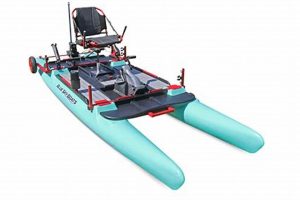
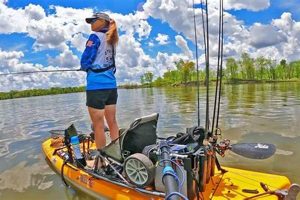
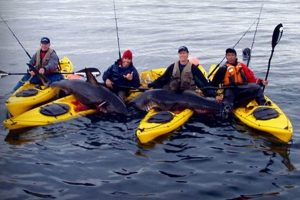
This specific model of recreational watercraft is designed for angling activities. Characteristically lightweight and compact, it typically features specialized components such as rod holders, storage compartments for tackle, and a stable hull configuration. These vessels offer an accessible and versatile platform for fishing in various aquatic environments.
Compact personal watercraft provide anglers with enhanced maneuverability and access to shallower or more confined waterways often inaccessible to larger boats. Their affordability and ease of transport and storage contribute to their increasing popularity. The evolution of these smaller fishing platforms reflects advancements in materials and design, leading to improved stability, durability, and user comfort.
Further exploration will delve into specific features, advantages, and considerations relevant to selecting and utilizing this type of watercraft effectively and safely. Topics will include material construction, design variations, essential accessories, safety guidelines, and popular fishing techniques adaptable to this platform.
Tips for Kayak Fishing
Effective angling from this type of personal watercraft requires preparation and adherence to best practices. The following guidance aims to enhance safety and optimize fishing success.
Tip 1: Prioritize Safety Equipment: Always wear a personal flotation device (PFD). Carry a whistle for signaling, a first-aid kit for minor injuries, and a communication device in case of emergencies.
Tip 2: Plan and Research: Check weather forecasts, water conditions, and local fishing regulations before embarking. Familiarize oneself with the chosen waterway and identify potential hazards.
Tip 3: Balance and Stability: Distribute weight evenly within the vessel. Avoid sudden movements that could compromise stability, especially when casting or retrieving.
Tip 4: Essential Gear Organization: Keep fishing tackle organized and easily accessible. Utilize designated storage compartments and secure loose items to prevent loss or entanglement.
Tip 5: Proper Paddling Technique: Employ efficient paddling strokes to conserve energy and navigate effectively. Practice maneuvering in various wind and current conditions.
Tip 6: Respect Wildlife and the Environment: Adhere to “leave no trace” principles. Dispose of waste responsibly and avoid disturbing natural habitats.
Tip 7: Anchor Appropriately: Utilize an appropriate anchor system suitable for the specific water body and bottom conditions to maintain position effectively while fishing.
Adherence to these guidelines promotes a safe and productive fishing experience, allowing anglers to fully enjoy the advantages of this specialized watercraft.
These tips offer a starting point for successful kayak angling. Continued learning and experience will further refine technique and enhance enjoyment of this rewarding activity.
1. Stability

Stability represents a critical performance attribute in kayak fishing, directly influencing safety and effectiveness. A stable platform minimizes the risk of capsizing, especially during activities like casting, reeling, and landing fish. The hull design of a kayak significantly impacts its stability. Flatter hulls generally provide greater initial stability, beneficial for calm waters, while rounded or V-shaped hulls offer superior secondary stability, performing well in choppy conditions. The Lifetime 11 fishing kayak typically features a flatter hull design, prioritizing initial stability suitable for its intended use in calmer environments like lakes and ponds. This design characteristic makes it a suitable choice for anglers seeking a secure platform for fishing activities.
Consider the scenario of an angler hooking a larger fish. A stable kayak provides a secure platform for the ensuing fight, minimizing the likelihood of capsizing during the struggle. Conversely, an unstable kayak may jeopardize the angler’s safety and potentially lead to equipment loss. Furthermore, stability affects casting accuracy. A stable kayak allows for controlled and precise casting, maximizing the chances of reaching target fishing spots effectively. Without sufficient stability, casting becomes challenging, potentially hindering fishing success. The practical significance of this understanding empowers anglers to select kayaks appropriate for their skill level and the anticipated fishing conditions.
In summary, stability forms an integral part of successful kayak fishing. Understanding the interplay between hull design and stability characteristics allows anglers to make informed decisions about kayak selection. The Lifetime 11 fishing kayak, with its emphasis on initial stability, caters to a specific segment of the angling community prioritizing a secure and predictable platform for their fishing endeavors. Consideration of stability, alongside other key features, ensures a balanced evaluation of a kayak’s suitability for individual angling needs.
2. Durability

Durability represents a critical factor in the overall value proposition of the Lifetime 11 fishing kayak. Constructed from high-density polyethylene (HDPE), this kayak exhibits inherent resistance to impact, UV degradation, and general wear and tear. HDPE’s robust nature contributes significantly to the kayak’s longevity, allowing it to withstand the rigors of regular use and exposure to diverse environmental conditions. This inherent durability translates to a reduced need for frequent repairs or replacements, ultimately minimizing long-term ownership costs and maximizing the kayak’s usable lifespan. Consider, for instance, navigating through shallow, rocky waters. A durable kayak resists damage from incidental contact with submerged obstacles, ensuring continued functionality and preventing leaks. Conversely, a less durable kayak might sustain cracks or punctures, compromising its structural integrity and necessitating costly repairs.
The practical significance of durability extends beyond mere longevity. A durable kayak provides a reliable platform for fishing excursions, instilling confidence in its ability to withstand challenging conditions. This reliability becomes particularly crucial in remote locations or during extended trips where access to repair facilities may be limited. Furthermore, a durable kayak retains its resale value better, offering a greater return on investment should the owner decide to upgrade or sell. For example, a well-maintained HDPE kayak, exhibiting minimal wear and tear, commands a higher resale price compared to a similarly aged kayak constructed from a less durable material showing significant signs of damage. This retained value contributes to the overall cost-effectiveness of ownership.
In conclusion, durability stands as a cornerstone of the Lifetime 11 fishing kayak’s appeal. HDPE construction provides inherent resistance to damage, contributing to a longer lifespan, reduced maintenance costs, and enhanced resale value. This durability empowers anglers to explore diverse waterways with confidence, knowing their equipment can withstand the inherent challenges of the aquatic environment. Choosing a durable kayak ultimately represents a sound investment, ensuring years of reliable performance and contributing to a positive overall ownership experience.
3. Portability
Portability significantly influences the practical usability of recreational fishing kayaks. Ease of transport and storage directly impacts the frequency and convenience of usage. Reduced weight and compact dimensions facilitate maneuvering the kayak to and from various launch points, including those with limited access. Analysis of key facets reveals how portability enhances the overall ownership experience.
- Weight and Dimensions
The Lifetime 11 fishing kayak, typically weighing under 60 pounds and measuring approximately 11 feet in length, offers manageable portability. This relatively lightweight and compact design allows for easier car-topping, carrying short distances, and maneuvering in tight spaces. Contrast this with larger, heavier kayaks that often require specialized trailers or roof racks for transport, potentially limiting accessibility for individuals without such equipment or suitable vehicles.
- Transport Options
Several transport options accommodate the kayak’s portability. Roof racks provide a secure method for car-topping, while kayak carts simplify transport over land to launch sites. These options facilitate access to diverse fishing locations, expanding angling opportunities beyond those immediately accessible by larger vessels. For example, a kayak cart allows for convenient transport across sandy beaches or uneven terrain, reaching otherwise inaccessible shorelines and secluded fishing spots.
- Storage Considerations
Compact dimensions simplify storage requirements. The kayak can be stored in garages, sheds, or even within some residences. This ease of storage eliminates the need for dedicated storage facilities, reducing associated costs and logistical complexities. Compare this with larger boats often requiring dedicated slips, mooring fees, or off-site storage, adding significant expense and inconvenience to ownership.
- Impact on Fishing Experience
Enhanced portability broadens fishing horizons. Anglers can readily access remote or less frequented locations often inaccessible to larger watercraft. This expanded access increases opportunities to discover new fishing grounds and target diverse species. For instance, the portability of the kayak allows for exploration of smaller creeks, rivers, and ponds, uncovering hidden fishing gems and experiencing the solitude of less pressured environments.
In summary, portability significantly enhances the practicality and appeal of the Lifetime 11 fishing kayak. Its manageable weight, compact dimensions, and versatile transport options facilitate access to a wider range of fishing locations, simplifying storage, and ultimately contributing to a more convenient and rewarding angling experience. The benefits of portability extend beyond mere convenience, empowering anglers to explore diverse waters and maximize their fishing opportunities.
4. Storage Capacity

Storage capacity directly influences the practicality and versatility of the Lifetime 11 fishing kayak. Adequate storage accommodates essential gear, enhancing fishing effectiveness and overall experience. Multiple storage compartments, including tank wells, hatches, and bungee cords, characterize this kayak. These compartments permit organized storage of tackle boxes, fishing rods, dry bags, and other necessary equipment. Consider the scenario of an angler embarking on a multi-day fishing expedition. Ample storage capacity allows for the transport of provisions, camping gear, and additional fishing equipment, enabling extended trips and enhancing self-sufficiency. Conversely, limited storage restricts the amount of gear carried, potentially compromising trip duration or necessitating multiple trips to transport equipment.
Practical implications extend beyond simple gear storage. Organized storage contributes to efficient retrieval of items during active fishing. readily accessible tackle boxes and fishing rods minimize disruption and maximize time spent fishing. For example, a well-organized storage system allows for quick lure changes, adapting to changing fish behavior or water conditions without extended interruptions. Furthermore, secure storage prevents gear loss or damage. Tank wells with bungee cords secure larger items, preventing them from shifting or falling overboard during transit or rough water conditions. This security safeguards valuable equipment and minimizes the risk of losing essential gear during unexpected events.
In summary, adequate storage capacity forms an integral part of the Lifetime 11 fishing kayak’s functionality. Multiple storage compartments, strategically designed and positioned, enable organized storage of essential gear, enhancing fishing efficiency and overall trip satisfaction. Secure storage safeguards equipment and minimizes the risk of loss or damage. Understanding the practical implications of storage capacity empowers anglers to optimize gear organization, maximize fishing time, and enhance their overall on-the-water experience. Effective utilization of available storage contributes directly to a more productive and enjoyable fishing outing.
5. Fishing Features
Specialized features distinguish fishing kayaks from recreational models, enhancing angling effectiveness and overall experience. The Lifetime 11 fishing kayak incorporates several key features designed to optimize functionality and cater to the specific needs of anglers. Analysis of these features reveals their practical significance and contribution to successful fishing excursions.
- Rod Holders
Multiple flush-mounted rod holders provide secure storage and easy access to fishing rods during transit and active angling. This feature frees hands for paddling, maneuvering, and other tasks, enhancing efficiency and safety. Consider trolling multiple lines simultaneously. Dedicated rod holders maintain proper rod orientation, preventing tangling and optimizing lure presentation. Without rod holders, managing multiple rods becomes cumbersome, increasing the risk of tangling or losing rods overboard.
- Tackle Storage
Integrated storage compartments designed specifically for tackle boxes keep essential gear organized and readily accessible. This dedicated storage minimizes time spent searching for lures, hooks, and other items, maximizing fishing time. For example, a readily accessible tackle box allows for quick lure changes, adapting to changing fish behavior or water conditions without extended interruptions. Conversely, disorganized or inadequate tackle storage disrupts fishing flow and reduces overall efficiency.
- Paddle Keepers
Paddle keepers secure the paddle to the kayak when not in use, preventing accidental loss or interference during casting and reeling. This feature ensures the paddle remains readily available without cluttering the deck or posing a tripping hazard. Consider the scenario of landing a fish. A secured paddle remains out of the way, allowing for unimpeded handling of the fish and minimizing the risk of capsizing due to entanglement with a loose paddle.
- Stability Enhancing Design
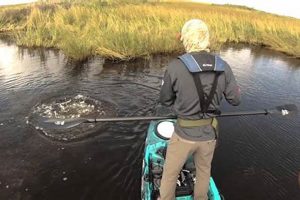
A stable hull design, often featuring a flatter bottom, contributes to a secure platform for casting, reeling, and landing fish. Enhanced stability minimizes the risk of capsizing, especially during activities that shift weight distribution. For example, a stable hull allows anglers to stand up and cast, expanding fishing techniques and sight-fishing opportunities. A less stable kayak restricts movement and limits casting options, potentially hindering fishing success.
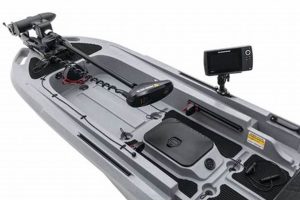
These integrated fishing features contribute significantly to the Lifetime 11 fishing kayak’s overall utility and suitability for angling. Rod holders, tackle storage, paddle keepers, and a stability-enhancing design collectively enhance fishing efficiency, safety, and overall enjoyment. Careful consideration of these features clarifies their practical benefits and reinforces the kayak’s value proposition for anglers seeking a specialized and functional platform for their fishing pursuits.
6. Weight Capacity

Weight capacity represents a critical specification for kayaks, particularly those designed for fishing, directly influencing safety and performance. Understanding the weight capacity of the Lifetime 11 fishing kayak is crucial for ensuring stable and efficient operation. Exceeding the specified limit compromises stability, potentially leading to capsizing or structural damage. Careful consideration of weight distribution and adherence to manufacturer guidelines ensures safe and optimal performance. This exploration delves into the various facets of weight capacity as it relates to this specific kayak model.
- Total Weight Capacity
The Lifetime 11 fishing kayak typically boasts a total weight capacity ranging from 275 to 300 pounds. This encompasses the combined weight of the angler, fishing gear, and any additional cargo. Accurately estimating and distributing weight within the kayak ensures it remains within safe operational limits. For instance, an angler weighing 175 pounds carrying 50 pounds of fishing gear and 25 pounds of personal items falls within the typical weight capacity, maintaining safe operational parameters. However, exceeding this limit significantly compromises stability and maneuverability, increasing the risk of capsizing.
- Weight Distribution
Evenly distributing weight within the kayak optimizes balance and performance. Concentrating weight at either end negatively impacts tracking and maneuverability. Distributing gear evenly throughout the storage compartments promotes balanced buoyancy and prevents undue stress on the hull. Consider an angler placing all heavy gear in the stern. This uneven distribution causes the bow to rise, increasing wind resistance and reducing paddling efficiency. Proper weight distribution ensures optimal performance and minimizes strain on the kayak’s structure.
- Impact on Stability
Exceeding the weight capacity significantly diminishes stability, increasing the risk of capsizing, especially during activities like casting or landing fish. Operating within the specified weight limit maintains designed stability characteristics, promoting a safe and predictable on-water experience. For example, an overloaded kayak responds sluggishly to corrective maneuvers, increasing the likelihood of capsizing in rough water or during unexpected events. Adhering to the weight limit safeguards against such instability.
- Considerations for Gear and Passengers
Careful consideration of gear and passenger weight ensures safe operation. Realistically assess the combined weight of all intended occupants and their equipment. Choosing a kayak with ample weight capacity accommodates anticipated loads without compromising stability or performance. For instance, anglers planning to carry heavier gear or fish should opt for a kayak with a higher weight capacity. Selecting the appropriate kayak for anticipated loads ensures safe and enjoyable fishing experiences.
Understanding weight capacity as it relates to the Lifetime 11 fishing kayak is fundamental for safe and effective operation. Adhering to manufacturer guidelines and carefully considering weight distribution contributes significantly to stability, maneuverability, and overall performance. Selecting a kayak with appropriate weight capacity for anticipated loads ensures a safe and enjoyable on-the-water experience, allowing anglers to focus on their fishing pursuits without compromising safety or performance.
7. Affordability
Affordability distinguishes the Lifetime 11 fishing kayak within the recreational fishing market. Its price point often falls below that of comparable models from competing brands, making it an attractive option for budget-conscious anglers. This accessibility expands the kayaking and fishing experience to a broader audience, enabling participation for individuals who might otherwise find the financial barrier prohibitive. Consider, for instance, a novice angler seeking entry into kayak fishing. The lower cost of the Lifetime 11 removes a significant financial hurdle, allowing exploration of the sport without a substantial initial investment. This accessibility fosters growth within the angling community and contributes to the sport’s overall popularity.
Several factors contribute to the kayak’s affordability. Rotational molding, a cost-effective manufacturing process, facilitates large-scale production while maintaining reasonable per-unit costs. The use of high-density polyethylene (HDPE) as the primary construction material contributes further to cost efficiency. HDPE offers a balance of durability and affordability compared to more expensive materials like fiberglass or composite construction. This material choice directly influences the final retail price, making the kayak accessible to a wider range of consumers. For example, utilizing HDPE allows the manufacturer to offer a durable product at a lower price point compared to kayaks constructed from more expensive, albeit potentially higher-performing, materials. This balance between cost and performance makes the Lifetime 11 a compelling option within its market segment.
Affordability, while advantageous, necessitates certain trade-offs. Features and performance may differ compared to higher-priced models. Anglers prioritizing advanced features or specialized performance characteristics might find these compromises significant. However, for recreational anglers seeking a functional and accessible entry point into kayak fishing, the Lifetime 11 presents a viable option. The practical significance of understanding the kayak’s affordability lies in aligning expectations with budget. Recognizing the inherent balance between cost and performance enables informed purchasing decisions. The Lifetime 11 fishing kayak effectively addresses the need for an affordable and functional platform for recreational fishing, expanding access to the sport and contributing to its continued growth.
Frequently Asked Questions
This section addresses common inquiries regarding the Lifetime 11 fishing kayak, providing concise and informative responses to facilitate informed decision-making.
Question 1: What is the maximum weight capacity of the Lifetime 11 fishing kayak?
The maximum weight capacity typically ranges from 275 to 300 pounds, encompassing the combined weight of the angler, gear, and any additional cargo.
Question 2: Is the Lifetime 11 fishing kayak suitable for ocean use?
While capable of handling calm coastal waters and sheltered bays, this kayak is primarily designed for lakes, ponds, and slow-moving rivers. Ocean use in challenging conditions is not recommended.
Question 3: What materials comprise the construction of the Lifetime 11 fishing kayak?
It is typically constructed from high-density polyethylene (HDPE), a durable and UV-resistant plastic known for its impact resistance and longevity.
Question 4: How many rod holders does the Lifetime 11 fishing kayak have?
This model generally features two flush-mounted rod holders and one adjustable rod holder, providing convenient storage and access for multiple fishing rods.
Question 5: Does the Lifetime 11 fishing kayak come with a paddle?
While some retailers may offer bundled packages including a paddle, the standard offering typically does not include a paddle. Paddles are usually purchased separately.
Question 6: What are the storage options available on the Lifetime 11 fishing kayak?
Storage options typically include a rear tank well with bungee cords for securing larger items, a front hatch for dry storage, and smaller compartments for tackle and personal belongings.
Addressing these common inquiries clarifies key aspects of the Lifetime 11 fishing kayak, facilitating informed evaluation and purchase decisions. Prospective owners are encouraged to consult official product specifications and retailer information for the most current and accurate details.
Further exploration of specific features and performance characteristics will follow in subsequent sections.
Conclusion
Analysis reveals the Lifetime 11 fishing kayak as a practical and accessible option for recreational anglers. Key features such as stability, specialized storage, and fishing-specific design elements contribute to its functionality on the water. Durability and affordability further enhance its appeal, expanding access to kayak fishing for a broader audience. While trade-offs exist compared to higher-priced models, its overall value proposition remains compelling for anglers prioritizing functionality and budget-consciousness. Understanding specifications and performance characteristics empowers informed purchasing decisions, aligning expectations with intended usage.
Potential purchasers are encouraged to evaluate individual needs and preferences in relation to the kayak’s capabilities. Thorough research and consideration of intended fishing environments, target species, and required gear capacity will ensure optimal selection and contribute to a positive on-the-water experience. The evolving landscape of recreational fishing equipment necessitates continuous evaluation and adaptation to emerging technologies and design advancements. Continued exploration of available options remains essential for maximizing enjoyment and success in angling pursuits.