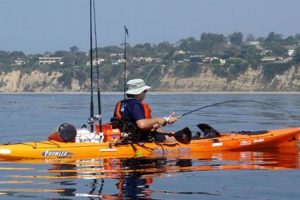
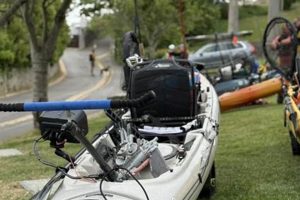
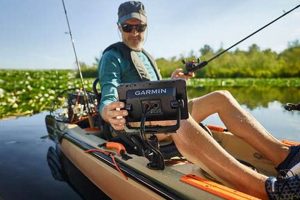
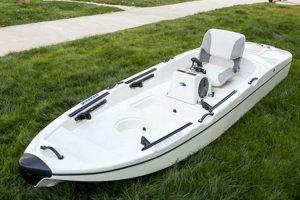
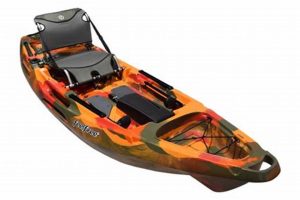
Visual representations of kayaks designed specifically for angling provide a wealth of information. These images can depict various kayak features, such as rod holders, tackle storage, and specialized seating. Examples include photographs showcasing kayaks in different environments, highlighting their stability in rivers or maneuverability in oceans. Furthermore, these visuals often illustrate how specific features function, like the operation of a rudder system or the accessibility of storage compartments.
The ability to quickly and easily assess these specialized watercraft through images offers significant advantages to prospective buyers and fishing enthusiasts. Detailed photographs allow for comparison shopping and informed decision-making, facilitating the selection of the most suitable vessel for individual needs and preferences. Historically, understanding a product’s features relied heavily on written descriptions or physical inspections. Visual media like photography has revolutionized the process, offering a far more immediate and comprehensive understanding of form and function.
This understanding of the visual representation of fishing kayaks provides a foundation for exploring more specific topics related to kayak fishing. Considerations such as hull design, propulsion methods, and the integration of fish-finding technology become easier to grasp after establishing a visual baseline. This foundational knowledge allows for a more informed and engaging exploration of these specialized watercraft and their role in the sport of angling.
Tips for Utilizing Fishing Kayak Imagery
Effective use of fishing kayak visuals enhances understanding and facilitates informed decision-making. The following tips offer guidance on how to best leverage these images for research and comparison.
Tip 1: Focus on Specific Features: Examine images closely for details such as rod holders, storage compartments, seating arrangements, and hull design. Note the quantity, placement, and accessibility of these features.
Tip 2: Consider the Environment: Observe how the kayak is depicted in different environments. Images showcasing performance in rivers, lakes, or oceans provide insights into stability and maneuverability.
Tip 3: Assess Stability and Tracking: Look for visual cues that indicate the kayak’s stability. A wider hull generally suggests greater stability. Examine the hull shape for indications of efficient tracking (straight-line movement).
Tip 4: Evaluate Seating and Comfort: Pay attention to the seat design and adjustability. Consider factors like back support, legroom, and the ability to stand, if desired.
Tip 5: Examine Storage Capacity: Look for images showcasing the storage compartments and their capacity. Consider the size and type of gear one intends to carry and whether the provided storage is sufficient.
Tip 6: Analyze Propulsion Systems: Note whether the kayak utilizes paddles, pedals, or a motor. Consider the advantages and disadvantages of each system in relation to fishing style and intended waters.
Tip 7: Scrutinize Construction and Materials: While difficult to discern solely from images, look for visual clues about the materials used. Research the durability and weight implications of different kayak constructions.
By carefully analyzing visual representations of fishing kayaks, prospective buyers can gain valuable insights into their features, functionality, and suitability for specific fishing needs. This informed approach allows for confident selection of the optimal kayak for a rewarding angling experience.
This detailed examination of fishing kayak imagery provides a solid foundation for making informed purchasing decisions and enjoying the sport of kayak fishing to its fullest potential.
1. Kayak Stability

Kayak stability represents a critical performance characteristic, especially for fishing kayaks where anglers frequently shift weight and engage in activities that challenge balance. Evaluating stability through images requires careful observation and analysis of visual cues. Understanding how stability is depicted in photographs of fishing kayaks is crucial for informed decision-making.
- Hull Design and Width
Wider hulls generally offer greater initial stability, resisting tipping more effectively. Images showcasing wider kayaks often convey a sense of security and stability. Conversely, narrower hulls, while potentially faster, might appear less stable in photographs. Analyzing hull shape and width in pictures provides insights into the kayak’s inherent stability characteristics.
- Center of Gravity
A lower center of gravity contributes to stability. While not directly visible, the kayak’s design and how it sits in the water, observable in images, can suggest its center of gravity. Kayaks positioned low in the water may appear more stable than those riding higher. Careful examination of these visual cues aids in assessing stability.
- Weight Capacity
Higher weight capacities generally correlate with greater stability. While capacity is not visually apparent, images depicting larger kayaks or those described as having higher capacities often suggest enhanced stability. This understanding aids in selecting kayaks suited for carrying anglers, gear, and potential catches.
- Environmental Context
Images of fishing kayaks in various environments provide further insights into stability. A kayak appearing stable in calm lake water might behave differently in choppy ocean conditions. Observing how the kayak sits in the water in different scenarios portrayed through images further informs stability assessments.
Analyzing these facets of stability within images of fishing kayaks empowers informed choices aligned with individual needs and intended fishing environments. Understanding how these visual cues relate to stability enhances decision-making, leading to a safer and more enjoyable fishing experience.
2. Storage Solutions

Storage solutions represent a critical aspect of fishing kayak functionality, directly impacting organization and efficiency on the water. Depictions of these storage solutions within images of fishing kayaks offer valuable insights for prospective buyers. Effective storage facilitates access to essential gear, maximizing fishing time and minimizing clutter. Cause and effect relationships exist between storage design and angling success. Well-designed storage contributes to a more streamlined and productive fishing experience, while inadequate storage can lead to frustration and lost opportunities. Images allow for assessment of these features prior to purchase.
For example, images showcasing dedicated tackle storage compartments reveal capacity and organization potential. Visualizations of storage hatches, tank wells, and bungee systems illustrate how rods, tackle boxes, and other equipment can be secured. Practical examples include images depicting a kayak with ample storage accommodating various fishing rods, tackle boxes, and even a small cooler. Conversely, images showing limited or poorly designed storage may indicate potential challenges in managing gear efficiently during a fishing trip. Understanding storage capacity and layout through visual representation contributes to informed decision-making.
The practical significance of understanding storage solutions through images of fishing kayaks lies in the ability to select a vessel optimally suited to individual angling needs. Whether targeting specific species requiring specialized gear or embarking on extended fishing trips necessitating ample supplies, visualizing storage solutions allows anglers to anticipate and address their storage requirements effectively. Challenges related to limited storage capacity, accessibility, or weatherproofing can be mitigated through careful analysis of kayak imagery prior to purchase. This informed approach enhances the overall fishing experience by promoting organization, efficiency, and preparedness on the water.
3. Seating Comfort

Seating comfort directly influences angling endurance and overall enjoyment. Extended periods on the water necessitate supportive and adjustable seating. Visual representations of fishing kayaks offer crucial insights into seating comfort. Analyzing seat design, adjustability, and materials within images enables informed decisions, aligning kayak choice with individual needs and preferences. Cause and effect relationships exist between seating comfort and angling success. A comfortable angler maintains focus and effectively reacts to fishing opportunities, while discomfort leads to fatigue and diminished performance.
Images showcasing high-back seats with lumbar support suggest enhanced comfort for extended trips. Adjustable features, such as footrests and seat positioning systems, further contribute to personalized comfort, evident in images demonstrating these functionalities. Examples include kayaks featuring adjustable padded seats with breathable mesh backing, promoting comfort even in warm weather. Conversely, basic molded plastic seats, visually identifiable in some kayak images, may lack the ergonomic support needed for longer fishing excursions. Practical significance arises from the ability to anticipate comfort levels based on visual assessment.
Understanding seating comfort through images of fishing kayaks contributes to informed purchase decisions. Careful analysis of seat design and features within these images enables anglers to select kayaks promoting sustained comfort and maximizing enjoyment on the water. Addressing potential discomfort before purchase mitigates fatigue and enhances angling performance. This proactive approach reinforces the connection between seating comfort and a positive fishing experience.
4. Rod Holder Placement

Rod holder placement significantly influences angling efficiency and overall fishing experience. Analyzing rod holder positions within images of fishing kayaks provides crucial insights for informed purchasing decisions. Strategic placement facilitates easy access, efficient rod management, and unobstructed casting. Understanding how rod holders are integrated into kayak design, visually represented in photographs, empowers anglers to optimize their setup for specific fishing styles and target species.
- Flush-Mount Rod Holders
Flush-mount rod holders, integrated directly into the kayak’s deck, minimize obstructions and offer a streamlined profile, often visually identifiable in kayak images. These holders excel for trolling or drifting techniques, keeping lines in the water while minimizing snag potential. An example includes trolling for saltwater species where multiple lines require organized placement. Their low profile, evident in pictures, reduces the risk of entanglement and facilitates maneuverability in confined spaces.
- Adjustable Rod Holders
Adjustable rod holders, visible in many kayak photographs, provide flexibility in positioning rods at various angles and heights. This adaptability caters to diverse fishing techniques, from vertical jigging to casting under overhanging branches. Examples include adjusting rod angles for optimal bait presentation or accommodating different rod lengths. Their versatility, clearly depicted in images, allows anglers to customize their setup based on specific fishing scenarios and target species.
- Track-Mounted Rod Holders
Track-mounted systems, often visible as rails along the kayak’s gunwales in pictures, offer customizable rod holder placement along the track. This adaptability benefits anglers frequently switching techniques or targeting different species. Visual examples include repositioning rod holders for optimal casting angles or accommodating multiple anglers on a single kayak. The flexibility offered by track systems, evident in images, enhances versatility and personalizes the fishing experience.
- Combination Setups
Many fishing kayaks feature a combination of rod holder types, visually apparent in comprehensive photographs. This integration caters to diverse fishing styles and preferences. Examples include a kayak equipped with flush-mount holders for trolling, adjustable holders for casting, and track mounts for additional customization. Visualizing these combinations in images enables anglers to assess the kayak’s adaptability to their specific fishing needs.
Careful analysis of rod holder placement within images of fishing kayaks allows anglers to anticipate and address their specific needs before purchase. Understanding the advantages and disadvantages of different rod holder types and configurations, visually represented in photographs, empowers informed decision-making and contributes to a more efficient and enjoyable fishing experience. This informed approach optimizes kayak setup, maximizing angling success and overall satisfaction on the water.
5. Hull Design Variations

Hull design variations significantly influence a fishing kayak’s performance characteristics, impacting stability, maneuverability, and tracking. Images of fishing kayaks provide crucial visual insights into these design variations, allowing for informed evaluation and selection based on individual angling needs and intended water conditions. Cause and effect relationships exist between hull design and on-the-water performance. Specific hull shapes directly influence stability in various conditions, maneuverability in tight spaces, and tracking efficiency over longer distances. Understanding these relationships, visually represented in kayak imagery, empowers informed decision-making.
For example, a wider, flatter hull, often visually identifiable in kayak images, generally provides enhanced initial stability, beneficial for activities like stand-up fishing. Conversely, a narrower, V-shaped hull, also discernible in pictures, prioritizes speed and efficient tracking, advantageous for covering longer distances. A pontoon-style hull, visually distinct with its multiple buoyancy chambers, maximizes stability but may sacrifice maneuverability. Images depicting kayaks navigating various water conditionscalm lakes, flowing rivers, or open oceanfurther illustrate the practical implications of hull design variations. Real-world examples include choosing a stable pontoon hull for fishing in calm lakes or a maneuverable V-shaped hull for navigating winding rivers. These visual representations provide practical context for understanding design implications.
The practical significance of analyzing hull design variations within images of fishing kayaks lies in the ability to select a vessel optimized for specific fishing environments and techniques. Addressing potential performance challenges related to stability, maneuverability, or tracking before purchase, based on visual assessment of hull design, contributes to a more efficient and enjoyable fishing experience. This informed approach empowers anglers to choose kayaks that align with their individual needs and enhance their success on the water.
6. Propulsion Systems

Propulsion systems represent a defining characteristic of fishing kayaks, significantly impacting range, speed, and effort. Images of fishing kayaks frequently showcase these systems, providing visual cues for discerning propulsion methods and understanding their implications for on-the-water performance. Analyzing propulsion systems within kayak imagery allows for informed evaluation and selection based on individual fishing styles and preferences.
- Paddle Propulsion
Traditional paddle propulsion, readily identifiable in images through the presence of paddles and paddle holders, offers versatility and affordability. Paddle-powered kayaks excel in navigating shallow waters and maneuvering through tight spaces, illustrated in pictures showcasing kayaks in various environments. Examples include navigating mangrove tunnels or accessing secluded coves, demonstrating the maneuverability inherent in paddle propulsion. However, paddling requires physical exertion, potentially limiting range and impacting fishing endurance, factors to consider when analyzing kayaks depicted with paddles.
- Pedal Propulsion
Pedal-driven kayaks, visually distinct with their integrated pedal systems often visible in product imagery, offer hands-free propulsion, allowing anglers to focus on fishing. Pedal kayaks excel in covering longer distances and maintaining consistent speeds, illustrated in images showcasing anglers fishing while pedaling. Examples include trolling for open-water species or traversing larger lakes, highlighting the efficiency of pedal propulsion. While generally more expensive than paddle kayaks, the advantage of hands-free fishing, evident in many photographs, represents a significant benefit for many anglers.
- Motorized Propulsion
Motorized kayaks, easily identifiable in images through the presence of an outboard motor or integrated electric motor, provide the greatest range and speed. Motorized kayaks excel in covering vast distances and navigating strong currents, demonstrated in images showcasing kayaks in challenging environments. Examples include offshore fishing expeditions or traversing large reservoirs, highlighting the power and range of motorized propulsion. Considerations include the added cost and maintenance associated with motors, factors reflected in the more complex designs often depicted in images of motorized fishing kayaks.
- Hybrid Systems
Some fishing kayaks feature hybrid propulsion systems, combining elements like paddle and pedal or pedal and motor drive, visually apparent in images showcasing multiple propulsion mechanisms. These hybrid systems offer versatility and adaptability to changing conditions or fishing preferences. Examples include using pedal drive for open water travel and switching to paddle propulsion for navigating shallow areas or maneuvering in tight spaces. Images depicting kayaks with hybrid systems emphasize their adaptable nature and suitability for diverse fishing scenarios.
Careful examination of propulsion systems within images of fishing kayaks empowers informed purchase decisions. Understanding the advantages and limitations of each propulsion method, visually represented in photographs, enables anglers to select kayaks aligned with their individual fishing styles, target species, and intended fishing environments. This informed approach contributes to a more efficient and enjoyable fishing experience.
7. Environmental Context
Environmental context within images of fishing kayaks provides crucial insights into a kayak’s intended use and suitability for specific fishing environments. The depicted backdropcalm lakes, rushing rivers, open ocean, or sheltered baysoffers visual cues regarding a kayak’s performance characteristics and its alignment with specific angling scenarios. Cause-and-effect relationships exist between environmental context and kayak selection. A kayak depicted in calm, shallow water may lack the stability and tracking required for open ocean conditions. Conversely, a kayak photographed navigating rough surf may prove cumbersome and inefficient in sheltered estuaries. Understanding this interplay allows for informed assessment of kayak suitability.
For example, an image showcasing a kayak navigating a narrow, winding river suggests maneuverability and stability in shallow water, essential for river fishing. Conversely, a kayak pictured offshore, tackling waves and swells, implies seaworthiness and robust construction. A kayak photographed in a tranquil lake setting suggests stability and comfort, perhaps prioritizing features like stand-up fishing capabilities. These visual representations provide practical context for evaluating kayak suitability. Challenges arise when environmental context is overlooked. A kayak chosen based solely on features, without considering its suitability for the intended environment, can lead to suboptimal performance and potentially compromise safety. Examples include selecting a short, recreational kayak, typically depicted in calm water settings, for offshore fishing expeditions, or choosing a large, ocean-going kayak for navigating shallow creeks and rivers.
The practical significance of analyzing environmental context within fishing kayak imagery lies in the ability to align kayak choice with specific fishing environments. This informed approach ensures optimal performance, enhances safety, and maximizes angling enjoyment. Careful consideration of environmental context within images enables anglers to anticipate and address potential challenges related to stability, maneuverability, and seaworthiness, ultimately contributing to a more successful and rewarding fishing experience. This attention to detail strengthens the connection between kayak selection and the realities of diverse fishing environments.
Frequently Asked Questions
Visual representations of fishing kayaks often prompt practical questions regarding their features, functionality, and suitability for various fishing scenarios. The following frequently asked questions address common queries and misconceptions related to interpreting images of fishing kayaks.
Question 1: How can one determine kayak stability based on images?
Assessing stability through images involves analyzing hull width and shape. Wider hulls generally indicate greater initial stability. Observing the kayak’s position in the water also provides clues; a lower center of gravity suggests enhanced stability.
Question 2: What should one look for when evaluating storage solutions in kayak photographs?
Focus on dedicated storage compartments, hatches, tank wells, and bungee systems. Assess their size, placement, and accessibility. Consider the type and amount of gear typically carried and whether the depicted storage appears sufficient.
Question 3: How can seating comfort be assessed through visual representation?
Examine seat design, adjustability, and materials. Look for features like high backs, lumbar support, and adjustable footrests. Consider how the seat’s design might impact comfort during extended fishing trips.
Question 4: What insights can rod holder placement in images provide?
Analyze the quantity, type, and placement of rod holders. Consider whether their positions facilitate easy access, efficient rod management, and unobstructed casting for specific fishing techniques.
Question 5: How do hull design variations impact performance, discernible through images?
Different hull shapeswider, narrower, flatter, or V-shapedinfluence stability, maneuverability, and tracking. Consider the intended fishing environment and how the depicted hull design might perform in those conditions.
Question 6: What can be learned about propulsion systems from kayak imagery?
Look for visual cues indicating paddle, pedal, or motorized propulsion. Consider the advantages and disadvantages of each system concerning range, speed, effort, and suitability for the intended fishing environment.
Careful consideration of these frequently asked questions, combined with thorough visual analysis, empowers informed decision-making when selecting a fishing kayak. Understanding how these elements interact contributes to a safer, more efficient, and ultimately more rewarding fishing experience.
By addressing these common queries, one gains a more comprehensive understanding of how to interpret fishing kayak imagery effectively. This enhanced understanding forms a solid basis for further exploration of specific kayak features and their practical applications in various angling scenarios.
Visual Representations of Fishing Kayaks
Visual representations of fishing kayaks provide significant value beyond mere aesthetics. Careful analysis of these images offers prospective buyers a comprehensive understanding of key features, including stability derived from hull design, storage solutions for tackle and gear, seating comfort for extended trips, strategic rod holder placement, hull variations impacting performance, propulsion systems influencing range and effort, and the environmental context suggesting intended use. This visual assessment empowers informed decision-making, aligning kayak choice with individual angling needs and preferences.
Effective utilization of fishing kayak imagery fosters a deeper appreciation for the diverse range of available options and their suitability for specific fishing scenarios. This informed approach contributes to enhanced angling experiences, promoting efficiency, safety, and enjoyment on the water. Through thoughtful consideration of these visual representations, anglers can confidently navigate the selection process, ensuring a harmonious balance between kayak features and the demands of their chosen fishing environments.