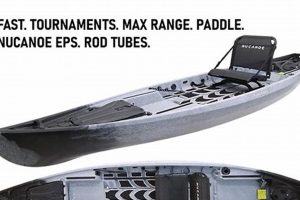
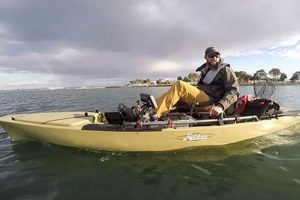
A retail establishment specializing in equipment and accessories for anglers who prefer kayaks offers a curated selection of products. These may include specialized kayaks designed for fishing, paddles, fishing rods, reels, tackle, safety gear like life vests, and electronics such as fish finders. Such businesses might also provide services like kayak rentals, repairs, and guided fishing tours.
These specialized retailers play a vital role in the growing popularity of kayak angling. They offer expert advice and a focused product selection, catering specifically to the needs of this niche market. This personalized approach allows anglers to find suitable equipment and enhances their overall fishing experience. Historically, anglers adapted general-purpose kayaks for fishing. The emergence of dedicated retail outlets signifies the sport’s maturation and increasing demand for specialized gear.
The following sections will explore various aspects of kayak fishing, including choosing the right equipment, popular fishing techniques, safety considerations, and popular destinations.
Tips for Kayak Fishing Success
Proper preparation and knowledge contribute significantly to a successful and enjoyable kayak fishing experience. The following tips provide valuable insights for anglers of all skill levels.
Tip 1: Select the Right Kayak: Kayak selection depends on fishing style and water conditions. Sit-on-top kayaks offer stability and ease of re-entry, while sit-inside kayaks provide better protection from the elements. Consider factors like length, width, and weight capacity.
Tip 2: Prioritize Safety Gear: A personal flotation device (PFD) is essential. Other important safety equipment includes a whistle, signaling mirror, and first-aid kit. Check local regulations regarding required safety gear.
Tip 3: Organize Tackle and Gear: Efficient organization maximizes fishing time and minimizes clutter. Utilize tackle boxes, rod holders, and storage compartments to keep essential items within easy reach.
Tip 4: Practice Paddling and Maneuvering: Comfortable paddling and maneuvering are crucial for reaching desired fishing spots and maintaining stability. Practice basic paddling strokes and maneuvering techniques before venturing onto the water.
Tip 5: Understand Local Regulations: Familiarize oneself with fishing licenses, catch limits, and any area-specific regulations. Respect local ecosystems and practice catch-and-release whenever possible.
Tip 6: Check Weather Conditions: Monitor weather forecasts before heading out. Wind, rain, and changing tides can significantly impact safety and fishing conditions.
Tip 7: Plan Your Fishing Trip: Research potential fishing spots, identify target species, and plan accordingly. Consider factors like water depth, currents, and the presence of underwater structures.
By following these guidelines, anglers can enhance their safety, improve their fishing success, and enjoy a more fulfilling experience on the water.
With these preparations complete, anglers can focus on the techniques and strategies that lead to a rewarding day of kayak fishing, discussed in the following section.
1. Specialized Inventory

A kayak fishing store’s success hinges on offering a specialized inventory tailored to the unique needs of kayak anglers. This curated selection differentiates these retailers from general sporting goods stores and establishes them as valuable resources within the kayak fishing community. A comprehensive inventory encompasses various categories, each playing a crucial role in enhancing the angler’s experience.
- Kayaks Designed for Fishing
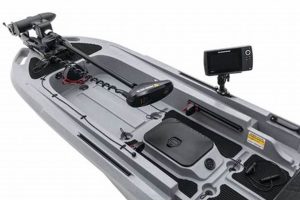
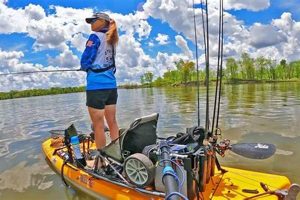
These specialized kayaks feature design elements crucial for angling, including rod holders, tackle storage, and enhanced stability. Examples include sit-on-top models with ample deck space for casting and sit-inside models offering protection from the elements. Offering a variety of kayak types caters to diverse fishing styles and preferences, from calm-water angling to navigating challenging currents.
- Paddles and Propulsion Systems
Paddle selection significantly impacts performance and efficiency on the water. Lightweight, high-angle paddles are ideal for shorter trips, while longer, touring paddles suit extended excursions. Furthermore, offering pedal-powered kayaks and electric motors expands options for anglers seeking alternative propulsion methods, catering to diverse physical abilities and fishing environments.
- Fishing-Specific Gear and Tackle
Rods, reels, lines, lures, and other tackle tailored to kayak fishing enhance angling success. Shorter rods facilitate casting from a seated position, while specialized reels offer corrosion resistance for saltwater environments. Providing a diverse selection of lures and terminal tackle addresses the needs of anglers targeting different species in various water conditions.
- Safety and Navigation Equipment
Prioritizing angler safety is paramount. Stocking personal flotation devices (PFDs), whistles, signaling mirrors, and first-aid kits ensures compliance with safety regulations and promotes responsible angling practices. Furthermore, offering GPS devices, fish finders, and charts enhances navigation and fish-finding capabilities, contributing to a more successful and informed fishing experience.
By offering a comprehensive selection of specialized kayaks, propulsion systems, fishing gear, safety equipment, and navigational tools, kayak fishing stores position themselves as essential resources for anglers. This focused approach caters to the specific demands of kayak fishing, fostering customer loyalty and driving growth within the sport.
2. Expert Advice

Expert advice forms a cornerstone of a successful kayak fishing store, differentiating it from general retailers. This specialized knowledge bridges the gap between anglers’ needs and the appropriate equipment, fostering informed purchasing decisions and enhancing the overall fishing experience. A knowledgeable staff understands the nuances of kayak fishing, considering factors like water conditions, target species, and individual angler preferences. This expertise translates into practical recommendations on kayak selection, paddle choice, fishing techniques, and safety procedures.
For instance, an angler seeking to fish in sheltered bays requires different equipment than someone venturing into open ocean waters. A knowledgeable staff member can guide the customer toward a stable, sit-on-top kayak for bay fishing or a longer, seaworthy sit-inside kayak for offshore excursions. Similarly, expert advice on rod and reel selection, lure choice, and rigging techniques can significantly impact fishing success. This guidance empowers anglers to make informed decisions aligned with their specific goals, enhancing their chances of a successful and enjoyable outing. Consider a novice angler outfitting their first kayak. Expert advice on essential safety gear, like personal flotation devices and signaling devices, can be crucial, promoting safe practices and enhancing the angler’s confidence on the water.
The provision of expert advice cultivates customer loyalty, establishing the kayak fishing store as a trusted resource within the angling community. This personalized approach builds rapport, fosters repeat business, and solidifies the retailer’s reputation as a reliable source of information and equipment. The absence of expert advice can lead to mismatched gear, frustration on the water, and potentially unsafe situations. Therefore, the availability of knowledgeable staff within a kayak fishing store represents a critical component of its success and value to the angling community. This specialized guidance ensures customers are well-equipped, prepared, and confident in their pursuit of kayak fishing, fostering a positive and rewarding experience on the water.
3. Community Engagement

Community engagement represents a vital aspect of a thriving kayak fishing store. Cultivating a strong connection with local anglers fosters customer loyalty, strengthens brand reputation, and contributes to the growth of the sport. Active participation in community events, educational initiatives, and environmental stewardship demonstrates a commitment beyond retail sales, positioning the store as a valuable resource and partner within the kayak fishing ecosystem. This engagement creates a mutually beneficial relationship between the store and its customer base.
Supporting local fishing clubs, sponsoring tournaments, or hosting workshops on kayak fishing techniques demonstrates a genuine interest in the angling community. These initiatives foster camaraderie among anglers, provide valuable learning opportunities, and create a positive association with the store. For example, a store hosting a kayak safety clinic or partnering with a local conservation group to organize a waterway cleanup strengthens community ties and promotes responsible angling practices. Such actions resonate with anglers who value environmental stewardship and community involvement, leading to increased customer loyalty and positive word-of-mouth referrals. Conversely, a lack of community engagement can lead to a perception of disinterest, potentially hindering the store’s ability to connect with its target audience and limiting its growth potential.
A strong community presence translates into tangible benefits for the kayak fishing store. Increased brand visibility, enhanced customer loyalty, and a strengthened reputation within the angling community contribute to long-term business success. Furthermore, active engagement fosters a positive feedback loop, providing valuable insights into customer needs and preferences. This understanding enables the store to tailor its inventory, services, and marketing efforts more effectively, creating a more personalized and rewarding experience for its customers. Ultimately, community engagement establishes the kayak fishing store as more than just a retailerit becomes an integral part of the local angling scene, fostering growth, camaraderie, and a shared passion for the sport.
4. Convenient Location

A convenient location significantly influences a kayak fishing store’s accessibility and potential for success. Proximity to popular fishing destinations, major roadways, and ample parking facilitates customer access, enhancing convenience and encouraging repeat business. Consider a store situated near a coastal area frequented by kayak anglers. Easy access to launch sites and ample parking for vehicles with trailers streamlines the pre- and post-fishing experience, increasing the likelihood of repeat visits. Conversely, a store located in a remote area or lacking sufficient parking can deter customers, hindering accessibility and limiting growth potential. Location also impacts the store’s ability to attract both local anglers and those traveling from further afield, impacting market reach and overall profitability.
Beyond physical accessibility, a convenient location contributes to a positive customer experience. Reduced travel time allows anglers to maximize their time on the water, enhancing the enjoyment of their fishing trips. Furthermore, a location near related businesses, such as bait shops, marinas, or outdoor outfitters, creates a synergistic ecosystem, attracting a larger customer base and fostering a sense of community. For instance, a kayak fishing store located near a popular boat ramp benefits from increased foot traffic and potential cross-promotional opportunities with neighboring businesses. This symbiotic relationship enhances overall convenience and reinforces the store’s presence within the local angling scene.
In summary, a convenient location serves as a critical factor in a kayak fishing store’s success. Accessibility, proximity to fishing destinations, and integration within a related business ecosystem contribute to increased customer traffic, enhanced convenience, and a stronger community presence. Careful consideration of location is essential for attracting and retaining customers, maximizing market reach, and fostering long-term business growth within the competitive landscape of the kayak fishing retail sector. Strategic location choices can significantly differentiate a successful store from one struggling to attract and retain customers, ultimately shaping its long-term viability and contribution to the angling community.
5. Online Presence

A robust online presence is essential for a modern kayak fishing store, expanding its reach beyond a local customer base and enabling engagement with a wider audience. This digital storefront complements the physical location, offering convenience, information accessibility, and opportunities for community building on a larger scale. It serves as a vital tool for attracting new customers, fostering relationships with existing ones, and establishing the business as a key player within the broader kayak fishing community.
- E-commerce Capabilities
Integrating e-commerce functionality allows customers to browse and purchase products online, extending the store’s reach beyond its physical location. This convenience caters to busy schedules and expands the potential customer base, attracting anglers from different regions. Offering online ordering for kayaks, paddles, fishing gear, and apparel provides customers with a flexible shopping experience, particularly beneficial for those unable to visit the physical store. A well-designed e-commerce platform with secure payment options, order tracking, and efficient shipping processes builds customer trust and encourages online transactions.
- Informative Content and Resources
A website and social media platforms provide opportunities to share valuable content related to kayak fishing. Blog posts, articles, videos, and fishing reports offer practical advice, product reviews, and insights into local fishing conditions. This establishes the store as a knowledgeable resource within the angling community, attracting and engaging both novice and experienced kayak anglers. Sharing educational content on topics like kayak selection, fishing techniques, and safety procedures positions the business as an authority in the field, fostering trust and building customer loyalty. For instance, a blog post comparing different kayak models or a video demonstrating proper paddling techniques provides valuable information to potential customers, increasing engagement and driving traffic to the online store.
- Community Building and Interaction
Social media platforms facilitate interaction with customers and foster a sense of community. Regular posts, engaging content, and online forums create a space for anglers to connect, share experiences, and ask questions. This online interaction strengthens customer relationships, builds brand loyalty, and provides valuable feedback for the business. Hosting online contests, Q&A sessions with fishing experts, or sharing user-generated content creates a vibrant online community centered around the store, fostering a sense of belonging and encouraging customer engagement. This active online presence strengthens brand recognition and promotes positive word-of-mouth marketing.
- Search Engine Optimization (SEO)
Implementing effective SEO strategies enhances online visibility. Optimizing website content and online listings with relevant keywords improves search engine rankings, making it easier for potential customers to find the store online. A higher search ranking increases organic traffic to the website, driving more potential customers to the store’s online and physical locations. Effective SEO strategies involve researching relevant keywords related to kayak fishing, optimizing website content and product descriptions, and building high-quality backlinks to the website. This increased online visibility translates into greater brand awareness and a wider customer base.
A well-executed online strategy, incorporating e-commerce capabilities, informative content, community engagement, and effective SEO, expands a kayak fishing store’s reach, strengthens customer relationships, and positions it as a leading resource within the competitive landscape of the kayak fishing industry. This digital presence complements the physical store, creating a comprehensive and accessible experience for anglers of all skill levels, ultimately driving business growth and contributing to the continued popularity of the sport.
6. Service Offerings

Service offerings within a kayak fishing store significantly enhance customer experience and foster long-term loyalty. Beyond retail sales, these services establish the store as a comprehensive resource for kayak anglers, catering to diverse needs and skill levels. A strategic approach to service offerings differentiates a successful store from competitors, contributing to sustained growth and a positive reputation within the angling community. These services can range from basic repairs and rentals to more specialized offerings like guided fishing trips and instructional courses.
Consider a store offering kayak repair services. This addresses a practical need within the kayak fishing community, providing convenient access to maintenance and repairs. This service not only generates additional revenue but also fosters customer loyalty by offering a solution to a common challenge faced by kayak anglers. Similarly, rental services provide opportunities for individuals to experience kayak fishing without the initial investment in purchasing a kayak, potentially converting renters into future buyers. Guided fishing trips cater to both novice and experienced anglers, providing expert instruction, access to prime fishing locations, and a shared experience on the water. These experiences can foster a deeper connection with the sport and the store, cultivating loyal customers. Offering instructional courses on kayak fishing techniques, safety procedures, or navigation skills further strengthens the store’s position as a valuable resource within the angling community. These courses can empower anglers with the knowledge and confidence to enhance their fishing skills and enjoyment on the water.
Effective service offerings create a symbiotic relationship between the kayak fishing store and its customer base. Addressing practical needs, providing valuable experiences, and fostering a sense of community strengthen customer loyalty, generate positive word-of-mouth referrals, and contribute to long-term business success. A failure to provide relevant services can limit a store’s ability to compete effectively within the kayak fishing market and hinder its ability to build lasting relationships with customers. Therefore, a comprehensive and well-executed service strategy represents a crucial component of a successful kayak fishing store, contributing to its growth, reputation, and positive impact on the broader angling community. This approach establishes the store as a true partner in the kayak fishing experience, fostering a deeper connection with customers and solidifying its role within the marketplace.
Frequently Asked Questions
This section addresses common inquiries regarding specialized retail outlets catering to kayak anglers.
Question 1: What types of kayaks are typically available at these specialized retailers?
Retailers typically offer a range of kayaks designed specifically for fishing, including sit-on-top and sit-inside models. Sit-on-tops offer stability and ease of re-entry, making them suitable for warmer climates and calmer waters. Sit-inside kayaks provide better protection from the elements and are often preferred for colder conditions or rougher waters. Fishing kayaks often feature specialized accessories like rod holders, tackle storage compartments, and anchor trolleys.
Question 2: What other fishing-specific equipment can one expect to find?
Beyond kayaks, retailers offer a comprehensive selection of fishing-specific gear, including rods, reels, lines, lures, tackle boxes, and other accessories tailored for kayak angling. These specialized products often prioritize portability, durability, and corrosion resistance, catering to the unique demands of fishing from a kayak.
Question 3: Do these retailers offer safety equipment and guidance?
Safety is paramount in kayak fishing. Reputable retailers stock essential safety gear, including personal flotation devices (PFDs), whistles, signaling devices, and first-aid kits. Many also provide expert advice on safety procedures, local regulations, and responsible angling practices.
Question 4: Are services like kayak rentals, repairs, or guided tours available?
Many retailers extend their services beyond product sales to enhance the customer experience. Rental services allow individuals to try kayak fishing before investing in equipment. Repair services ensure the longevity and optimal performance of kayaks. Guided tours provide access to prime fishing locations and expert instruction.
Question 5: What are the advantages of purchasing from a specialized retailer versus a general sporting goods store?
Specialized retailers offer a curated selection of products tailored specifically to the needs of kayak anglers. Their staff typically possesses expert knowledge, enabling them to offer personalized advice and guidance. This focused expertise distinguishes them from general sporting goods stores, where kayak fishing equipment might be a smaller part of a broader inventory.
Question 6: How can one find reputable retailers specializing in kayak fishing equipment?
Online searches using location-based keywords, such as “kayak fishing store near me,” can yield relevant results. Checking online forums, social media groups dedicated to kayak fishing, and consulting with local angling communities can provide valuable recommendations and insights.
Understanding these aspects ensures anglers can locate and utilize specialized retail outlets to enhance their kayak fishing experience.
The subsequent section delves further into the essential gear needed for kayak fishing success.
Conclusion
Specialized retail establishments dedicated to kayak fishing play a crucial role in the growth and accessibility of the sport. These businesses provide a curated selection of specialized equipment, expert advice, and often a range of services tailored to the needs of kayak anglers. Factors such as a well-chosen inventory, knowledgeable staff, convenient location, robust online presence, and community engagement contribute significantly to a successful retail operation. Understanding these elements allows anglers to make informed decisions about equipment purchases and enhances their overall fishing experience.
The increasing popularity of kayak fishing underscores the importance of these specialized retailers. They serve as valuable resources for both novice and experienced anglers, fostering community, promoting safe and responsible angling practices, and contributing to the continued evolution of the sport. As kayak fishing continues to gain traction, the role of dedicated retail outlets will likely expand, further enriching the experience for anglers and shaping the future of this dynamic and engaging pursuit.