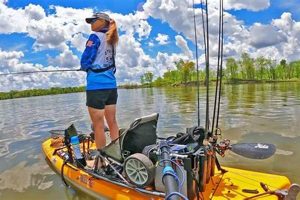
Incidents involving small, human-powered watercraft used for angling can range from minor capsizes to serious events resulting in injury or loss of life. These events may involve equipment failure, environmental factors, or angler error.
Understanding the contributing factors to such incidents is crucial for promoting safe and responsible angling practices. Analyzing these events reveals trends and patterns that can inform safety recommendations, equipment design improvements, and educational initiatives. This knowledge base can empower anglers to mitigate risks and enhance their overall safety on the water. Historically, data collection and analysis on these specific incidents have been limited, making comprehensive research and preventative measures even more vital.
This article will explore the common causes, prevention strategies, and best practices related to on-the-water safety for anglers using this mode of fishing. It will also examine the role of safety equipment, weather awareness, and emergency preparedness in mitigating risks and ensuring enjoyable fishing experiences.
Safety Tips for Kayak Anglers
The following tips are crucial for minimizing risks associated with angling from a kayak.
Tip 1: Always Wear a Personal Flotation Device (PFD). A PFD is the single most important piece of safety equipment. It should be worn at all times, regardless of perceived swimming ability or water conditions.
Tip 2: Check Weather Forecasts and Water Conditions. Before embarking on any fishing trip, thoroughly research weather forecasts, tides, currents, and wind speeds. Avoid fishing in adverse conditions.
Tip 3: Carry Essential Safety Equipment. A whistle, visual distress signals, a first-aid kit, and a communication device (e.g., VHF radio, waterproof cell phone) are essential for handling emergencies.
Tip 4: File a Float Plan. Inform someone on shore of your intended fishing location, planned return time, and emergency contacts.
Tip 5: Dress Appropriately for the Water Temperature. Cold water immersion can be life-threatening. Dress in layers and consider wearing a wetsuit or drysuit in cold conditions.
Tip 6: Maintain Proper Kayak Balance and Stability. Distribute weight evenly within the kayak and avoid sudden movements that could cause capsizing. Practice self-rescue techniques in calm water.
Tip 7: Be Aware of Your Surroundings. Navigate carefully, watching for other vessels, obstacles, and changes in water conditions. Avoid fishing in areas with heavy boat traffic.
Tip 8: Never Fish Alone. When possible, fish with a companion. If fishing solo, be extra vigilant about safety precautions.
Adhering to these safety guidelines can significantly reduce the risk of incidents and contribute to a safer and more enjoyable fishing experience.
By incorporating these precautions into angling practices, individuals can enhance their personal safety and contribute to a culture of responsible kayak fishing.
1. Environmental Conditions

Environmental conditions play a critical role in kayak fishing accidents. Wind, waves, currents, and temperature all contribute to the complexity and potential hazards of the on-water environment. Strong winds can create challenging paddling conditions, especially for less experienced kayakers, potentially leading to capsizing or difficulty returning to shore. Waves, particularly in combination with wind, can swamp kayaks or cause instability. Strong currents can swiftly carry anglers away from their intended location, making it difficult to return or leading to exhaustion. Cold water temperatures present a significant risk of hypothermia, even in relatively mild air temperatures, if an angler enters the water. Rapid changes in weather conditions can also catch anglers unprepared, exacerbating these risks.
For example, an unexpected squall can generate strong winds and waves quickly, overwhelming a kayak and its occupant. A sudden drop in temperature combined with rain and wind can accelerate the onset of hypothermia for an angler who has capsized. Tidal changes can create strong and unpredictable currents, posing challenges for navigation and increasing the risk of being swept into hazardous areas. Furthermore, fog can drastically reduce visibility, making it difficult to navigate safely or be seen by other vessels. Ignoring weather forecasts or venturing out in marginal conditions often contributes to accidents involving environmental factors.
Understanding the influence of environmental conditions on kayak fishing safety is crucial. Careful planning, including checking weather forecasts and understanding local water conditions, is paramount. Appropriate safety gear, such as a PFD, communication device, and proper clothing for the water temperature, is essential for mitigating risks. Continuously monitoring weather conditions during the fishing trip and being prepared to adjust plans or return to shore if conditions deteriorate are crucial aspects of responsible kayak angling. Failure to account for these environmental factors significantly increases the risk of accidents.
2. Equipment Failures

Equipment failures contribute significantly to kayak fishing accidents. While angler error and environmental factors play a role, malfunctions or deficiencies in equipment can create hazardous situations, increase the risk of capsizing, and impede self-rescue efforts. Understanding potential equipment failures and implementing preventative measures are essential for promoting kayak fishing safety.
- Paddle Failure
Paddle breakage or slippage can leave an angler without the means of propulsion or maneuvering, particularly critical in strong currents or adverse weather. A broken paddle can also create a hazardous sharp edge. Regularly inspecting paddles for wear and tear, including checking for cracks, loose ferrules, and worn grips, can prevent such failures. Carrying a spare paddle is a prudent precaution, especially for longer trips or excursions in remote locations.
- Kayak Damage
Hull damage from collisions with rocks, submerged objects, or other vessels can lead to leaks or structural failure, compromising buoyancy and stability. Regularly inspecting the kayak for damage, both above and below the waterline, is essential. Minor repairs should be addressed promptly to prevent further damage. Carrying a repair kit appropriate for the kayak’s construction material can enable temporary repairs in the field, allowing for a safe return to shore.
- Fishing Gear Malfunction
Fishing rods, reels, lines, and other gear can malfunction, leading to entanglement, loss of balance, or injury. Tangled fishing lines can restrict movement or interfere with paddling, increasing the risk of capsizing, especially in rough conditions. Hooks can become snagged on the kayak or the angler, posing a risk of injury. Maintaining fishing equipment in good working order, properly stowing gear when not in use, and practicing safe fishing techniques are crucial for preventing accidents related to gear malfunction.
- Safety Equipment Failure
Failure of essential safety equipment, such as PFDs or communication devices, can have dire consequences in an emergency. A PFD that does not inflate properly or a VHF radio that malfunctions can hinder rescue efforts. Regularly inspecting and testing safety equipment, including checking PFD inflation mechanisms and battery life in communication devices, is crucial. Understanding the proper use and limitations of safety equipment is also essential for maximizing its effectiveness in an emergency.
Addressing these potential equipment failures through regular maintenance, proper usage, and carrying appropriate spares can significantly reduce risks. Combining this with sound judgment, adherence to safety guidelines, and continuous awareness of environmental conditions further enhances angler safety and promotes responsible kayak fishing practices.
3. Lack of Experience

Lack of experience contributes significantly to kayak fishing accidents. Novices often underestimate the challenges of navigating waterways, handling kayaks in various conditions, and responding effectively to unexpected situations. This inexperience can manifest in several ways, increasing the likelihood of incidents. Unfamiliarity with kayak handling, including paddling techniques, balance, and maneuvering, can lead to capsizing, especially in challenging conditions such as wind, waves, or currents. Inadequate knowledge of water conditions, including tides, currents, and potential hazards like submerged rocks or debris, further elevates risk. Poor decision-making, such as venturing out in unsuitable weather or exceeding one’s skill level, can compound these risks. For instance, an inexperienced angler might misjudge the strength of a current, leading to being swept into hazardous areas. Overconfidence in calm conditions might lead to unpreparedness for sudden changes in weather, resulting in difficulty returning to shore. Similarly, unfamiliarity with self-rescue techniques can turn a simple capsize into a life-threatening situation.
Practical examples underscore the significance of experience in preventing accidents. An angler new to kayaking might attempt to stand up in the kayak to cast, resulting in a loss of balance and capsize. Inexperience with paddling techniques could make it difficult to navigate through strong winds or waves, increasing the likelihood of being swamped. Failing to recognize signs of an approaching storm due to lack of experience could leave an angler stranded in dangerous conditions. These scenarios highlight the critical connection between inexperience and increased risk. Formal training courses, guided trips with experienced kayakers, and practicing basic skills in calm water can mitigate risks associated with inexperience. Gradual progression to more challenging conditions as skills develop is crucial for fostering safe and responsible kayaking practices.
Addressing the challenge of inexperience requires a multifaceted approach. Promoting educational resources, such as safety courses and online tutorials, can equip novice anglers with essential knowledge and skills. Encouraging mentorship programs, where experienced kayakers guide beginners, can provide valuable practical insights and promote safe practices. Raising awareness of the importance of experience through public information campaigns can further reduce accidents. Ultimately, recognizing and respecting the learning curve inherent in kayak fishing is paramount for ensuring personal safety and fostering a culture of responsible angling.
4. Inadequate Safety Gear
Inadequate safety gear significantly contributes to the severity and frequency of kayak fishing accidents. While environmental factors and angler error play roles, the absence or malfunction of essential safety equipment can transform a manageable incident into a life-threatening crisis. Understanding the critical role of safety gear and the consequences of its inadequacy is paramount for promoting angler safety.
- Lack of a Personal Flotation Device (PFD)
A PFD is the most crucial piece of safety equipment for any kayaker. Failure to wear a PFD drastically increases the risk of drowning, especially in cases of capsizing, cold water immersion, or unexpected incapacitation. Even strong swimmers can succumb to cold water shock or become disoriented after a capsize. A properly fitted and functioning PFD provides essential buoyancy, keeping the angler afloat and increasing visibility to potential rescuers. Numerous accident reports cite the lack of a PFD as a contributing factor in fatalities.
- Absence of Communication Devices
The inability to call for help in an emergency can have dire consequences. Kayak anglers often fish in remote locations with limited cell phone service. A waterproof VHF radio or a personal locator beacon (PLB) provides a reliable means of contacting emergency services in case of capsizing, injury, or other distress situations. Without a communication device, anglers are reliant on being spotted by other boaters or individuals on shore, which can significantly delay rescue efforts.
- Insufficient Signaling Devices
Visual and auditory signaling devices are essential for attracting attention in an emergency. A whistle can be used to signal distress to nearby boaters or individuals on shore, even in conditions with limited visibility. Visual distress signals, such as flares or a signal mirror, can further increase the chances of being spotted by rescuers. The absence of these devices can make it difficult to attract attention, delaying rescue and increasing the risk of a negative outcome.
- Lack of Essential Safety Kit
A basic safety kit containing essential items like a first-aid kit, knife, flashlight, and bilge pump can prove invaluable in managing various on-water emergencies. A first-aid kit allows for immediate treatment of minor injuries, while a knife can be used to cut entangled fishing lines or other hazards. A flashlight aids in navigation and signaling in low-light conditions, and a bilge pump helps remove water from a swamped kayak. The absence of these basic items can exacerbate seemingly minor incidents and compromise self-rescue efforts.
The consequences of inadequate safety gear extend beyond the immediate danger of an accident. Delayed rescue due to the lack of communication or signaling devices can increase the risk of hypothermia, particularly in cold water. Minor injuries can become more serious if left untreated due to the absence of a first-aid kit. The cumulative effect of these factors underscores the critical importance of carrying and properly using appropriate safety gear. Investing in quality safety equipment and ensuring its proper functioning are essential steps in mitigating risks and promoting responsible kayak fishing practices. Combining this with thorough pre-trip planning, continuous awareness of environmental conditions, and adherence to safe boating practices further enhances angler safety and contributes to a positive on-water experience.
5. Wildlife Encounters
Wildlife encounters, while often enriching aspects of the kayak fishing experience, can occasionally contribute to accidents. Interactions with aquatic and terrestrial animals can create unexpected situations, potentially leading to capsizing, injury, or equipment damage. Understanding the potential hazards associated with wildlife encounters is essential for mitigating risks and promoting safe angling practices.
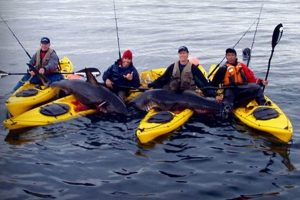
Large aquatic animals, such as marine mammals or fish, can pose a risk of collision or capsizing, especially if startled or behaving aggressively. A sudden surfacing or breaching near a kayak can cause instability, potentially leading to an angler falling overboard. Fish hooked or entangled in fishing lines can exert considerable force, potentially pulling an angler off balance or even capsizing the kayak. Smaller animals, while less likely to cause capsizing, can still create hazardous situations. Birds diving for bait or fish can become entangled in fishing lines, creating a distraction or causing the angler to lose balance. Insects, such as wasps or bees, can sting, causing allergic reactions or disrupting concentration, leading to errors in judgment. Terrestrial animals encountered near shorelines or during portages can also contribute to incidents. Unexpected encounters with large mammals, such as bears or moose, can startle anglers, causing them to react suddenly and potentially capsize. Snakes or alligators present bite risks, especially if disturbed or cornered. Furthermore, sharp barnacles or other marine organisms attached to rocks or structures near the water can cause cuts or scrapes, leading to infection or hindering an angler’s ability to manage the kayak safely.
Practical examples illustrate these potential hazards. A startled seal surfacing unexpectedly near a kayak could cause an inexperienced angler to lose balance and capsize. A large fish pulling forcefully on a fishing line could destabilize a kayak or even break the line, potentially causing injury from the recoil. An angler reaching for a bird entangled in their fishing line could overbalance and fall overboard. Minimizing risks associated with wildlife encounters requires a proactive approach. Maintaining a safe distance from animals, avoiding sudden movements, and refraining from feeding or harassing wildlife are crucial precautions. Securely stowing fishing gear when not in use can prevent entanglement with animals or vegetation. Understanding local wildlife and their behavior can further enhance preparedness and inform decision-making in potential encounter situations. Recognizing the potential for wildlife encounters to contribute to accidents underscores the importance of vigilance, preparedness, and respect for the natural environment. Integrating these principles into kayak fishing practices contributes to a safer and more rewarding angling experience while minimizing disturbances to wildlife.
6. Negligence/Risky Behavior
Negligence and risky behavior represent significant contributing factors to kayak fishing accidents. These actions, often stemming from a lack of awareness, inadequate preparation, or disregard for safety guidelines, create avoidable hazards and increase the likelihood of incidents. Understanding the connection between these behaviors and accidents is crucial for promoting responsible angling practices and enhancing safety on the water.
Several risky behaviors commonly contribute to accidents. Consuming alcohol or drugs impairs judgment and coordination, increasing the risk of capsizing, navigation errors, and delayed reaction times in emergencies. Overloading a kayak beyond its weight capacity compromises stability and increases the risk of swamping, particularly in rough conditions. Standing up in a kayak, especially in unstable conditions or without proper experience, dramatically elevates the likelihood of capsizing. Ignoring weather warnings or venturing out in hazardous conditions, such as strong winds, thunderstorms, or fog, significantly increases the risk of accidents. Failing to wear a personal flotation device (PFD) is a fundamental act of negligence that can have fatal consequences in the event of a capsize. Similarly, neglecting to inform someone on shore of the fishing trip plan or estimated return time hinders rescue efforts in case of an emergency. These behaviors often combine to create a cascade of events leading to accidents. For example, an angler consuming alcohol might become disoriented and stand up in the kayak, leading to a capsize in rough water. The lack of a PFD and failure to inform someone of the fishing plan could then compound the situation, turning a preventable incident into a tragedy.
Addressing the challenge of negligence and risky behavior requires a multi-pronged approach. Public awareness campaigns emphasizing the importance of responsible angling practices and highlighting the consequences of risky behavior can educate anglers and foster a culture of safety. Promoting readily accessible safety guidelines and educational resources, such as online tutorials or hands-on training courses, can equip anglers with the knowledge and skills necessary to make informed decisions and avoid risky actions. Encouraging mentorship programs, where experienced kayakers guide novices, can instill safe practices and promote responsible behavior on the water. Ultimately, fostering a sense of personal responsibility and emphasizing the potential consequences of negligent actions are paramount for mitigating risks and ensuring the safety of all kayak anglers.
7. Collisions
Collisions represent a significant hazard in kayak fishing accidents, often resulting in serious injury or equipment damage. Low visibility due to fog, darkness, or inclement weather increases the risk of collisions with other vessels, including motorboats, personal watercraft, and other kayaks. The relatively small size and low profile of kayaks make them difficult to see, particularly in challenging conditions. Fast-moving motorboats might not detect a kayak until it is too late to avoid a collision, resulting in severe impact and potential injury to the kayaker. Collisions with fixed objects, such as submerged rocks, logs, or docks, also pose a significant threat, especially in areas with strong currents or limited visibility. Such impacts can cause hull damage, leading to leaks or capsizing, and can also injure the kayaker. Furthermore, collisions between kayaks, though less frequent, can occur in congested areas or during group fishing trips, resulting in capsizing or equipment damage.
Several factors contribute to the occurrence of collisions. Lack of awareness of surroundings, including other vessels and potential hazards, plays a crucial role. Inadequate lighting on kayaks, especially during low-light conditions, reduces visibility to other boaters. Failure to adhere to navigation rules and right-of-way guidelines further increases collision risk. Operating a kayak under the influence of alcohol or drugs impairs judgment and reaction time, increasing the likelihood of accidents. Distraction, such as using a cell phone or adjusting fishing gear, can divert attention from navigation and increase the risk of collision. For instance, a kayaker focused on retrieving a snagged fishing line might fail to notice an approaching motorboat until it is too late to avoid impact. Similarly, paddling in foggy conditions without proper lighting or sound signals can lead to collisions with other vessels or stationary objects. A collision between a motorboat and a kayak can result in severe injuries to the kayaker, including broken bones, head trauma, or even fatalities. Collisions with fixed objects can cause significant damage to the kayak, potentially leading to sinking or requiring extensive repairs.
Mitigating collision risks requires a proactive and multifaceted approach. Increased visibility through proper lighting, bright clothing, and reflective materials enhances the likelihood of being seen by other boaters. Maintaining situational awareness by scanning the surroundings for other vessels and potential hazards is crucial. Adherence to navigation rules and right-of-way guidelines promotes safe passage and reduces conflict with other watercraft. Avoiding distractions and remaining focused on navigation minimizes the risk of overlooking potential hazards. Operating kayaks free from the influence of alcohol or drugs ensures clear judgment and appropriate reaction times. Furthermore, understanding and respecting the limitations of one’s kayaking skills and avoiding navigation in challenging conditions, such as strong currents or limited visibility, contributes significantly to collision avoidance. By embracing these preventative measures, kayakers can significantly reduce the risk of collisions and contribute to a safer boating environment for all.
Frequently Asked Questions
This section addresses common inquiries regarding incidents involving kayaks used for angling.
Question 1: What are the most common causes of kayak fishing accidents?
Capsizing due to instability, environmental factors (wind, waves, currents), and collisions with other vessels or objects are frequent causes.
Question 2: How can the risk of these incidents be reduced?
Wearing a personal flotation device (PFD) at all times, checking weather forecasts before embarking, carrying essential safety equipment, and receiving proper instruction in kayak handling and self-rescue techniques are crucial preventative measures.
Question 3: What are the essential safety items for kayak fishing?
A PFD, whistle, visual distress signals, communication device (VHF radio or waterproof cell phone), first-aid kit, bilge pump, and paddle float are considered essential.
Question 4: What should one do if their kayak capsizes?
Attempt self-rescue if possible. If unable to re-enter the kayak, stay with the overturned vessel for increased visibility and flotation. Signal for help using available devices.
Question 5: Are there specific regulations or laws related to kayak fishing safety?
Regulations vary by jurisdiction. Researching and adhering to local boating laws, including requirements for PFDs, registration, and navigation lights, is essential.
Question 6: What are the common mistakes made by those new to kayak fishing?
Overestimating abilities, neglecting weather forecasts, overloading the kayak, lacking essential safety gear, and insufficient knowledge of self-rescue procedures are common errors among novices.
Understanding these frequently asked questions and implementing recommended safety precautions can significantly reduce the risk of incidents and contribute to safer kayaking experiences.
The following section will explore advanced safety techniques and resources for further enhancing on-water preparedness.
Conclusion
Incidents related to angling from kayaks represent a significant concern within recreational water activities. This exploration has highlighted the multifaceted nature of these events, emphasizing the interplay of environmental conditions, equipment failures, angler inexperience, inadequate safety gear, wildlife encounters, risky behavior, and collisions. Understanding these contributing factors is paramount for developing effective prevention strategies and promoting a culture of safety within the kayak fishing community.
Continued efforts to improve safety awareness, enhance equipment standards, and promote responsible angling practices are essential for reducing the occurrence and severity of these incidents. A focus on education, training, and adherence to established safety guidelines can empower anglers to mitigate risks, fostering a safer and more enjoyable experience on the water. Ultimately, promoting a proactive approach to safety, characterized by informed decision-making and a commitment to responsible practices, is crucial for preserving the well-being of all who participate in this rewarding recreational activity.