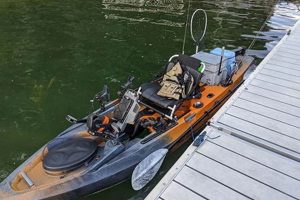
Recreational angling from a kayak in South African waters is subject to a specific framework of rules designed to ensure sustainable fishing practices and protect marine ecosystems. This framework encompasses licensing requirements, catch limits (both bag and size), permitted species, and designated fishing areas. For instance, anglers might need a specific permit to target particular species or fish in certain protected zones. Ignoring these rules can lead to penalties, including fines and confiscation of equipment.
Adhering to these guidelines is crucial for preserving fish populations for future generations and maintaining the health of aquatic environments. Historically, overfishing and unregulated practices have had detrimental impacts on marine life. By implementing and enforcing regulations, authorities aim to mitigate these negative consequences and promote responsible angling practices amongst kayak fishermen. This contributes not only to ecological well-being but also to the long-term viability of the recreational fishing industry.
The following sections will explore the key aspects of legal recreational kayak angling in South Africa in greater detail, covering topics such as obtaining the correct licenses, understanding catch restrictions, and identifying designated fishing zones. Additional information regarding species-specific regulations and equipment guidelines will also be provided.
Tips for Legal Kayak Angling in South Africa
Adhering to regulations while kayak fishing ensures the sustainability of fish populations and protects marine ecosystems. The following tips offer guidance for responsible angling practices within the legal framework.
Tip 1: Obtain the Necessary Permits. Different provinces and municipalities may have specific licensing requirements. Anglers should consult the relevant authorities, such as the Department of Forestry, Fisheries and the Environment (DFFE) or local municipalities, to ensure they possess the correct permits before embarking on any fishing expedition.
Tip 2: Understand Catch Limits. Bag limits restrict the number of fish of a particular species that can be kept per angler per day. Size limits dictate the minimum or maximum size of fish that can be legally kept. These limits are crucial for managing fish populations and ensuring sustainable fishing practices. Consult official resources for species-specific regulations.
Tip 3: Adhere to Species Regulations. Some species are protected or have closed seasons. Anglers must familiarize themselves with these regulations to avoid unintentionally targeting restricted species. Information on protected species can be found on the DFFE website or by contacting local authorities.
Tip 4: Respect Designated Fishing Zones. Certain areas may be designated as no-fishing zones, marine protected areas, or sanctuaries. Respecting these boundaries is crucial for safeguarding sensitive ecosystems. Information on designated fishing zones can be obtained from local authorities or relevant websites.
Tip 5: Practice Catch and Release Responsibly. When practicing catch and release, handle fish with care to minimize stress and injury. Use appropriate hooks and tackle, and wet hands before handling fish to protect their slime coat. Release fish quickly and gently back into the water.
Tip 6: Be Aware of Equipment Restrictions. Specific regulations may govern the type of fishing gear allowed, such as the number of hooks or lines per angler. Ensure compliance with these regulations to avoid penalties.
Tip 7: Dispose of Waste Properly. Maintain the cleanliness of fishing areas by disposing of all waste responsibly, including fishing line and tackle. This helps preserve the natural environment and minimizes the impact on marine life.
By following these guidelines, anglers contribute to the long-term health of South Africa’s marine ecosystems and ensure the sustainability of recreational fishing for future generations. Responsible angling practices enhance the enjoyment of the sport and protect the natural resources upon which it depends.
The following section will offer a concluding perspective on the importance of adhering to these regulations and highlight resources for further information.
1. Licenses

Angling licenses are a cornerstone of kayak fishing regulations in South Africa, serving as a mechanism for controlling fishing activity and generating revenue for conservation efforts. Understanding licensing requirements is essential for legal compliance and contributes directly to sustainable fisheries management.
- Types of Licenses
Various license types exist, catering to different angling needs. These might include recreational licenses for general angling, species-specific permits for targeting particular fish, or licenses for fishing in designated areas. For example, a person targeting trout in a specific river system might require a separate permit in addition to a general recreational license. Choosing the correct license is crucial for legal compliance.
- Obtaining Licenses
Licenses can typically be obtained from designated outlets, including post offices, fishing tackle shops, and online platforms. Applicants may need to provide personal information and pay the prescribed fee. It is crucial to ensure the license is valid for the intended fishing dates and location. Failure to possess a valid license can result in penalties.
- Cost of Licenses
License fees vary based on factors such as the type of license, its duration (daily, monthly, annual), and the residency status of the applicant. These fees contribute to the management and conservation of fisheries resources. Understanding the fee structure allows anglers to budget appropriately and contribute to sustainable fishing practices.
- Enforcement and Penalties
Authorities regularly conduct inspections to ensure compliance with licensing regulations. Fishing without a valid license or possessing an incorrect license can result in fines, confiscation of equipment, and potential legal action. Strict enforcement underscores the importance of obtaining and adhering to the correct licensing requirements.
Adhering to licensing regulations is not merely a legal obligation but a crucial contribution to responsible fishing practices. By obtaining the correct licenses, anglers contribute financially to conservation efforts and demonstrate a commitment to the sustainable management of South Africas valuable fisheries resources.
2. Permitted Species

Regulations regarding permitted species are integral to kayak fishing regulations in South Africa. These regulations aim to protect vulnerable or endangered species, manage fish stocks, and maintain biodiversity within aquatic ecosystems. Fishing for prohibited species can disrupt the delicate balance of these ecosystems and lead to declines in fish populations. For instance, targeting a keystone species could have cascading effects throughout the food web. Regulations often differentiate between species that can be kept, those that must be released, and those that are entirely protected. Understanding these distinctions is crucial for legal compliance and responsible angling.
Species-specific regulations can include bag limits, size restrictions, and closed seasons. Bag limits dictate the maximum number of a particular species an angler can retain per day. Size restrictions specify the minimum or maximum size of a fish that can be legally kept, allowing juvenile fish to mature and reproduce. Closed seasons, often coinciding with breeding periods, prohibit fishing for specific species during vulnerable times. For example, certain fish species might have a closed season during their spawning migration to protect breeding populations. Adhering to these regulations contributes to the long-term sustainability of fish populations and the overall health of aquatic ecosystems.
Disregarding permitted species regulations carries significant consequences, including fines, confiscation of equipment, and potential legal action. Beyond legal penalties, illegal fishing undermines conservation efforts and jeopardizes the future of recreational fishing. Accessing reliable information regarding permitted species is essential for responsible kayak angling. Resources such as the Department of Forestry, Fisheries and the Environment (DFFE) website, local fishing regulations brochures, and consultation with experienced anglers can provide valuable guidance. By understanding and adhering to permitted species regulations, anglers contribute to the preservation of South Africa’s diverse marine life and ensure the sustainability of recreational fishing for future generations.
3. Bag Limits

Bag limits are a crucial component of kayak fishing regulations in South Africa, playing a vital role in managing fish stocks and ensuring the sustainability of recreational fishing. These limits restrict the number of fish of a particular species that an angler can retain per day. By limiting the total catch, bag limits prevent overfishing, allowing fish populations to replenish and maintain healthy levels. This contributes to the long-term health of aquatic ecosystems and ensures the viability of recreational fishing for future generations. For example, a bag limit of five kob per angler per day helps prevent excessive harvesting of this species, allowing the population to remain stable and resilient. Exceeding these limits can lead to penalties, including fines and confiscation of equipment.
The specific bag limits for different species vary based on factors such as their vulnerability, population size, and reproductive rate. Slower-growing species with lower reproductive rates might have stricter bag limits than faster-growing, more resilient species. Understanding these species-specific limits is essential for compliance. Resources such as the Department of Forestry, Fisheries and the Environment (DFFE) website and local fishing regulations provide detailed information on current bag limits. Furthermore, dynamic management strategies may be implemented to adjust bag limits based on real-time assessments of fish populations. This adaptive approach allows for flexible responses to environmental changes or fluctuations in fish stocks, ensuring sustainable management practices.
Adhering to bag limits is not merely a legal obligation but a critical practice for responsible anglers. Respecting these limits demonstrates a commitment to conservation and contributes directly to the preservation of South Africa’s valuable fisheries resources. By understanding the rationale behind bag limits and their practical significance, anglers can contribute to the long-term health and sustainability of aquatic ecosystems, ensuring the enjoyment of kayak fishing for generations to come.
4. Size Restrictions

Size restrictions are a critical aspect of kayak fishing regulations in South Africa, designed to protect fish populations and maintain healthy ecosystems. These regulations stipulate the minimum or maximum size of fish that can be legally retained. By ensuring that fish reach a certain size before being harvested, size restrictions allow them to mature and reproduce, contributing to the long-term sustainability of fish stocks. Ignoring these restrictions can disrupt the natural balance of aquatic ecosystems and lead to declines in fish populations.
- Minimum Size Limits
Minimum size limits are implemented to protect juvenile fish, allowing them to grow and reproduce before entering the fishery. For example, a minimum size limit for a particular species might ensure that individuals have reached sexual maturity and contributed to the next generation before being harvested. This safeguards the reproductive potential of the population and contributes to its long-term viability. Catching and keeping undersized fish undermines these efforts and can have detrimental effects on the species.
- Maximum Size Limits
While less common than minimum size limits, maximum size limits can be implemented to protect larger, older fish within a population. These individuals often play crucial ecological roles, such as maintaining genetic diversity and regulating prey populations. In some cases, larger fish might also accumulate higher levels of toxins, making their consumption a health concern. Maximum size limits can help safeguard these vital individuals and ensure the overall health of the ecosystem.
- Species-Specific Regulations
Size restrictions are often species-specific, reflecting the biological characteristics and vulnerability of different fish populations. For example, a slow-growing species with low reproductive rates might have stricter size restrictions compared to a fast-growing, more resilient species. Consulting species-specific regulations is crucial for compliance and responsible angling practices.
- Enforcement and Penalties
Enforcement of size restrictions typically involves measuring the length of caught fish against a ruler or other measuring device. Failing to adhere to these restrictions can result in penalties, including fines, confiscation of equipment, and potential legal action. Consistent enforcement underscores the importance of complying with size restrictions and contributing to sustainable fishing practices.
Adherence to size restrictions is essential for responsible kayak fishing in South Africa. By respecting these regulations, anglers play a vital role in protecting fish populations, preserving biodiversity, and ensuring the long-term health of aquatic ecosystems. Understanding the ecological significance of size restrictions and complying with them contributes directly to the sustainability of recreational fishing and the enjoyment of this activity for future generations. Continued disregard for these regulations can lead to irreversible damage to fish stocks and the overall health of the marine environment.
5. Fishing Zones

Designated fishing zones are integral to kayak fishing regulations in South Africa, serving as a spatial management tool for preserving sensitive ecosystems and managing fish stocks. These zones delineate specific areas where fishing is permitted, restricted, or prohibited altogether. This spatial approach to regulation recognizes the varying ecological sensitivities of different marine environments and aims to minimize the impact of fishing activities on vulnerable habitats. For example, estuarine zones, crucial breeding grounds for many fish species, might have stricter regulations than open ocean areas. Understanding these zonal distinctions is essential for legal compliance and responsible angling practices. Kayak anglers must be aware of the boundaries of these zones and adhere to the specific regulations that apply within each designated area. This spatial framework allows for targeted management efforts, focusing conservation efforts on areas of particular ecological importance.
The establishment of fishing zones often considers factors such as the presence of critical habitats, spawning grounds, nursery areas, and the distribution of sensitive species. Marine Protected Areas (MPAs) exemplify zones with heightened protection, often prohibiting all fishing activities to safeguard biodiversity and allow ecosystems to recover. Conversely, other zones might permit specific fishing practices while prohibiting others. For example, a zone might allow catch-and-release fishing while prohibiting the retention of certain species. This nuanced approach allows for a balance between recreational fishing and conservation objectives. Disregarding fishing zone regulations undermines these management efforts and can have significant ecological consequences. Fishing in prohibited zones disrupts sensitive habitats, potentially damaging critical breeding grounds or disturbing endangered species. Furthermore, illegal fishing within designated zones hampers effective fisheries management and undermines the long-term sustainability of fish populations.
Adherence to fishing zone regulations is not merely a legal requirement but a demonstration of responsible angling practices. Respecting these zones contributes directly to the preservation of South Africa’s diverse marine ecosystems and ensures the long-term health of fish populations. Access to reliable information regarding designated fishing zones is crucial for kayak anglers. Resources such as nautical charts, online mapping tools, and local fishing regulations provide detailed information on zone boundaries and applicable rules. By understanding the rationale behind fishing zones and adhering to their specific regulations, kayak anglers contribute to the sustainable management of South Africa’s valuable marine resources and ensure the enjoyment of this activity for generations to come. Failure to comply with these regulations can lead to penalties, damage fragile ecosystems, and jeopardize the future of recreational fishing.
6. Equipment Regulations
Equipment regulations form a significant part of kayak fishing regulations in South Africa. These regulations govern permitted fishing gear and aim to minimize environmental impact and promote fair fishing practices. Restrictions often apply to hook types, line strength, and the number of rods or lines used. For instance, regulations may prohibit the use of certain types of hooks known to cause excessive injury to fish, even in catch-and-release scenarios. Limiting the number of lines per angler prevents overfishing and ensures fair access to resources. Furthermore, some areas may restrict the use of specific fishing methods altogether, such as gill nets or longlines, to protect vulnerable habitats or species. These regulations help maintain a balance between recreational fishing and conservation objectives.
The rationale behind equipment regulations often connects directly to the conservation of fish stocks and the protection of marine ecosystems. Restrictions on hook types, for example, can minimize injury to released fish, increasing their chances of survival. Regulations regarding fishing lines can prevent entanglement of marine animals, such as seabirds or seals. By adhering to these equipment regulations, anglers contribute to the overall health of the marine environment and the long-term sustainability of fish populations. Failure to comply with these regulations can result in penalties, ranging from fines to confiscation of equipment, and can contribute to environmental damage.
Understanding and adhering to equipment regulations is crucial for responsible kayak fishing in South Africa. Anglers should consult official resources, such as the Department of Forestry, Fisheries and the Environment (DFFE) website or local fishing regulations, for detailed information on permitted equipment. Practical considerations include carrying appropriate gear, inspecting equipment regularly for compliance, and disposing of old or damaged gear responsibly. By prioritizing responsible equipment practices, kayak anglers actively contribute to the preservation of South Africa’s marine resources and ensure the sustainability of recreational fishing.
Frequently Asked Questions
This section addresses common queries regarding kayak fishing regulations in South Africa, providing clarity on key aspects of legal compliance and responsible angling practices.
Question 1: Where can one find the most up-to-date information on fishing regulations specific to kayak angling in South Africa?
The Department of Forestry, Fisheries and the Environment (DFFE) website serves as the primary source for official regulations. Local municipalities and provincial authorities can provide additional information relevant to specific areas.
Question 2: Are there specific regulations regarding the use of life jackets or other safety equipment while kayak fishing?
While specific regulations regarding safety equipment might vary by location, prioritizing personal safety is paramount. Wearing a life jacket is strongly recommended, and carrying essential safety equipment, such as a VHF radio and signaling devices, is advisable.
Question 3: What are the penalties for non-compliance with fishing regulations while kayak fishing?
Penalties for non-compliance can include fines, confiscation of equipment, and potential legal action. The severity of penalties depends on the nature and extent of the infraction.
Question 4: How are marine protected areas (MPAs) different from other fishing zones regarding kayak angling regulations?
MPAs often have stricter regulations than other fishing zones, with many prohibiting fishing altogether to protect sensitive ecosystems. Specific regulations for each MPA should be consulted before entering these areas.
Question 5: If a fish is accidentally caught that is under the legal size limit or belongs to a protected species, what is the correct course of action?
Such fish should be handled with care and returned to the water as quickly and gently as possible. Minimizing stress and injury during handling increases the chances of survival.
Question 6: Are there specific regulations regarding the disposal of fishing line and other tackle from a kayak?
Responsible disposal of fishing line and tackle is crucial. Discarding these materials in designated receptacles or taking them home for proper disposal helps prevent environmental damage and protects marine life.
Understanding and adhering to kayak fishing regulations ensures enjoyable and sustainable angling experiences. Consulting official resources and engaging with local authorities provides further clarity and promotes responsible practices.
Further sections will provide practical tips for planning a kayak fishing trip and additional resources for enhancing angling experiences in South Africa.
Kayak Fishing Regulations
This exploration of kayak fishing regulations in South Africa has highlighted their crucial role in preserving marine ecosystems and ensuring the sustainability of recreational fishing. From licensing requirements and catch limits to permitted species and designated fishing zones, these regulations provide a comprehensive framework for responsible angling practices. Understanding and adhering to these rules is not merely a legal obligation but a demonstration of respect for the environment and a commitment to the long-term health of fish populations. Equipment regulations further contribute to minimizing environmental impact and promoting fair fishing practices. By observing these guidelines, anglers contribute directly to the conservation of South Africa’s valuable marine resources.
The future of kayak fishing in South Africa relies on the collective responsibility of all anglers. Continued adherence to regulations, combined with ongoing education and awareness, will ensure the sustainability of this popular recreational activity. By prioritizing responsible angling practices, individuals contribute to the preservation of healthy aquatic ecosystems and the enjoyment of kayak fishing for generations to come. Disregarding these regulations risks irreversible damage to fish stocks and the marine environment, ultimately jeopardizing the future of this cherished pastime.