This pursuit involves angling for summer flounder (Paralichthys dentatus), commonly known as fluke, from a kayak. It combines the quiet, low-impact approach of kayak angling with the challenge and reward of targeting this popular flatfish. Typically, anglers employ specialized tackle and techniques suited to both the kayak platform and the habits of fluke, often focusing on shallow inshore waters such as bays, estuaries, and inlets.
The advantages of this approach are numerous. Kayaks grant access to shallow, secluded areas often inaccessible to larger vessels, prime fluke habitat. Their maneuverability allows for precise positioning in tidal currents and around structures like docks and oyster beds. Moreover, the stealthy nature of a kayak minimizes disturbance, potentially increasing angling success. This method also represents a more environmentally friendly and often more affordable approach to fishing compared to motorized boats. Historically, smaller, human-powered vessels have played a significant role in fishing communities; this modern iteration continues that tradition, offering a direct connection to the aquatic environment.
The following sections will delve into the specific equipment, techniques, and strategies necessary for successful pursuits, including rod and reel selection, lure choices, ideal locations, and responsible fishing practices.
Tips for Fluke Fishing from a Kayak
Optimizing success when targeting fluke from a kayak requires specialized techniques and considerations. The following tips offer guidance for enhancing catch rates and overall angling experience.
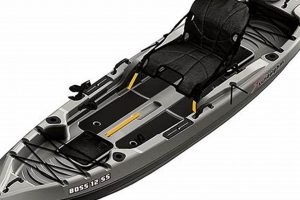
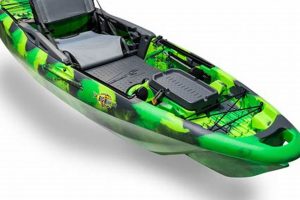
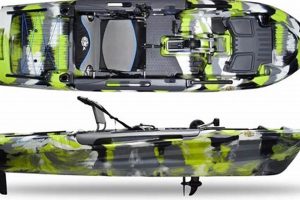
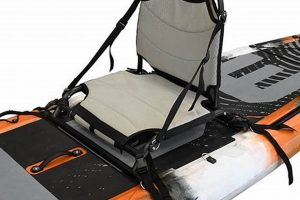
Tip 1: Choose the Right Kayak: Kayak selection significantly impacts stability and maneuverability. Wider, more stable platforms are recommended for beginners, while experienced anglers might prefer the speed and agility of longer, narrower kayaks. Sit-on-top kayaks are generally preferred for their ease of entry and exit, as well as self-bailing capabilities.
Tip 2: Utilize Appropriate Tackle: Light to medium-heavy spinning or baitcasting rods paired with appropriately sized reels spooled with braided line are ideal for fluke fishing. Braided line offers increased sensitivity for detecting subtle bites and greater strength for battling larger fish.
Tip 3: Focus on Structure: Fluke are ambush predators, often found near structures like channel edges, drop-offs, oyster beds, and docks. Concentrating efforts around these areas increases the likelihood of encountering fish.
Tip 4: Employ Effective Retrieves: Slow, bouncing retrieves along the bottom are highly effective. Varying the retrieve speed and incorporating occasional pauses can entice strikes.
Tip 5: Select Proven Lures and Baits: Bucktail jigs tipped with Gulp! or live bait are popular choices. Other effective options include fluke rigs, spinnerbaits, and soft plastic lures.
Tip 6: Consider Tidal Currents: Understanding tidal flows is crucial. Fluke often feed more actively during moving tides. Positioning the kayak to allow the current to carry the bait or lure naturally can improve presentations.
Tip 7: Practice Proper Fish Handling: Handle fluke with care to minimize stress and ensure their survival upon release. Wet hands before handling fish and use appropriate tools for hook removal.
By implementing these strategies, anglers can significantly enhance their chances of a productive and enjoyable experience on the water. Preparation and attention to detail are key components of successful fluke fishing from a kayak.
The concluding section will offer further resources and considerations for planning future kayak fishing excursions for fluke.
1. Stable Kayak Platform

A stable kayak platform is fundamental to successful fluke fishing from a kayak. Fluke fishing often involves fishing in relatively shallow water, requiring precise boat control and the ability to hold position against wind and current. A stable kayak allows anglers to focus on fishing rather than constantly correcting balance, especially when battling a strong fish. Instability hinders accurate casting, reduces hookset effectiveness, and complicates landing fish. For example, a sudden shift or wobble during a hookset can result in a missed opportunity or even capsizing in challenging conditions. Furthermore, kayak stability facilitates essential tasks like changing lures, retying knots, and handling bait, all crucial elements for a productive outing.
The degree of stability needed depends on several factors, including water conditions, angler experience, and the specific fishing techniques employed. Calm, sheltered bays require less stability than open water exposed to wind and waves. Experienced anglers with refined balance might comfortably fish from narrower kayaks offering greater speed and maneuverability. Conversely, beginners or those fishing in rougher conditions benefit significantly from wider, more stable platforms. Additionally, techniques like sight casting or using longer rods necessitate a higher degree of stability to maintain control and accuracy. Selecting a kayak with appropriate stability for the intended conditions and fishing style significantly impacts the overall experience and success.
In summary, kayak stability directly influences fishing effectiveness, safety, and enjoyment. Choosing a platform that provides adequate stability allows anglers to concentrate on the nuances of fishing rather than managing balance. This consideration becomes particularly crucial in the dynamic environment of fluke fishing, where precise boat control and efficient task management are paramount. Neglecting stability compromises angling performance and potentially jeopardizes safety, underscoring its critical role in successful kayak fishing for fluke.
2. Light Tackle and Braided Line

The selection of light tackle and braided fishing line plays a crucial role in optimizing the kayak fishing experience for fluke. This combination offers distinct advantages when targeting these bottom-dwelling flatfish from a kayak, enhancing sensitivity, improving lure presentation, and increasing overall effectiveness.
- Enhanced Sensitivity
Braided line, with its minimal stretch, transmits even the subtlest of bites directly to the angler’s hand. This heightened sensitivity is crucial for detecting the often-delicate takes of fluke, particularly in deeper water or when using finesse presentations. Light tackle further amplifies this sensitivity, allowing for better detection of bottom composition changes and structure, key factors in locating fluke. The combination enables anglers to perceive the precise moment a fluke inhales the bait, leading to more effective hooksets.
- Improved Lure Presentation
Light tackle, coupled with braided line, facilitates more natural lure presentations. The reduced diameter of braided line compared to monofilament or fluorocarbon of equivalent strength minimizes water resistance, allowing lures to sink more naturally and behave more realistically in the current. This is particularly important when using lightweight jigs or soft plastics, which are common and effective choices for targeting fluke. The enhanced control offered by light tackle also allows for precise manipulation of the lure, mimicking the movements of natural prey.
- Increased Casting Distance
Braided line’s thin diameter and lack of stretch contribute to increased casting distance, a valuable asset when fishing from a kayak. Longer casts allow anglers to cover more water and reach distant targets, expanding the effective fishing range. This is especially beneficial in larger bays or estuaries where fluke may be scattered. Light rods, designed for casting lighter lures, further enhance casting accuracy and distance, maximizing coverage from the limited space of a kayak.
- Stronger Hooksets
The lack of stretch in braided line translates to more direct and powerful hooksets. This direct connection between angler and lure ensures that the force applied during the hookset is efficiently transferred to the hook, resulting in a higher percentage of solid hookups. Combined with light tackle, which offers greater sensitivity to the initial bite, this allows for immediate reaction and secure hooksets, even at a distance or in deeper water, critical for landing fluke known for their subtle takes and powerful runs.
The synergy between light tackle and braided line significantly enhances the effectiveness of kayak fishing for fluke. By maximizing sensitivity, improving lure presentation, increasing casting distance, and facilitating stronger hooksets, this combination allows anglers to capitalize on opportunities and increase their chances of landing these prized flatfish.
3. Shallow Water Locations

Shallow water locations represent crucial habitat for summer flounder (fluke) and offer significant advantages to anglers pursuing them from kayaks. These areas, typically characterized by depths ranging from a few feet to around twenty feet, provide the ideal combination of environmental factors that attract and concentrate fluke, making them prime targets for kayak anglers. The shallows offer abundant forage, including small baitfish, crustaceans, and marine worms, which constitute a significant portion of the fluke’s diet. Furthermore, sandy or muddy bottoms interspersed with patches of eelgrass or other vegetation provide excellent camouflage for these ambush predators, allowing them to lie in wait for unsuspecting prey. Structures such as oyster beds, rock piles, and channels edges further enhance the attractiveness of these shallow water environments by providing additional cover and concentrating prey.
Kayaks, with their shallow draft and maneuverability, excel in these shallow water environments. Unlike larger vessels restricted by deeper drafts, kayaks can silently navigate shallow flats, backwater creeks, and areas close to shore where fluke often congregate. This access grants kayak anglers a significant advantage, allowing them to reach prime fishing grounds often inaccessible to other boaters. The quiet operation of a kayak further contributes to its effectiveness in shallow water, minimizing disturbance and spooking wary fish. For instance, drifting quietly over a shallow flat with a bucktail jig or live bait allows for a natural presentation, enticing strikes from fluke holding tight to the bottom. Moreover, the elevated vantage point offered by a kayak in shallow water can aid in sight fishing for fluke, particularly in clear water conditions, adding another dimension to the angling experience. This ability to spot fluke before casting offers a unique advantage, enhancing precision and increasing the likelihood of a successful hookup.
Understanding the importance of shallow water locations is fundamental to successful kayak fishing for fluke. By targeting these productive areas and leveraging the advantages of a kayak, anglers significantly increase their chances of encountering these prized flatfish. The combination of accessible habitat rich in forage and the stealthy, maneuverable nature of kayaks creates a highly effective approach for targeting fluke in their preferred environment. Furthermore, the shallow water environment often provides calmer conditions compared to open water, making for a more comfortable and enjoyable kayak fishing experience. While challenges such as wind drift and navigating tight spaces exist, the rewards of accessing these prime fluke habitats often outweigh the difficulties, reinforcing the significance of shallow water locations in the pursuit of these flatfish from a kayak.
4. Effective Retrieval Techniques
Effective retrieval techniques are essential for successful kayak fishing for fluke. These techniques dictate how the lure or bait is presented to the fish, influencing its attractiveness and ultimately determining the likelihood of a strike. Because fluke are ambush predators, often lying partially buried in the substrate, the retrieval must entice them to strike. A poorly executed retrieve, even with the right lure and location, can result in missed opportunities. Understanding and mastering various retrieval techniques significantly increases the chances of triggering a fluke’s predatory instincts.
- Slow, Bouncing Retrieves
This technique involves slowly reeling the lure or bait along the bottom, allowing it to bounce or hop over the substrate. This mimics the movement of a wounded or fleeing baitfish, a common prey item for fluke. The bouncing action also creates disturbances and stirs up sediment, attracting the attention of nearby fluke. Anglers can vary the speed of the retrieve and the height of the bounces to match the water depth and current conditions. A slow, deliberate bounce is often more effective in colder water or when fluke are less active.
- Varying Retrieve Speed
Fluke can be unpredictable in their feeding behavior. Sometimes a steady retrieve will trigger a strike, while other times, varying the speed is necessary. This can involve alternating between slow rolls and faster cranks, incorporating pauses, or adding sudden twitches or jerks to the retrieve. Changing the retrieve speed mimics the erratic movements of a distressed baitfish, often proving irresistible to fluke. Experimentation is key to determining the most effective retrieve speed on any given day.
- Dragging and Pausing
Dragging the lure or bait slowly across the bottom, interspersed with occasional pauses, can be highly effective. This technique allows the lure to remain in the strike zone for extended periods, increasing the chances of a fluke encountering it. The pauses also create a sense of vulnerability, suggesting an easy meal for the waiting predator. This technique is particularly effective when fishing with bucktail jigs tipped with live bait, allowing the bait to naturally sway and entice fluke.
- Lifting and Dropping
This technique, often employed with jigs, involves lifting the rod tip to raise the lure off the bottom and then lowering it back down, allowing it to fall naturally. The lift-and-drop action creates a fluttering motion that mimics a fleeing shrimp or small fish, attracting the attention of fluke. The rate of lift and drop, as well as the height of the lift, can be adjusted to match the depth and current conditions, maximizing its effectiveness.
Mastering these retrieval techniques is essential for successful kayak fishing for fluke. By understanding how these techniques influence lure presentation and trigger a flukes predatory instincts, anglers can significantly increase their chances of a successful hookup. The ability to adapt and vary retrieves based on prevailing conditions and fish behavior further refines the anglers approach, maximizing the potential for a productive day on the water.
5. Appropriate Bait and Lures

Bait and lure selection significantly influences success when kayak fishing for fluke. These fish are opportunistic feeders, but their preferences can vary based on factors such as location, water temperature, and tidal conditions. Choosing appropriate offerings that effectively mimic prevalent forage is crucial for enticing strikes. This involves understanding local baitfish populations, considering seasonal variations in prey availability, and selecting lures or bait that accurately represent these food sources in terms of size, color, and movement.
Several categories of bait and lures prove consistently effective for fluke. Live bait, such as minnows, killifish, and squid, presents a natural, highly appealing target. When using live bait, rigging it to ensure a natural presentation is essential. Bucktail jigs, often tipped with strips of squid or Gulp! artificial bait, effectively imitate small baitfish and crustaceans. The jig’s weight allows for casting at distance and its fluttering action on the retrieve can trigger aggressive strikes. Soft plastic lures, designed to mimic various baitfish and marine worms, provide another versatile option. Their lifelike appearance and subtle movements in the current can entice even wary fluke. Spinnerbaits, with their flashing blades and vibrating action, can effectively draw fluke from cover and trigger reaction strikes, particularly in murky water. Fluke rigs, consisting of a weighted hook adorned with beads, spinners, and often tipped with bait, offer a versatile and productive option, especially in areas with stronger currents.
Matching the bait or lure to the prevailing conditions and the target species’ feeding habits is paramount. In clear water, more natural presentations, such as live bait or subtly colored lures, are often preferred. Conversely, in murky water or low-light conditions, brighter colors and lures with more pronounced action, such as spinnerbaits, can be more effective. Understanding the connection between bait/lure selection and fish behavior allows anglers to make informed decisions, increasing their chances of success. Furthermore, adapting choices based on observed conditions throughout the day maximizes the potential for a productive outing. Ignoring these factors can lead to diminished results, highlighting the importance of appropriate bait and lure selection in kayak fishing for fluke.
Frequently Asked Questions
This section addresses common inquiries regarding fluke fishing from a kayak, providing concise and informative responses to enhance understanding and preparedness.
Question 1: What type of kayak is best suited for fluke fishing?
Sit-on-top kayaks are generally preferred for their stability, ease of entry and exit, and self-bailing capabilities. Wider kayaks offer enhanced stability, beneficial for beginners, while longer kayaks provide increased speed and maneuverability for experienced anglers.
Question 2: What is the recommended tackle setup for kayak fluke fishing?
Light to medium-heavy spinning or baitcasting rods paired with appropriately sized reels spooled with braided line are recommended. Braided line offers increased sensitivity and strength, crucial for detecting subtle bites and handling larger fish.
Question 3: Where are the best locations to target fluke from a kayak?
Focus efforts on shallow, structured areas such as estuaries, bays, inlets, and flats with sandy or muddy bottoms. Target areas near channel edges, drop-offs, oyster beds, docks, and eelgrass patches, as fluke often ambush prey in these locations.
Question 4: What are the most effective retrieval techniques for fluke?
Slow, bouncing retrieves along the bottom mimic the movement of natural prey. Varying the retrieve speed and incorporating pauses can further entice strikes. Experiment with different techniques to determine what works best on any given day.
Question 5: What are the best baits and lures for kayak fluke fishing?
Effective choices include bucktail jigs tipped with Gulp! or live bait, fluke rigs, spinnerbaits, and soft plastic lures. Live bait, such as minnows, killifish, and squid, can be highly productive. Select offerings that imitate prevalent forage in the target area.
Question 6: How does tidal current affect fluke fishing from a kayak?
Tidal currents influence fluke feeding behavior. Incoming and outgoing tides often create more active feeding periods. Position the kayak strategically to allow the current to carry the bait or lure naturally, presenting it within the fluke’s strike zone.
Understanding these key aspects contributes significantly to a successful and enjoyable kayak fishing experience targeting fluke. Preparation, appropriate equipment selection, and adaptability to prevailing conditions enhance the likelihood of positive outcomes.
The subsequent section delves into advanced techniques for locating and targeting fluke from a kayak, providing further insights for experienced anglers seeking to refine their approach.
Kayak Fishing for Fluke
This exploration has highlighted the multifaceted nature of kayak fishing for fluke, emphasizing the interconnectedness of equipment, technique, and location-specific knowledge. From the selection of a stable kayak platform and appropriate tackle to the mastery of effective retrieval techniques and bait choices, each element contributes significantly to successful outcomes. The advantages of kayak fishing for fluke, including access to shallow, productive waters and the stealthy approach afforded by this method, have been underscored. Furthermore, the importance of understanding fluke behavior, including their preference for structured habitats and their responses to tidal currents, has been emphasized as crucial for maximizing angling success.
The pursuit of fluke from a kayak represents more than simply a fishing method; it offers a unique connection with the inshore marine environment. This approach demands a deeper understanding of the interplay between predator and prey, angler and environment. As anglers refine their techniques and knowledge, they contribute to a growing appreciation for the delicate balance within these ecosystems. Continued exploration and responsible angling practices will ensure the sustainability of this rewarding pursuit for generations to come.