This activity involves angling from a small, human-powered vessel within the shallow, subtropical waters of a specific Florida location. It offers a unique blend of sport and connection with nature, allowing close-range interaction with the bay’s diverse marine ecosystem. Anglers often target species such as bonefish, tarpon, permit, snook, and redfish.
The relatively protected environment and rich biodiversity of this locale present ideal conditions for this pursuit. Its shallow flats and mangrove-lined shores provide ample habitat for a variety of game fish, creating exciting opportunities for anglers of all skill levels. Historically, small boats have been used for fishing in this area, reflecting its longstanding importance as a resource for both sustenance and recreation. This continues to be a popular activity, attracting both residents and visitors alike.
Further exploration of this subject will cover topics such as necessary equipment, suitable launch locations, prevalent fishing techniques, local regulations, and conservation efforts. Understanding these elements is crucial for a safe, successful, and environmentally responsible experience.
Tips for Biscayne Bay Kayak Angling
Careful planning and preparation are essential for a productive and enjoyable experience on the water. The following tips offer valuable insights for anglers of all levels.
Tip 1: Check Weather and Tide Charts: Wind and tidal currents can significantly impact navigation and fishing conditions. Consulting forecasts before departure is crucial for safety and success.
Tip 2: Utilize Appropriate Gear: Selecting rods, reels, and lines suited to target species and the bay’s environment enhances fishing effectiveness.
Tip 3: Employ Stealth Techniques: Quiet paddling and minimized boat movement are crucial for approaching fish without disturbance, particularly in shallow waters.
Tip 4: Respect Wildlife and Habitat: Maintaining a safe distance from wildlife and avoiding contact with sensitive habitats like seagrass beds promotes ecological preservation.
Tip 5: Adhere to Local Regulations: Familiarization with fishing licenses, size and catch limits, and permitted areas ensures compliance with conservation efforts.
Tip 6: Prioritize Safety: Wearing a personal flotation device, carrying communication equipment, and informing someone of planned routes enhance on-water safety.
Tip 7: Practice Proper Catch and Release Techniques: Minimizing handling time and using appropriate tools for hook removal helps ensure the survival of released fish.
Tip 8: Pack Essential Supplies: Bringing ample water, sun protection, and basic first-aid supplies contributes to a comfortable and safe experience.
Adherence to these guidelines enhances both the enjoyment and the ecological responsibility of angling within this unique environment.
These preparatory steps lay the groundwork for a rewarding experience on the bay, encouraging successful angling while minimizing environmental impact. Further exploration might include specific gear recommendations, detailed local regulations, or suggested fishing locations.
Shallow water navigation is integral to successful kayak fishing within Biscayne Bay. The bay’s extensive flats, averaging just a few feet deep, create a unique environment requiring specialized techniques. Effective navigation in these shallows allows anglers to access prime fishing grounds while minimizing disturbance to the habitat and target species. Ignoring these principles can lead to grounding, spooking fish, and damaging sensitive seagrass beds. For example, poling, a method using a long pole to propel the kayak, offers precise maneuverability and minimizes noise, proving highly effective in shallows. Similarly, understanding how wind and tides affect water depth is crucial for avoiding grounding and maximizing fishing opportunities.
Practical application of shallow water navigation techniques translates directly to increased angling success. The ability to silently and efficiently maneuver a kayak through the shallows grants anglers access to areas teeming with fish often inaccessible to larger vessels. This advantage allows for closer proximity to target species like bonefish, permit, and redfish, which frequent these shallow flats. Furthermore, understanding water depth and bottom composition influences lure selection and retrieval techniques, optimizing chances of attracting and hooking fish. For instance, using a weedless lure in areas with dense seagrass prevents snags and allows for more effective fishing.
Mastery of shallow water navigation is essential for maximizing angling potential within the unique ecosystem of Biscayne Bay. This skill not only enhances fishing success but also promotes responsible interaction with the environment. Challenges such as changing tides, wind conditions, and navigating complex channels emphasize the importance of continual learning and adaptation for safe and productive kayak fishing.
2. Species-specific tackle
Employing species-specific tackle is crucial for successful angling within the diverse ecosystem of Biscayne Bay. The bay’s varied fish species, from bonefish to tarpon, present unique challenges and require tailored approaches. Utilizing appropriate rods, reels, lines, and lures significantly impacts catch rates and angler satisfaction. Generic tackle often proves inadequate for effectively targeting specific species, potentially leading to lost opportunities and frustration. For example, the light tackle suitable for bonefish proves insufficient for handling the power and weight of a tarpon. Conversely, heavy tackle designed for tarpon makes it difficult to delicately present smaller flies or lures typically used for bonefish. Understanding these nuances allows anglers to optimize their approach based on target species.
Matching tackle to target species enhances angling effectiveness in several ways. Lighter tackle allows for more delicate presentations and greater sensitivity, ideal for smaller species like bonefish that readily spook. Heavier tackle provides the strength and durability necessary to subdue larger, more powerful fish such as tarpon and permit. Furthermore, lure selection plays a critical role; smaller, more subtle lures often prove effective for bonefish and permit, while larger, more robust lures are required to entice tarpon and snook. Consider the difference between a small shrimp imitation fly for bonefish and a large, brightly colored streamer fly for tarpon. These examples illustrate the importance of selecting tackle that aligns with the specific characteristics of the target species.
Careful consideration of species-specific tackle is integral to a successful and rewarding fishing experience in Biscayne Bay. This understanding translates directly to increased hook-up rates, improved fish-fighting capabilities, and minimized equipment failure. Challenges such as varying water conditions, fish behavior, and seasonal changes further underscore the importance of adaptable and species-specific tackle selection within this dynamic environment. Effectively addressing these challenges through informed tackle choices distinguishes a successful angler.
3. Tidal flow awareness
Tidal flow awareness is essential for successful kayak fishing in Biscayne Bay. Tides significantly influence fish behavior and movement within the bay’s shallow ecosystem. Incoming tides bring cooler, oxygenated water and baitfish onto the flats, attracting predatory species like snook, redfish, and bonefish. Conversely, outgoing tides concentrate fish in channels and deeper holes as they follow receding water and retreating baitfish. Ignoring tidal influence can lead to unproductive fishing trips. For instance, fishing a flat during an outgoing tide when fish have already moved into deeper channels will yield minimal results. Conversely, targeting channels during an incoming tide, as baitfish and predatory species move onto the flats, will likely prove more fruitful. Understanding these tidal dynamics is crucial for optimizing fishing location and strategy.
Practical application of tidal knowledge significantly enhances angling success. Anglers can leverage tidal flows to predict fish movement and position themselves accordingly. During an incoming tide, targeting areas where water floods onto flats, such as creek mouths and mangrove edges, often presents excellent opportunities to intercept actively feeding fish. During an outgoing tide, focusing on deeper channels and holes where fish congregate offers better prospects. Consider fishing a shallow flat during an incoming tide as baitfish and game fish move in to feed; as the tide recedes, shifting focus to a nearby channel where fish will likely concentrate can maintain consistent action. This adaptive approach demonstrates the practical significance of tidal awareness.
Mastery of tidal influence within Biscayne Bay distinguishes successful kayak anglers. This understanding allows for strategic planning and informed decision-making regarding location and technique. Challenges such as wind influence, water clarity, and seasonal variations further underscore the importance of incorporating tidal awareness into a comprehensive fishing strategy. Effectively addressing these complexities through integrated knowledge of tidal dynamics and other environmental factors optimizes angling potential within this dynamic ecosystem.
4. Wind impact management

Wind significantly influences kayak fishing in Biscayne Bay, impacting both angler safety and fishing effectiveness. The bay’s shallow waters and expansive open areas create susceptibility to wind-driven currents and wave action. Understanding and managing wind impact is crucial for a productive and safe fishing experience. Neglecting wind conditions can lead to difficulties in boat control, reduced fishing accuracy, and potentially hazardous situations.
- Drift Control:
Wind-driven drift can be advantageous or detrimental depending on its management. Utilizing drift socks or anchors allows anglers to control their position and maintain desired presentation. A controlled drift allows for covering more water and presenting lures naturally, while an uncontrolled drift can hinder accuracy and push the kayak into undesirable locations. For instance, a slow, controlled drift across a flat allows for consistent lure presentation to feeding bonefish. Conversely, a fast, uncontrolled drift makes accurate casting difficult and may push the kayak into shallow water or vegetation.
- Paddle Management:
Wind resistance directly impacts paddling effort and kayak maneuverability. Adjusting paddling technique and using a rudder or skeg helps maintain course and conserve energy. Efficient paddling technique minimizes fatigue and maximizes boat control, particularly in challenging wind conditions. For example, angled paddle strokes and corrective rudder adjustments help maintain a straight course against crosswinds. Failure to compensate for wind can lead to excessive exertion and difficulty reaching intended fishing spots.
- Shelter Seeking:
Utilizing natural windbreaks, such as mangroves and islands, offers respite from strong winds and provides calmer fishing conditions. Seeking shelter allows for more controlled casting and reduces fatigue. Shorelines and other protected areas create microclimates with reduced wind impact, improving fishing presentation and angler comfort. Fishing the leeward side of an island, for example, provides significantly calmer conditions than the windward side. This strategic use of natural features maximizes fishing opportunities during windy days.
- Safety Considerations:
Strong winds can create hazardous conditions on the bay, particularly for kayakers. Checking wind forecasts before departure and avoiding open water during high winds is paramount for safety. Understanding wind limitations for personal skill level and kayak type is crucial. Venturing into open water during strong winds in a small kayak can quickly lead to dangerous situations. Prioritizing safety and understanding weather conditions ensures a responsible and enjoyable experience.
Effective wind impact management is integral to successful kayak fishing in Biscayne Bay. These strategies not only enhance fishing effectiveness but also prioritize angler safety. By understanding and adapting to wind conditions, anglers can maximize their time on the water, optimize fishing presentation, and ensure a safe and rewarding experience. Integrating these techniques into a comprehensive fishing approach distinguishes a skilled and prepared angler.
5. Conservation Best Practices

Conservation best practices are essential for the long-term health and sustainability of Biscayne Bay’s ecosystem, ensuring continued enjoyment of kayak fishing opportunities. This delicate environment faces numerous pressures, including pollution, habitat degradation, and overfishing. Responsible angling practices play a crucial role in mitigating these threats and preserving the bay’s natural resources for future generations. Integrating conservation principles into every fishing trip safeguards this valuable ecosystem.
- Minimize Environmental Disturbance
Minimizing disturbance to the bay’s sensitive habitats, such as seagrass beds and mangrove forests, is paramount. Kayak anglers should avoid grounding their vessels on shallow flats, which can damage seagrass and disrupt benthic communities. Propelling the kayak with a pole in shallow areas minimizes disturbance compared to paddling. Likewise, avoiding anchoring in seagrass beds prevents uprooting and scarring. These practices maintain habitat integrity and support the bay’s biodiversity.
- Proper Catch and Release Techniques
Practicing proper catch and release techniques ensures the survival of released fish. Minimizing handling time reduces stress on the fish. Using wet hands or a wet towel when handling fish prevents removal of their protective slime coat. Sharp hooks and appropriate tools for hook removal minimize injury and facilitate quick release. These measures promote healthy fish populations and maintain the bay’s sport fishing resource.
- Responsible Waste Disposal
Responsible waste disposal is crucial for preventing pollution and maintaining water quality. All trash, including fishing line, hooks, and plastic packaging, should be removed from the bay and disposed of properly onshore. Discarded fishing line poses a significant entanglement hazard to wildlife, including birds and marine mammals. Proper disposal protects the bay’s ecosystem and preserves its aesthetic value.
- Respect Wildlife Interactions
Respecting wildlife interactions ensures the well-being of the bay’s diverse fauna. Maintaining a safe distance from marine mammals, birds, and other wildlife minimizes disturbance and avoids stressing these animals. Refraining from feeding wildlife prevents unnatural behaviors and maintains their reliance on natural food sources. Responsible observation promotes a healthy coexistence between humans and wildlife within the bay’s ecosystem.
Integrating these conservation best practices into kayak fishing trips is essential for the continued health and vitality of Biscayne Bay. By prioritizing conservation, anglers contribute directly to the preservation of this valuable resource, ensuring its enjoyment for current and future generations. The cumulative impact of individual actions, when aligned with conservation principles, contributes significantly to the long-term sustainability of the bay’s ecosystem and its diverse inhabitants.
6. Safety Equipment Essentials
Safety equipment is paramount for kayak fishing in Biscayne Bay. The bay’s environment presents inherent risks, including changing weather conditions, vessel traffic, and potential encounters with marine life. These factors necessitate specific safety precautions to mitigate potential hazards and ensure angler well-being. Neglecting safety equipment can have severe consequences, transforming a recreational outing into a life-threatening situation. A sudden squall, for example, can easily capsize an unprepared kayaker, while a collision with a powerboat can result in serious injury. Adequate safety equipment provides crucial protection against such unforeseen events.
Essential safety gear includes a personal flotation device (PFD), a signaling device (whistle, mirror, or flare), a communication device (waterproof VHF radio or cell phone in a waterproof case), and navigation tools (chart, compass, or GPS). A PFD provides buoyancy in the event of capsizing, significantly increasing chances of survival. Signaling devices enable communication in emergencies, attracting attention for assistance. Communication devices allow direct contact with emergency services or other boaters. Navigation tools aid in maintaining course and avoiding disorientation, particularly in changing weather or low visibility. These items function synergistically to create a comprehensive safety net for kayak anglers. For example, a kayaker separated from their group in dense fog can use a VHF radio to communicate their position and request assistance. Similarly, a capsized kayaker wearing a PFD and using a signaling mirror can increase visibility to rescuers.
Prioritizing safety equipment ensures responsible and informed engagement with Biscayne Bay’s unique environment. This preparedness reflects a commitment to personal well-being and fosters a culture of safety within the kayaking community. Challenges such as complacency, cost considerations, and perceived inconvenience can hinder adoption of comprehensive safety practices. Overcoming these challenges through education and promoting a proactive safety mindset are crucial for minimizing risks and ensuring enjoyable, incident-free experiences on the bay. Effective integration of safety equipment and practices distinguishes responsible and prepared kayak anglers.
Frequently Asked Questions
This section addresses common inquiries regarding angling from kayaks within Biscayne Bay, providing concise and informative responses to facilitate informed decision-making and enhance on-water experiences.
Question 1: What are the primary target species for anglers in this location?
Common target species include bonefish, tarpon, permit, snook, redfish, and sea trout. Specific regulations and seasonal variations influence availability and legal catch limits.
Question 2: Is a specific type of kayak recommended for this activity?
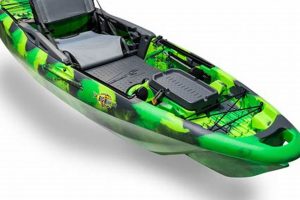
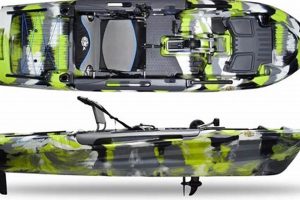
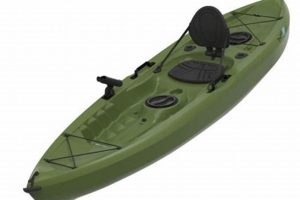
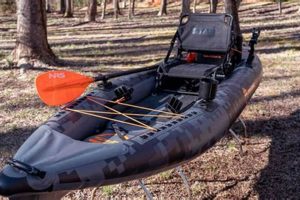
Sit-on-top kayaks are generally preferred due to stability and ease of access for fishing activities. Vessel length and hull design influence maneuverability and suitability for varying water conditions within the bay.
Question 3: Are guided fishing tours available for those unfamiliar with the area?
Numerous licensed guides offer specialized tours catering to various skill levels. Guided excursions provide valuable insights into local fishing techniques, regulations, and navigation.
Question 4: What essential safety precautions should one take when engaging in this activity?
Essential precautions include wearing a personal flotation device, carrying a communication device, checking weather forecasts, and informing someone of intended routes and return times. Adherence to established safety protocols significantly reduces risks associated with on-water activities.
Question 5: What licensing requirements apply to those wishing to fish within the bay?
A valid Florida fishing license is required for residents and non-residents. Specific license endorsements may apply depending on target species and fishing methods. Compliance with licensing requirements supports conservation efforts and ensures legal angling practices.
Question 6: What environmental considerations should anglers keep in mind to minimize impact?
Minimizing environmental impact involves adhering to “Leave No Trace” principles, practicing proper catch and release techniques, avoiding contact with sensitive habitats such as seagrass beds, and disposing of waste responsibly. Conservation-minded practices safeguard the bay’s ecosystem for future generations.
Understanding these frequently addressed topics enhances preparedness and promotes responsible angling practices within Biscayne Bay.
Additional resources, including local fishing regulations, tide charts, and safety guidelines, are available through various online platforms and local outfitters.
Kayak Fishing Biscayne Bay
Exploration of this activity reveals a unique blend of sport and environmental interaction. Navigating shallow waters, understanding tidal influences, employing species-specific tackle, and prioritizing conservation practices contribute significantly to successful angling. Emphasis on safety equipment and adherence to local regulations ensures responsible engagement with this valuable ecosystem. Careful consideration of these elements fosters rewarding experiences while minimizing environmental impact.
Biscayne Bay offers exceptional opportunities for this pursuit. However, its long-term health relies on responsible stewardship. Continued enjoyment of this activity hinges on angler commitment to conservation principles and sustainable practices. Promoting informed decision-making and fostering a culture of environmental responsibility are essential for preserving this unique resource for future generations.