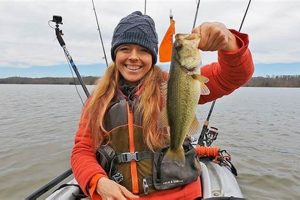
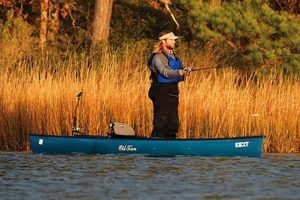
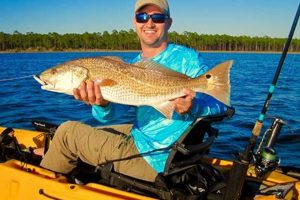
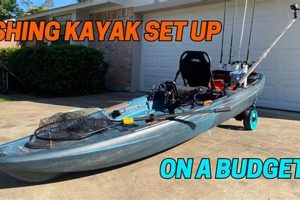
Paddling through the shallow, calm waters of Christmas Bay offers a unique angling experience. This protected estuary on the Texas coast provides an ideal environment for small boat fishing, allowing anglers to quietly approach redfish, speckled trout, and flounder. The bay’s clear waters and abundant seagrass beds create a thriving ecosystem, attracting a variety of game fish.
This style of fishing allows for a close connection with nature and provides access to areas unreachable by larger vessels. The quiet approach afforded by kayaks minimizes disturbance to the fish, increasing the chances of a successful catch. Historically, small boats have been used for fishing in these waters, highlighting the enduring appeal of this low-impact and highly effective approach. This method continues to draw anglers seeking a more intimate and rewarding fishing experience.
The following sections will explore specific techniques, recommended equipment, and conservation considerations for this type of angling in this location, providing anglers with the information needed for a successful and enjoyable outing.
Tips for Kayak Fishing in Christmas Bay
Successful angling in Christmas Bay by kayak requires preparation and strategic planning. The following tips offer guidance for a productive and enjoyable experience.
Tip 1: Understand Tidal Influences: Incoming tides bring baitfish and larger predators into the shallows, while outgoing tides concentrate fish in deeper channels. Consulting a tide chart is crucial for planning fishing times.
Tip 2: Utilize Light Tackle and Appropriate Lures: Light spinning or baitcasting tackle paired with lures that mimic local forage, such as shrimp and small fish, are effective in the bay’s clear waters.
Tip 3: Employ a Quiet Approach: Kayaks offer a stealthy advantage. Paddling smoothly and minimizing noise increases the likelihood of approaching fish undisturbed.
Tip 4: Focus on Shallow Grass Beds and Oyster Reefs: These areas provide habitat and ambush points for redfish, speckled trout, and flounder.
Tip 5: Practice Catch and Release Techniques: Conserving the bay’s fish population ensures future angling opportunities. Proper handling and quick releases minimize stress on caught fish.
Tip 6: Prioritize Safety: Wearing a personal flotation device is essential. Checking weather conditions before venturing out and carrying communication devices ensures a safe trip.
Tip 7: Respect Wildlife and the Environment: Avoiding disturbing nesting birds and minimizing impacts on the fragile ecosystem preserves the natural beauty of Christmas Bay.
By following these guidelines, anglers can maximize their chances of a successful fishing trip while contributing to the long-term health of the bay’s ecosystem.
These practical tips, combined with careful planning and respect for the environment, pave the way for a memorable and rewarding fishing experience in Christmas Bay. The following section will conclude with additional resources and considerations for planning your trip.
1. Quiet Approach
A quiet approach is paramount for successful kayak fishing in Christmas Bay. The shallow, clear waters of the bay make fish particularly susceptible to noise and disturbance. Loud paddling, sudden movements, or even the sound of dropped tackle can spook fish, causing them to scatter and impacting fishing success. Kayaks, by their nature, offer a stealthy advantage, allowing anglers to glide almost silently through the water. This inherent quietness is amplified by mindful paddling techniques and a conscious effort to minimize noise.
The effectiveness of a quiet approach can be observed in the behavior of redfish tailing in the shallows. These fish, often feeding on crustaceans in the grass beds, are easily startled by noise. A kayak angler employing a quiet approach can drift within casting range, presenting a lure without alarming the fish. Conversely, a noisy approach will send these fish scattering, leaving the angler empty-handed. Similarly, speckled trout holding near oyster reefs are sensitive to disturbances. A quiet approach maximizes the opportunity for a successful presentation and increases the likelihood of hooking these prized fish.
Minimizing noise and disturbance is not merely a technique for increasing catch rates; it contributes to the overall preservation of the bay’s ecosystem. A quieter approach reduces stress on fish populations and minimizes disruption to the natural environment. Ultimately, a quiet approach reflects a respectful and sustainable angling practice, essential for preserving the delicate balance of Christmas Bay for future generations of anglers.
2. Shallow Water Access
Shallow water access is a defining characteristic of kayak fishing in Christmas Bay and a key factor contributing to its appeal. The bay’s extensive shallow flats, grass beds, and oyster reefs create a unique and productive fishery accessible by kayak. This shallow-water environment provides a distinct advantage to kayak anglers, allowing them to reach areas inaccessible to larger, deeper-draft boats.
- Reaching Prime Fishing Grounds
Kayaks excel in navigating extremely shallow waters, granting access to prime fishing grounds often unreachable by other means. Areas like shallow grass flats, where redfish often tail, or backwater ponds teeming with speckled trout, become easily accessible. This ability to navigate shallows expands fishing opportunities significantly.
- Stealth and Approach
The shallow draft of a kayak allows for a stealthier approach. Anglers can quietly glide through the shallows, minimizing disturbance and increasing the chances of approaching fish undetected. This is particularly advantageous when sight fishing for redfish or targeting spooky trout in clear, shallow water. The low profile of a kayak further reduces visibility and disturbance, enhancing stealth.
- Exploring Diverse Habitats
Christmas Bay’s shallows encompass a diverse range of habitats, from seagrass beds to oyster reefs and tidal creeks. Kayak anglers can explore these diverse environments, each harboring different species and offering unique fishing challenges. This variety adds to the richness and complexity of the kayak fishing experience.
- Tidal Influence and Fish Behavior
Shallow water environments are significantly influenced by tidal fluctuations. Understanding tidal patterns is crucial for kayak anglers in Christmas Bay. Incoming tides flood the shallows, bringing baitfish and larger predators. Outgoing tides concentrate fish in deeper channels and potholes. Kayak anglers can leverage this knowledge to position themselves strategically based on tidal movements and predicted fish behavior.
The ability to access shallow water is fundamental to the allure of kayak fishing in Christmas Bay. It allows anglers to explore a diverse and productive ecosystem, employing stealth and strategic positioning based on tidal influences. This combination of factors creates a unique and rewarding angling experience, highlighting the distinct advantages of kayak fishing in this environment.
3. Targeted Species (Redfish, Trout)

Redfish and speckled trout represent key target species for anglers in Christmas Bay, significantly shaping the kayak fishing experience. These species thrive in the bay’s shallow, grassy waters and respond well to the quiet approach afforded by kayaks. Their prevalence and sporting qualities contribute to the bay’s popularity as a kayak fishing destination. Redfish, known for their powerful runs and acrobatic fights, offer a thrilling challenge on light tackle. Speckled trout, prized for their table fare and willingness to strike lures, provide a rewarding target for anglers of all skill levels. The bay’s ecosystem supports healthy populations of both species, creating consistent fishing opportunities.
The presence of these target species influences tackle choices, fishing techniques, and even the timing of fishing trips. Anglers often employ light spinning or baitcasting gear spooled with braided line to handle the strong runs of redfish. Lures mimicking the bay’s prevalent forage, such as shrimp and small baitfish, prove effective for both redfish and trout. Tidal movements play a crucial role in determining fish location and feeding activity, influencing anglers’ choices of fishing spots and times. During higher tides, anglers target flooded grass flats where redfish often tail, while lower tides concentrate fish in deeper channels and around oyster reefs, prime locations for speckled trout. Understanding the feeding habits and preferred habitats of these species enhances angling success.
The targeted pursuit of redfish and speckled trout in Christmas Bay exemplifies the intersection of angling skill, ecological awareness, and the unique characteristics of the bay environment. Conservation practices, such as catch and release, play a vital role in maintaining healthy fish populations and ensuring the long-term sustainability of this valuable fishery. The focus on these key species underscores the importance of responsible angling practices and the close relationship between the angler and the ecosystem. The continued success of kayak fishing in Christmas Bay hinges on the health and abundance of these targeted species.
4. Light Tackle and Lures

Light tackle and appropriate lure selection are integral components of successful kayak fishing in Christmas Bay. The bay’s shallow, clear waters and the targeted species, primarily redfish and speckled trout, dictate the need for finesse and precision. Heavier tackle and larger lures are often impractical and can be counterproductive in this environment. Light tackle enhances an angler’s ability to subtly present lures, mimicking the natural movements of baitfish and crustaceans, increasing the likelihood of enticing strikes. The delicate balance of a lighter setup also amplifies the fight of these fish, creating a more engaging and rewarding experience.
Several factors influence lure selection. Matching the hatchselecting lures that resemble the prevalent forage in the bayis a key consideration. Shrimp imitations, small paddle-tail swimbaits, and topwater plugs that mimic baitfish prove highly effective. Lure color also plays a crucial role. Natural colors, such as white, silver, and chartreuse, often produce well in clear water conditions. In murkier water or low-light situations, darker colors or lures with added flash or rattles can be more enticing. Water depth and structure influence lure choice as well. Shallow grass flats may necessitate weedless lures or topwater presentations, while deeper channels or areas around oyster reefs may call for sinking lures or jigs.
The combination of light tackle and carefully chosen lures contributes significantly to angling success and enjoyment in Christmas Bay. This approach allows for a more natural presentation, maximizing the chances of hooking fish while providing a more exhilarating fight. Understanding the interplay between tackle, lures, and the bay’s environment is crucial for anglers seeking a productive and rewarding experience. The right equipment not only enhances fishing success but also promotes a more nuanced appreciation of the sport and the delicate ecosystem of Christmas Bay.
5. Tidal Flow Awareness
Tidal flow awareness is paramount for successful kayak fishing in Christmas Bay. This shallow estuary experiences significant tidal fluctuations that directly influence fish behavior and movement. Anglers who understand and utilize tidal information gain a significant advantage, maximizing their chances of locating and catching fish. The incoming tide floods the shallow flats and marshes, bringing baitfish and larger predators seeking food. This creates prime fishing opportunities in areas that were previously inaccessible during low tide. Conversely, the outgoing tide concentrates fish in deeper channels and pools as the water recedes. Awareness of these tidal patterns allows anglers to predict fish location and adjust their fishing strategies accordingly.
For example, during a rising tide, redfish often move onto flooded grass flats to feed on crustaceans and small baitfish. Kayak anglers can position themselves along the edges of these flats or in shallow cuts and channels, intercepting the incoming fish. As the tide falls, these same redfish will retreat to deeper water, often congregating near oyster reefs or in channels leading back to the main bay. Similarly, speckled trout will follow baitfish movements influenced by tidal flow, creating opportunities for anglers to target them near drop-offs and deeper holes during the falling tide. Ignoring tidal influence can lead to unproductive fishing trips, highlighting the practical significance of this understanding.
In summary, tidal flow awareness is not merely a helpful tip but a fundamental element of successful kayak fishing in Christmas Bay. It provides a framework for understanding fish behavior, predicting their movements, and strategically positioning oneself for optimal fishing opportunities. By consulting tide charts and observing water movement, anglers enhance their chances of a successful and rewarding fishing experience. This knowledge empowers anglers to effectively navigate the dynamic environment of Christmas Bay and make informed decisions that significantly impact their fishing success.
6. Conservation Practices

Conservation practices are inextricably linked to the long-term viability of kayak fishing in Christmas Bay. The bay’s delicate ecosystem, supporting a diverse range of fish species and other wildlife, requires careful stewardship to ensure its health and productivity for future generations. Kayak fishing, due to its low-impact nature, offers a sustainable approach to angling, but its continued success hinges on anglers’ commitment to conservation. The practice of catch and release, for example, plays a crucial role in maintaining healthy fish populations. Proper handling techniques, such as minimizing air exposure and using appropriate hooks, reduce stress on released fish, increasing their chances of survival. Avoiding fishing in spawning areas during critical periods protects breeding fish and contributes to the long-term health of the fishery. These practices, while seemingly small, have a cumulative impact on the bay’s overall ecological balance.
The shallow nature of Christmas Bay makes it particularly vulnerable to environmental impacts. Kayak anglers can contribute to conservation by minimizing disturbance to seagrass beds and other sensitive habitats. Avoiding dragging kayaks across shallow grass flats or anchoring in these areas prevents damage to these vital ecosystems. Proper disposal of fishing line and other waste also plays a crucial role in maintaining the bay’s health. Discarded fishing line poses a significant threat to birds and other wildlife, while other debris can negatively impact water quality. Participating in organized cleanup efforts or simply picking up trash encountered during a fishing trip contributes significantly to preserving the bay’s pristine environment. Supporting local conservation initiatives and advocating for responsible fishing regulations further strengthens the commitment to preserving this valuable resource.
In conclusion, conservation practices are not merely an optional addendum to kayak fishing in Christmas Bay; they are an essential component of its sustainability. Anglers bear a responsibility to minimize their impact and actively contribute to preserving the bay’s health. The future of kayak fishing in this unique environment depends on the collective commitment to conservation, ensuring that future generations can enjoy the same rewarding experiences. The integration of conservation principles into every aspect of kayak fishing reinforces the connection between angling enjoyment and environmental stewardship.
Frequently Asked Questions
This section addresses common inquiries regarding kayak fishing in Christmas Bay, providing concise and informative responses to facilitate a safe and productive angling experience.
Question 1: What are the primary target species for kayak anglers in Christmas Bay?
Redfish and speckled trout are the primary target species, though flounder, black drum, and other species are also present.
Question 2: Are there specific regulations or license requirements for fishing in Christmas Bay?
A valid Texas fishing license with a saltwater endorsement is required. Regulations regarding size and bag limits for specific species should be consulted and adhered to.
Question 3: What are the recommended kayak types for fishing in Christmas Bay?
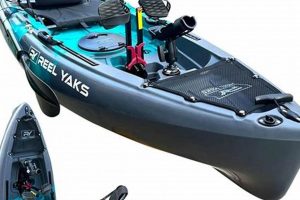
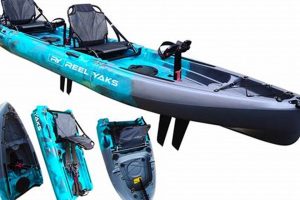
Sit-on-top kayaks are generally preferred for their stability and ease of use in shallow water. Fishing-specific kayaks often come equipped with features like rod holders and storage compartments.
Question 4: What safety precautions should be taken when kayak fishing in Christmas Bay?
Wearing a personal flotation device (PFD) is essential. Checking weather conditions before embarking and carrying a communication device are crucial safety measures.
Question 5: What is the best time to fish Christmas Bay from a kayak?
Fishing can be productive year-round, but fall and spring generally offer optimal conditions. Tidal movements significantly influence fish behavior, and incoming and outgoing tides often present the best opportunities.
Question 6: Where can one find reliable information regarding tides and weather conditions for Christmas Bay?
NOAA provides tide charts and weather forecasts specific to the Christmas Bay area. Local fishing reports can also offer valuable insights into current conditions.
Understanding these key aspects of kayak fishing in Christmas Bay contributes to a safer, more enjoyable, and productive experience. Respect for regulations and the environment ensures the preservation of this unique fishery.
For further information regarding kayak fishing in Christmas Bay, local outfitters and fishing guides can provide valuable resources and insights.
Christmas Bay Kayak Fishing
Christmas Bay kayak fishing offers a distinctive angling experience characterized by shallow-water access, a quiet approach, and the pursuit of prized species like redfish and speckled trout. Success hinges on understanding tidal influences, employing appropriate tackle and lures, and respecting the delicate balance of the bay’s ecosystem. From the stealthy approach facilitated by kayaks to the thrill of battling a redfish on light tackle, this style of fishing provides a close connection with nature and a rewarding challenge for anglers.
The future of this cherished pastime rests on the continued commitment to conservation practices. Respecting regulations, minimizing environmental impact, and practicing catch and release ensure the preservation of Christmas Bay’s unique fishery for generations to come. The quiet glide of a kayak through the shallows, the thrill of the catch, and the serenity of the surroundings combine to create an unforgettable experience, underscoring the importance of responsible stewardship of this valuable natural resource.