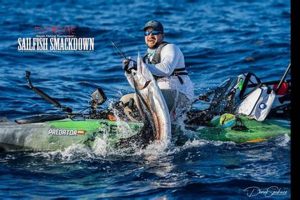
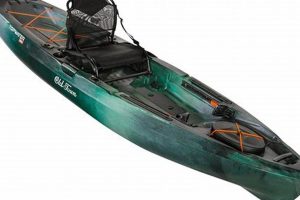
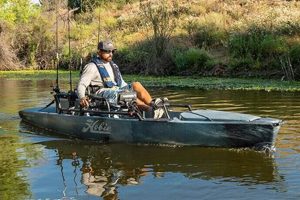
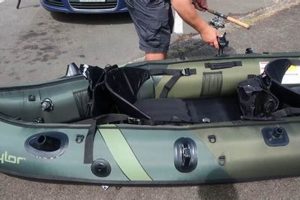
Acquiring previously owned kayaks specifically designed for angling at a low cost offers a practical entry point into the sport. This approach provides the necessary equipment without a substantial initial investment, allowing individuals to explore kayak fishing before committing to more expensive options. For instance, a lightly used fishing kayak from a reputable brand could be purchased at a significant discount compared to a new model, providing comparable functionality at a fraction of the price.
The affordability of pre-owned fishing kayaks democratizes the sport, making it accessible to a wider audience. This lower cost of entry removes a significant financial barrier, enabling more people to experience the enjoyment and rewards of kayak fishing. Historically, specialized equipment costs often limited participation in outdoor recreational activities. The availability of a robust secondhand market alters this dynamic, fostering greater inclusivity within the fishing community.
The following sections will delve into various aspects of acquiring affordable pre-owned fishing kayaks, covering topics such as evaluating condition, assessing essential features, identifying reputable sellers, and understanding pricing considerations.
Tips for Acquiring Affordable Pre-Owned Fishing Kayaks
Securing a suitable pre-owned fishing kayak at a reasonable price requires careful consideration and strategic planning. The following tips offer guidance for navigating the process effectively.
Tip 1: Thoroughly Inspect the Hull: Examine the kayak’s hull for any signs of damage, including cracks, deep scratches, or repairs. Pay particular attention to the keel and areas around fittings. A compromised hull can significantly impact performance and safety.
Tip 2: Evaluate Seating and Storage: Ensure the seating system provides adequate comfort and support for extended fishing trips. Assess storage capacity to accommodate essential gear, including tackle boxes, rods, and safety equipment.
Tip 3: Verify Functionality of Hardware: Inspect all hardware components, such as rudder systems, hatches, and mounting points. Confirm they operate smoothly and show no signs of corrosion or damage.
Tip 4: Research Comparable Models: Before making a purchase, research the specific make and model to understand its original retail price, features, and common issues. This information provides a baseline for evaluating the fairness of the asking price.
Tip 5: Consider Transportation Logistics: Factor in transportation logistics before finalizing a purchase. Ensure the kayak can be transported safely and efficiently with available resources.
Tip 6: Inquire About the Kayak’s History: Ask the seller about the kayak’s usage, maintenance history, and any known issues. A transparent seller will provide accurate and detailed information.
Tip 7: Negotiate the Price: Be prepared to negotiate the price, particularly if any minor flaws or wear are identified. Polite and reasonable negotiation can often lead to a mutually beneficial agreement.
By following these guidelines, prospective buyers can increase their chances of finding a well-maintained, functional fishing kayak at a price that aligns with their budget. A careful and informed approach is crucial for maximizing value and ensuring a satisfying purchase experience.
Equipped with these insights, potential buyers can confidently navigate the market for pre-owned fishing kayaks. The subsequent section provides a concise summary of key considerations.
1. Condition

Condition plays a pivotal role in the value and suitability of pre-owned fishing kayaks, especially when affordability is a primary concern. Structural integrity, wear and tear, and the presence of any damage directly influence both market price and long-term usability. A kayak with significant hull damage, for example, might be available at a steep discount, but the repair costs could negate any initial savings and potentially compromise safety. Conversely, a well-maintained kayak with minor cosmetic imperfections could offer exceptional value, providing years of reliable service at a reduced price. Evaluating condition accurately is essential for balancing cost-effectiveness with practical functionality.
Several factors contribute to a kayak’s overall condition. Exposure to sunlight and saltwater can degrade plastic over time, leading to fading, brittleness, and potential cracking. Improper storage practices can also contribute to warping or deformation. Usage patterns, such as frequent dragging over rough surfaces, can lead to scratches and abrasions on the hull. A thorough inspection, including careful examination of the hull, deck, seating, and hardware, is crucial for assessing the impact of these factors. Examining seams for leaks, checking for loose fittings, and evaluating the condition of any included accessories provide a comprehensive understanding of the kayak’s current state.
Understanding the relationship between condition and price is paramount when seeking affordable used fishing kayaks. Minor cosmetic issues typically have a negligible impact on performance and represent opportunities for price negotiation. However, structural damage or significant wear and tear can necessitate costly repairs, potentially exceeding the value of the kayak itself. A realistic assessment of condition allows buyers to identify kayaks offering the optimal balance of affordability and functionality. This informed approach minimizes the risk of acquiring a kayak requiring extensive repairs or replacement, ultimately ensuring a cost-effective and enjoyable fishing experience.
2. Features
Features play a significant role in the value proposition of used fishing kayaks, particularly within the context of affordability. While cost remains a primary driver, the presence and condition of specific features directly influence a kayak’s practicality and suitability for fishing. Evaluating features effectively requires understanding their individual functions and assessing their relevance to intended fishing styles and environments.
- Rod Holders
Rod holders are essential for hands-free fishing and safe rod storage during transport. Dedicated rod holders, whether flush-mounted, adjustable, or rotating, significantly enhance fishing efficiency. Used kayaks lacking sufficient or appropriate rod holders may necessitate aftermarket installations, adding to the overall cost. Examining the type, quantity, and condition of rod holders is crucial when evaluating a used fishing kayak.
- Storage Compartments
Ample storage is crucial for accommodating tackle boxes, safety gear, and other essentials. Used kayaks offer varying storage configurations, from dry hatches to open-deck bungee systems. Assessing storage capacity and accessibility is essential for determining suitability. A kayak with limited storage may prove impractical for longer trips or specific fishing styles requiring specialized equipment.
- Rudder or Skeg System
Rudders and skegs enhance tracking and maneuverability, particularly in challenging conditions like wind or current. Used kayaks equipped with these features often command a higher price but can significantly improve on-the-water performance. Evaluating the functionality and condition of the rudder or skeg system, including cables, pedals, and deployment mechanisms, is vital during inspection.
- Seating System
Comfort and adjustability are key considerations for extended fishing trips. Used kayaks may feature basic molded seats or more advanced adjustable systems. Evaluating seating comfort and support, including backrests and padding, is crucial for ensuring a positive fishing experience. Upgrading seating on a used kayak can be expensive, impacting overall affordability.
Careful consideration of these features, alongside overall condition and price, allows for informed decisions when selecting a used fishing kayak. Balancing desired features with budgetary constraints ensures a suitable kayak that enhances fishing experiences without exceeding financial limitations. Prioritizing essential features and assessing their condition directly contributes to finding a cost-effective and functional fishing platform.
3. Price

Price serves as a pivotal factor in the acquisition of used fishing kayaks, particularly when affordability is a primary objective. The interplay between price and condition, features, and market demand directly influences purchasing decisions. A clear understanding of pricing dynamics empowers buyers to identify value and negotiate effectively within the pre-owned kayak market. For instance, a lightly used, high-end fishing kayak with minor cosmetic imperfections might be available at a significant discount compared to its original retail price, representing excellent value for a discerning buyer. Conversely, an older, heavily used kayak with limited features, even at a low price point, might require significant repairs or upgrades, ultimately negating any initial cost savings.
Several factors contribute to the pricing of used fishing kayaks. Brand reputation, model popularity, age, condition, included accessories, and local market dynamics all play a role. Researching comparable models and their current market values provides a baseline for evaluating the fairness of asking prices. Online marketplaces, classified advertisements, and local retailers specializing in used kayaks offer valuable pricing insights. Understanding how these factors interact allows buyers to identify potential bargains and avoid overpaying for kayaks with underlying issues or limited functionality. A well-maintained kayak from a reputable brand, even if slightly older, might offer superior long-term value compared to a newer model from a less established manufacturer with a questionable history.
Strategic price evaluation is essential for maximizing value in the pre-owned kayak market. Balancing desired features, acceptable condition levels, and budgetary constraints requires careful consideration. Negotiating price based on identified imperfections or missing accessories can further enhance affordability. Ultimately, a comprehensive understanding of pricing dynamics empowers buyers to make informed decisions, securing a used fishing kayak that aligns with both their fishing needs and financial limitations. This approach ensures a cost-effective entry point into kayak fishing without compromising quality or functionality.
4. Seller Reputation

Seller reputation holds significant weight when purchasing used fishing kayaks, especially when seeking affordability. A reputable seller increases the likelihood of a transparent transaction, accurate product representation, and reliable post-sale support. Conversely, purchasing from an unknown or poorly reviewed seller elevates the risk of encountering undisclosed issues, misrepresented conditions, or difficulties with returns or warranties. For instance, a reputable kayak retailer specializing in used equipment often provides detailed condition reports, offers warranties, and facilitates returns, minimizing potential risks for buyers. An individual seller with a history of positive online reviews and transparent communication can also inspire confidence. However, purchasing from an anonymous online seller with limited feedback or a history of disputes significantly increases the potential for negative experiences, such as receiving a kayak with undisclosed damage or encountering difficulties resolving post-sale issues.
The connection between seller reputation and affordability becomes particularly relevant when considering the potential for costly repairs or returns. A reputable seller often offers recourse for unforeseen problems, mitigating financial risks associated with purchasing used equipment. This can include return policies, partial refunds, or assistance with repairs. This added layer of security can justify a slightly higher purchase price compared to an unknown seller offering a seemingly lower price. For example, a kayak purchased from a reputable seller might cost slightly more upfront but include a warranty covering potential repairs, providing long-term cost savings. A seemingly cheaper kayak from an unknown seller might lack such protections, potentially leading to substantial expenses for repairs or replacements if issues arise after purchase.
Evaluating seller reputation requires diligence and careful consideration of available information. Online reviews, feedback on marketplace platforms, and testimonials from previous buyers provide valuable insights into seller practices and reliability. Inquiring about return policies, warranties, and post-sale support further clarifies the seller’s commitment to customer satisfaction. Prioritizing seller reputation, alongside price and condition, enhances the likelihood of a positive purchasing experience and mitigates potential risks associated with acquiring used fishing kayaks. This approach ensures a cost-effective acquisition without compromising peace of mind or long-term value.
5. Location
Location significantly impacts the acquisition of affordable used fishing kayaks. Proximity to desirable fishing areas often correlates with higher demand and potentially inflated prices for used kayaks. Conversely, locations further inland or less popular for paddling sports may offer more competitive pricing and a wider selection of used kayaks due to lower demand. Transportation costs also factor into the overall affordability; kayaks located further from the buyer necessitate higher transportation expenses, potentially negating any initial cost savings. For example, a used fishing kayak located near a popular coastal destination might be priced higher due to local demand, while a comparable kayak located several hours inland could be significantly cheaper, even factoring in transportation costs. Similarly, densely populated areas with a higher concentration of kayak anglers may experience greater competition for used kayaks, driving up prices compared to less populated regions.
Exploring local marketplaces, classified advertisements, and online forums dedicated to paddling sports within a specific region can reveal pricing trends and availability. Networking with local kayaking groups or fishing clubs can also uncover opportunities for acquiring used kayaks directly from individuals within the community. Understanding regional variations in pricing and availability allows buyers to strategically target locations offering optimal value. Expanding the search radius to include less popular or more remote areas can uncover hidden gems at significantly lower prices. However, balancing potential cost savings with increased travel time and expenses requires careful consideration. For example, a buyer located near a major metropolitan area might find better deals by searching in smaller towns or rural communities within a reasonable driving distance. Conversely, limiting the search to local marketplaces in densely populated areas might restrict access to affordable options.
Strategic consideration of location optimizes the search for affordable used fishing kayaks. Balancing proximity, transportation costs, and regional market dynamics maximizes the potential for finding suitable kayaks at competitive prices. Expanding the search radius, leveraging local networks, and understanding regional pricing trends empower buyers to make informed decisions, ensuring a cost-effective acquisition without compromising quality or functionality. This approach aligns purchasing decisions with both budgetary constraints and logistical considerations, ultimately enhancing access to the sport of kayak fishing.
6. Transportation

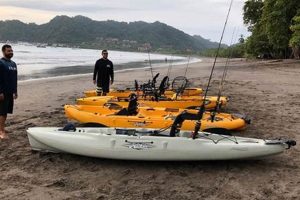
Transportation plays a crucial role in the acquisition of affordable used fishing kayaks. The kayak’s size and weight necessitate specific transportation solutions, impacting overall cost and logistical complexity. Kayak length typically ranges from 8 to 16 feet, requiring adequate vehicle capacity or specialized trailers. Weight considerations further complicate transport, particularly for heavier sit-on-top models or kayaks equipped with additional features. Transporting a kayak without appropriate equipment risks damage to both the kayak and the vehicle. For example, attempting to transport a 12-foot kayak in a compact car without roof racks or a trailer can lead to scratches, dents, and potential structural damage to the kayak. Improperly secured kayaks also pose a safety hazard to other drivers. A kayak detaching from a vehicle during transit can cause serious accidents.
Several transportation methods exist, each with associated costs and benefits. Roof racks represent a common solution, offering secure transport for kayaks of varying sizes. However, roof rack systems require initial investment and can impact fuel efficiency due to increased wind resistance. Trailers provide another option, particularly for transporting multiple kayaks or heavier models. Trailer ownership entails additional costs, including registration, maintenance, and storage. Borrowing or renting a trailer offers a cost-effective alternative for infrequent transport. Some buyers opt for pickup trucks with truck beds capable of accommodating kayaks directly. This method eliminates the need for external racks or trailers but requires careful securing and padding to prevent damage during transit. For individuals residing near waterways, paddling the kayak to the desired location might be feasible, eliminating transportation costs altogether. However, this option limits the range of accessible locations and depends on favorable weather and water conditions.
Failing to adequately address transportation logistics can negate the cost savings associated with purchasing a used fishing kayak. Unexpected transportation expenses, including last-minute trailer rentals or repairs due to improper handling, can quickly inflate the overall cost. Careful planning and consideration of transportation requirements before purchasing a used kayak are essential for maximizing affordability. Evaluating available transportation options, calculating associated costs, and factoring in logistical complexities ensure a smooth and cost-effective acquisition process. This proactive approach prevents unforeseen expenses and allows buyers to fully realize the financial benefits of purchasing pre-owned kayaks.
Frequently Asked Questions
This section addresses common inquiries regarding the acquisition of affordable, pre-owned fishing kayaks.
Question 1: What are the most common types of damage to look for when inspecting a used fishing kayak?
Common damage includes cracks or deep scratches in the hull, particularly around the keel, seams, and fittings. Check for signs of repairs, faded or brittle plastic due to sun exposure, and loose or corroded hardware.
Question 2: How can one determine a fair price for a used fishing kayak?
Research comparable models online and consider the kayak’s age, condition, features, and included accessories. Consulting local retailers or online marketplaces can provide insights into current market values.
Question 3: What are the essential features to prioritize when choosing a used fishing kayak?
Essential features include rod holders, sufficient storage compartments for tackle and gear, and a comfortable, supportive seating system. A rudder or skeg system can enhance maneuverability but may not be essential for all fishing styles.
Question 4: Where are the best places to find used fishing kayaks for sale?
Online marketplaces, classified advertisements, local retailers specializing in used kayaks, and paddling or fishing forums often list pre-owned kayaks. Networking within local paddling communities can also uncover opportunities.
Question 5: What are the key considerations for transporting a used fishing kayak?
Kayak size and weight dictate transportation needs. Roof racks, trailers, or pickup trucks with suitable beds are common options. Borrowing or renting a trailer offers a cost-effective solution for infrequent transport.
Question 6: What precautions should one take when purchasing a used fishing kayak from a private seller?
Thoroughly inspect the kayak in person, inquire about its usage and maintenance history, and request any available documentation. Consider using secure payment methods that offer buyer protection and document the transaction thoroughly.
Careful evaluation of condition, features, price, seller reputation, location, and transportation ensures a successful acquisition. Prioritizing these elements helps buyers make informed decisions aligned with individual needs and budgetary constraints.
The subsequent section provides a concluding summary of key takeaways regarding acquiring affordable pre-owned fishing kayaks.
Conclusion
Acquiring pre-owned fishing kayaks at reduced costs offers a viable pathway to enjoying the sport without significant initial financial outlay. Careful evaluation of condition, features, pricing, seller reputation, location, and transportation considerations remains paramount for maximizing value and ensuring a suitable purchase. A thorough understanding of these elements empowers informed decision-making, balancing budgetary constraints with desired functionality and long-term usability.
Strategic acquisition of pre-owned fishing kayaks expands access to this rewarding outdoor pursuit. Prioritizing informed purchasing practices ensures a positive and cost-effective experience, fostering greater participation and enjoyment within the angling community. Diligent research and careful consideration ultimately unlock the potential of affordable, pre-owned fishing kayaks, enabling a wider audience to experience the unique pleasures of angling from a kayak.