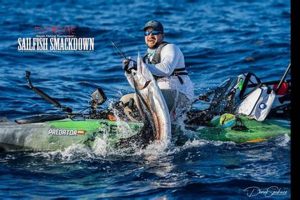
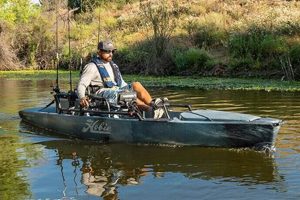
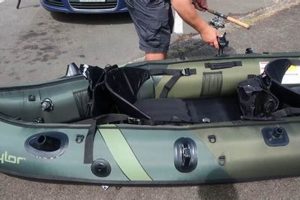
The phenomenon of a hooked aquatic creature exerting sufficient force to propel a small watercraft is a testament to the strength and determination of these animals. Imagine a lightweight vessel, designed for maneuverability and close contact with the water, suddenly being tugged across the surface by an unseen force. This experience, often unexpected and exhilarating, is a common occurrence for anglers.
This dynamic interaction between aquatic life and human-powered vessels offers valuable insights into the power and behavior of fish. It underscores the importance of using appropriate tackle and techniques when angling from a kayak. Historically, smaller boats and canoes have been used for fishing, but the increasing popularity of kayaks specifically designed for angling has brought this experience to a wider audience. A deep understanding of this interplay is crucial for both a successful and safe fishing experience, minimizing the risk of capsizing or equipment loss while maximizing the thrill of the catch.
This article will explore various aspects related to angling from a kayak, including selecting appropriate fishing gear, techniques for managing a powerful fish from a small vessel, and safety precautions to ensure an enjoyable and incident-free outing. Further sections will delve into the specific challenges and rewards associated with different species and aquatic environments.
Tips for Kayak Fishing
Successfully angling from a kayak requires specialized knowledge and techniques. The following tips provide valuable insights into managing the challenges and maximizing the rewards of this unique fishing experience.
Tip 1: Choose Appropriate Tackle: A shorter, heavier rod (around 6-7 feet) is recommended for kayak fishing. This length provides better leverage and control when battling strong fish in a confined space. Braided fishing line is preferred due to its strength and lack of stretch, allowing for more direct contact and control.
Tip 2: Utilize a Kayak-Specific Anchor System: A well-placed anchor prevents drift and maintains position in desired fishing locations. Stake-out poles are particularly effective in shallow water, while drift socks can control movement in currents. Always deploy and retrieve the anchor system smoothly to avoid capsizing.
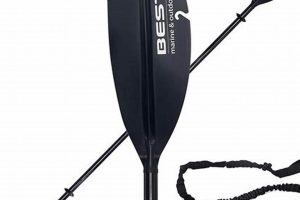
Tip 3: Master Proper Paddling and Maneuvering Techniques: Efficient paddling conserves energy and allows anglers to reach prime fishing spots. Learning to maneuver the kayak with one hand while handling fishing gear is essential.
Tip 4: Prioritize Safety Equipment: A personal flotation device (PFD) is mandatory for all kayak anglers. Carry a whistle, signaling mirror, and communication device for emergencies. Inform someone of the intended fishing location and expected return time.
Tip 5: Employ Effective Fish-Landing Techniques: Use a landing net or lip-gripping tool to securely control the fish during landing. Keep the fish in the water as much as possible to minimize stress and promote catch-and-release practices.
Tip 6: Practice Proper Fish Handling: Handle fish with care to avoid injury to both the angler and the fish. Wet hands before handling to protect the fish’s slime coat. Use appropriate tools for hook removal.
Tip 7: Understand Local Regulations: Familiarize oneself with local fishing regulations, including licensing requirements, size and catch limits, and permitted fishing methods.
By adhering to these guidelines, anglers can enhance their enjoyment and success while minimizing risks associated with fishing from a kayak. Preparation and a mindful approach are essential for a positive experience on the water.
The following section will delve into specific techniques for different species and environments, building upon the foundational knowledge presented in these tips.
1. Fish Size and Species

The capacity of a fish to generate sufficient force to pull a kayak is directly related to its size and species. Larger fish possess greater muscle mass, enabling them to exert more powerful thrusts against the water. Different species also exhibit varying levels of strength and fighting behavior. For instance, a large tarpon, known for its acrobatic leaps and powerful runs, is significantly more likely to pull a kayak than a similarly sized but less combative species like a redfish. A smaller, but tenacious fish like a bonefish, though not capable of sustained pulls over long distances, can still generate surprising bursts of speed, momentarily affecting kayak position.
Understanding the potential of different species to exert force on a kayak allows anglers to make informed decisions regarding tackle selection, fishing location, and safety precautions. Targeting larger, more powerful species necessitates heavier tackle and a heightened awareness of balance and kayak stability. Fishing in areas known to harbor such species requires increased vigilance and preparedness for sudden, forceful runs. Conversely, targeting smaller species in calmer waters allows for lighter tackle and a more relaxed approach. Consider the difference between battling a large striped bass in a swift current versus angling for panfish in a placid pond. The former demands robust equipment and precise maneuvering, while the latter allows for a more delicate setup and less emphasis on kayak control.
In conclusion, fish size and species are crucial factors influencing the likelihood and intensity of a kayak being pulled. This understanding enables anglers to select appropriate gear, choose suitable fishing locations, and employ necessary safety measures to ensure a successful and safe experience. Recognizing the specific challenges posed by different species allows for a more informed and enjoyable interaction with the aquatic environment, minimizing risks while maximizing the thrill of the catch.
2. Drag and Resistance

The forces of drag and resistance are central to the experience of a fish pulling a kayak. These hydrodynamic forces, acting in opposition to the fish’s movement, determine the magnitude of the pull exerted on the angler and their vessel. Understanding these forces is crucial for anticipating the challenges and preparing accordingly.
- Water Resistance on the Fish:
As a fish propels itself through water, it encounters resistance. This resistance increases with speed and the surface area of the fish. A larger fish, or a fish moving rapidly, experiences greater resistance. This resistance directly translates into the force transmitted to the kayak via the fishing line. Consider a fast-swimming tuna; its streamlined body minimizes drag, yet the sheer power of its muscles generates substantial resistance, resulting in a forceful pull. Conversely, a flounder, with its flattened profile, experiences greater resistance even at slower speeds.
- Fishing Line Drag:
The fishing line itself contributes to the overall drag. Line diameter and material influence the amount of resistance encountered as it moves through the water. Thicker lines create more drag. The type of line also plays a role; braided lines, while thinner, can sometimes cut through the water more efficiently than monofilament lines. The drag from the line adds to the force the angler feels, especially when a considerable length of line is out. For example, when trolling, the extended line significantly increases the drag and subsequently amplifies the pull of a hooked fish.
- Kayak Hull Resistance:
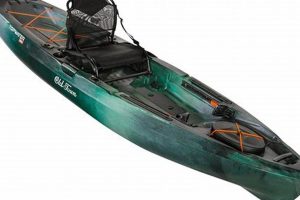
The kayak’s hull design significantly influences the resistance it encounters as it moves through the water. A wider, flatter hull experiences more resistance than a longer, narrower hull. This resistance impacts how easily the kayak is pulled by a fish. A kayak designed for stability, with a wider hull, will be influenced more by the pull of a fish than a sleek, touring kayak designed for speed. This becomes particularly noticeable when a hooked fish changes direction, requiring the angler to adjust paddling efforts to maintain control.
- Drag from Accessories:
Accessories attached to the kayak, such as anchors, drift socks, or even fishing gear extending into the water, contribute additional drag. This added resistance, though often subtle, can cumulatively influence the kayak’s responsiveness to a fish’s pull. For instance, a deployed drift sock, designed to slow the kayak’s drift, will magnify the effect of a fish pulling against it, potentially turning a gentle tug into a more pronounced pull.
The combined forces of resistance from the fish, fishing line, kayak hull, and any attached accessories determine the overall experience of a fish pulling a kayak. Understanding these individual components allows anglers to anticipate the forces at play and adjust their techniques accordingly. Consider a scenario where a large fish is hooked in strong currents. The combined drag from the fish, current, and potentially deployed anchor will create significant resistance, demanding precise kayak control and strong angling skills to manage the situation effectively. Therefore, comprehending these forces is paramount for both a successful and safe kayaking fishing experience.
3. Kayak Stability

Kayak stability plays a crucial role in the experience of a fish pulling a kayak. A stable kayak provides a secure platform for anglers to fight fish, minimizing the risk of capsizing or losing balance. Understanding the factors that contribute to kayak stability is essential for a safe and successful fishing trip. The following facets explore this relationship in detail.
- Center of Gravity
A lower center of gravity contributes to greater stability. Anglers seated low in the kayak create a more stable platform compared to standing or sitting on higher seats. When a fish pulls, a lower center of gravity reduces the likelihood of the kayak tipping. Consider the difference between a kayak angler sitting close to the waterline versus standing to cast. The seated angler will be significantly more stable when a fish pulls unexpectedly.
- Hull Design
Kayak hull design significantly influences stability. Wider hulls generally offer greater initial stability, resisting tipping when at rest. However, they may be less stable in rough water or when encountering strong side currents. Longer, narrower hulls, while less initially stable, tend to track straighter and handle waves more effectively. A pontoon-style hull offers exceptional initial stability, ideal for calm waters, while a V-shaped hull is better suited for rough conditions. Choosing a hull design appropriate for the anticipated fishing environment is crucial.
- Weight Distribution
Proper weight distribution within the kayak is vital for maintaining balance. Distributing gear evenly, avoiding excessive weight at either end, enhances stability. When a fish pulls, uneven weight distribution can exacerbate the tilting force, increasing the risk of capsize. For example, storing heavy tackle boxes at the stern while the angler sits at the bow can create instability, especially when a fish pulls from the side.
- Water Conditions
Calm water conditions contribute to kayak stability. Wind, waves, and currents can significantly impact balance, making it more challenging to manage the pull of a fish. Strong currents, particularly when combined with a fish pulling against the current, can destabilize a kayak quickly. Anglers should be mindful of changing water conditions and adjust their fishing strategy accordingly. For example, fishing near a river bend where currents converge necessitates heightened awareness and potentially relocating to calmer waters if a large fish is hooked.
These factors, acting in concert, determine a kayak’s stability and directly influence an angler’s ability to manage the pull of a fish. A stable kayak provides a secure platform, enabling the angler to focus on the fight and minimize the risk of capsizing. Understanding these principles allows anglers to make informed decisions regarding kayak selection, weight distribution, and fishing location, ultimately maximizing safety and enhancing the overall fishing experience. For instance, a wide, stable kayak with a low center of gravity and evenly distributed weight will provide a significantly more secure platform for battling a powerful fish than a narrow, unstable kayak with uneven weight distribution, particularly in rough water conditions.
4. Angler's Balance

Maintaining balance is paramount when a fish pulls a kayak. The sudden force exerted by a hooked fish can easily disrupt an angler’s equilibrium, particularly in a small, relatively unstable vessel. This destabilization can lead to capsizing, equipment loss, and potentially injury. The angler’s ability to maintain balance is directly related to the successful management of the fish and the overall safety of the fishing experience. Consider the scenario of hooking a large, powerful fish in a swift current. The combined forces of the fish pulling against the current and the kayak’s inherent instability require exceptional balance from the angler to avoid capsizing. This balance becomes even more critical when maneuvering the kayak while simultaneously fighting the fish.
Several factors influence an angler’s ability to maintain balance in a kayak while fighting a fish. These include the angler’s physical condition and experience, the kayak’s design and stability, and the prevailing environmental conditions. Experienced anglers develop a keen sense of balance and body awareness, allowing them to anticipate and react to the fish’s movements. They understand how to shift their weight and adjust their position to counter the fish’s pull. Kayak design plays a crucial role; wider, more stable kayaks provide a more secure platform, while narrower kayaks require greater balance and skill. Environmental factors such as wind, waves, and currents can significantly impact stability, demanding increased vigilance and balance control. For instance, an angler fishing from a narrow kayak in choppy conditions will require significantly more balance and core strength to manage a pulling fish compared to an angler in a wide, stable kayak on calm water.
Understanding the interplay between these factors enables anglers to make informed decisions and take appropriate precautions. Choosing a kayak with suitable stability characteristics, practicing balance drills, and being mindful of environmental conditions are essential for maintaining balance and ensuring a safe and enjoyable fishing experience. Furthermore, using proper angling techniques, such as keeping the rod tip low and using the kayak’s momentum to absorb the fish’s pull, contributes significantly to balance control. Ultimately, maintaining balance while fighting a fish from a kayak requires a combination of physical skill, experience, and a thorough understanding of the dynamic forces at play. This understanding allows anglers to mitigate risks and maximize their chances of successfully landing the fish while prioritizing safety.
5. Tackle Strength
Tackle strength is paramount when a fish pulls a kayak. The forces exerted by a hooked fish can easily exceed the capacity of inadequate fishing gear, leading to line breakage, lost fish, and potential disappointment. Selecting tackle appropriate for the target species and fishing environment is crucial for maintaining control, increasing the chances of a successful landing, and ensuring angler safety. The connection between tackle strength and the experience of a fish pulling a kayak is a direct one; the tackle serves as the critical link between the angler and the fish, transmitting the forces generated by the fish to the kayak and the angler. A powerful fish can test even the strongest tackle, highlighting the importance of selecting appropriate gear.
Consider the scenario of hooking a large tarpon known for its strength and acrobatic fighting ability. Using light tackle designed for smaller fish would almost certainly result in line breakage. The tarpon’s powerful runs and leaps would quickly overwhelm the line’s capacity, resulting in a lost fish and potentially damaged equipment. Conversely, using heavy tackle, including a strong rod, robust reel, and high-test line, provides the necessary strength and resilience to withstand the tarpon’s powerful pulls. This allows the angler to effectively manage the fish, applying appropriate pressure while minimizing the risk of line failure. Similarly, fishing for smaller species in heavy cover necessitates strong line and a robust rod to extract the fish from obstacles, preventing break-offs. The choice of appropriate tackle directly influences the outcome of the fishing encounter.
Appropriate tackle strength is not merely about matching the line test to the target species’ size; it also involves selecting a rod with sufficient backbone to handle the fish’s power and a reel with a smooth, reliable drag system. The drag system allows the angler to control the amount of tension on the line, preventing break-offs during strong runs. Furthermore, using appropriate knots and ensuring proper line maintenance are essential for maximizing tackle strength and minimizing failure points. Ultimately, the careful selection and maintenance of strong, reliable tackle are essential for successfully managing the dynamic forces at play when a fish pulls a kayak. This preparedness empowers anglers to confidently engage with powerful fish, minimizing the risk of equipment failure and maximizing the chances of a successful and rewarding fishing experience.
6. Water Conditions

Water conditions significantly influence the experience of a fish pulling a kayak. These conditions, encompassing elements such as current, wind, and waves, can either amplify or mitigate the forces exerted by a hooked fish. Understanding how these conditions interact with both the fish and the kayak is crucial for anticipating challenges, adapting fishing techniques, and prioritizing safety.
- Current
Currents exert a constant force on both the kayak and the hooked fish. A fish swimming with the current can create an unexpectedly strong pull, rapidly increasing the kayak’s speed and potentially causing instability. Conversely, a fish swimming against the current might feel less powerful initially, but as the angler retrieves line, the combined resistance of the current and the fish can become substantial. In tidal areas, changing currents can further complicate matters, requiring constant adjustments to kayak position and angling technique. For example, fishing in a fast-flowing river requires careful positioning and a strong anchoring system to manage a hooked fish effectively. The current can magnify the fish’s power, making it challenging to maintain control of the kayak.
- Wind
Wind impacts kayak control and drift, adding another layer of complexity when a fish is pulling. Strong winds can push the kayak off course, making it challenging to maintain desired fishing positions. Side winds are particularly problematic, as they can catch the broadside of the kayak, increasing drift and potentially leading to capsize if a powerful fish pulls simultaneously. Wind also affects casting accuracy and line management, adding to the angler’s challenges. Consider a scenario where a strong headwind pushes the kayak towards the shore while a hooked fish pulls in the opposite direction. This opposing force requires precise paddling and careful line management to avoid being blown ashore or losing the fish.
- Waves
Waves introduce vertical and lateral forces, significantly affecting kayak stability. Larger waves can easily destabilize a kayak, especially when combined with the pull of a fish. The rocking and pitching motion created by waves makes it more challenging to maintain balance and control the fishing rod, increasing the risk of losing the fish or even capsizing. Navigating through waves requires constant adjustments in body position and paddling technique, further complicating the fight. For instance, battling a large fish in choppy offshore conditions presents a significant challenge, requiring constant adjustments to kayak position and angling technique to avoid being swamped or pulled over.
- Water Clarity
Water clarity, while not a force like current or wind, indirectly influences the experience of a fish pulling a kayak. In clear water, anglers can often see the fish, anticipating its movements and adjusting their tactics accordingly. In murky water, however, the fish’s movements are less predictable, making it more challenging to react to sudden pulls and changes in direction. This lack of visibility increases the risk of being caught off guard and losing balance. For example, sight-fishing for bonefish in shallow, clear flats allows anglers to anticipate the fish’s runs and adjust their kayak position proactively, whereas fishing for catfish in murky river water offers no such advantage, increasing the likelihood of unexpected pulls and requiring heightened vigilance.
These interconnected elementscurrent, wind, waves, and water claritysignificantly influence the experience of a fish pulling a kayak. Understanding their individual and combined effects allows anglers to anticipate challenges, adapt their techniques, and prioritize safety. Consider the combined challenges of battling a strong fish in a fast-flowing, wind-swept river with limited visibility. This scenario requires not only strong angling skills but also a thorough understanding of how these environmental factors interact to create a dynamic and potentially challenging fishing environment. Recognizing these complexities allows anglers to make informed decisions, enhancing both safety and the likelihood of a successful outcome.
7. Safety Precautions

Safety precautions are paramount when engaging in kayak fishing, particularly when the possibility of a powerful fish pulling the kayak exists. The dynamic nature of this activity, combining the instability of a small vessel with the unpredictable forces exerted by a hooked fish, necessitates a proactive approach to safety. Overlooking these precautions can transform an exhilarating experience into a hazardous situation, potentially leading to capsizing, equipment loss, injury, or even more severe consequences. The connection between safety precautions and the experience of a fish pulling a kayak is a direct one; preparedness mitigates risks and allows anglers to focus on the challenge of landing the fish while ensuring personal well-being. For instance, an angler battling a large fish in strong currents without wearing a personal flotation device (PFD) faces significantly greater risks than a similarly situated angler wearing a PFD. In the event of a capsize, the PFD becomes a critical piece of safety equipment.
Several key safety precautions warrant consideration. Wearing a PFD is non-negotiable. This essential piece of equipment provides buoyancy in the event of a capsize, significantly increasing the chances of survival. Carrying a whistle, signaling mirror, and communication device (such as a waterproof VHF radio or a mobile phone in a waterproof case) enables anglers to call for assistance in emergencies. Informing someone of the intended fishing location and expected return time provides an additional layer of security; should an angler fail to return as planned, search and rescue efforts can be initiated promptly. Understanding and adhering to local boating regulations, including navigation rules and speed limits, further enhances safety. Regularly checking weather forecasts before heading out and being prepared for changing conditions are crucial for avoiding hazardous situations. For example, venturing out in a small kayak during high winds or approaching storms significantly increases the risks, especially if a large fish is hooked, adding to the challenges of managing the kayak in rough conditions.
Furthermore, proper kayak handling techniques, such as learning how to self-rescue and practicing re-entry techniques, are essential for mitigating risks. Carrying a bilge pump and knowing how to use it allows anglers to remove water from the kayak in the event of swamping. Distributing weight evenly within the kayak enhances stability, reducing the likelihood of capsizing, particularly when a fish exerts a sudden pull. Finally, using appropriate tackle and fishing techniques minimizes strain on both the angler and the equipment, reducing the risk of injury or equipment failure. In summary, a comprehensive understanding of and adherence to safety precautions are essential components of a safe and enjoyable kayak fishing experience. These precautions mitigate risks, allowing anglers to confidently engage with the challenges presented by a powerful fish while prioritizing personal well-being. Failing to prioritize safety can have significant consequences, transforming a thrilling experience into a potentially dangerous situation.
Frequently Asked Questions
This section addresses common inquiries regarding the experience of a fish exerting significant force on a kayak. Clear, concise answers provide practical insights for anglers.
Question 1: What should one do if a fish pulls a kayak into deeper water than intended?
Remain calm and assess the situation. If water depth and conditions permit, continue playing the fish while gradually paddling back towards shallower water. If conditions become unsafe, consider cutting the line. Personal safety takes precedence.
Question 2: Can a fish actually capsize a kayak?
While rare, capsizing due to a fish pulling a kayak is possible, particularly if the angler is unprepared. Smaller kayaks are more susceptible. Proper weight distribution, a low center of gravity, and adherence to safety precautions mitigate this risk.
Question 3: How does one choose an appropriate kayak for fishing in areas known for large, powerful fish?
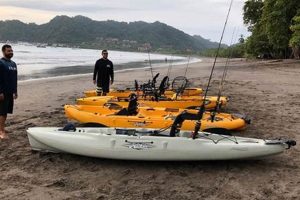
Kayaks designed for stability, often featuring wider hulls and lower seating positions, are recommended for angling for larger species. Consider kayaks specifically designed for fishing, which often include features like rod holders and anchor systems.
Question 4: What type of fishing line is best for kayak fishing where strong fish are anticipated?
Braided lines are generally preferred due to their high tensile strength and minimal stretch. These characteristics provide greater control and sensitivity, allowing for more effective hooksets and fish management.
Question 5: Is it advisable to use a drift sock when fishing from a kayak in areas with strong currents, and how might this affect the experience of a fish pulling the kayak?
Drift socks can enhance control in currents but also increase resistance. A fish pulling against a deployed drift sock might exert greater force on the kayak. Anglers should anticipate this increased resistance and adjust their technique accordingly.
Question 6: What safety gear is essential for kayak fishing in areas known for large fish?
Essential safety gear includes a personal flotation device (PFD), whistle, signaling mirror, communication device, and a well-maintained first-aid kit. A knife or cutting tool for quickly severing the line in emergencies is also recommended.
Careful consideration of these frequently asked questions enhances angler preparedness and promotes safer, more enjoyable fishing experiences. Prioritizing safety and understanding the dynamics between the fish, kayak, and surrounding environment are crucial for a successful outing.
The following section will offer concluding thoughts and summarize the key takeaways from this article.
Conclusion
The phenomenon of a fish pulling a kayak encapsulates the dynamic interplay between human ingenuity, aquatic life, and the forces of nature. This article has explored the multifaceted aspects of this experience, from the underlying physics of drag and resistance to the critical importance of kayak stability, angler balance, and appropriate tackle selection. Water conditions, ranging from calm lakes to swift rivers and challenging offshore environments, add further complexity, demanding adaptability and a thorough understanding of how these factors influence both fish behavior and kayak control. Safety considerations remain paramount throughout, underscoring the need for proper precautions and preparedness to mitigate risks and ensure a positive outcome. The analysis presented herein provides a comprehensive overview of the key elements contributing to the experience of a fish pulling a kayak, highlighting the importance of knowledge, skill, and respect for the aquatic environment.
The pursuit of angling from a kayak offers a unique connection with nature, demanding both physical prowess and mental acuity. As kayak fishing continues to grow in popularity, a deeper understanding of the forces at play and the importance of safety becomes increasingly critical. This knowledge empowers anglers to not only successfully manage the challenges presented by powerful fish but also to minimize risks and contribute to the preservation of the aquatic ecosystems that support this exhilarating pastime. The future of kayak fishing relies on a responsible and informed approach, ensuring its sustainability and enjoyment for generations to come. This article serves as a valuable resource for both novice and experienced kayak anglers, providing insights that contribute to a safer, more informed, and ultimately more rewarding experience on the water.