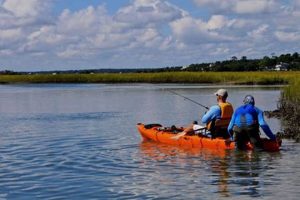
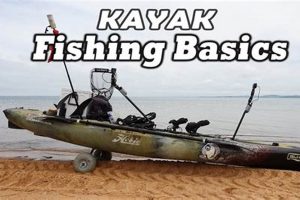
Angling from a small, human-powered watercraft offers a unique approach to the sport. This method allows close-to-water access, enabling exploration of shallow or otherwise difficult-to-reach areas. For example, secluded coves, inlets, and upstream river sections become readily accessible, expanding the range of potential fishing locations. This maneuverability enhances opportunities for targeting specific species and habitats.
This approach affords advantages such as stealth, minimizing disturbance to aquatic life. The smaller profile and quieter operation compared to motorized boats can increase chances of a successful catch. Historically, small boats have played a significant role in sustenance fishing and continue to be a popular choice for recreational anglers seeking a closer connection with nature and a more physically engaging experience. The low environmental impact and relatively low cost of entry are additional benefits.
Further exploration of this topic will cover essential equipment, suitable locations, species-specific techniques, and safety considerations for optimizing success and enjoyment on the water.
Tips for Kayak Fishing
Successful kayak angling requires careful planning and execution. These tips offer guidance for enhancing on-the-water experiences.
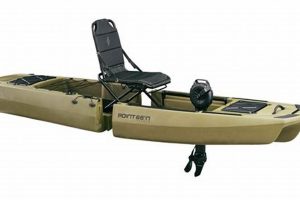
Tip 1: Prioritize Stability: Select a kayak designed for stability, especially in moving water or when casting. Wider hulls generally offer greater stability than narrower designs.
Tip 2: Plan for Water Entry/Exit: Choose launch sites with gradual slopes and firm footing. Practice entering and exiting the kayak in shallow water before venturing into deeper areas.
Tip 3: Organize Essential Gear: Utilize storage compartments and deck rigging to keep equipment within easy reach and prevent loss or damage. Prioritize safety gear such as a personal flotation device and a signaling whistle.
Tip 4: Master Paddle Strokes: Efficient paddling techniques conserve energy and allow for precise maneuvering. Practice different strokes for moving forward, backward, and turning.
Tip 5: Understand Water Conditions: Check weather forecasts and water currents before heading out. Be aware of potential hazards such as submerged obstacles and changing tides.
Tip 6: Respect Wildlife and the Environment: Maintain a safe distance from wildlife and avoid disturbing their natural habitats. Adhere to “leave no trace” principles by packing out all trash and minimizing environmental impact.
Tip 7: Practice Catch and Release Techniques: Handle fish gently and minimize their time out of the water. Use appropriate hooks and tools to minimize injury and ensure their successful return.
Careful consideration of these elements contributes significantly to a safe and rewarding experience on the water. Preparation and understanding of key factors enhance enjoyment and promote conservation.
By incorporating these tips, anglers can maximize their chances of success while prioritizing safety and environmental responsibility. The following section will discuss specific techniques for various target species.
1. Stable Kayak Platform

A stable kayak platform is fundamental to successful angling from a kayak. It directly influences casting accuracy, effective fish fighting, and overall safety on the water. A stable base allows anglers to focus on the fishing process rather than constantly managing balance and stability.
- Impact on Casting Accuracy
Kayak stability significantly affects casting precision. A rocking or unstable platform disrupts casting mechanics, leading to reduced accuracy and potentially tangling lines. A stable kayak allows for controlled casting motions, increasing the likelihood of placing lures or bait in the desired target zone. This is particularly crucial in situations requiring precise presentations, such as targeting structure or presenting flies to wary fish.
- Effective Fish Fighting
Fighting a fish from a kayak requires a stable platform to maintain balance and leverage. An unstable kayak compromises the angler’s ability to effectively play and land a fish, increasing the risk of line breakage or losing the fish. A stable base provides the necessary support to exert appropriate pressure and control during the fight, increasing the chances of a successful landing. This is particularly important with larger, stronger fish that can exert significant force.
- Enhanced Safety
Kayak stability is a primary safety consideration. An unstable platform increases the risk of capsizing, especially when combined with other factors such as rough water, unexpected movements, or the weight of a hooked fish. A stable kayak significantly reduces this risk, providing a secure platform to manage various on-the-water situations. This enhanced stability contributes to angler confidence and overall safety during the fishing trip.
- Kayak Selection and Modification
Achieving a stable fishing platform involves selecting an appropriate kayak design and potentially utilizing stability-enhancing modifications. Wider kayaks, those with a flatter hull design, and specialized fishing kayaks often offer increased stability compared to narrower recreational models. Adding outriggers or stabilizers can further enhance stability, particularly for anglers fishing in challenging conditions. Selecting the right kayak and understanding potential modifications are crucial for creating a safe and effective fishing platform.
The stability of a kayak platform is integral to the overall success and enjoyment of kayak fishing. It directly impacts casting accuracy, fish-fighting effectiveness, and angler safety. By prioritizing stability, anglers create a foundation for a more productive and secure fishing experience, allowing them to fully engage with the sport and the surrounding environment.
2. Specialized fishing gear

Specialized fishing gear plays a crucial role in successful angling from a kayak. The confined space and unique challenges of kayak fishing necessitate equipment tailored to optimize efficiency, safety, and overall effectiveness. Standard fishing gear, while sometimes usable, often lacks the specific features and functionality required for the optimal kayak fishing experience. The connection between specialized gear and kayak angling is rooted in the need to adapt to the specific demands of this approach.
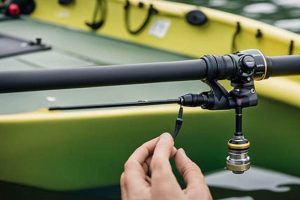
Consider rod holders. Conventional rod holders designed for larger boats are often too bulky or inappropriately positioned for kayak use. Specialized kayak rod holders are typically designed for easy access, secure placement, and adjustable angles, enabling anglers to manage multiple rods effectively within the limited space. Similarly, anchor trolleys, designed specifically for kayaks, allow anglers to control drift speed and maintain position in current, a critical aspect of effective river or tidal fishing. These examples illustrate the practical significance of specialized gear in enhancing kayak angling.
Further examples include tackle storage systems designed to fit within kayak hatches or attach securely to deck rigging. These systems keep essential gear organized and readily accessible, minimizing clutter and maximizing fishing time. Specialized kayak fishing paddles often feature integrated features like line cutters or measuring tools, further enhancing on-the-water utility. The adoption of specialized fishing gear for kayak angling is not merely a matter of convenience; it represents a direct response to the specific requirements and challenges of this unique fishing platform. This specialized equipment empowers anglers to maximize efficiency, enhance safety, and ultimately increase their chances of success.
3. Accessible Fishing Spots
Kayaks provide access to fishing locations often unreachable by larger, motorized boats. This accessibility expands angling opportunities significantly, opening up a range of previously inaccessible habitats and target species. The shallow draft and maneuverability of a kayak allow navigation through shallow creeks, narrow inlets, and areas thick with vegetation prime habitats often holding significant fish populations but inaccessible to traditional powerboats. This inherent advantage fundamentally alters the dynamic of sport fishing, shifting the focus from limitations imposed by watercraft to strategic exploration of diverse environments. For example, navigating a shallow, winding creek teeming with vegetation to access a secluded pond teeming with bass becomes a feasible pursuit. Similarly, exploring protected mangrove forests or navigating tight, rocky inlets for inshore saltwater species becomes achievable. The connection between accessible fishing spots and kayak angling is thus one of enabling exploration and expanding the range of potential fishing grounds.
This increased accessibility offers practical advantages beyond simply reaching new locations. It frequently translates to less fishing pressure compared to heavily frequented open-water areas, leading to potentially higher catch rates and encounters with larger, less wary fish. The ability to quietly and unobtrusively approach fish in these secluded environments further enhances angling success. Consider the scenario of targeting bonefish on shallow flats. A kayak allows anglers to quietly approach these easily spooked fish without the noise and disturbance of a motor, significantly increasing the chances of a successful presentation. Furthermore, the physical act of paddling into these secluded locations often fosters a deeper connection with nature and a more immersive angling experience. The effort exerted to reach these spots adds a layer of reward and satisfaction to the overall fishing experience.
In summary, the accessibility afforded by kayaks is a defining characteristic of this fishing style. It expands the range of fishable waters, reduces fishing pressure, enhances stealth, and fosters a closer connection with the environment. This understanding emphasizes the unique value proposition of kayak angling and highlights its potential for both increased angling success and a more enriching outdoor experience. Successfully leveraging this accessibility, however, requires careful planning, including consideration of water conditions, tidal influences, and potential hazards present in these often-remote environments.
4. Quiet Approach to Fish

A quiet approach is a significant advantage offered by kayak fishing. Unlike motorized boats, kayaks produce minimal noise, allowing anglers to approach fish without disturbance. This stealth significantly increases the likelihood of successful presentations, particularly with wary species or in clear, shallow waters. Cause and effect are directly linked: reduced noise leads to decreased fish alertness, improving catch rates. The importance of a quiet approach as a component of kayak fishing stems from the enhanced angling opportunities it creates. For example, stalking redfish in shallow flats becomes significantly more effective when the approach doesn’t send vibrations and noise through the water, alerting the fish before the angler is within casting range. Similarly, drifting quietly along a riverbank allows for subtle presentations to trout, increasing the chance of enticing a strike.
Practical applications of this understanding are numerous. Anglers can leverage the quiet nature of kayaks to their advantage by employing slow, deliberate paddling techniques, minimizing gear clatter, and avoiding sudden movements. Consider sight fishing for bonefish on a calm, sunny day. The quiet approach allows the angler to get within casting distance without spooking the fish, presenting the fly delicately for a higher chance of success. Conversely, a noisy approach would likely send the bonefish fleeing before the angler even had a chance to cast. Understanding the impact of noise on fish behavior is therefore crucial for maximizing success in kayak fishing. This includes recognizing the difference in sound propagation through water compared to air and adapting fishing techniques accordingly.
In summary, the quiet approach inherent to kayak fishing offers a substantial advantage, increasing angling success through reduced fish disturbance. This quiet operation contributes to the unique appeal of kayak angling, promoting a closer connection with the aquatic environment. However, even with a quiet approach, other factors such as line visibility and lure presentation remain crucial considerations for enticing a strike. Successfully integrating the quiet approach with other essential angling techniques elevates kayak fishing from a simple mode of transport to a refined and effective method of pursuing a variety of species in diverse environments.
5. Respectful Angling Practices
Respectful angling practices are integral to the sustainability of kayak fishing. The close interaction with the aquatic environment inherent in this fishing style necessitates a heightened awareness of conservation principles. Cause and effect are directly linked: respectful practices contribute to healthy fish populations and thriving ecosystems, ensuring the long-term viability of the sport. The importance of respectful angling practices as a component of kayak fishing stems from the direct impact anglers have on the delicate balance of these ecosystems. For example, practicing catch and release minimizes stress on fish populations, allowing for continued growth and reproduction. Proper handling techniques, such as using wet hands or a rubber net, further reduce the risk of injury or infection, increasing post-release survival rates. Consider the impact of discarding fishing line in the water. Discarded line poses a significant entanglement hazard to wildlife, including birds, turtles, and other aquatic species. Respectful anglers understand this risk and meticulously collect and dispose of their used fishing line properly.
Practical applications of this understanding extend beyond catch and release and proper handling. They encompass minimizing disturbance to aquatic habitats, avoiding sensitive spawning areas, and adhering to local fishing regulations. Consider the scenario of fishing in a shallow, weedy area. A respectful angler would avoid dragging the kayak through sensitive vegetation, minimizing damage to the habitat and the organisms that rely on it. Similarly, anchoring responsibly in designated areas prevents damage to coral reefs or other sensitive bottom structures. Understanding the interconnectedness of the aquatic ecosystem and the potential impacts of angling activities is crucial for practicing responsible kayak fishing. This includes recognizing the role of different species within the food web and the importance of preserving biodiversity.
In summary, respectful angling practices are essential for the long-term health and sustainability of kayak fishing. They represent a commitment to conservation and a recognition of the interconnectedness between angling activities and the aquatic environment. Challenges such as promoting ethical angling practices among all kayak anglers and addressing potential conflicts with other water users require ongoing attention. Ultimately, the future of kayak fishing depends on the widespread adoption and consistent application of respectful angling principles, ensuring that future generations can continue to enjoy this unique and rewarding pursuit.
6. Safety Precautions

Safety precautions are paramount when fishing from a kayak. The inherent risks associated with on-the-water activities are amplified by the small size and relative vulnerability of a kayak. A comprehensive understanding of these risks and the implementation of appropriate safety measures are crucial for mitigating potential hazards and ensuring a positive angling experience. Neglecting safety protocols can lead to serious consequences, ranging from equipment damage to life-threatening situations.
- Personal Flotation Device (PFD)
A PFD is the single most important piece of safety equipment for kayak anglers. It provides essential buoyancy in the event of a capsize, significantly increasing the chances of survival. Wearing a properly fitted PFD is non-negotiable, regardless of swimming ability or perceived water conditions. Real-world examples abound of anglers whose lives were saved by wearing a PFD during unexpected capsizes. Choosing a PFD designed specifically for paddling offers enhanced comfort and mobility while fishing.
- Communication Devices
Carrying a reliable communication device enables anglers to call for assistance in emergencies. A waterproof VHF radio allows direct communication with the Coast Guard and other boaters, while a cell phone in a waterproof case can serve as a backup. Pre-planning communication strategies, such as informing someone of the fishing location and estimated return time, further enhances safety. Examples include contacting a family member or friend before launching and providing them with updated information throughout the trip. Understanding the limitations of cell phone coverage in remote areas underscores the importance of a VHF radio as the primary communication tool.
- Weather Awareness
Checking weather forecasts before and during a kayak fishing trip is essential for avoiding hazardous conditions. Sudden changes in weather, such as strong winds or thunderstorms, can create dangerous situations on the water. Understanding local weather patterns and being prepared to adjust plans based on changing conditions is crucial. Real-world examples include instances where anglers have been caught in unexpected storms, resulting in challenging rescues or even fatalities. Monitoring weather radar apps and carrying a small weather radio can provide valuable real-time information.
- Navigation and Lighting
Carrying navigation tools, such as a compass and charts, and displaying proper lighting are critical for safe navigation, especially in low-light conditions or unfamiliar waters. A kayak’s low profile makes it difficult for other boaters to see, particularly at night or in fog. Carrying a bright white light and using reflective tape on the kayak enhances visibility and reduces the risk of collisions. Examples include using a headlamp to signal position and navigating with a GPS device in conjunction with traditional charts.
These safety precautions are fundamental to responsible kayak fishing. They form a framework for mitigating risks and ensuring a safe and enjoyable experience. While specialized fishing gear and access to unique fishing spots enhance the appeal of kayak angling, prioritizing safety underpins the sustainability and enjoyment of this activity. Integrating these safety practices seamlessly into every kayak fishing trip allows anglers to fully appreciate the sport while minimizing potential hazards. Neglecting these precautions not only jeopardizes personal safety but also undermines the overall positive experience of kayak fishing.
Frequently Asked Questions
This section addresses common inquiries regarding angling from a kayak.
Question 1: What type of kayak is best suited for fishing?
Fishing-specific kayaks are designed with features like rod holders, tackle storage, and increased stability. Sit-on-top kayaks are generally preferred for their self-bailing capacity and ease of re-entry after a capsize. However, sit-inside kayaks offer protection from the elements and can be suitable for calmer waters.
Question 2: Is specialized fishing gear necessary?
While standard fishing gear can be adapted, specialized equipment enhances efficiency and safety. Rod holders, anchor trolleys, and kayak-specific tackle storage systems are designed for the unique challenges of angling from a small watercraft.
Question 3: Are there specific safety considerations for kayak fishing?
Wearing a personal flotation device (PFD) is paramount. Carrying a communication device, checking weather forecasts, and understanding navigational rules are crucial for safe kayak angling. Additional safety measures include carrying a first-aid kit and informing someone of the fishing plan.
Question 4: What are the advantages of fishing from a kayak compared to a larger boat?
Kayaks offer access to shallow and otherwise inaccessible areas, allowing anglers to target specific species and habitats. The quiet approach minimizes disturbance to fish, enhancing angling success. The lower cost and reduced environmental impact are additional benefits.
Question 5: How does one transport a kayak for fishing?
Kayak transportation options include roof racks, trailers, and truck beds. Selecting an appropriate method depends on vehicle type and kayak size. Proper securing techniques are essential to prevent damage or accidents during transport.
Question 6: What are the legal requirements for kayak fishing?
Legal requirements vary by jurisdiction. Anglers must possess valid fishing licenses and adhere to local regulations regarding catch limits, permitted species, and designated fishing areas. Registration requirements for kayaks may also apply in certain regions.
Careful consideration of these frequently asked questions enhances preparation and contributes to a safe and rewarding kayak fishing experience. Understanding the unique aspects of kayak angling empowers individuals to fully enjoy the sport while minimizing potential risks.
The next section will offer insights into advanced techniques for specific target species.
Conclusion
Angling from a kayak offers a unique blend of challenges and rewards. This exploration has highlighted the importance of stability, specialized gear, accessibility, a quiet approach, respectful practices, and safety precautions. Each element contributes significantly to a successful and fulfilling experience on the water. From accessing secluded fishing spots to employing a stealthy approach, kayak angling presents distinct advantages for targeting a variety of species.
The future of this pursuit hinges on the continued prioritization of ethical angling practices and responsible environmental stewardship. As more individuals discover the rewards of kayak fishing, promoting conservation and minimizing environmental impact become increasingly critical. Through informed decision-making and responsible actions, the unique opportunities offered by this angling method can be preserved for generations to come.