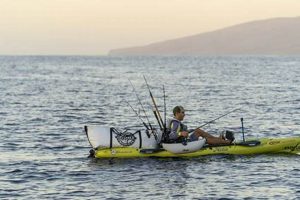
Angling from small, human-powered vessels on Lake Tahoe offers a unique blend of sport and connection with nature. This approach provides access to shallower waters and secluded coves often unreachable by larger motorized boats, creating opportunities for diverse catches. The quiet nature of this method minimizes disturbance to the aquatic environment and allows for a more immersive experience of the lake’s tranquility and stunning scenery.
This style of angling presents numerous advantages, including affordability, ease of transport and launch, and the physical benefits of paddling. Historically, smaller watercraft have played a significant role in fishing practices on Lake Tahoe, reflecting a longstanding tradition of utilizing readily available resources for sustenance and recreation. This heritage continues to resonate with contemporary anglers seeking a more intimate and environmentally conscious approach.
Further exploration of this topic will cover essential aspects such as recommended equipment, ideal locations and seasons, licensing and regulations, safety precautions, and the preservation of Lake Tahoe’s delicate ecosystem. Understanding these facets contributes to a safe, successful, and sustainable fishing experience.
Tips for Angling from a Kayak on Lake Tahoe
Careful planning and preparation contribute significantly to a productive and enjoyable experience on the water. The following tips offer valuable insights for maximizing success and safety.
Tip 1: Dress in Layers: Lake Tahoe’s weather can change rapidly. Layering clothing allows anglers to adapt to fluctuating temperatures and conditions throughout the day.
Tip 2: Check Weather Forecasts: Before embarking, consult reliable weather sources for up-to-date information on wind speed, wave height, and potential storms. Postponing trips during adverse weather is crucial for safety.
Tip 3: Obtain Necessary Permits and Licenses: Ensure compliance with all regulations by obtaining the required fishing licenses and permits before venturing onto the lake. Information can be found through local authorities or online resources.
Tip 4: Prioritize Safety Equipment: A personal flotation device (PFD) is essential and should be worn at all times. Carry a whistle, signaling device, and a fully charged communication device in case of emergencies.
Tip 5: Plan Routes and Launch Points: Research suitable launch points and plan fishing routes in advance, taking into account prevailing winds and currents. Inform someone of your itinerary and expected return time.
Tip 6: Employ Proper Kayak Handling Techniques: Practice basic paddling and maneuvering skills before venturing onto open water. Understanding how to control the kayak in various conditions enhances safety and efficiency.
Tip 7: Respect the Environment: Practice Leave No Trace principles by packing out all trash, avoiding disturbing wildlife, and respecting other lake users. Maintaining the pristine condition of Lake Tahoe is paramount.
Tip 8: Pack Essential Gear: Ensure appropriate fishing gear, including rods, reels, tackle, and bait suited to targeted species. A dry bag for personal belongings, sunscreen, and a first-aid kit are also recommended.
Adhering to these guidelines promotes a safe and rewarding angling experience, contributing to the preservation of Lake Tahoe’s unique environment for future generations.
Following these preparations allows anglers to focus on the enjoyment of the sport and the breathtaking beauty of Lake Tahoe.
1. Species Targeted

The species targeted significantly influences the overall approach to kayak fishing on Lake Tahoe. Understanding the habits and preferred habitats of various fish species is crucial for selecting appropriate gear, choosing effective techniques, and maximizing the chances of a successful angling experience.
- Lake Trout (Mackinaw)
Lake trout, also known as Mackinaw, inhabit deeper, colder waters. Anglers targeting these fish often employ downriggers or weighted lines to reach depths of 100 feet or more. Larger lures and heavier tackle are typically used to handle these powerful fish, which can reach impressive sizes in Lake Tahoe.
- Rainbow Trout
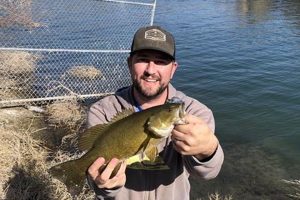
Rainbow trout are often found in shallower waters near stream inlets and along the shoreline, making them accessible to kayak anglers. Smaller lures, lighter lines, and techniques like trolling or casting are effective for targeting rainbow trout. Their active feeding habits make them a popular target for recreational fishing.
- Brown Trout
Brown trout are known for their elusive nature and preference for structured habitats like rocky areas and drop-offs. Anglers targeting brown trout from kayaks often use finesse techniques, including presenting small lures or flies near cover. Their wariness requires a more subtle approach compared to other trout species.
- Kokanee Salmon
Kokanee salmon are landlocked sockeye salmon that school in open water. Kayak anglers target these fish by trolling small lures or using downriggers to reach their preferred depths. Their schooling behavior allows for the possibility of catching multiple fish in a single area.
The diverse fish species inhabiting Lake Tahoe provide a variety of angling opportunities from a kayak. Understanding the specific characteristics and habitats of each target species enables anglers to tailor their approach and enhance their chances of a rewarding experience on the water. This knowledge contributes to a more focused and enjoyable fishing trip while promoting ethical and sustainable angling practices.
2. Launch Locations
Launch locations play a crucial role in kayak fishing on Lake Tahoe, influencing accessibility to desired fishing areas, logistical considerations, and overall angling experience. Selecting an appropriate launch point requires careful evaluation of several factors, including parking availability, fees, proximity to target species, and prevailing water conditions. Understanding these elements contributes significantly to a successful and enjoyable outing.
- Public Boat Ramps
Public boat ramps provide convenient access to Lake Tahoe for kayak anglers. Locations such as Cave Rock Boat Ramp and Sand Harbor offer ample parking, though fees may apply. These ramps provide relatively easy entry and exit points, suitable for various kayak types. However, they can experience high traffic, particularly during peak season.
- Smaller Beaches and Coves
Smaller beaches and coves, like those found along the East Shore, offer a more secluded launch experience. While these locations may lack designated parking or facilities, they often provide closer proximity to shallower waters favored by certain fish species. Anglers should exercise caution when launching from these areas, ensuring awareness of potential hazards like rocks and submerged debris.
- Kayak and Paddleboard Rentals
Several businesses around Lake Tahoe offer kayak and paddleboard rentals, often combined with convenient launch access directly from their premises. This option eliminates the need for personal kayak transport and provides an opportunity for anglers to explore different launch points based on specific fishing targets. Rental fees vary depending on the type of kayak and rental duration.
- Private Property Access
Anglers with access to private property along Lake Tahoe’s shoreline have the advantage of launching directly from their location. This eliminates the logistical challenges of public access points, providing a more exclusive and personalized experience. However, it’s essential to respect private property boundaries and adhere to any specific regulations associated with these locations.
Strategic selection of launch locations enhances the overall kayak fishing experience on Lake Tahoe. Considering factors such as accessibility, parking, fees, and proximity to target fishing areas allows anglers to optimize their time on the water and maximize their chances of success. Careful planning of launch logistics contributes significantly to a safe, productive, and enjoyable fishing trip.
3. Equipment Selection

Appropriate equipment selection is paramount for a successful and enjoyable kayak fishing experience on Lake Tahoe. The unique characteristics of this alpine lake, combined with the specific demands of angling from a kayak, necessitate careful consideration of various gear choices. These selections directly impact safety, comfort, and the angler’s ability to effectively target desired fish species. Understanding the function and importance of each piece of equipment contributes significantly to a positive and productive outing.
- Kayak Choice
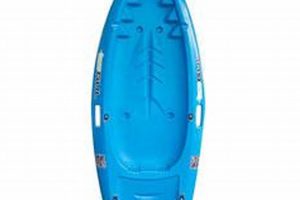
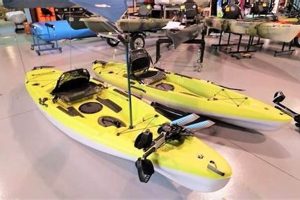
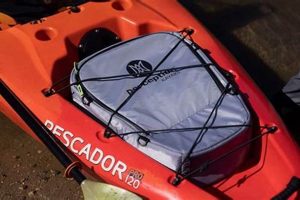
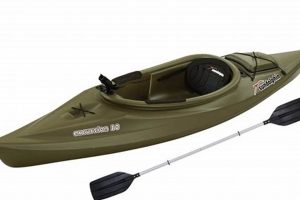
Kayak selection hinges on factors such as stability, maneuverability, and storage capacity. Sit-on-top kayaks offer enhanced stability and ease of re-entry in the event of a capsize, a crucial safety consideration in Lake Tahoe’s cold waters. Fishing-specific kayaks often feature built-in rod holders, tackle storage compartments, and anchor systems, enhancing convenience and organization on the water. Longer kayaks generally track better for trolling, while shorter kayaks offer increased maneuverability in tighter spaces.
- Rods and Reels
Rod and reel combinations should be tailored to target species. For larger fish like lake trout, heavier rods and reels spooled with braided line offer the necessary strength and durability. Lighter setups are suitable for targeting species like rainbow trout in shallower waters. A variety of rod actions and lengths are available, each offering advantages in specific fishing scenarios. Selecting appropriate gear ensures an effective and balanced presentation of lures or bait.
- Tackle and Lures
Tackle selection encompasses hooks, weights, swivels, and a variety of lures designed to attract different species. Spoons, spinners, and crankbaits are popular choices for trolling, while jigs and soft plastics are effective for casting near shore or in deeper water. Understanding the feeding habits and preferred prey of target species dictates lure choice and presentation. Carrying a diverse selection of tackle allows anglers to adapt to changing conditions and fish behavior.
- Safety Gear
Essential safety equipment includes a personal flotation device (PFD), a signaling whistle, a waterproof communication device, and a first-aid kit. These items are crucial for mitigating risks associated with open water environments. A paddle leash prevents accidental loss of the paddle, while a bilge pump or sponge aids in removing water from the kayak. Prioritizing safety enhances the overall fishing experience and provides peace of mind on the water.
Careful consideration of these equipment choices contributes directly to a successful and enjoyable kayak fishing experience on Lake Tahoe. Selecting appropriate gear tailored to specific needs and target species enhances safety, comfort, and angling effectiveness. Prioritizing functionality and quality ensures a rewarding and memorable outing on this remarkable alpine lake.
4. Safety Procedures
Safety procedures are paramount for kayak fishing on Lake Tahoe. The lake’s environment presents unique challenges, including cold water temperatures, rapidly changing weather conditions, and potential interactions with motorized vessels. Implementing appropriate safety measures is crucial for mitigating risks and ensuring a positive experience. Neglecting these precautions can lead to hazardous situations, underscoring the importance of prioritizing safety when angling from a kayak on Lake Tahoe.
- Cold Water Precautions
Lake Tahoe’s cold water temperatures pose a significant risk of hypothermia, even during warmer months. Wearing appropriate cold-water immersion gear, such as a wetsuit or drysuit, is crucial. A personal flotation device (PFD) should be worn at all times, providing buoyancy and aiding in heat retention. Understanding the symptoms of hypothermia and implementing preventative measures are essential for safe kayak fishing on Lake Tahoe.
- Weather Awareness
Lake Tahoe’s weather can change rapidly, with calm conditions quickly transitioning to strong winds and choppy waves. Checking weather forecasts before embarking on a fishing trip is essential. Having a reliable communication device to monitor changing conditions and contact emergency services if needed is crucial. Postponing or ending a fishing trip due to adverse weather is a key aspect of responsible kayak angling.
- Navigational Safety
Navigating safely on Lake Tahoe requires awareness of other vessels, including motorized boats and larger sailboats. Carrying a signaling whistle and navigation lights enhances visibility, particularly in low-light conditions. Maintaining a safe distance from other boats and understanding right-of-way rules are essential for avoiding collisions. Knowledge of basic boating etiquette contributes to a safe and respectful environment on the water.
- Emergency Preparedness
Preparing for potential emergencies is crucial for kayak fishing on Lake Tahoe. Carrying a first-aid kit, a signaling device, and a spare paddle are essential precautions. Informing someone of the planned fishing route and expected return time allows for timely assistance in case of an unforeseen event. Practicing self-rescue techniques, such as re-entering a kayak after a capsize, enhances preparedness and self-sufficiency in challenging situations.
Adhering to these safety procedures significantly reduces risks associated with kayak fishing on Lake Tahoe. Prioritizing safety enhances the overall enjoyment of the sport and contributes to a responsible and sustainable approach to angling on this unique and challenging body of water. Implementing these precautions allows anglers to focus on the experience, knowing they are well-prepared for potential hazards and can enjoy the beauty and tranquility of Lake Tahoe safely.
5. Seasonal Variations

Seasonal variations significantly influence kayak fishing on Lake Tahoe. Water temperature fluctuations, weather patterns, and fish behavior changes across seasons necessitate adjustments in angling approaches. Understanding these seasonal nuances is crucial for maximizing fishing success and ensuring a safe and enjoyable experience.
- Spring
Springtime brings rising water temperatures, triggering increased fish activity as they emerge from winter depths. Melting snowpack feeds the lake, potentially creating turbidity near inlets. Kayak anglers can target shallower areas for trout species, utilizing lighter tackle and lures that mimic emerging insect hatches. However, unpredictable weather patterns and fluctuating water levels require careful monitoring of conditions.
- Summer
Summer offers warmer water temperatures and stable weather patterns, providing ideal conditions for kayak fishing. Trout species often seek deeper, cooler waters, making trolling with downriggers effective. Kokanee salmon can be found schooling in open water, presenting opportunities for targeting them with small lures or flies. Increased recreational boat traffic necessitates heightened awareness of navigational safety.
- Autumn
Autumn brings cooling water temperatures, prompting fish to move towards shallower areas for pre-winter feeding. Brown trout become particularly active during this period. Kayak anglers can utilize techniques such as casting near shore structures or trolling along drop-offs. Changing weather patterns and the potential for early snowstorms require vigilance and preparedness for sudden shifts in conditions.
- Winter
Winter presents challenging conditions for kayak fishing due to cold water temperatures, potential ice formation, and unpredictable weather. While some anglers continue to fish from kayaks during this season, specialized cold-water gear and enhanced safety precautions are essential. Targeting deep-water species like lake trout may require specialized techniques and equipment. Careful consideration of weather forecasts and ice conditions is paramount for safe winter kayak fishing.
Adapting to these seasonal variations is crucial for successful kayak fishing on Lake Tahoe. Understanding how water temperatures, weather patterns, and fish behavior change throughout the year allows anglers to adjust their techniques, equipment choices, and target locations accordingly. This awareness enhances the chances of a productive and enjoyable fishing experience while prioritizing safety in the face of changing environmental conditions.
6. Local Regulations
Adherence to local regulations is essential for responsible and sustainable kayak fishing on Lake Tahoe. These regulations, established to protect the lake’s delicate ecosystem and ensure fair access for all anglers, encompass various aspects, including licensing requirements, catch limits, size restrictions, and permitted fishing methods. Ignoring these regulations can result in fines, legal repercussions, and detrimental impacts on the lake’s fish populations and overall environment. Understanding and complying with these rules is crucial for preserving Lake Tahoe’s resources for future generations.
Specific regulations relevant to kayak anglers include possessing a valid California or Nevada fishing license, depending on the location on the lake. Catch limits dictate the number of fish of a particular species that can be legally kept per day. Size restrictions mandate releasing fish below a certain length to protect younger populations and allow for continued growth. Regulations also specify permitted fishing methods, such as trolling, still fishing, or casting, and may prohibit certain types of gear or bait. For instance, the use of lead sinkers is restricted in some areas due to environmental concerns. Knowledge of these specific regulations, readily available through local agencies and online resources, is crucial for responsible angling.
Compliance with local regulations demonstrates respect for Lake Tahoe’s environment and contributes to the sustainability of its fishery. Adhering to these rules ensures fair and equitable access to the lake’s resources for all anglers, preserving the opportunity for future generations to enjoy the sport. Understanding and following these regulations is not merely a legal obligation but a fundamental component of ethical and responsible kayak fishing on Lake Tahoe. This commitment to conservation safeguards the lake’s fragile ecosystem and contributes to its long-term health and vitality.
7. Environmental Impact
Minimizing environmental impact is a critical consideration for kayak fishing on Lake Tahoe. The lake’s fragile ecosystem, renowned for its clarity and biodiversity, is susceptible to various human-induced pressures. Responsible angling practices are essential for preserving the lake’s health and ensuring its sustainability for future generations. Kayak fishing, due to its quieter and less intrusive nature compared to motorized boating, offers an opportunity for a more environmentally conscious approach to angling. However, certain practices associated with kayak fishing can still pose environmental risks if not conducted responsibly.
- Aquatic Invasive Species
Kayaks can inadvertently transport aquatic invasive species, such as zebra mussels and Eurasian watermilfoil, between different bodies of water. These invasive species can outcompete native organisms, disrupt food webs, and degrade water quality. Thorough cleaning and drying of kayaks, paddles, and fishing gear before and after each use are essential for preventing the spread of these harmful organisms. Inspection and decontamination procedures at boat launches further contribute to mitigating this risk.
- Fish Handling and Release
Improper handling and release of fish can cause stress, injury, and even mortality. Best practices for catch-and-release fishing include minimizing air exposure, using barbless hooks for easier removal, and supporting the fish horizontally in the water until it recovers and swims away strongly. Avoiding unnecessary handling and employing proper release techniques contribute to fish welfare and population sustainability.
- Fishing Line and Tackle Debris
Discarded fishing line, hooks, and other tackle debris pose significant threats to wildlife, which can become entangled or ingest these materials. Retrieving lost fishing line and disposing of all tackle responsibly are crucial for minimizing environmental impact. Using biodegradable fishing line offers a more environmentally friendly alternative, reducing long-term impacts on the aquatic ecosystem.
- Disturbance of Shoreline Habitats
Kayaks, due to their ability to access shallow waters and nearshore areas, can potentially disturb sensitive shoreline habitats. Avoiding contact with submerged vegetation, nesting areas, and other ecologically important zones minimizes disruption to these fragile ecosystems. Respecting wildlife and maintaining a safe distance from sensitive areas contributes to preserving the lake’s biodiversity.
Minimizing these environmental impacts is integral to responsible kayak fishing on Lake Tahoe. Implementing best practices, adhering to local regulations, and adopting a conservation-minded approach ensures the long-term health and sustainability of the lake’s ecosystem. Kayak anglers, through their commitment to environmentally conscious practices, play a vital role in safeguarding Lake Tahoe’s unique natural resources for current and future generations.
Frequently Asked Questions
This section addresses common inquiries regarding kayak fishing on Lake Tahoe, providing concise and informative responses to facilitate a safe, enjoyable, and environmentally responsible angling experience.
Question 1: What type of kayak is best suited for fishing on Lake Tahoe?
Sit-on-top kayaks are generally recommended due to their stability and ease of re-entry in the event of a capsize, a crucial safety consideration in Lake Tahoe’s cold waters. Fishing-specific kayaks often offer additional features such as built-in rod holders and storage compartments.
Question 2: Are there specific regulations regarding fishing licenses on Lake Tahoe?
A valid fishing license from either California or Nevada is required, depending on the location on the lake. Regulations vary slightly between states, and anglers should consult official resources for specific requirements and restrictions.
Question 3: What are the primary target species for kayak anglers on Lake Tahoe?
Common target species include lake trout (Mackinaw), rainbow trout, brown trout, and Kokanee salmon. Each species exhibits distinct habitat preferences and behaviors, influencing angling techniques and equipment choices.
Question 4: What safety precautions are essential for kayak fishing on Lake Tahoe?
Essential safety measures encompass wearing a personal flotation device (PFD), carrying a signaling whistle, monitoring weather forecasts, informing someone of fishing plans, and being prepared for cold-water conditions.
Question 5: What environmental considerations are relevant to kayak fishing on Lake Tahoe?
Minimizing environmental impact involves preventing the spread of aquatic invasive species, practicing proper fish handling and release techniques, disposing of fishing line and tackle responsibly, and avoiding disturbance of shoreline habitats.
Question 6: Where can one find information on launch locations and access points for kayak fishing on Lake Tahoe?
Information on launch locations, parking availability, and associated fees can be obtained from local agencies, online resources, and businesses offering kayak rentals and guided fishing trips.
Understanding these frequently asked questions enhances preparedness and promotes a safe and responsible approach to kayak fishing on Lake Tahoe. Careful consideration of these aspects contributes to a more enjoyable and sustainable angling experience.
For further information and resources, please consult local authorities and online platforms dedicated to fishing and recreation on Lake Tahoe.
Kayak Fishing Lake Tahoe
Exploration of this angling method reveals a unique blend of recreational pursuit and environmental stewardship. Key aspects discussed include strategic equipment selection, adherence to safety protocols, understanding seasonal influences on fish behavior, compliance with local regulations, and minimizing environmental impact. Successful angling from a kayak on Lake Tahoe necessitates a comprehensive understanding of these interconnected elements. From launch site selection to species targeting, each decision influences the overall experience and contributes to the preservation of the lake’s delicate ecosystem.
The future of this activity hinges on the continued commitment of anglers to responsible practices. Preserving the pristine beauty and ecological integrity of Lake Tahoe requires ongoing education, adaptation to changing conditions, and a shared responsibility for environmental stewardship. Embracing these principles ensures the enduring legacy of this unique angling experience for generations to come.