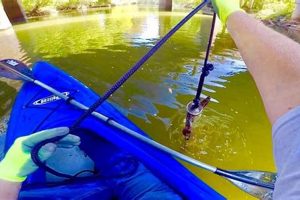
Small, human-powered watercraft designed for angling often feature seating positioned higher than traditional kayak designs. This design provides several advantages for the angler.
Elevated seating improves visibility, facilitating easier spotting of fish and navigation. It also enhances casting range and leverage, crucial for accurate and powerful casts. Additionally, this design can offer increased comfort, reducing strain on the back and legs during long fishing trips. While kayaks themselves have a long history, the specialized features for fishing, such as elevated seating, are a more recent development driven by the increasing popularity of kayak angling.
Further exploration will cover specific design considerations, materials, popular models, and essential accessories for these specialized watercraft.
Tips for Selecting and Using Kayaks Designed for Angling with Elevated Seating
Choosing and utilizing a kayak with elevated seating requires careful consideration of several factors to maximize comfort, stability, and fishing success. The following tips offer guidance for anglers.
Tip 1: Consider Stability: Elevated seating can raise the center of gravity, potentially impacting stability. Look for wider hulls and stable platforms designed specifically for elevated seating.
Tip 2: Evaluate Seat Adjustability and Comfort: Ensure the seat offers sufficient adjustability for personalized comfort during extended fishing trips. Look for breathable materials and ample padding.
Tip 3: Prioritize Weight Capacity: Account for the combined weight of the angler, fishing gear, and any potential catch. Exceeding the weight capacity compromises stability and performance.
Tip 4: Inspect Rod Holders and Gear Storage: Adequate and strategically positioned rod holders and storage compartments are essential for convenient access to equipment while maintaining a balanced and organized kayak.
Tip 5: Choose Appropriate Paddle Length: Paddle length should be chosen based on the kayak’s width and the angler’s height, taking into account the higher seating position. A properly sized paddle improves efficiency and reduces fatigue.
Tip 6: Practice Entering and Exiting: Elevated seating can present unique challenges for entering and exiting the kayak, especially in the water. Practice these maneuvers in a controlled environment before venturing into open water.
Tip 7: Prioritize Safety Equipment: Always wear a personal flotation device and carry essential safety gear, including a whistle, signaling device, and bilge pump. Elevated seating may require adjustments to safety procedures.
By carefully considering these tips, anglers can select the appropriate kayak with elevated seating and ensure a safe, comfortable, and productive fishing experience.
These considerations highlight the importance of informed decision-making when choosing specialized fishing equipment. The subsequent conclusion will summarize key takeaways and offer final recommendations.
1. Comfort

Comfort plays a crucial role in the overall fishing experience, especially during extended trips on a kayak. An uncomfortable seating arrangement can lead to fatigue, back pain, and a diminished ability to focus on fishing. Elevated seats in fishing kayaks address this crucial aspect by offering several comfort advantages. The elevated position reduces strain on the lower back and legs, promoting better posture and reducing discomfort. Furthermore, adjustable features in many elevated seats allow anglers to customize the seating position, catering to individual preferences and physical requirements. For instance, an angler with a history of back problems can adjust the seat back for optimal lumbar support. This level of customization is essential for maximizing comfort and ensuring an enjoyable fishing experience.
The materials used in the seat construction also significantly impact comfort. Breathable fabrics prevent overheating and moisture buildup, particularly important in warmer climates. Ample padding and ergonomic design contribute to overall comfort, allowing anglers to remain seated for extended periods without experiencing discomfort. For example, a kayak seat made with closed-cell foam offers superior cushioning and maintains its supportive properties even when wet. Investing in a comfortable elevated seat translates directly into longer, more productive, and ultimately more enjoyable fishing trips.
The relationship between comfort and an elevated fishing kayak seat is directly correlated with the angler’s ability to focus on fishing and maximize time on the water. Addressing comfort challenges through features like adjustability, breathable materials, and ergonomic design enhances the fishing experience significantly. Ignoring comfort considerations can detract from the enjoyment and success of fishing trips, highlighting the critical role comfort plays in selecting and using a fishing kayak with an elevated seat.
2. Stability
Stability is a paramount concern in any kayak, but it becomes even more critical in fishing kayaks with elevated seats. The higher center of gravity inherent in these designs presents unique challenges to balance and stability, particularly during activities like casting, reeling, and landing fish. Understanding the factors influencing stability is crucial for anglers considering elevated seating.
- Center of Gravity
Raising the seat elevates the angler’s center of gravity, making the kayak more susceptible to tipping. A wider hull design helps counteract this effect by increasing the kayak’s base of support. Kayaks designed specifically for elevated fishing seats often incorporate wider hulls and strategically positioned seating to optimize stability. For example, a wider kayak with outriggers provides additional stability compared to a narrow kayak with a high seat.
- Hull Design
The shape of the hull plays a critical role in stability. Flat-bottomed hulls provide excellent primary stability (initial resistance to tipping), making them suitable for calm waters. However, they can feel less stable in choppy conditions. Pontoon-style hulls offer exceptional stability due to their multiple contact points with the water. V-shaped hulls offer better secondary stability (resistance to capsizing after tipping), making them more suitable for rougher waters, although they might feel less stable initially.
- Weight Distribution
Proper weight distribution is essential for maintaining stability. Evenly distributing gear and equipment within the kayak helps lower the center of gravity and improve balance. Avoid overloading the kayak, as exceeding the weight capacity can significantly compromise stability. For instance, distributing tackle boxes and fishing rods evenly throughout the kayak improves stability compared to concentrating the weight at one end.
- Water Conditions
Calm water conditions generally provide a more stable platform for kayaks with elevated seats. Wind, waves, and currents can significantly impact stability, requiring increased vigilance and potentially affecting fishing activities. Anglers should always consider prevailing water conditions before venturing out, especially in kayaks with elevated seats. For example, strong winds can easily destabilize a kayak with a high center of gravity, making it unsuitable for fishing in exposed areas.
These factors demonstrate the intricate relationship between stability and elevated seating in fishing kayaks. Careful consideration of these elements, along with selecting a kayak designed specifically for elevated fishing, is crucial for ensuring a safe and stable fishing experience. Ignoring stability concerns can lead to potentially dangerous situations, highlighting its paramount importance.
3. Visibility

Elevated seating in a fishing kayak offers a significant advantage in terms of visibility. The higher vantage point allows for a broader view of the surrounding water, enhancing the ability to spot fish, identify underwater structures, and navigate effectively. This improved sightline extends the angler’s effective fishing range and allows for better assessment of fishing conditions. For example, an angler in an elevated seat can more easily spot a school of fish feeding near the surface or identify a promising submerged log where fish might be lurking. This expanded field of vision translates directly into improved fishing opportunities and strategic decision-making.
The improved visibility provided by elevated seating also contributes to safety. Obstacles like rocks, submerged logs, and shallow areas become more readily apparent, allowing for more time to react and avoid potential hazards. Furthermore, the higher vantage point provides better visibility to other boaters and watercraft, reducing the risk of collisions, particularly in congested waterways or areas with limited visibility. For instance, an angler in an elevated seat can more readily spot an approaching powerboat or jet ski, providing ample time to take evasive action. This enhanced situational awareness contributes significantly to overall safety on the water.
In summary, the enhanced visibility offered by elevated seats in fishing kayaks delivers practical advantages for both fishing success and safety. The ability to spot fish and navigate more effectively directly impacts fishing outcomes, while increased situational awareness contributes to a safer experience on the water. These advantages underscore the importance of visibility as a key consideration when choosing a fishing kayak. While other factors like stability and comfort are important, the strategic advantage and safety benefits offered by improved visibility should not be underestimated.
4. Castability

Castability, the ease and effectiveness of casting fishing lines, is significantly influenced by kayak design, particularly the seating arrangement. Elevated seats offer distinct advantages and disadvantages regarding castability in fishing kayaks, impacting an angler’s ability to reach desired fishing spots and present lures accurately.
- Leverage and Reach
Elevated seating provides an advantageous higher vantage point, increasing casting reach and improving leverage. This allows anglers to cover more water and target fish in otherwise inaccessible areas, such as under overhanging branches or along distant shorelines. A higher casting arc also reduces the likelihood of snagging on obstacles close to the kayak. For example, an angler targeting fish near a weed bed can cast over the weeds more easily from an elevated position, minimizing the risk of snagging the lure.
- Stability Considerations
While elevated seats enhance reach, they also introduce stability challenges, particularly during the casting motion. Shifting weight during a cast can destabilize the kayak, impacting accuracy and potentially compromising safety. Kayaks designed for elevated fishing often incorporate wider hulls and stability features to mitigate this issue. Anglers must also maintain a balanced posture and controlled movements while casting from an elevated position. For example, a sudden, forceful cast in a narrow kayak with a high seat could lead to instability, whereas a controlled cast in a wider, more stable kayak would minimize this risk.
- Line Management
Managing fishing lines can be more complex from an elevated position. The increased height can make it more challenging to control slack line and maintain proper tension during retrieves, increasing the risk of tangles and reducing sensitivity to bites. Anglers using elevated seats may need to adjust their techniques and potentially incorporate specialized equipment, such as line management systems, to address these challenges. For example, using a line tray or stripping basket can help manage loose line and prevent tangles when fishing from an elevated position.
- Wind Impact
Wind can significantly impact castability from an elevated seat. The higher vantage point increases exposure to wind, making casts less accurate and more challenging to control, especially with lighter lures or lines. Anglers need to consider wind direction and adjust their casting techniques accordingly. Heavier lures or lines may be necessary in windy conditions. For example, a strong headwind can significantly reduce casting distance and accuracy when fishing from an elevated position, making it more difficult to reach target areas.
Understanding the interplay of these factors allows anglers to maximize the castability advantages offered by elevated seats in fishing kayaks while mitigating potential drawbacks. By considering stability, line management, and the impact of wind, anglers can optimize their casting techniques and improve fishing success. The relationship between castability and elevated seating is a crucial element in selecting and effectively utilizing a fishing kayak designed for this purpose.
5. Accessibility

Accessibility, in the context of fishing kayaks with elevated seats, refers to the ease with which an angler can enter, exit, and maneuver within the kayak. While elevated seating offers advantages in visibility and castability, it can also present challenges regarding accessibility. Understanding these challenges and how they are addressed in kayak design is crucial for anglers considering this style of fishing.
- Entering and Exiting
Entering and exiting a kayak with an elevated seat can be more difficult than a traditional kayak due to the higher center of gravity and the potential for instability. Wider hulls and strategically placed grab handles or accessory rails can aid in this process. Practicing entry and exit techniques in shallow, calm water is essential before venturing into deeper or more challenging conditions. For example, entering from a stable dock or shallow shoreline minimizes the risk of capsizing compared to entering from deeper water.
- On-Water Maneuvering
Elevated seating may alter the angler’s balance point and require adjustments to paddling technique. Kayaks designed for elevated seating often incorporate features like adjustable footrests and thigh braces to provide additional support and control. Understanding how the elevated seat impacts maneuverability is crucial for efficient paddling and navigating various water conditions. For example, adjusting footrest positions allows for optimal leverage and control while paddling, compensating for the higher center of gravity.
- Reaching Gear and Tackle
Accessing gear and tackle stored within the kayak can be more challenging with an elevated seat. Well-designed storage compartments and strategically placed rod holders are essential for maintaining easy access to equipment without compromising stability. Anglers should consider the layout and accessibility of storage areas when selecting a kayak with an elevated seat. For instance, readily accessible side storage compartments allow for quick retrieval of lures or tackle without requiring excessive reaching or bending.
- Physical Limitations
Anglers with physical limitations, such as back problems or mobility issues, may find entering and exiting kayaks with elevated seats particularly challenging. Adaptive equipment and modifications, such as specialized seating systems or transfer aids, can improve accessibility for these individuals. Consulting with a healthcare professional or adaptive sports specialist can provide valuable guidance in selecting appropriate equipment and techniques. For example, a kayak with a sliding seat system can facilitate easier entry and exit for individuals with limited mobility.
These accessibility considerations highlight the importance of careful kayak selection and adaptation for anglers using elevated seats. Balancing the advantages of elevated seating with the potential accessibility challenges is essential for a safe, comfortable, and productive fishing experience. Addressing these challenges through appropriate kayak design, adaptive equipment, and practiced techniques ensures that all anglers can enjoy the benefits of elevated seating while maintaining safe and efficient access to their fishing platform.
6. Durability

Durability is a critical factor in fishing kayaks with elevated seats, directly influencing the lifespan and overall performance of the watercraft, especially given the demanding conditions these kayaks often face. These kayaks are subjected to constant exposure to water, sunlight, and potentially abrasive environments like rocky shorelines or submerged debris. The elevated seat itself adds another layer of complexity, as its supporting structure and moving parts are also susceptible to wear and tear. A durable kayak ensures long-term reliability, reducing the need for frequent repairs or replacements and contributing to a more consistent and enjoyable fishing experience. For example, a kayak constructed from high-density polyethylene (HDPE) will resist impacts and abrasion better than one made from a less durable material, contributing to a longer lifespan.
Several key components contribute to the overall durability of a fishing kayak with an elevated seat. The hull material plays a primary role in resisting impacts and abrasion. High-quality plastics like HDPE or rotomolded polyethylene offer excellent durability and UV resistance. The seat frame and hardware are equally important. Rust-resistant materials such as anodized aluminum or marine-grade stainless steel are crucial for maintaining the structural integrity and functionality of the elevated seat. Furthermore, the seat fabric should be resistant to UV degradation, mildew, and abrasion. Durable, UV-resistant stitching is also essential to prevent premature wear and tear. Investing in a kayak with durable components ensures long-term reliability and performance in demanding fishing environments. For instance, stainless steel fasteners will resist corrosion in saltwater environments far better than standard steel fasteners, maintaining the integrity of the seat structure over time.
The practical significance of durability in fishing kayaks with elevated seats extends beyond mere longevity. A durable kayak provides a stable and reliable platform, enhancing safety and performance on the water. Reduced maintenance requirements minimize downtime and allow for more time spent fishing. Furthermore, a durable kayak retains its value over time, making it a sound investment for serious anglers. Choosing a kayak constructed with durable materials and robust construction ensures a reliable and long-lasting fishing platform capable of withstanding the rigors of diverse fishing environments. This focus on durability ultimately contributes to a more rewarding and cost-effective fishing experience.
Frequently Asked Questions
This section addresses common inquiries regarding fishing kayaks equipped with elevated seats.
Question 1: Do elevated seats compromise stability?
Elevated seating does raise the center of gravity, potentially impacting stability. However, kayaks designed specifically for elevated seats often feature wider hulls and strategic weight distribution to counteract this effect. Stability is further influenced by water conditions and user behavior.
Question 2: Are these kayaks suitable for all water types?
Suitability depends on the specific kayak design and prevailing conditions. While some models excel in calm lakes and rivers, others, with features like longer hulls and tracking fins, perform adequately in moderate ocean conditions. Careful consideration of kayak specifications and intended use is recommended.
Question 3: What are the primary benefits of elevated seating?
Key advantages include improved visibility for spotting fish and navigating, increased casting range and leverage, and enhanced comfort, particularly during long fishing trips. These features contribute to a more efficient and enjoyable fishing experience.
Question 4: How does one choose the appropriate seat height?
Optimal seat height depends on individual preferences and fishing style. Taller anglers or those prioritizing visibility may prefer higher seating, while others may find lower positions offer greater stability. Many elevated seats offer adjustability, allowing customization based on individual needs.
Question 5: What maintenance considerations apply to elevated seats?
Regular inspection and cleaning of the seat frame, hardware, and fabric are essential for maintaining functionality and extending lifespan. Proper lubrication of moving parts and prompt attention to any signs of wear or damage are also recommended.
Question 6: Are elevated seats compatible with all fishing styles?
While generally versatile, compatibility depends on the specific fishing technique. Elevated seats excel in casting and spinning applications, but anglers employing techniques like trolling or fly fishing might find certain adaptations necessary for optimal performance.
Careful consideration of these frequently asked questions, along with thorough research and potentially consulting experienced anglers, can assist prospective buyers in making informed decisions regarding fishing kayaks with elevated seats.
The following section will provide concluding remarks and summarize key takeaways regarding the selection and utilization of kayaks with elevated seating for fishing applications.
Fishing Kayak with Elevated Seat
Fishing kayaks equipped with elevated seats offer distinct advantages for anglers. Enhanced visibility, improved casting leverage, and increased comfort contribute to a more effective and enjoyable fishing experience. However, careful consideration of stability implications, accessibility challenges, and specific design features remains crucial. Choosing an appropriate model requires a thorough assessment of individual needs, fishing style, and intended water conditions. Factors like hull design, seat adjustability, and weight capacity directly impact performance and safety.
The evolution of kayak design continues to refine the balance between elevated seating benefits and inherent challenges. Ongoing advancements in materials, construction techniques, and ergonomic design promise further enhancements in comfort, stability, and overall performance. Thorough research and informed decision-making remain essential for anglers seeking to maximize the advantages offered by fishing kayaks with elevated seats. Prioritizing these considerations ensures a safe, comfortable, and ultimately successful fishing experience.