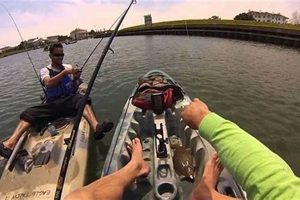
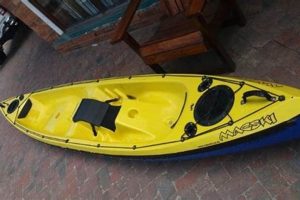
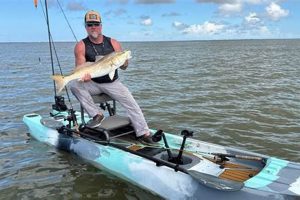
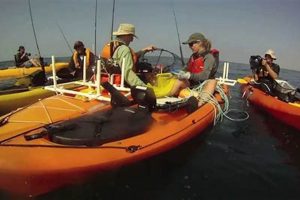
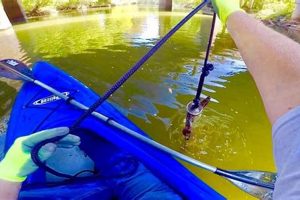
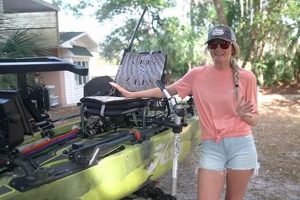
Essential gear for angling from a kayak encompasses a range of items designed for both comfort and effectiveness. These include specialized rods, reels, and tackle, as well as safety equipment like personal flotation devices and signaling devices. Storage solutions tailored to kayaks, such as crates and dry bags, are also crucial for organizing equipment and keeping it dry. Additionally, navigational aids and electronics like fish finders and GPS units can enhance the angling experience.
Appropriate equipment enhances safety and improves the chances of a successful fishing trip. Historically, kayak fishing relied on simpler tools. Modern advancements in materials and technology have led to the development of specialized equipment that significantly improves angler comfort, efficiency, and safety. This evolution has broadened accessibility and allowed for more specialized approaches to kayak angling.
The subsequent sections will delve into the specific categories of gear mentioned above, providing detailed information on selecting, using, and maintaining each item. This comprehensive guide will help anglers of all experience levels outfit their kayaks effectively and safely.
Essential Tips for Kayak Fishing Gear
Careful selection and utilization of appropriate equipment are paramount for a safe and productive kayak fishing experience. The following tips offer guidance for equipping a kayak effectively.
Tip 1: Prioritize Safety Gear: A personal flotation device (PFD) designed for paddling is crucial. A whistle, signaling mirror, and a waterproof communication device are also essential for emergencies.
Tip 2: Choose Specialized Rods and Reels: Shorter rods designed for kayak fishing offer better maneuverability. Reels should be corrosion-resistant and paired appropriately with the chosen fishing style.
Tip 3: Organize Tackle Effectively: Utilize tackle boxes and trays designed for kayak storage. Keep lures and hooks readily accessible but securely stored to prevent loss or entanglement.
Tip 4: Select Appropriate Paddles: Choose a paddle length and blade shape appropriate for individual physique and paddling style. A spare paddle is a wise precaution against breakage.
Tip 5: Invest in a Comfortable Seat: Kayak fishing can involve prolonged periods of sitting. A comfortable and supportive seat enhances endurance and enjoyment.
Tip 6: Utilize Dry Storage: Dry bags and waterproof hatches are essential for protecting electronics, clothing, and other sensitive items from water damage.
Tip 7: Consider a Fish Finder: A fish finder can significantly improve angling success by locating fish and identifying underwater structures. Choose a model designed for kayak use.
Tip 8: Plan for Anchor and Drift Chute Deployment: Anchors and drift chutes help control kayak position in currents and wind, allowing anglers to focus on fishing.
Adhering to these guidelines ensures a well-equipped and safe kayak fishing excursion, allowing anglers to concentrate on their pursuit of fish.
The concluding section will reiterate the importance of preparation and responsible angling practices for a rewarding kayak fishing experience.
1. Safety Gear
Safety gear represents a critical subset of fishing kayak supplies, directly impacting angler well-being and successful trip completion. The inherent risks of kayak fishing, including water immersion, changing weather conditions, and navigation challenges, necessitate specific safety precautions. A lack of appropriate safety equipment can transform a minor incident into a life-threatening situation. For instance, an unexpected capsize without a personal flotation device (PFD) could lead to drowning, even in calm waters. Similarly, navigating in fog or darkness without proper signaling devices could result in disorientation and collisions.
Several key pieces of safety gear are indispensable for kayak angling. A properly fitted PFD designed for paddling provides essential buoyancy. A whistle enables signaling for assistance in emergencies. A waterproof VHF radio allows communication with other boaters and shore-based resources. Navigation lights, particularly in low-light conditions, enhance visibility and prevent collisions. A first-aid kit equipped to handle common fishing-related injuries, such as hook removals and cuts, is also crucial. Carrying a bilge pump or bailing device allows for rapid removal of water from the kayak in the event of flooding.
Prioritizing safety gear demonstrates responsible angling practices and significantly mitigates potential risks associated with kayak fishing. Regular inspection and maintenance of safety equipment are essential to ensure proper functionality when needed. Understanding the function and proper use of each piece of safety gear is equally important. While specialized fishing equipment enhances the angling experience, safety gear remains paramount, underpinning a successful and enjoyable outing on the water.
2. Fishing Tackle

Fishing tackle represents a crucial component of fishing kayak supplies, directly influencing angling success and overall experience. The specialized nature of kayak fishing necessitates careful tackle selection, prioritizing compactness, efficiency, and adaptability to the kayak fishing environment. Tackle choices directly impact an angler’s ability to target specific species and effectively present lures or bait. For example, using heavier tackle designed for offshore fishing from a larger vessel would be cumbersome and impractical in a kayak. Conversely, ultralight tackle designed for smaller fish might prove inadequate for larger species encountered in certain kayak fishing scenarios. The correct tackle selection optimizes fishing potential while maintaining balance and maneuverability within the kayak.
Several factors influence tackle choices for kayak anglers. Target species dictate rod length, line weight, and hook size. Fishing techniques employed, such as trolling, jigging, or casting, influence reel type and line capacity. The fishing environment, including water depth, current, and structure, also plays a role in tackle decisions. For instance, fishing in mangrove tunnels requires shorter rods and specialized lures compared to trolling open water. Understanding these factors enables anglers to assemble a tailored tackle collection optimized for their specific kayak fishing needs. This targeted approach enhances efficiency and maximizes the chances of a successful fishing trip. Practical considerations such as storage space within the kayak further influence tackle selection, emphasizing the importance of compact and well-organized tackle systems.
Appropriate tackle selection distinguishes a productive and enjoyable kayak fishing experience from a frustrating one. The interplay between tackle choices, target species, fishing techniques, and the environment underscores the need for careful planning and preparation. Anglers should consider factors like rod action, reel drag systems, line strength, and lure selection to create a cohesive and effective tackle system tailored to their kayak fishing pursuits. Ultimately, the right fishing tackle, integrated seamlessly within the broader context of fishing kayak supplies, empowers anglers to maximize their success on the water.
3. Kayak Modifications

Kayak modifications represent a significant aspect of fishing kayak supplies, bridging the gap between a standard kayak and a dedicated fishing platform. Modifications enhance functionality, improve angler efficiency, and increase safety. A well-modified kayak allows for seamless integration of essential fishing gear and optimizes the angling experience. Cause and effect relationships between modifications and fishing outcomes are readily apparent. For instance, installing rod holders allows hands-free lure retrieval or line management, directly impacting an angler’s ability to handle fish and prevent tangles. Similarly, incorporating an anchor trolley system facilitates precise boat positioning in current or wind, enabling more effective lure presentation and hook sets. These modifications transform a standard kayak into a specialized fishing vessel, increasing the likelihood of angling success.
The importance of kayak modifications as a component of fishing kayak supplies stems from the unique demands of kayak angling. Limited space, the need for stability, and the integration of fishing-specific equipment necessitate modifications tailored to these requirements. Real-life examples illustrate this connection. Installing a fish finder mount allows for convenient sonar monitoring without compromising paddling or casting space. Adding gear tracks provides versatile mounting points for rod holders, camera mounts, and other accessories, customizing the kayak to individual angling preferences. Furthermore, modifications like rudder systems enhance maneuverability in challenging conditions, increasing safety and expanding fishing opportunities in areas inaccessible to unmodified kayaks. These practical applications demonstrate how modifications directly contribute to a more effective and enjoyable kayak fishing experience.
Careful consideration of kayak modifications represents a crucial step in optimizing a fishing kayak setup. Challenges associated with modifications include potential impacts on kayak stability and the importance of choosing modifications compatible with the specific kayak model. Understanding these factors allows anglers to select and implement modifications that enhance functionality without compromising safety or performance. Ultimately, well-chosen kayak modifications represent a critical link in the chain of fishing kayak supplies, transforming a standard kayak into a personalized and highly effective fishing machine. This, in turn, contributes significantly to both angling success and overall enjoyment on the water.

Navigation and electronics comprise a crucial aspect of modern fishing kayak supplies, significantly impacting both safety and angling effectiveness. These tools provide enhanced situational awareness, improved navigational capabilities, and access to real-time information that can significantly influence fishing outcomes. Integrating electronics allows for a more strategic and informed approach to kayak angling, maximizing efficiency and enhancing the overall experience.
- GPS and Chartplotters
GPS units and chartplotters provide precise location data, enabling navigation to specific fishing spots, tracking routes, and marking waypoints. Real-life examples include navigating to offshore reefs, following marked channels in unfamiliar waters, or returning to a productive fishing location marked during a previous trip. Integrating GPS technology into kayak fishing enhances safety by allowing anglers to determine their position in case of disorientation or emergency. Furthermore, chartplotters provide detailed maps of underwater structures, aiding in identifying potential fishing hotspots and avoiding navigational hazards.
- Fish Finders and Sonar
Fish finders and sonar units utilize sound waves to create images of the underwater environment, revealing fish, bottom structure, and depth contours. This information plays a crucial role in locating fish concentrations, identifying promising fishing areas, and understanding the underwater terrain. For example, a fish finder can reveal a thermocline or a school of baitfish, providing valuable insights into fish behavior and likely locations. This technology empowers anglers to make informed decisions about where to fish, increasing the probability of success. Modern fish finders integrate seamlessly with other kayak electronics, providing a comprehensive view of the underwater world.
- VHF Radios
VHF radios provide a vital communication link for kayak anglers, enabling contact with other boaters, shore-based resources, and emergency services. In situations such as sudden weather changes, equipment malfunctions, or medical emergencies, a VHF radio can be critical for summoning assistance. Regularly checking weather forecasts via VHF radio and monitoring designated channels for navigational warnings contributes significantly to on-water safety. Beyond emergency communication, VHF radios facilitate communication with fellow anglers, enabling information sharing about fishing conditions or potential hazards.
- Electric Motors and Trolling Motors
Electric motors and trolling motors are increasingly popular additions to fishing kayak supplies. These devices provide auxiliary propulsion, extending range, conserving angler energy, and enabling precise boat control. Trolling motors allow anglers to maintain a desired speed and heading, particularly useful for techniques like trolling or drifting. Electric motors offer increased speed and range, facilitating access to distant fishing grounds or navigating against currents. These advancements enhance fishing versatility and open up new possibilities for kayak anglers.
Strategic integration of navigation and electronics significantly enhances the modern kayak fishing experience. These tools not only improve angling effectiveness but also contribute significantly to safety, allowing for informed decision-making and enhanced situational awareness. As technology continues to advance, further integration and miniaturization of electronics promise to further refine the kayak fishing experience, providing even greater precision, efficiency, and safety on the water.
5. Comfort & Storage
Comfort and storage represent critical components within the broader context of fishing kayak supplies, directly impacting both angling effectiveness and overall enjoyment on the water. These seemingly secondary considerations play a significant role in angler endurance, safety, and the ability to focus on the task at hand. A direct correlation exists between angler comfort and fishing success. Discomfort, whether from an inadequate seat, insufficient back support, or exposure to the elements, leads to fatigue, reduced concentration, and a diminished ability to effectively fish. Effective storage solutions contribute significantly to both comfort and efficiency, eliminating clutter, ensuring easy access to essential gear, and preventing equipment loss or damage.
The importance of comfort and storage within the realm of fishing kayak supplies stems from the unique physical demands and spatial constraints of kayak angling. Prolonged periods in a seated position, often in exposed conditions, necessitate a comfortable and supportive seating system. Limited storage space requires efficient organization and utilization of available areas to accommodate essential fishing gear, safety equipment, and personal items. Real-life examples illustrate this connection. A well-designed kayak seat with proper lumbar support allows anglers to fish comfortably for extended durations, increasing their time on the water and their chances of encountering fish. Dry storage compartments protect sensitive electronics and personal belongings from water damage, preserving their functionality and preventing costly replacements. Similarly, strategically placed tackle storage systems allow for quick and easy access to lures and tools, minimizing disruptions to the fishing process and maximizing angling efficiency.
Optimizing comfort and storage solutions is paramount for a successful and enjoyable kayak fishing experience. Challenges include balancing storage capacity with kayak stability and weight distribution. Integrating comfort and storage enhancements requires careful consideration of available space, individual angler preferences, and compatibility with the specific kayak model. Understanding these factors allows anglers to personalize their kayak setup, creating a comfortable and efficient fishing platform. Ultimately, well-designed comfort and storage solutions represent a significant investment in both angler well-being and fishing success, transforming a standard kayak into a personalized, efficient, and enjoyable fishing machine. This contributes directly to a more productive and fulfilling experience on the water.
Frequently Asked Questions about Fishing Kayak Supplies
This section addresses common inquiries regarding essential gear for kayak angling, aiming to provide clear and concise information for informed decision-making.
Question 1: What is the most important safety item for kayak fishing?
A properly fitted personal flotation device (PFD) designed specifically for paddling is paramount. It provides essential buoyancy in the event of capsizing and should be worn at all times while on the water.
Question 2: How does one choose the right fishing kayak paddle?
Paddle selection depends on factors such as angler height, kayak width, and paddling style. Longer paddles are generally suitable for wider kayaks, while shorter paddles offer greater maneuverability. Blade shape influences paddling efficiency and should be chosen based on individual preference and intended use.
Question 3: What are essential fishing-specific modifications for a kayak?
Essential modifications include rod holders for secure rod storage and hands-free fishing, an anchor trolley system for controlled positioning, and potentially a fish finder mount for convenient sonar viewing. Further modifications can be tailored to individual fishing styles and preferences.
Question 4: How does one organize tackle effectively in a fishing kayak?
Effective tackle organization relies on utilizing specialized tackle boxes, trays, and storage bags designed for kayak use. Prioritizing waterproof storage protects tackle from water damage and ensures its functionality. Strategic placement of frequently used items within easy reach enhances efficiency.
Question 5: What electronic devices are beneficial for kayak fishing?
Beneficial electronic devices include fish finders for locating fish and identifying underwater structures, GPS units for navigation and marking waypoints, and VHF radios for communication and safety. Selection depends on individual needs, fishing style, and budget.
Question 6: What comfort enhancements improve the kayak fishing experience?
A comfortable and supportive seat is crucial for extended fishing trips. Backrests, adjustable footrests, and padded seating surfaces minimize fatigue and enhance overall comfort. Appropriate clothing and sun protection further contribute to an enjoyable experience.
Careful consideration of these frequently asked questions empowers informed decisions regarding essential supplies, enhancing safety, efficiency, and overall enjoyment of the kayak fishing experience.
The following section will delve deeper into specific product recommendations and selection criteria for various fishing kayak supplies categories.
Fishing Kayak Supplies
Careful selection and utilization of appropriate fishing kayak supplies significantly influence angling success, safety, and overall enjoyment on the water. From essential safety gear like PFDs and signaling devices to specialized fishing tackle, kayak modifications, navigation electronics, and comfort enhancements, each component plays a crucial role in creating a well-equipped and efficient fishing platform. Understanding the interplay between these elements empowers anglers to make informed decisions, maximizing their time on the water and increasing their chances of a successful and rewarding fishing experience.
The evolution of fishing kayak supplies continues to drive innovation, offering anglers increasingly specialized and effective tools for pursuing their passion. Adapting to evolving technologies and prioritizing safety considerations remain crucial for responsible and successful kayak angling. Ultimately, a well-equipped kayak, combined with knowledge and respect for the aquatic environment, unlocks unparalleled opportunities for experiencing the thrill of fishing from a unique and intimate perspective.